 ultimate-guide
Understanding Different Types of Skin Rashes
Table of Contents
- Common Types of Skin Rashes
- How to Identify a Skin Rash
- Fungal vs. Bacterial Rash: Key Differences
- Infectious Rashes: Viral, Fungal, and Bacterial
- When to Seek Medical Care for a Rash
- Rash Causes and Common Triggers
- Managing Skin Irritation and Promoting Healing
- Frequently Asked Questions
Last Updated: October 10, 2026
Common Types of Skin Rashes
A skin rash is an area of irritated or inflamed skin that appears as redness, bumps, blisters, or patches on the body's surface. Understanding the different types of skin rashes is essential for identifying what's affecting your skin and determining whether you need professional care.
Rashes vary dramatically in appearance, cause, and severity. Some develop from allergic reactions, while others stem from infections, autoimmune conditions, or environmental triggers. The key to managing skin irritation effectively is recognizing which category your rash falls into, and knowing when to seek professional guidance rather than treating it at home.
Contact Dermatitis and Allergic Reactions
Contact dermatitis occurs when your skin reacts to direct contact with an irritating substance or allergen. This type of rash typically appears as redness, itching, and sometimes blisters at the point of contact. Common triggers include poison ivy, nickel jewelry, certain fragrances, latex, or harsh cleaning products.
Allergic reactions manifest similarly but involve your immune system overreacting to a substance. The distinction matters because contact dermatitis from an irritant may improve once you remove the trigger, while allergic contact dermatitis can persist if you're sensitized to that allergen.
Eczema and Inflammatory Conditions
Eczema, also called atopic dermatitis, is a chronic inflammatory skin condition characterized by intense itching, dry skin, and inflamed patches (Atopic Dermatitis: A Review of Diagnosis and Treatment). Unlike contact dermatitis, eczema isn't triggered by a single exposure, it's a persistent condition where your skin barrier is compromised, making it more susceptible to irritation and infection.
The rash associated with eczema typically appears as red or brownish patches, small raised bumps, or cracked and swollen skin. Flare-ups can be triggered by stress, certain fabrics, harsh soaps, or environmental factors like humidity changes.
Psoriasis
Psoriasis is an autoimmune condition where skin cells multiply too quickly, creating thick, scaly patches (Psoriasis Pathogenesis and Treatment). These patches are often silvery-white or red and may appear on elbows, knees, scalp, or other areas. Unlike eczema, psoriasis patches tend to be well-defined and less likely to be intensely itchy, though some people do experience discomfort.
The exact cause of psoriasis isn't fully understood, but genetic factors and immune system dysfunction play significant roles. Flare-ups can be triggered by stress, infections, certain medications, or skin injuries. Psoriasis is a long-term condition that requires ongoing management and professional guidance.
Hives and Other Acute Reactions
Hives are raised, itchy welts that appear suddenly on the skin, often as a reaction to allergens, medications, or stress. They can develop anywhere on the body and may spread rapidly. Unlike many other rashes, hives typically resolve within hours or days, though they can recur.
Hives indicate an acute allergic or inflammatory response. They're usually triggered by specific allergens, foods, medications, insect stings, or latex, and disappear once the trigger is removed or your body processes the allergen. However, chronic hives that persist for weeks or months warrant professional evaluation to identify underlying causes.
How to Identify a Skin Rash
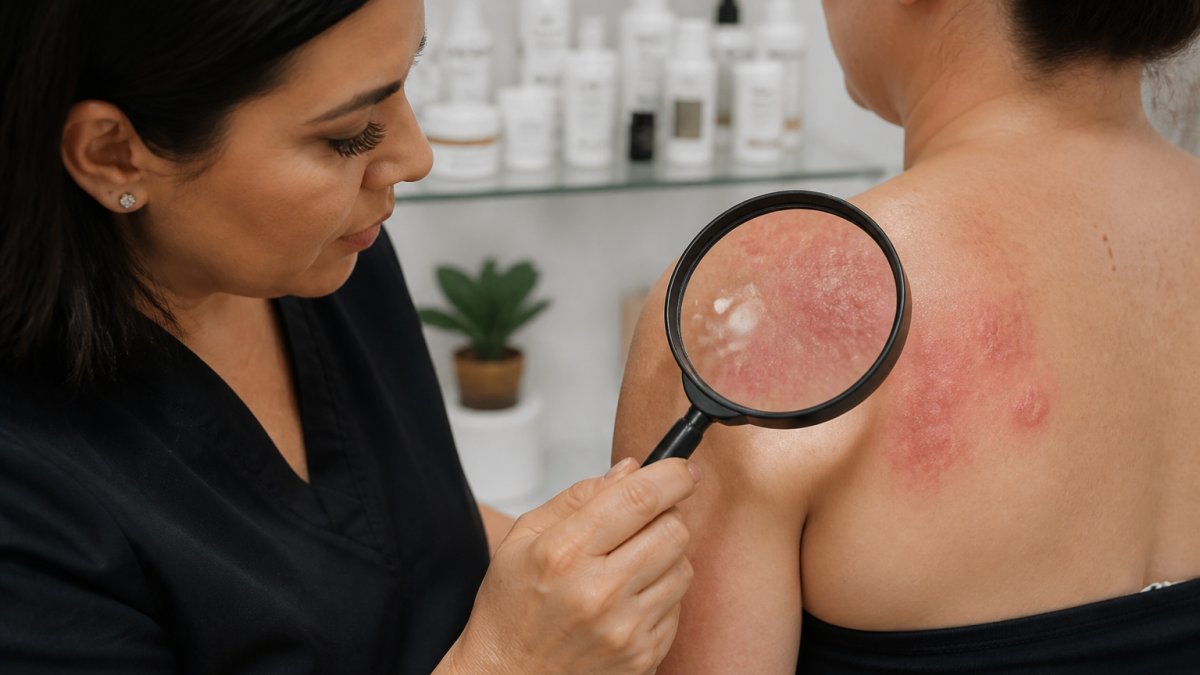
Identifying a skin rash requires careful observation of its appearance, location, spread pattern, and associated symptoms. The characteristics you notice can provide significant clues about what's causing the irritation.
Appearance and Texture Clues
The visual characteristics of a rash offer important diagnostic information. Examine whether the rash consists of flat red areas, raised bumps, blisters, scales, or a combination of these features. Some rashes have distinct borders, while others blend gradually into surrounding skin.
Texture matters too. Run your hand gently over the affected area, does it feel smooth, rough, scaly, or bumpy? Is the skin warm to the touch? Does the rash blanch (turn white) when you press it, or does it remain colored? These observations help differentiate between conditions.
Location and Spread Patterns
Where a rash appears and how it spreads can reveal its cause. Contact dermatitis typically develops in the exact area of contact, a rash in a line pattern might indicate contact with a plant, while a circular rash might suggest a reaction to jewelry or adhesive.
Eczema and psoriasis tend to appear in characteristic locations: eczema often affects the face, hands, feet, and skin folds, while psoriasis frequently appears on elbows, knees, and the scalp. Hives can develop anywhere and often spread quickly across the body. Infectious rashes may start in one location and gradually spread outward.
Rash Symptoms Across Skin Tones
Rash identification becomes more challenging across different skin tones because redness may appear differently depending on melanin content. On darker skin, inflammation might appear as purple, brown, or ashy patches rather than bright red. Swelling and texture changes are often more visible than color changes on deeper skin tones.
When examining a rash on darker skin, focus on texture, warmth, swelling, and any color variation compared to surrounding skin rather than relying solely on redness. Scaling, bumps, and blistering appear across all skin tones and are reliable diagnostic features. If you're uncertain about what you're seeing, professional evaluation ensures accurate diagnosis regardless of skin tone.
Fungal vs. Bacterial Rash: Key Differences
Distinguishing between fungal and bacterial rashes is crucial because treatment approaches differ significantly. Both types of infectious rashes require professional diagnosis, but understanding their characteristics helps you recognize when to seek care.
Fungal Rash Characteristics
Fungal rashes, such as ringworm or athlete's foot, typically develop gradually and have distinctive features. These rashes often form circular or ring-shaped patterns with a clear center and an inflamed, sometimes scaly border. The affected area may feel itchy or burning and can gradually expand outward.
Fungal infections thrive in warm, moist environments, between toes, in skin folds, or under clothing that traps moisture. The rash may have a distinct edge and often doesn't respond to standard topical treatments.
Bacterial Rash Characteristics
Bacterial rashes typically develop more rapidly than fungal infections and often appear as pustules, boils, or areas of warmth and swelling. Impetigo, a common bacterial skin infection, presents as honey-crusted sores or fluid-filled blisters that rupture easily. Bacterial rashes may be accompanied by warmth, tenderness, or signs of infection like pus or drainage.
Book your appointment today! →
Bacterial infections often require oral or topical antibiotics for effective treatment. Unlike fungal rashes, bacterial infections may cause systemic symptoms like fever or swollen lymph nodes if they spread. Any rash showing signs of infection, warmth, pus, increasing redness, or swelling, warrants prompt professional evaluation.
Infectious Rashes: Viral, Fungal, and Bacterial
Infectious rashes can originate from three types of pathogens: viruses, fungi, and bacteria. Each category presents differently and requires distinct treatment approaches.
Fungal infections like ringworm or candida develop gradually with characteristic patterns and often resist over-the-counter treatments. Bacterial infections, including impetigo or cellulitis, develop more rapidly and may show signs of active infection.
If you suspect an infectious rash, avoid sharing personal items like towels, razors, or clothing. Keep the area clean and dry, and seek professional evaluation to confirm the cause and receive appropriate treatment.
When to Seek Medical Care for a Rash
Knowing when to treat a rash at home versus seeking professional care is essential for preventing complications and ensuring proper healing.
Warning Signs That Require Immediate Attention
Certain rash characteristics indicate you need urgent medical evaluation. Seek immediate care if your rash covers a large area of your body, spreads rapidly, or is accompanied by fever, difficulty breathing, or facial swelling. A rash that blisters extensively, shows signs of infection like warmth and pus, or causes severe pain also warrants urgent attention.
If you experience difficulty swallowing, chest tightness, or any sign that the rash is affecting your ability to function normally, this indicates a serious reaction requiring immediate medical care. Rashes accompanied by joint pain, muscle aches, or other systemic symptoms may indicate an underlying condition requiring professional diagnosis.
When to Schedule a Doctor's Appointment
Schedule a doctor's appointment if a rash persists beyond two weeks, worsens despite home care efforts, or shows signs of spreading. If you're unable to identify the cause of your rash or if it recurs frequently, professional evaluation helps identify triggers and appropriate management strategies.
For rashes you suspect are fungal or bacterial, professional diagnosis ensures you receive the correct treatment. Over-the-counter remedies may provide temporary relief but won't address the underlying cause. A professional can confirm the diagnosis and recommend targeted treatment that actually resolves the issue rather than just masking symptoms.
Rash Causes and Common Triggers
Understanding what causes skin rashes helps you prevent recurrence and manage future outbreaks more effectively. Common triggers include environmental factors, allergens, infections, and underlying skin conditions.
Allergens present in foods, medications, fragrances, fabrics, or plants cause allergic reactions manifesting as rashes. Stress, hormonal changes, and immune system dysfunction can trigger or worsen conditions like eczema and psoriasis.
Identifying your personal triggers, through careful observation of when rashes develop and what precedes them, allows you to avoid future outbreaks. Keep a simple log noting when rashes appear, what you were exposed to, and what helps or worsens the condition.
Managing Skin Irritation and Promoting Healing
Once you've identified your rash type, appropriate management supports healing and prevents complications. For most rashes, keeping the area clean and dry is fundamental.
Avoid scratching, even though itching can be intense. Scratching introduces bacteria, increases inflammation, and prolongs healing. Keep fingernails trimmed and consider wearing soft gloves if you sleep, as nighttime scratching often occurs unconsciously.
Avoid potential irritants and triggers while your skin heals. This might mean switching to fragrance-free products, wearing breathable fabrics, or avoiding specific foods if you've identified them as triggers.
However, persistent rashes, recurring issues, or rashes affecting your confidence and quality of life benefit from professional care. Skin Solutions by 2 Divas specializes in thorough skin analysis and personalized treatment plans addressing the root causes of skin irritation.
Understanding different types of skin rashes helps you to respond appropriately to skin irritation and seek professional care when needed.
Frequently Asked Questions
How do I tell what type of skin rash I have?
Start by observing the rash's appearance: note the color, texture (bumpy, scaly, smooth), size of affected areas, and whether it's spreading. Check for associated symptoms like itching, burning, or pain. Consider what triggered it, new products, plants, heat, or stress. Location matters too; contact dermatitis typically appears where skin touched an irritant, while eczema often develops in skin creases. Take clear photos in natural light to show a healthcare provider. Self-diagnosis is difficult because many rashes look similar, so professional evaluation gives you certainty about the type and appropriate treatment.
How do you tell if a rash is fungal or bacterial?
Fungal rashes typically have a defined border, scaly or powdery appearance, and often develop in warm, moist areas like skin folds or between toes. They may show central clearing with a ring-like pattern. Bacterial rashes tend to be more uniform in color, may have pustules or oozing, and often appear in areas prone to friction or injury. Fungal rashes usually itch; bacterial rashes may be more painful or tender. However, distinguishing between them requires professional assessment. A professional can confirm the type through examination or testing, which determines whether antifungal or antibiotic treatment is needed.
When should I see a doctor about a skin rash?
Seek immediate medical attention if the rash covers a large area of your body, spreads rapidly, is accompanied by fever or chills, shows signs of infection (pus, warmth, increasing redness), or causes severe pain or difficulty breathing. Schedule a regular appointment if the rash lasts longer than two weeks, doesn't improve with home care, is intensely uncomfortable, appears on your face or genitals, or recurs frequently. If you're unsure whether a rash needs urgent care, contact your primary care doctor or a skincare professional. Early professional evaluation prevents complications and ensures you receive the right treatment for your specific rash type.
What are the most common types of skin rashes?
The most prevalent types include contact dermatitis (triggered by irritants or allergens), eczema (chronic inflammation causing dry, itchy patches), psoriasis (autoimmune condition with scaly plaques), hives (raised welts from allergic reactions), heat rash (from sweat and friction), and fungal infections like ringworm. Viral rashes such as chickenpox and shingles are also common. Rosacea causes persistent facial redness. Each has distinct characteristics, triggers, and treatments. If you're struggling with persistent skin concerns or need personalized guidance on managing a specific rash type, Skin Solutions by 2 Divas in Sebring, FL offers expert skin analysis and custom corrective care tailored to your unique needs.