 listicle
Signs Your Skin Is Reacting Badly to a Facial: 2026 Guide
Table of Contents
- What Counts as a Normal Reaction After a Facial
- Signs Your Skin Is Reacting Badly to a Facial
- Skin Purging vs Reaction: How to Tell the Difference
- How to Soothe Skin After a Bad Facial
- When to See a Dermatologist After a Facial
- How Custom Facials at Skin Solutions by 2 Divas Reduce Reaction Risk
- Conclusion
- Frequently Asked Questions
Last Updated: September 26, 2026
What Counts as a Normal Reaction After a Facial
A normal reaction after a facial is mild, short-lived redness and warmth that fades within hours, not pain, swelling, or a spreading rash.
Signs Your Skin Is Reacting Badly to a Facial
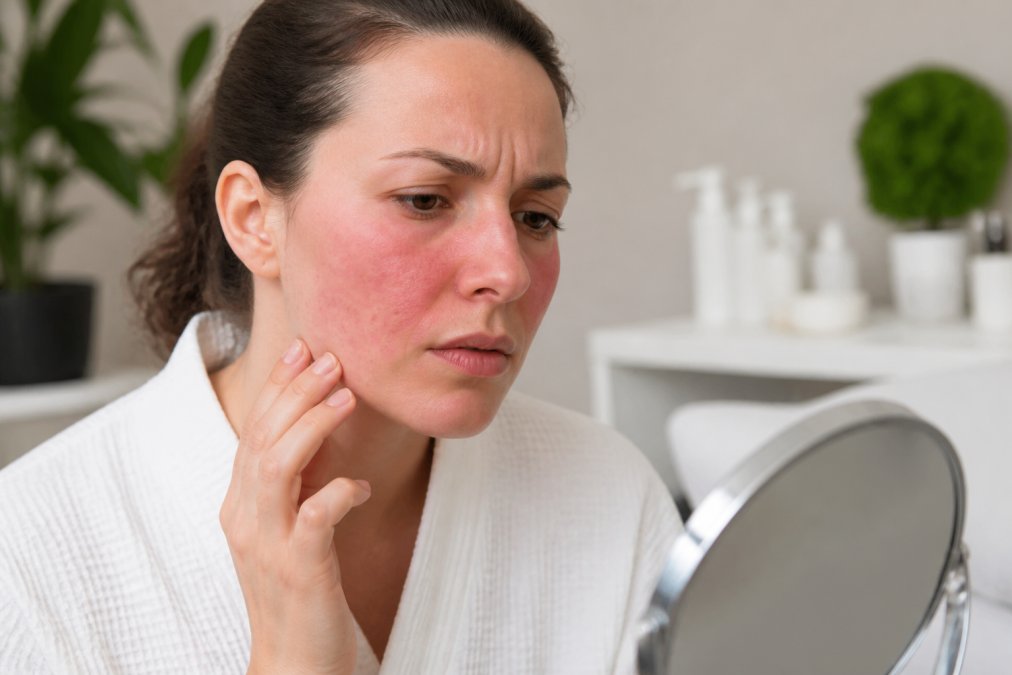
Signs your skin is reacting badly to a facial include intense burning during the treatment, swelling, hives, blistering, or redness that deepens over following days. These mean the barrier is compromised and needs immediate, gentle care.
Immediate Red Flags During the Treatment
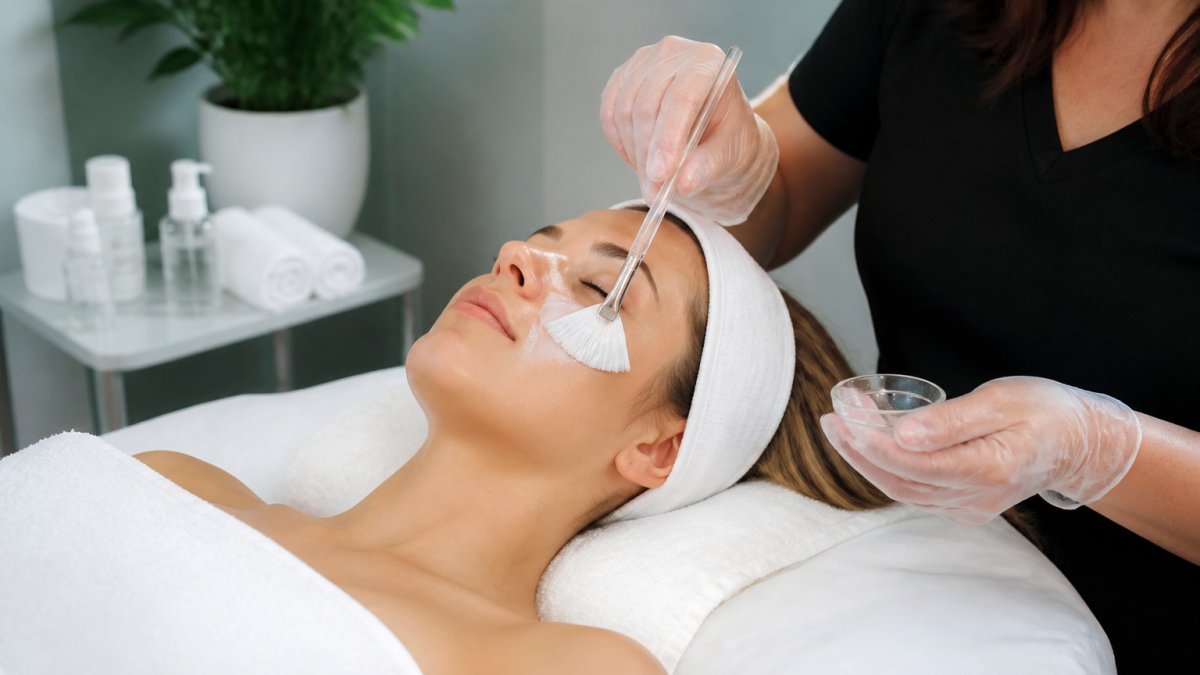
Stop the service if you feel sharp stinging, a burning sensation that keeps building, or pain during extractions, and tell your esthetician right away. A qualified provider will rinse the product, apply a calming mask, and reassess. Common causes include an allergic reaction to an ingredient, over-exfoliation from a chemical peel, or too much pressure during extraction.
Delayed Warning Signs in the Days After
Watch for these in the 24 to 72 hours after your appointment:
- Rash or hives that spread to areas that were not treated
- Blistering or weeping skin, which points to a chemical burn
- Flaking that turns into raw, cracked patches
- Post-inflammatory hyperpigmentation appearing as new dark spots
- Comedogenic breakouts clustered in a tight pattern
- Hypersensitivity where water or moisturizer suddenly stings
Skin Purging vs Reaction: How to Tell the Difference
Skin purging vs reaction comes down to location, timing, and sensation. Purging brings breakouts only where you normally break out and clears within weeks. A reaction appears in new places, often with redness, itching, or burning.
Here is the quick test:
| Feature | Purging | Reaction |
|---|---|---|
| Location | Your usual breakout zones | New or unusual areas |
| Sensation | Mild, no pain | Stinging, burning, itching |
| Timeline | Peaks in 2-4 weeks, then clears | Worsens after 24-72 hours |
| Texture | Small bumps, blackheads | Rash, hives, flaking, blistering |
| Response to soothing | Improves with gentle care | Needs treatment to settle |
Match the Reaction to the Ingredient
Most people assume any bad facial reaction is one thing. In practice, the pattern of damage points to a specific cause, and the cause determines treatment.
- Acid burn (glycolic, lactic, salicylic, TCA peels). Presents as a uniform red or brown patch that follows exactly where the acid was applied, often with a sharp sting during the service and tight, shiny skin afterward. Blistering or weeping means the acid went deeper than the epidermis. This is a chemical injury, not an allergy, and it does not respond to antihistamines.
- Fragrance or preservative allergy (contact dermatitis). Presents as an itchy, bumpy rash that can spread beyond the treated area, sometimes reaching the neck, ears, or eyelids. It often appears 24-72 hours after the service, not on the table. Common triggers include fragrance mixes, methylisothiazolinone, and formaldehyde-releasing preservatives.
- Physical trauma from over-extraction. Presents as bruising, broken capillaries, scabbing, or indented marks in the exact spots where extractions were performed. It shows up immediately and does not itch. This is mechanical damage, not a chemical or immune response.
- Over-exfoliation without a burn. Presents as generalized stinging, tightness, and a rough, sandpaper texture rather than a defined rash. The barrier is stripped but the skin is not chemically injured. It usually settles with a bland routine in 5-10 days.
The Patch Test Protocol Most People Skip
A patch test before a full facial rules out most ingredient reactions before they start. Most clinics run one on request, but you have to ask early. A proper patch test works like this:
- Request it at booking, not on the day. A same-day patch test does not give the reaction enough time to show.
- Ask for it 48-72 hours before your appointment. That window is long enough for a delayed contact allergy to surface.
- Have it applied to a small area near the jawline or behind the ear. These spots are close to the face but easy to hide if a reaction appears.
- Leave the product on and do not wash it off early. Washing it off defeats the purpose.
- Photograph the spot at 24, 48, and 72 hours. A mild reaction can be easy to miss in the mirror but obvious in a side-by-side photo.
- Report anything beyond mild tingling. Redness, bumps, or itching at the patch site means the full service should be modified or rescheduled.
How to Soothe Skin After a Bad Facial
Soothing skin after a bad facial means stripping your routine to the basics: a gentle cleanse, a barrier-repair moisturizer, and sun protection. Nothing else until the skin settles.
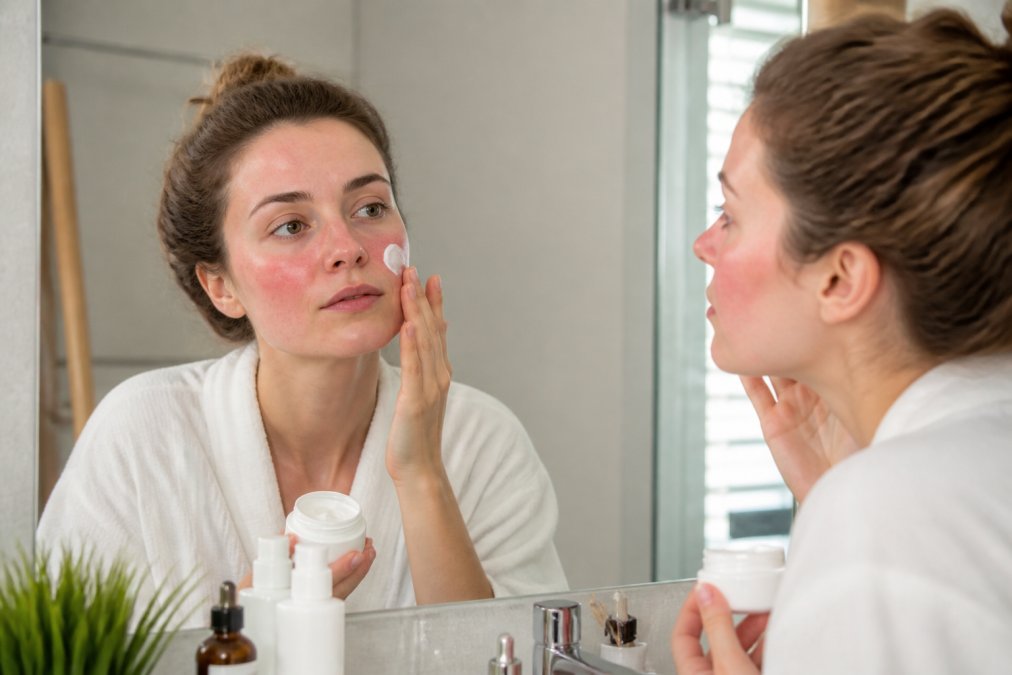
Follow these steps for the first week:
- Cleanse with lukewarm water and a cream-based cleanser. Hot water strips the barrier further.
- Skip all actives. No retinol, acids, scrubs, or vitamin C until redness is gone.
- Apply a ceramide moisturizer while skin is still damp to reduce transepidermal water loss.
- Layer a soothing balm over dry or cracked patches to seal in moisture.
- Use mineral sun protection daily. Newly compromised skin burns fast and marks easily.
- Add hyaluronic acid only once stinging stops, since it can pull water from a damaged barrier.
- Sleep on a clean pillowcase and avoid touching your face.
When to See a Dermatologist After a Facial
See a dermatologist after a facial if you have blistering, a spreading rash, severe swelling, fever, or no improvement after five to seven days of gentle care. These point to a chemical burn, contact dermatitis, or an infection needing medical treatment.
Seek urgent care if you notice:
Book your appointment today! →
- Blisters that weep or crust
- Swelling that affects your eyes or lips
- A rash that keeps expanding after 48 hours
- Intense pain that does not ease with cooling
- Signs of infection, such as warmth, pus, or fever
What to Bring to the Appointment
A dermatologist moves faster with a clear record than a vague description. Before your visit, put together:
- The date and time of the facial, plus how long the service lasted.
- A written list of every product applied, including cleansers, exfoliants, masks, serums, and sunscreen. Ask the clinic for this in writing if you do not have it.
- Photos taken at the same time each day from the day of the service onward. Consistent lighting and angle make the progression obvious.
- A symptom log noting when redness, swelling, itching, or pain started and whether each one improved or worsened.
- Your full product history for the two weeks before the facial, including anything new you introduced at home.
How to Speak Up During the Treatment
Most bad reactions give you a warning on the table, but many clients stay quiet to avoid seeming difficult or assume the sensation is supposed to sting.
- "That is burning, not tingling. Please rinse it off."
- "I need a break. Can we pause and check my skin?"
- "I have felt this before and it did not end well. I would like to stop here."
When a Reaction Warrants Documentation
Most reactions settle with home care. A small number are severe enough that keeping a record matters, for your medical history or because the injury may have been preventable.
Consider documenting the reaction formally if:
- You needed prescription treatment from a dermatologist or urgent care.
- The reaction left scarring, pigment changes, or a lasting change in skin texture.
- The provider dismissed your concerns during the service or refused to stop.
- The clinic used a product or strength that was not disclosed to you beforehand.
How Custom Facials at Skin Solutions by 2 Divas Reduce Reaction Risk
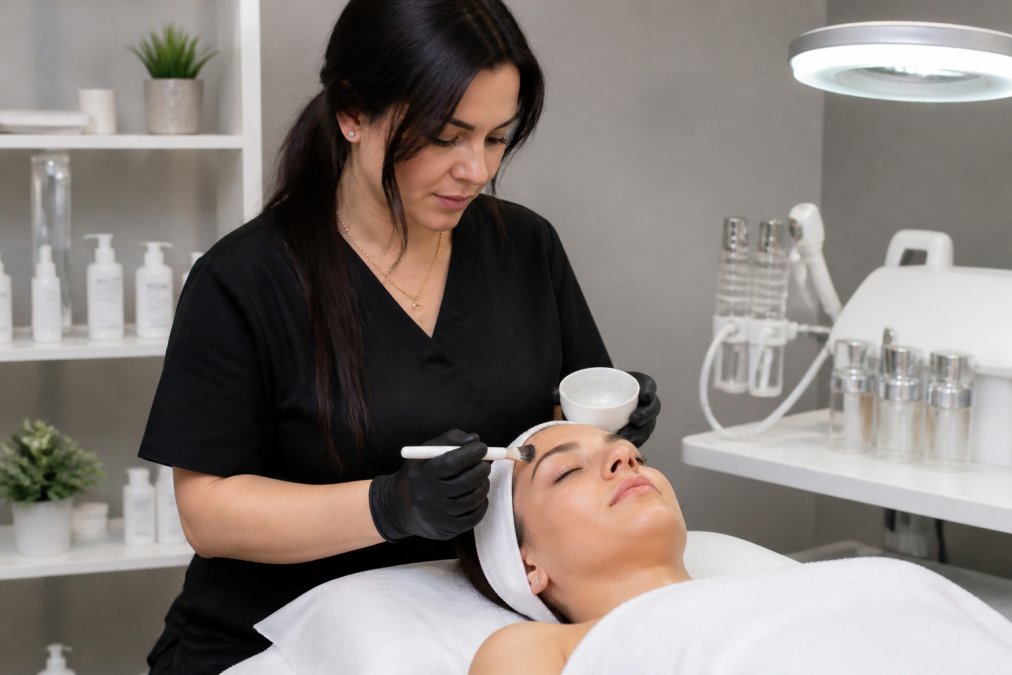
Custom facials at Skin Solutions by 2 Divas reduce reaction risk because every treatment starts with a full skin analysis and a plan built around your barrier, not a fixed menu.
Here is what that looks like in practice:
- Thorough skin analysis before any product touches your face
- Personalized treatment plans for acne, aging, and hyperpigmentation
- High-quality ingredients chosen to calm rather than aggravate
- By-appointment-only scheduling so each client gets unhurried, focused care
Conclusion
A bad facial reaction is stressful but usually manageable when you act early and strip your routine to the basics. If signs do not settle within a week, get a professional opinion. At Skin Solutions by 2 Divas in Sebring, FL, we build every facial around a full skin analysis, personalized treatment plans, and high-quality ingredients, so your skin gets what it actually needs, targeting acne, aging, and hyperpigmentation without the guesswork that triggers reactions.
Frequently Asked Questions
What are the signs of an allergic reaction after a facial?
An allergic reaction typically shows up as hives, rash, swelling, or blistering within minutes to hours of your facial. You may also notice a burning sensation that does not fade, or intense itching that gets worse. Unlike a normal flush, these signs point to contact dermatitis or a true allergy. If you experience any of these, stop using all products and seek medical care. Skin Solutions by 2 Divas in Sebring, FL, can help you identify the trigger and adjust your future treatments.
How do I know if my skin is purging versus having a bad reaction?
Purging happens when a treatment speeds up cell turnover and brings existing clogs to the surface. It shows up as small whiteheads or blackheads in areas where you normally break out, and it clears within a few weeks. A bad reaction, by contrast, causes redness, stinging, burning, or a rash that spreads to new areas. Purging is temporary and localized; a reaction is persistent and often painful. If you are unsure, a professional skin analysis can help you tell the difference.
How long should redness last after a professional facial?
Mild redness after a facial usually fades within a few hours to a day. If you had extractions or a chemical peel, some pinkness can last two to three days. Redness that persists beyond three days, or that comes with swelling, heat, or pain, is a sign your skin is reacting badly. In that case, switch to a gentle cleanser and a barrier-repair moisturizer, and contact a dermatologist if it does not improve. A follow-up with your esthetician can also help.
What should I do if my skin is burning after a facial?
If your skin is burning, rinse with cool water and apply a fragrance-free, soothing moisturizer like one with ceramides or colloidal oatmeal. Avoid exfoliants, retinoids, and hot water. A cool compress can calm the burning sensation. If the burning continues for more than an hour or comes with blistering, see a dermatologist. For future facials, ask about patch testing and choose a provider who customizes treatments for sensitive skin, such as Skin Solutions by 2 Divas in Sebring, FL.