 listicle
Best Facial Treatments for Acne-Prone Skin in 2026
Table of Contents
- What Makes a Facial Treatment Right for Acne-Prone Skin
- Professional Acne Facial Benefits: What Clinical Treatment Actually Does
- Top Facial Treatments for Acne-Prone Skin
- Custom Corrective Facials for Acne: Why One-Size-Fits-All Falls Short
- How Often to Get Facials for Acne (and What to Expect Between Visits)
- Safety, Contraindications, and Protecting Your Skin Barrier
- Conclusion
- Frequently Asked Questions
Last Updated: September 23, 2026
What Makes a Facial Treatment Right for Acne-Prone Skin
The best facial treatments for acne-prone skin are the ones that clear congestion without stripping your skin barrier. That distinction matters more than the brand name on the treatment room door.
At SKIN SOLUTIONS BY 2 DIVAS in Sebring, FL, we often see clients who have tried various at-home approaches without success. The skin isn't failing. The approach is.
A facial treatment is a professional skin procedure that combines deep cleansing, exfoliation, extraction, and targeted active ingredients to address specific concerns like active acne, congestion, and post-inflammatory hyperpigmentation. For acne-prone skin, the goal is balance: remove what's clogging pores while protecting the barrier that keeps bacteria out.
Below, we break down which treatments actually help, which ones to avoid during a flare, and how often to book them.
Professional Acne Facial Benefits: What Clinical Treatment Actually Does
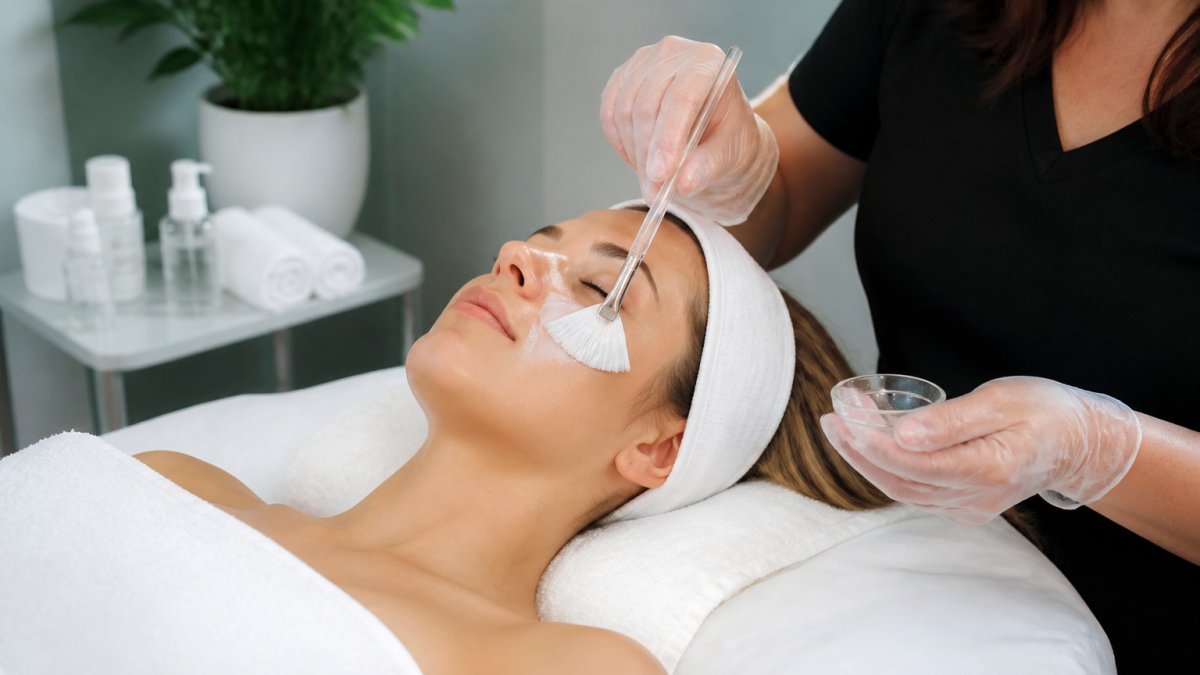
A professional acne facial benefits go well beyond a relaxing hour in a treatment room. Clinical-grade exfoliation reaches depths that retail scrubs cannot, and professional extractions remove comedones that would otherwise turn into inflamed breakouts.
Deep Cleansing and Pore Refinement
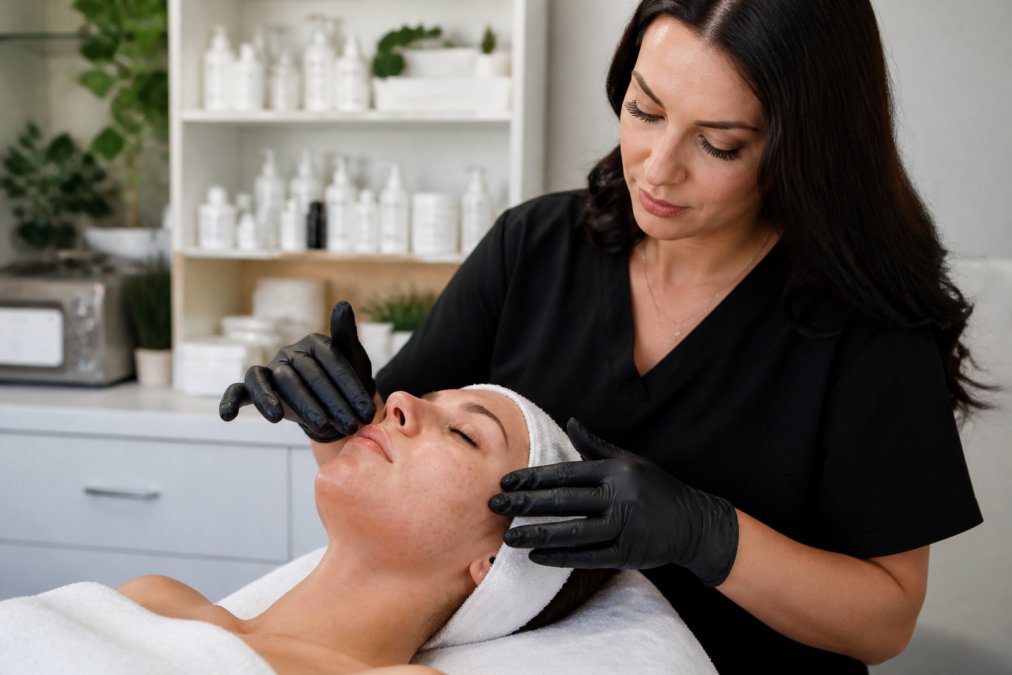
Steam, enzymatic exfoliation, and gentle extractions clear sebum production trapped inside pores. Estheticians can perform manual extractions, which can be an effective way to reduce congestion. The result can be pore refinement.
Reducing Inflammation and Preventing New Breakouts
Soothing masks and anti-inflammatory serums calm active acne and lower redness. Over a series of visits, this can help reduce the frequency of new breakouts.
Top Facial Treatments for Acne-Prone Skin
The best facial treatments for acne-prone skin fall into four categories: hydradermabrasion, chemical peels, LED light therapy, and collagen-stimulating treatments. Each targets a different stage of the acne cycle, and most clients do best with a combination rather than a single service.
| Treatment | Best For | Mechanism | Downtime | Typical Series |
|---|---|---|---|---|
| Hydradermabrasion | Deep cleansing, pore refinement | Vortex extraction plus serum infusion | None | Monthly maintenance |
| Chemical peels | Congestion, post-acne texture, hyperpigmentation | Controlled acid exfoliation of the stratum corneum | 3-7 days of peeling | 3-6 sessions, spaced 3-4 weeks |
| LED light therapy (blue/red) | Active inflammation, redness, acne bacteria | Blue light photoactivates porphyrins in C. acnes; red light supports healing | None | 8-12 sessions, often 2x weekly |
| High frequency | Individual active breakouts | Mild electrical current oxygenates tissue and reduces surface bacteria | None | Add-on per visit |
| Microneedling | Acne scarring, skin texture | Controlled micro-injuries trigger collagen remodeling | 2-3 days of redness | 3-6 sessions, spaced 4-6 weeks |
Hydradermabrasion
Hydradermabrasion uses a vortex-fusion wand to cleanse, exfoliate, and extract in one pass, then infuses serums tailored to your skin. There's no downtime, which makes it a solid option before an event. The trade-off: it's a maintenance treatment. Book it monthly, not once. It is a poor fit for active cystic lesions because the suction can irritate inflamed tissue.
Professional Chemical Peels
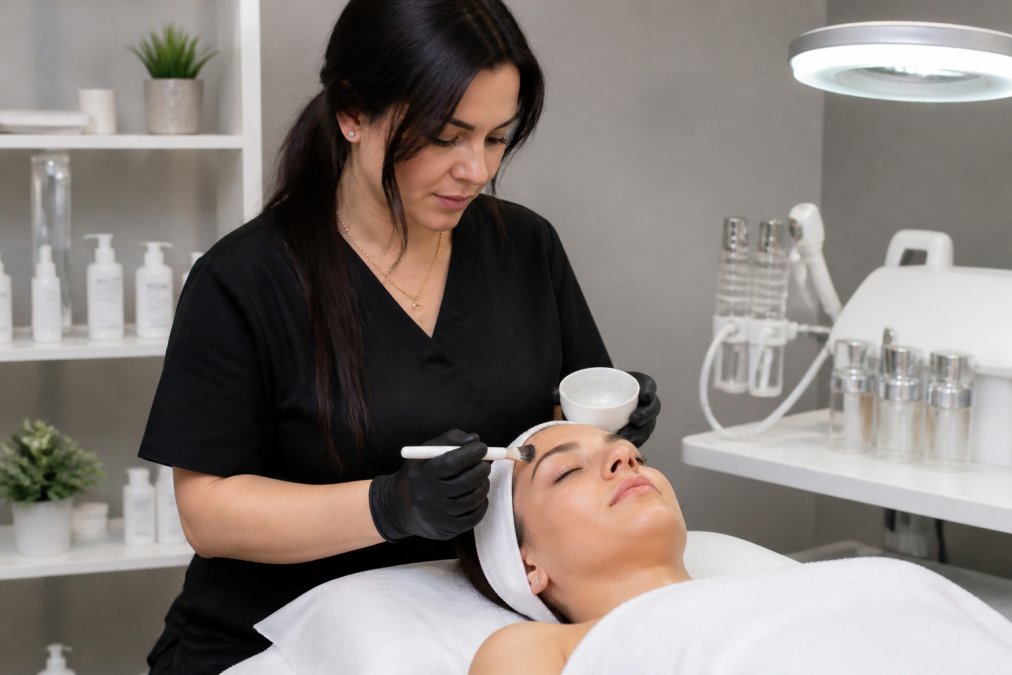
Chemical peels use clinical-grade acids to lift dead cells and clear congestion at the surface. Salicylic acid is the workhorse for acne-prone skin because it is lipophilic and penetrates oil-filled pores; mandelic and lactic acid suit sensitive or darker skin tones because they are larger molecules with slower, more even penetration. Glycolic acid is effective but more irritating and less forgiving on a compromised barrier. Expect visible peeling for several days.
LED Light Therapy (Blue and Red)
Blue light therapy targets acne-causing bacteria, while red light therapy calms inflammation and supports healing. Both are painless and require no recovery time. LED works best as a series, often added to a facial rather than booked alone. Results are cumulative; LED can be a supporting player.
High Frequency and Microneedling
High frequency uses a mild electrical current to oxygenate skin and reduce bacteria on active breakouts. It's a fast add-on for individual pimples. Microneedling is a different animal: it creates controlled micro-injuries to trigger collagen and resurface acne scarring. Never book microneedling during an active flare. At SKIN SOLUTIONS BY 2 DIVAS in Sebring, FL, treatment selection is based on skin analysis rather than a preset menu, so the modality matches the stage of the breakout.
Book your appointment today! →
Custom Corrective Facials for Acne: Why One-Size-Fits-All Falls Short
Custom corrective facials for acne start with a real skin analysis, not a preset menu. Two clients with identical-looking breakouts often need opposite approaches: one has hormonal acne along the jaw, the other has congestion from comedogenic products.
How Often to Get Facials for Acne (and What to Expect Between Visits)
How often to get facials for acne depends on severity, but most clients see the best results on a four-to-six-week schedule. That cadence matches the skin's natural cellular turnover cycle, so each visit builds on the last.
Safety, Contraindications, and Protecting Your Skin Barrier
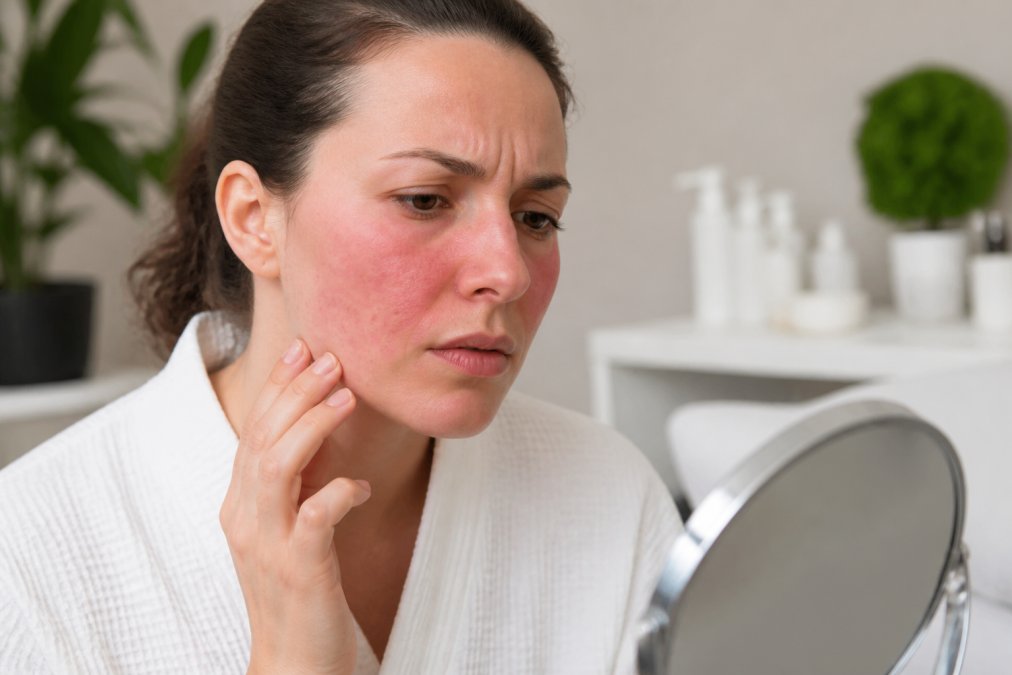
The skin barrier is the outer layer that holds moisture in and keeps irritants and bacteria out. It is built from corneocytes embedded in a lipid matrix of ceramides, cholesterol, and fatty acids. Almost every acne treatment, professional or at-home, can damage it if pushed too hard. When the lipid matrix is depleted, transepidermal water loss rises, irritants penetrate more easily, and the skin responds with stinging, flaking, redness, and breakouts that never quite heal.
Signs Your Barrier Is Compromised
- Products that used to be fine now sting or burn
- Skin feels tight after cleansing even when you use a gentle cleanser
- Flaking, rough patches, or shiny, waxy-looking skin
- Redness that lingers longer than an hour after washing
- New breakouts in areas that were previously clear
If two or more of these apply, the next step is usually less, not more: pause exfoliating acids and retinoids, switch to a bland moisturizer with ceramides, and let the skin settle before booking anything resurfacing.
Contraindications to Know Before Booking
- Active cystic acne or open, weeping lesions: skip extractions and resurfacing
- Isotretinoin use within the past six months: no peels or microneedling
- Recent sun exposure, sunburn, or a fresh tan: reschedule
- Pregnancy or nursing: avoid high-percentage salicylic peels and retinoids
- Cold sores, eczema, or dermatitis in the treatment area: wait until it clears
- Blood thinners or certain antibiotics: check with your provider first
- Recent waxing, threading, or laser hair removal in the treatment area: wait at least a week
According to the American Academy of Dermatology's acne guidance, acne treatments work best when they match the type and severity of the breakouts, which is why a professional assessment matters before choosing a service.
When a Professional Treatment Is Worth It, and When It Isn't
A realistic way to decide: professional facials earn their place when you have congested pores that home care cannot clear, post-inflammatory hyperpigmentation that needs clinical-grade exfoliation, or a pattern of breakouts that keeps returning despite a consistent routine. They are less useful when the real problem is a damaged barrier, because the fix there is a simplified, gentle home routine, not another treatment.
Conclusion
Acne-prone skin doesn't need the most aggressive treatment on the menu. It needs the right one, applied consistently, with a barrier that stays intact between visits.
Frequently Asked Questions
What is the best facial for acne-prone skin?
There is no single best option for everyone. A classic acne facial with professional extractions works well for non-inflammatory congestion and blackheads. Hydrafacial suits sensitive or reactive skin because it cleans and extracts without harsh scrubbing. Chemical peels and LED light therapy help with inflammation, post-inflammatory hyperpigmentation, and skin texture. The right choice depends on whether your breakouts are active, cystic, or mostly healed, which is why a professional skin analysis matters before booking.
How often should you get a facial if you have acne?
Most people with acne-prone skin see the best results with a facial every four to six weeks, which matches the skin's natural cellular turnover cycle. During an active breakout phase, your esthetician may recommend visits every two to three weeks until inflammation calms. Once skin stabilizes, spacing treatments every six to eight weeks maintains results. Going more often than every two weeks can irritate the skin barrier and trigger more sebum production, so follow your provider's schedule rather than booking on impulse.
Do professional facials actually help with acne?
Yes, when they are performed by a trained esthetician and matched to your skin type. Professional extractions clear comedones that at-home products cannot reach, and clinical-grade exfoliation speeds cellular turnover to prevent new congestion. Facials also support the skin barrier with soothing, hydrating steps that reduce inflammation. They are not a replacement for dermatologist care if you have severe cystic or hormonal acne, but for mild to moderate breakouts, consistent professional acne facial treatments can contribute to clearer pores, smoother skin texture, and a reduction in new breakouts over time.
Can facials make acne worse?
They can if the treatment is too aggressive or performed on inflamed, active cysts. Over-extraction, strong chemical peels on compromised skin, or skipping post-treatment care can irritate the skin barrier and cause more redness or post-inflammatory hyperpigmentation. This is why a thorough skin analysis before your first session matters. A qualified esthetician will adjust exfoliation strength, avoid extracting inflamed lesions, and send you home with a simple, non-comedogenic routine. If your skin reacts badly, tell your provider immediately so the next session can be adjusted.