 listicle
Best Bridal Facial for Sensitive Skin: 2026 Guide
Table of Contents
- Why Sensitive Skin Needs a Different Bridal Facial
- Best Bridal Facial Options for Sensitive Skin: A Comparison
- Pre-Wedding Facial Timeline for Sensitive Skin
- Facial Ingredients to Avoid for Sensitive Skin
- How to Patch Test Facial Products Before Your Appointment
- Sensitive Skin Facial Aftercare: What to Do After Your Treatment
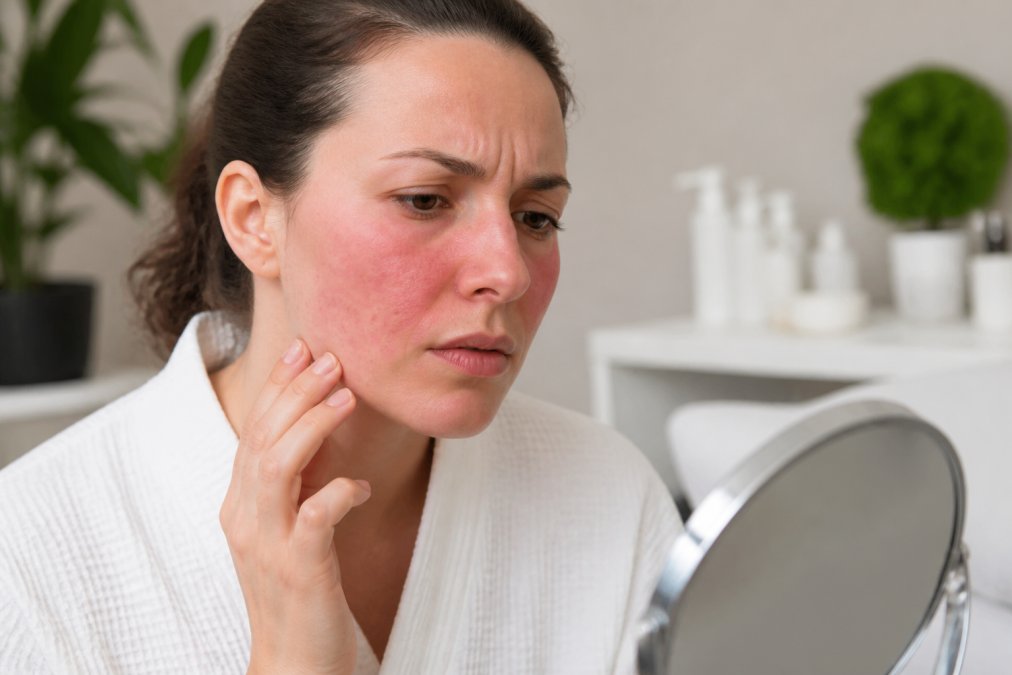
- What to Do If a Facial Causes a Reaction
- Conclusion
- Frequently Asked Questions
Last Updated: October 6, 2026
Why Sensitive Skin Needs a Different Bridal Facial
Sensitive skin reacts to friction, heat, fragrance, and strong acids, so the best bridal facial for sensitive skin is one built around calming, hydration, and barrier support rather than aggressive resurfacing. That single distinction changes everything about what you should book before a wedding.
At Skin Solutions by 2 Divas in Sebring, FL, we build every treatment around a full skin analysis first, because reactive skin rarely tolerates a one-size-fits-all protocol. A facial that leaves a friend glowing can leave you red and blotchy for a week.
Here's the tension most brides miss: the closer you get to the wedding, the less room you have for a reaction. So the goal shifts from "maximum correction" to "predictable, calm results."
Below, we compare five facial options, lay out a timeline, and show you exactly how to patch test before you commit.
Best Bridal Facial Options for Sensitive Skin: A Comparison
The five options below range from gentle and near-instant to more corrective and gradual, so match the choice to your sensitivity level and how close you are to the date. Here's how they stack up.
| Facial | Best For | Downtime | How Close to Wedding |
|---|---|---|---|
| Oxygen facial | Very reactive skin | None to minimal | Day before or morning of |
| Fruit facial | Allergy-prone skin | Minimal | 7-10 days before |
| HydraFacial | Most skin types | None | 2-4 weeks before |
| LED light therapy add-on | Redness and stressed skin | None | Anytime |
| Custom corrective facial | Mixed concerns | Varies by plan | Per your treatment plan |
Oxygen Facial
An oxygen facial is a gentle option that suits reactive skin and can be scheduled close to the wedding day. It focuses on hydration and surface calm rather than exfoliation, which is why it's often chosen as a morning-of treatment.
The tradeoff: results are short-lived. Plan it as a finishing touch, not a fix for pigmentation or texture.
Fruit Facial
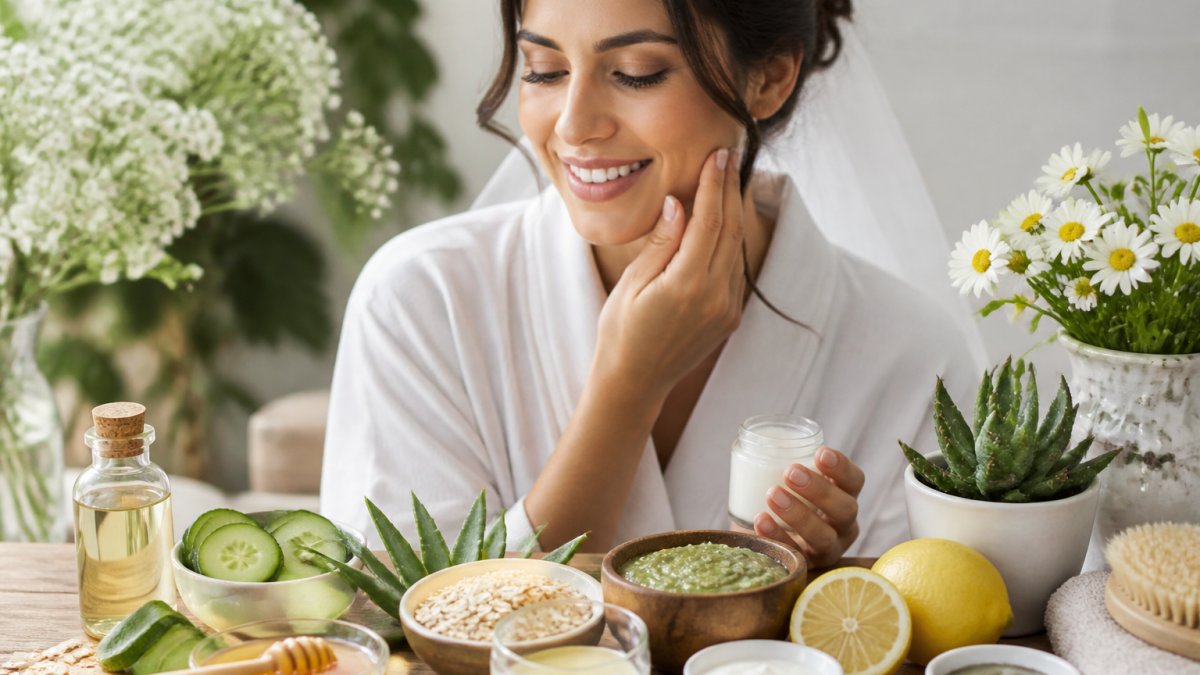
A fruit facial uses natural ingredients and is often recommended for extremely sensitive or allergic skin. Because it leans on fruit enzymes instead of harsh acids, it tends to be milder than a chemical peel.
That said, "natural" does not mean "safe for everyone." Fruit acids can still trigger reactions, so patch testing matters here more than anywhere.
HydraFacial
A HydraFacial combines cleansing, gentle exfoliation, and hydration in one session, with little to no downtime for most people. It's a strong middle-ground option for brides who want smoother texture without a recovery period.
Where it falls short: if your skin is highly reactive, the suction and exfoliation steps can still cause flushing. Ask for a gentler setting.
LED Light Therapy Add-On
LED light therapy is an add-on, not a standalone facial, and it's described as helping reduce redness, speed healing, and boost brightness. For stressed or sensitive skin, that makes it a smart pairing with any of the options above.
The limitation is that LED works gradually. One session won't transform your skin, but a series can calm redness over the weeks before the wedding.
Custom Corrective Facial
A custom corrective facial is the most flexible option because the protocol is built around your specific skin after a full analysis. At Skin Solutions by 2 Divas, that means we identify your triggers and concerns, then choose ingredients and techniques that respect your barrier.
This is our top pick for brides with sensitive skin plus a real concern to solve, whether that's acne, hyperpigmentation, or fine lines. One drawback: it requires an in-person consultation first, so book early.
Pre-Wedding Facial Timeline for Sensitive Skin
A workable pre-wedding facial timeline for sensitive skin starts about six months out and finishes all active treatments 10 to 14 days before the wedding. That buffer is what protects you if something needs to settle.
Here's the schedule we recommend:
- 6 months out: Initial consultation and skin analysis. Start a simple, fragrance-free routine.
- 3-4 months out: Begin a series of your chosen corrective treatments, spaced several weeks apart.
- 10-14 days out: Stop all active treatments. No new products, no experiments.
The rule is simple: the more reactive your skin, the earlier you finish. New treatments and wedding week should never overlap.
Facial Ingredients to Avoid for Sensitive Skin
Fragrance, drying alcohols, and high-strength acids are the ingredients most likely to trigger redness, stinging, and barrier disruption on reactive skin. The trick is knowing not just which names to flag, but why each one causes trouble and how close to the wedding it becomes a real risk.
Here's what to watch for, and the mechanism behind each one:
- Synthetic fragrance and essential oils. Fragrance is one of the most common causes of contact irritation, and "natural" essential oils like citrus, lavender, and peppermint can be just as reactive. They don't exfoliate or hydrate, they simply provoke, which is the opposite of what a sensitive barrier needs.
- Denatured alcohol and SD alcohol. These evaporate quickly and take your skin's natural oils with them, weakening the barrier and leaving it more vulnerable to whatever you apply next. A little in a toner is usually tolerable; a high concentration in a serum is not.
- High-concentration glycolic, lactic, and salicylic acid. These dissolve the bonds that hold dead skin cells together. That's useful for texture and pigmentation, but on reactive skin it strips the barrier faster than it can rebuild, which shows up as redness, tightness, and flaking.
- Physical scrubs with rough particles. Walnut shell, sugar, and salt scrubs create friction and micro-tears. On sensitive skin, that friction is a direct trigger, and the tiny injuries can leave the barrier compromised for days.
- Retinoids and retinol. These accelerate cell turnover, which is exactly why they cause the purge, peeling, and sensitivity that make them a poor choice in the final weeks before a wedding.
- Chemical peels and high-percentage vitamin C. Both are corrective and both can cause a reaction that takes longer to settle than you have time for close to the date.
What to look for instead: fragrance-free, non-comedogenic formulas built around hydration and barrier support. Ingredients like hyaluronic acid, ceramides, niacinamide, glycerin, and colloidal oatmeal tend to sit well with sensitive skin because they add water or reinforce the barrier rather than stripping it.
Book your appointment today! →
How to Patch Test Facial Products Before Your Appointment
A patch test checks whether your skin reacts to a product before it goes on your whole face.
Here's the protocol we recommend:
- Apply a small amount behind your ear or on your inner forearm, the forearm is easier to keep dry and untouched
- Use the exact product or a sample of it, undiluted, at the strength you'd actually use
- Leave it untouched for 24 hours; don't wash the area or apply anything over it
- Check for redness, itching, swelling, bumps, or a burning sensation
- If clear, repeat once more over 48 hours to catch delayed reactions
- Bring your results, and the product itself, to your consultation
Two things matter more than the steps themselves. First, a patch test on your arm is not a guarantee for your face; facial skin is thinner and more reactive, so a product that's fine on your forearm can still sting on your cheeks.
If you notice any reaction, stop and tell your esthetician. A product that irritates your arm will almost certainly irritate your face, and a product that causes a true allergic response should never be reapplied.
At Skin Solutions by 2 Divas in Sebring, FL, we recommend patch testing new products at least two weeks before your appointment, so there's time to adjust the plan if something doesn't agree with you.
Sensitive Skin Facial Aftercare: What to Do After Your Treatment
Sensitive skin facial aftercare is simple: keep it calm, keep it hydrated, and keep it out of the sun. The 48 hours after a facial matter as much as the treatment itself.
Do this:
- Skip makeup for the first few hours if you can
- Use a gentle, fragrance-free cleanser
- Moisturize with a barrier-supporting cream
- Apply broad-spectrum sunscreen daily
- Avoid hot showers, saunas, and heavy exercise for 24 hours
Avoid this:
- Exfoliants, retinoids, and active serums for several days
- New products you haven't patch tested
- Direct sun exposure without protection
If you work long hours and don't want a complicated routine, tell us at your appointment. We can build aftercare around two or three products, not ten.
What to Do If a Facial Causes a Reaction
Stop the routine, calm the skin, and call your provider. Most reactions settle within a few days, but the right response depends on what caused it.
Take these steps:
- Discontinue any new product immediately
- Rinse with cool water and skip all actives
- Apply a plain, fragrance-free moisturizer
- Use a cool compress to ease redness
- Contact your esthetician with photos and details
- See a dermatologist if swelling, blistering, or pain appears
The most common mistake is piling on more products to "fix" the reaction. That usually makes it worse. Simplicity wins.
If you're coming from a different spa and your skin has reacted before, tell us what was used. That history shapes your plan.
Conclusion
Planning a wedding is stressful enough without gambling on your skin. The brides who get calm, radiant results are the ones who start early, choose gentle treatments, and patch test before they commit.
That's exactly how we work at Skin Solutions by 2 Divas. Every visit begins with a thorough skin analysis, so your custom corrective facial is built around your actual concerns, whether that's acne, aging, or hyperpigmentation. We offer personalized treatment plans, a results-driven approach, and appointment-only care so you get our full attention.
Book your appointment today and walk into your wedding with skin you trust.
Frequently Asked Questions
Which bridal facial is best for sensitive skin?
If you have reactive skin, a custom corrective facial with a thorough skin analysis at Skin Solutions by 2 Divas in Sebring, FL can be tailored to your specific triggers. Always ask for a patch test before any new treatment.
How far in advance should a bride get a facial before the wedding?
Start your pre-wedding facial timeline about six months ahead, then schedule your final treatment 10 to 14 days before the wedding. This window gives your skin time to calm down if any redness or irritation appears. Avoid trying a brand-new facial in the last week. A patch test at least two weeks before the wedding confirms your skin tolerates the products.
What ingredients should sensitive skin avoid in a bridal facial?
Sensitive skin should avoid strong chemical peels, high-concentration acids, harsh scrubs, and heavily fragranced products. Look for fragrance-free and non-comedogenic formulas that support your skin barrier. Tell your esthetician about any past reactions before your appointment. At Skin Solutions by 2 Divas in Sebring, FL, your skin analysis helps identify which ingredients to skip so your treatment stays gentle.
Can a facial cause redness or irritation before a wedding?
Yes, a facial can cause temporary redness or irritation, especially if it is your first time or the products are too strong. That is why timing matters. Book your last facial 10 to 14 days before the wedding and patch test any new product beforehand. If a reaction happens, stop using the product, apply a gentle fragrance-free moisturizer, and contact your provider for guidance.
Should you try a new facial treatment before your wedding?
You can try a new treatment, but do it early. Schedule a test appointment at least four to six weeks before the wedding so you can see how your skin responds. If your skin tolerates it well, you can repeat the treatment closer to the date. Never book an untested facial in the final two weeks, since a reaction would be hard to fix in time.