 listicle
Non-Invasive Facelift Options for Jowls: A 2026 Guide
Table of Contents
- What Causes Jowls and Why Non-Invasive Options Matter
- Ultrasound Skin Tightening: Ultherapy and Sofwave for Jawline Definition
- Radiofrequency Skin Tightening for Jowls: Thermage, Forma, and Morpheus8
- Dermal Fillers for Jowl Correction and Jawline Contouring
- Thread Lifts: Minimally Invasive Lifting Without Surgery
- How Long Do Non-Surgical Facelift Results Last and What's the Real Cost?
- Choosing Your Non-Invasive Facelift: A Decision Framework
- Frequently Asked Questions
Last Updated: August 28, 2026
What Causes Jowls and Why Non-Invasive Options Matter
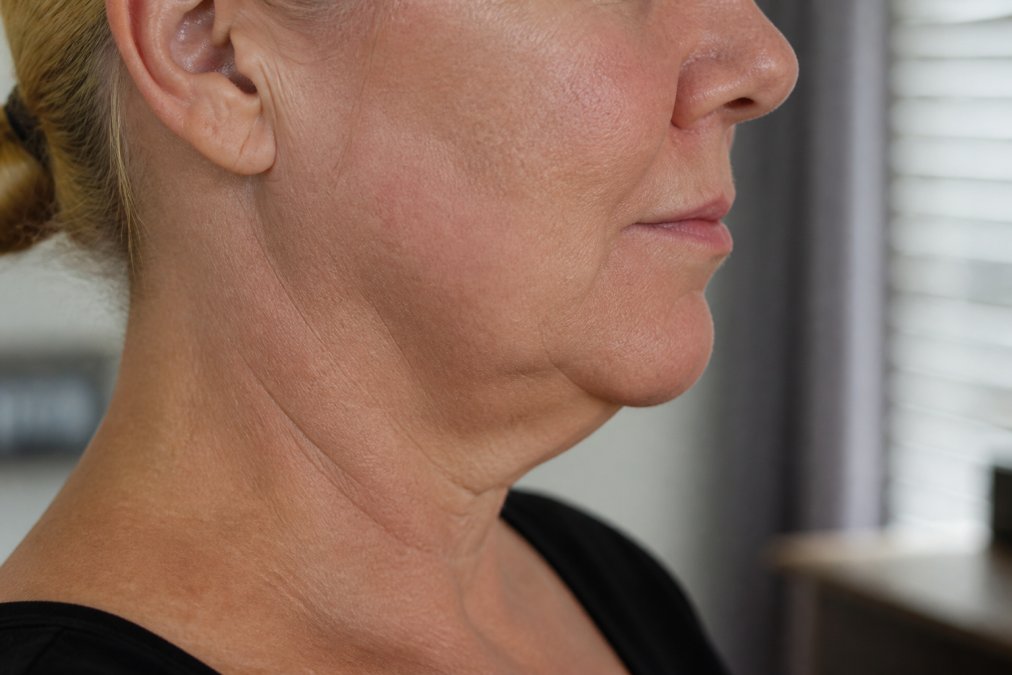
Jowls form when skin loses elasticity and collagen production slows, causing facial tissue to sag along the jawline and neck. This natural aging process accelerates due to sun exposure, gravity, and the breakdown of structural proteins that keep skin firm. The good news: you don't need surgery to address them. Non-invasive facelift options for jowls have evolved dramatically, offering results that approach surgical outcomes without incisions, general anesthesia, or extended recovery periods.
The real question isn't whether non-invasive treatments work, it's which one matches your specific situation. Some target skin laxity directly through collagen stimulation. Others restore lost volume to redefine the jawline. Still others combine multiple technologies to address sagging skin from multiple angles. At SKIN SOLUTIONS BY 2 DIVAS, we understand that jowl correction requires a personalized approach. Our specialists analyze your skin's unique characteristics to recommend treatments that deliver measurable results.
Before exploring specific procedures, understand what you're actually dealing with. Jowls involve three components: loss of skin elasticity, volume depletion in the cheeks and jawline, and sometimes submental fat that shifts downward. Different treatments target different components. A dermal filler addresses volume loss. Ultrasound or radiofrequency tackles skin laxity. Thread lifts provide structural repositioning. The most effective approach often combines treatments, which is why consultation matters more than self-diagnosis.
Ultrasound Skin Tightening: Ultherapy and Sofwave for Jawline Definition
Ultrasound-based treatments use focused energy to heat deep skin layers and trigger collagen remodeling. These devices bypass the surface to work on the foundational structures that support facial contours, making them particularly effective for skin laxity and early jowling.
Ultherapy delivers micro-focused ultrasound energy to the SMAS layer, the deep tissue structure beneath the skin that naturally loosens with age. The heat causes immediate collagen contraction and stimulates neocollagenesis, the body's natural collagen-building process (peer-reviewed research). Results appear gradually over three months as new collagen forms. One treatment typically lasts 1-2 years, making it a solid choice for individuals with mild to moderate skin laxity who prefer a single-session approach.
Sofwave operates at a shallower depth (1.5mm in the mid-dermis) using proprietary SUPERB technology. This makes it ideal for surface-level skin tightening and early jawline definition. The integrated cooling system protects the outer skin layer while the ultrasound heats deeper tissue. Most people need 1-2 treatments spaced weeks apart. Results improve over three months as collagen rebuilds.
The practical difference: Ultherapy goes deeper and works better for pronounced jowling; Sofwave excels at subtle lifting and skin tone improvement. Ultherapy's single-session approach appeals to busy professionals. Sofwave's gentler treatment suits those with sensitive skin or mild concerns.
Radiofrequency Skin Tightening for Jowls: Thermage, Forma, and Morpheus8
Radiofrequency (RF) devices heat tissue to trigger collagen contraction and remodeling. Unlike ultrasound, RF energy spreads across broader areas, making it efficient for full-face or neck treatment. The approach varies by device, so understanding the differences matters.
Thermage FLX uses monopolar radiofrequency to heat the dermis and fibrous tissue. The result: immediate collagen contraction (you see a subtle lift right after treatment) plus gradual collagen remodeling over months. Thermage works best for early sagging and fine lines. One session typically provides results lasting 1-2 years. The downside is cost and the fact that results plateau, it won't dramatically lift severe jowls, but it's excellent for prevention and subtle improvement.
Forma delivers gentler radiofrequency energy in a comfortable, massage-like treatment. Sessions take 20-30 minutes. Results from a single session last about 4 weeks, which means Forma works best as a maintenance treatment or pre-event refresh. Many people do a series of 4-6 treatments spaced 2-3 weeks apart, then maintain with quarterly sessions. It's affordable per session but requires commitment to maintain results.
Morpheus8 combines radiofrequency with microneedling, reaching depths of 4-8mm. This hybrid approach addresses both skin tightening and fat remodeling in the submental area, exactly where jowls form. Morpheus8 delivers more dramatic results than standard RF but requires 3 sessions and involves 2-4 days of downtime (redness, mild swelling). For moderate jowling, Morpheus8 often outperforms single-session RF treatments.
The decision framework: If you have mild skin laxity and want one treatment, choose Thermage. If you prefer affordable maintenance treatments with no downtime, Forma works. If you have moderate jowling and can tolerate brief downtime, Morpheus8 delivers stronger results.
Dermal Fillers for Jowl Correction and Jawline Contouring
Dermal fillers restore volume to the jawline and chin, creating structural support that camouflages jowls. This approach doesn't tighten skin, but it redefines the lower face so jowls appear less prominent.
Hyaluronic acid fillers like Juvederm and Restylane are the standard choice. A skilled injector places filler strategically along the jawline and in the chin to restore the sharp angle that jowls obscure. The result is immediate, you see the improvement in the mirror the same day. Fillers also stimulate the body's own collagen production, providing modest skin tightening over weeks.
The reality of fillers: they address volume loss, not skin laxity. If your jowls stem primarily from sagging skin, fillers alone won't fully solve the problem. But if volume loss in the cheeks and jawline is contributing to the jowled appearance, fillers can make a significant difference. Many people combine fillers with a skin-tightening treatment (ultrasound or RF) for comprehensive results.
Results last 6 months to 2 years depending on the filler type and how quickly your body metabolizes hyaluronic acid. Maintenance requires touch-ups 1-2 times per year. The cost adds up over time, but the flexibility, you can adjust volume, shape, and symmetry at each appointment, appeals to many.
Thread Lifts: Minimally Invasive Lifting Without Surgery
Thread lifts use absorbable sutures (typically made of PDO, polydioxanone) to physically lift and reposition sagging tissue (peer-reviewed research). Tiny barbs on the threads grip tissue, creating an immediate lifting effect. As the threads dissolve over 6-12 months, they stimulate collagen production for longer-term improvement.
A thread lift for jowls involves inserting threads under the skin along the jawline and neck. The procedure takes 30-45 minutes and requires local anesthesia. You'll see immediate lifting, though results improve as swelling resolves over a few days. The collagen-stimulating phase continues for months, providing additional tightening.
Thread lifts occupy the middle ground between non-invasive treatments and surgery. They're minimally invasive, no incisions, no general anesthesia, but they do involve needles and brief downtime (mild bruising, swelling for 3-5 days). Results last 1-3 years depending on how quickly your body absorbs the threads and your skin's natural aging rate.
The advantage over pure non-invasive treatments: thread lifts provide mechanical repositioning, not just collagen stimulation. For moderate jowling, this physical lift can be more dramatic than ultrasound or RF alone. The disadvantage: results are temporary (shorter than surgery) and require repeat procedures to maintain the effect.
Book your appointment today! →
How Long Do Non-Surgical Facelift Results Last and What's the Real Cost?
This is where most guides oversimplify. Results vary wildly depending on the treatment, your skin, your age, and how aggressively you age. Understanding the maintenance reality changes how you budget for non-invasive facelift options for jowls.
Ultrasound treatments (Ultherapy, Sofwave) typically last 1-2 years. Some people see results persist longer; others notice gradual return of laxity after 18 months. The collagen you build doesn't disappear, it just continues aging at your natural rate. Maintenance treatments aren't always necessary, but many people do one every 2-3 years to maintain results.
Radiofrequency skin tightening shows similar longevity. A single Thermage session lasts 1-2 years. Forma's results fade faster (4 weeks per session) unless you do maintenance treatments. Morpheus8 results typically last 12-18 months, with many people repeating the series annually.
Thread lifts last 1-3 years as the threads dissolve and collagen matures. After that, threads are fully absorbed and the lifting effect gradually diminishes. Repeat procedures extend results.
Dermal fillers last 6 months to 2 years depending on the product and your metabolism. Most people need touch-ups 1-2 times annually to maintain volume.
The long-term cost picture: Pricing for non-invasive facelift options for jowls varies depending on the specific treatment, the number of sessions required, and individual needs. For current pricing and a personalized quote, please contact SKIN SOLUTIONS BY 2 DIVAS directly.
The honest assessment: non-invasive facelift options for jowls require ongoing investment. You're not "fixing" jowls permanently, you're managing aging. Some people find this acceptable; others eventually choose surgery because it offers longer-lasting results (10+ years). There's no wrong choice, but knowing the maintenance commitment upfront prevents frustration later.
Choosing Your Non-Invasive Facelift: A Decision Framework
The right treatment depends on four factors: jowl severity, skin type, downtime tolerance, and budget.
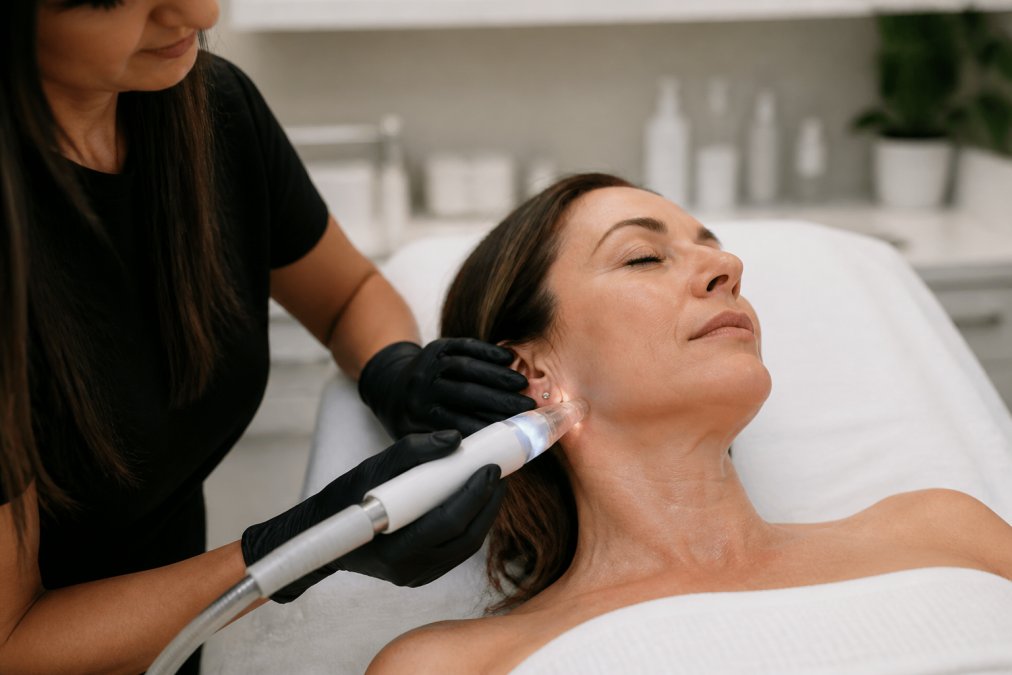
Assess your jowl severity. Mild jowling (barely noticeable sagging, mostly a cosmetic concern) responds well to Forma or Sofwave. Moderate jowling (visible sagging that affects your profile) benefits from Thermage, Ultherapy, or Morpheus8. Severe jowling (pronounced sagging that significantly changes your face shape) may require combining treatments or considering surgery.
Consider your skin type. Sensitive skin tolerates Forma and Sofwave better than Morpheus8. Thick, resilient skin responds more dramatically to aggressive treatments like Morpheus8 or Ultherapy. If you have active acne or rosacea, consult a specialist, some RF treatments can trigger flare-ups.
Evaluate downtime tolerance. No downtime: Forma, Thermage, Sofwave, Ultherapy, dermal fillers. Minimal downtime (1-2 days): thread lifts. Brief downtime (2-4 days): Morpheus8. If your job requires you to look camera-ready, avoid Morpheus8 and thread lifts.
Factor in budget and maintenance. Single-session treatments (Ultherapy, Thermage) have higher upfront costs but lower annual maintenance. Multi-session treatments (Forma, Morpheus8) spread cost over time but require commitment. Fillers offer flexibility but demand ongoing investment.
| Treatment | Jowl Severity | Downtime | Results Duration | Annual Cost |
|---|---|---|---|---|
| Forma | Mild | None | 4 weeks | Varies |
| Sofwave | Mild-Moderate | None | 12-18 months | Varies |
| Thermage | Mild-Moderate | None | 12-24 months | Varies |
| Ultherapy | Mild-Moderate | None | 12-24 months | Varies |
| Morpheus8 | Moderate | 2-4 days | 12-18 months | Varies |
| Thread Lift | Moderate | 3-5 days | 12-36 months | Varies |
| Dermal Fillers | Mild-Moderate | Minimal | 6-24 months | Varies |
The most common mistake is choosing based on price alone. A cheap treatment that doesn't address your specific concern wastes money. The best treatment is the one that matches your jowl severity, fits your lifestyle, and delivers results you'll actually see.
At SKIN SOLUTIONS BY 2 DIVAS, our approach starts with a thorough skin analysis. We assess your skin laxity, volume distribution, and collagen quality to recommend treatments tailored to your unique needs. Rather than pushing the most expensive option, we design a plan that delivers measurable results within your comfort level. Many clients find that combining a skin-tightening treatment with dermal fillers produces superior outcomes compared to either treatment alone.
Jowls don't require surgery to improve. Non-invasive facelift options for jowls have matured into genuinely effective alternatives that deliver visible lifting and tightening. The key is matching the right treatment to your specific situation, jowl severity, skin condition, and lifestyle. Book your appointment with SKIN SOLUTIONS BY 2 DIVAS today to discuss which non-invasive approach will work best for your skin. Our specialists conduct a detailed skin analysis and create a personalized treatment plan designed to help you achieve the jawline definition and skin elasticity you're looking for.
Frequently Asked Questions
Q: What is the best non-invasive procedure for sagging jowls?
A: The best option depends on your skin laxity severity and downtime tolerance. Ultrasound therapy (Ultherapy, Sofwave) works well for mild to moderate laxity with no downtime. Radiofrequency microneedling (Morpheus8) addresses moderate jowling and fat remodeling but requires 2-4 days of downtime. For immediate contouring without lifting, dermal fillers restore jawline volume. A skin analysis by a qualified specialist helps determine which non-invasive facelift option suits your specific needs.
Q: How long do non-surgical facelift results last?
A: Results vary by treatment type. Ultrasound therapy lasts 1-2 years; radiofrequency treatments last 6-18 months depending on the technology; dermal fillers last 6 months to 2 years; thread lifts last 1-3 years as the threads dissolve. Most patients benefit from maintenance sessions annually or every 6-12 months to sustain results. Long-term cost of ownership depends on your chosen treatment and how often you repeat sessions.
Q: Can dermal fillers actually fix jowls, or do they just hide them?
A: Dermal fillers address jowls by restoring lost volume in the jawline and chin area, creating structural support and definition that camouflages sagging. However, fillers do not tighten skin laxity directly, they work best when combined with skin-tightening treatments like radiofrequency or ultrasound for comprehensive lower face rejuvenation. Fillers are ideal for patients with volume loss but mild skin laxity.
Q: Do I need to commit to ongoing treatments, or can I see lasting results from one session?
A: Most non-invasive facelift treatments require a series for optimal results or maintenance. Ultrasound therapy (Ultherapy) often delivers results from a single session lasting 1-2 years. Radiofrequency treatments typically need 3-6 sessions. Dermal fillers require touch-ups every 6-18 months. The key is understanding your long-term financial commitment upfront and discussing maintenance schedules with your provider before starting treatment.
This article was written using GrandRanker