 comparison
Hydrating vs Anti-Aging Facial: Which Do You Need?
Last Updated: October 24, 2026
Quick Summary
The hydrating vs anti-aging facial difference is what each is built to fix: hydrating facials restore water to thirsty skin for a plumped, dewy finish, while anti-aging facials target structural changes like fine lines, laxity, and uneven tone. Hydration gives fast but temporary results; anti-aging results build over a series of appointments.
- A hydrating facial can reduce the look of fine lines by 15%-20%, but the effect is cosmetic and temporary.
- Dry skin lacks oil, dehydrated skin lacks water, and age-related changes involve collagen and elasticity decline.
- Retinoids and AHAs do structural and textural work, antioxidants defend, and humectants plump.
- For hydration, book every four to six weeks; for anti-aging, start with a short series spaced a few weeks apart.
- Tell your esthetician about prescription retinoid use, since layering professional actives on top is the most common cause of irritation.
Table of Contents
- Hydrating vs Anti-Aging Facial: The Core Difference
- Dehydrated Skin vs Dry Skin vs Age-Related Changes
- Hydrating Facial Benefits: What You Can Expect
- Anti-Aging Facial Ingredients That Do the Work
- Facial for Fine Lines and Wrinkles: What Actually Helps
- How Often to Get a Facial for Your Skin Goals
- Which Facial Fits Your Skin? A Selection Framework
- Book a Custom Facial Assessment in Sebring
- Frequently Asked Questions
Hydrating vs Anti-Aging Facial: The Core Difference
The difference between hydrating and anti-aging facials comes down to what each one is built to fix: hydration treatments restore water to thirsty skin, while anti-aging treatments target structural changes like fine lines, laxity, and uneven tone.
Here's the part most guides skip. A hydrating facial can smooth the look of fine lines within days, but that effect is temporary. According to a review in PMC on skin care in aging women, moisturizers can immediately reduce the appearance of fine lines by 15%-20%, and the authors are careful to call this cosmetic rather than a way to prevent aging. Read that twice.
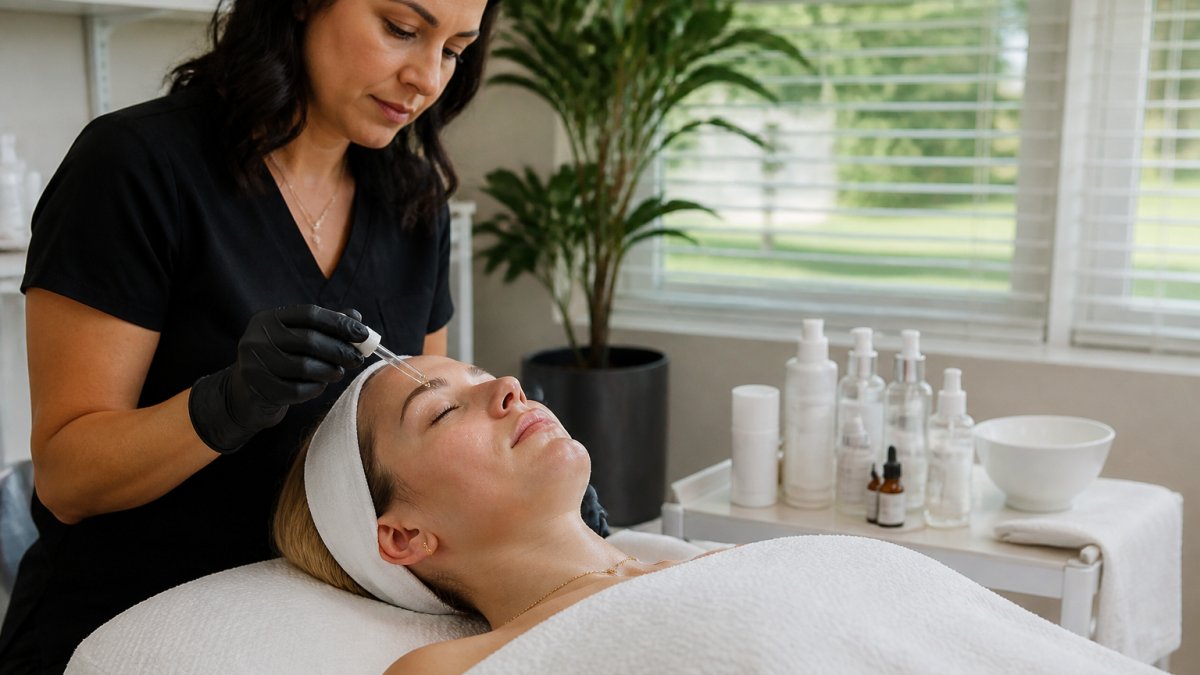
Below, we break down what each facial does, who it suits, and how to choose without wasting money on the wrong appointment.
What a Hydrating Facial Does
A hydrating facial is a moisture-focused treatment that pulls water into the upper layers of skin and reinforces the barrier that holds it there. Expect cleansing, gentle exfoliation, humectant-rich serums, a mask, and a finishing moisturizer. The goal is comfort and a plumped, dewy finish, not structural change.
What an Anti-Aging Facial Targets
An anti-aging facial addresses visible aging: fine lines, wrinkles, dullness, loss of elasticity, and uneven tone. These treatments lean on active ingredients such as retinoids and vitamin C, and often include facial massage to support circulation. Results build over a series of appointments rather than one visit.
Dehydrated Skin vs Dry Skin vs Age-Related Changes
These three get confused constantly, and the mix-up leads people to book the wrong treatment. Dry skin lacks oil. Dehydrated skin lacks water, and it can happen to oily skin too. Age-related changes are different again: collagen and elasticity decline over time, which is a structural shift no moisturizer reverses.
Here's a quick way to tell them apart:
- Dry skin: rough, flaky patches, feels tight after cleansing, often worse in winter
- Dehydrated skin: dull, crepey texture, fine lines that appear sharper in the afternoon, skin that drinks up moisturizer fast
- Age-related changes: lines that stay put, sagging along the jaw, sun spots and discoloration that deepen over years
If your lines vanish after a good moisturizer, you are likely dehydrated. If they linger, you are looking at something an anti-aging approach should handle.
Hydrating Facial Benefits: What You Can Expect
Hydrating facial benefits show up fast. Most people leave with a plumper, brighter complexion, and the effect is visible within days rather than weeks. That makes hydration the better choice before an event, during a stressful stretch, or any time skin looks tired and flat.
What you will not get is a permanent fix. Hydration supports the skin barrier and improves texture and radiance, but it does not rebuild collagen. Think of it as maintenance with an instant payoff. To keep the results going between visits, our guide on how to maintain facial results at home covers the routine that does the most work.
Anti-Aging Facial Ingredients That Do the Work
Anti-aging facial ingredients are where these treatments earn their name, but the label on a serum bottle tells you less than the mechanism behind it. A professional treatment layers actives in a sequence your skin can tolerate, and the evidence for each ingredient varies widely. Here is what the research actually supports, and how a practitioner decides what goes on your skin first.
| Ingredient | Mechanism | Evidence Strength | Best For | Watch Out |
|---|---|---|---|---|
| Retinoids | Bind retinoid receptors to speed cell turnover and support collagen production over months | Strong for fine lines and texture; prescription-strength has the most data | Fine lines, texture, acne | Irritation, peeling, sun sensitivity, start low and slow |
| Vitamin C (L-ascorbic acid) | Antioxidant that neutralizes free radicals and supports collagen synthesis | Moderate; best when stabilized and paired with vitamin E and ferulic acid | Dullness, discoloration, daily defense | Can sting on sensitive skin; degrades with light and air |
| Hyaluronic acid | Humectant that holds many times its weight in water in the upper layers | Strong for short-term plumping; temporary | Dehydration, crepey texture | Effect fades within days; not a structural fix |
| Peptides | Signal fragments that prompt the skin's own repair processes | Moderate but ingredient-specific; results are gradual | Early aging, firmness | Slow; formula quality varies enormously |
| Niacinamide | Supports barrier lipids and calms visible redness | Good for tone and barrier support | Sensitive, reactive, oily skin | Rare flushing at high concentrations |
| Alpha hydroxy acids (AHAs) | Loosen dead cells on the surface to improve texture and tone | Strong for surface texture and dullness | Dullness, rough texture | Overuse compromises the barrier; sun sensitivity |
A review of skin anti-aging strategies in PMC describes skin aging as a complex process shaped by both internal and external factors, which is why a single ingredient rarely solves everything. The practical takeaway: retinoids and acids do the structural and textural work, antioxidants defend, and humectants plump. A well-built anti-aging facial sequences them so the barrier stays intact, cleansing, then exfoliation, then actives, then barrier support.
At Skin Solutions by 2 Divas in Sebring, FL, we check your current routine and tolerance before choosing which actives go on your skin, because the right ingredient in the wrong order is how facials go wrong.
Facial for Fine Lines and Wrinkles: What Actually Helps
A facial for fine lines and wrinkles works best when it matches the cause. Lines from dehydration respond to hydration and plumping. Lines from sun damage and collagen loss respond to retinoids, vitamin C, and consistent professional care over months.
Watch out: booking one anti-aging facial and expecting permanent smoothing is the most common disappointment we see. Actives need repeated sessions to show change, and results fade if you stop. The honest expectation is gradual improvement across a series, not a one-visit transformation.
Book your appointment today! →
How Often to Get a Facial for Your Skin Goals
How often to get a facial depends on your goal. For hydration, every four to six weeks keeps skin comfortable and glowing. For anti-aging, a short series spaced a few weeks apart builds results, then maintenance every month or two holds them.
Timing matters as much as frequency. If you have an event coming up, a hydrating facial a few days before gives you the freshest finish. Anti-aging work needs a longer runway, so start months ahead rather than weeks. Our article on how long anti-aging facial results last breaks down what to expect between appointments.
Which Facial Fits Your Skin? A Selection Framework
Most guides stop at "dry means hydration, aging means anti-aging." That advice breaks down the moment you have oily but dehydrated skin, sensitive skin with fine lines, or a big event in two weeks. Use this framework to decide, and to know when to ask a professional instead of guessing.
Step 1: Name the concern, not the age. Age alone does not determine the right facial. A 28-year-old with sun damage may need anti-aging actives; a 55-year-old with a compromised barrier may need hydration first.
Step 2: Check your skin type and barrier. Sensitive, reactive, or recently exfoliated skin usually does better starting with hydration and barrier support.
Step 3: Set your timeline. Days to an event means hydration for an immediate plump finish. Months means anti-aging, because actives need repeated sessions to show change.
Step 4: Review safety and contraindications. Tell your esthetician about active acne, rosacea, eczema, pregnancy, or prescription retinoid use. Some actives are paused during pregnancy, and compromised skin needs barrier support before anything stronger.
Step 5: Decide whether to combine or sequence. Hydration and anti-aging facials can be combined, but not stacked carelessly.
For a deeper walkthrough of matching treatments to concerns, read how to choose the right facial for your skin concerns. At Skin Solutions by 2 Divas in Sebring, FL, we run through these steps in person so the recommendation fits your skin, not a category.
Book a Custom Facial Assessment in Sebring
Choosing between hydrating and anti-aging facials is easier when someone actually looks at your skin. At Skin Solutions by 2 Divas in Sebring, FL, every appointment starts with a thorough skin analysis so we can tell whether you are dealing with dehydration, dryness, or age-related change, then build a custom corrective facial around it. We target aging, acne, and hyperpigmentation with a results-driven plan, not a one-size-fits-all menu.
You can meet the 2 Divas behind the studio and see who will be treating your skin, then book an appointment when you are ready. We work by appointment only, which keeps every visit personal.
Frequently Asked Questions
What is the difference between a hydrating facial and an anti-aging facial?
A hydrating facial focuses on restoring moisture and comfort, using humectants and soothing ingredients to plump dehydrated skin. An anti-aging facial targets concerns like fine lines, dullness, and loss of elasticity, often with retinoids, peptides, and antioxidants. A comparison guide notes hydrating facials suit tight, dry, or flaky skin, while anti-aging facials address mature-skin texture. The two goals can overlap, and a custom treatment plan can combine both.
Can a facial be both hydrating and anti-aging?
Yes. Hydration can be part of anti-aging care, and many anti-aging facials include hydrating steps. A comparison source notes hydrating and anti-aging facials are not mutually exclusive. At Skin Solutions by 2 Divas in Sebring, FL, a thorough skin analysis determines whether your session should lean toward moisture repair, collagen support, or a blend of both based on your skin concerns.
How do I know whether my skin needs hydration or anti-aging care?
Dehydrated skin often feels tight, looks dull, and shows fine lines that fade after moisturizing. Age-related changes include persistent lines, loss of elasticity, and uneven tone. A review in PMC notes moisturizers can temporarily reduce the appearance of fine lines by 15%-20%, but that is an appearance effect, not prevention. A professional skin assessment separates dehydration from true aging so you choose the right treatment.
How often should you get a hydrating or anti-aging facial?
Frequency depends on your skin type and goals. Hydrating facials can be a one-time treatment before an event, while anti-aging or brightening treatments may involve a greater investment of time, according to a comparison source. Many people schedule maintenance sessions every four to six weeks. A custom plan from Skin Solutions by 2 Divas in Sebring, FL, sets a realistic cadence based on your skin analysis and concerns.
How long do the results of a hydrating facial last?
Hydrating facials can show results within days, though the effect is temporary. Consumer Reports distinguishes timing: hydrating products may show results quickly, while retinoids, vitamin C, and treatments for pigmentation or wrinkles often require longer. To extend results, pair professional facials with at-home moisturizing and sun protection. A skin assessment helps set expectations for how long your specific results may last.
The hardest part is not picking a facial. It is knowing which one your skin actually needs before you spend money guessing. Skin Solutions by 2 Divas removes that guesswork with a full skin analysis, custom corrective facials built around your concerns, and a results-driven plan that targets aging, acne, and hyperpigmentation together. Get started with Skin Solutions by 2 Divas and book your custom facial assessment in Sebring.