 comparison
Comparing HydraFacial and Microdermabrasion for Brides
Table of Contents
- HydraFacial vs Microdermabrasion for Brides: The Quick Comparison
- What Is a HydraFacial?
- What Is Microdermabrasion?
- Building a Bridal Facial Timeline Around Your Wedding Date
- Downtime, Recovery, and Makeup Application
- Which Treatment Suits Your Skin Type and Concerns?
- Custom Corrective Facials for Brides: A Personalized Alternative
- Conclusion: Choosing Your Bridal Skin Treatment
- Frequently Asked Questions
Last Updated: October 3, 2026
HydraFacial vs Microdermabrasion for Brides: The Quick Comparison
The right choice depends less on which treatment is "better" and more on how many weeks you have left. Below, we compare both side by side, flag the downtime nobody warns you about, and show how to time each one.
American Academy of Dermatology guidance on exfoliation and skin resurfacing
How the Two Treatments Differ at a Glance
| Factor | HydraFacial | Microdermabrasion |
|---|---|---|
| Method | Vortex-fusion wand with serum infusion | Diamond-tip or crystal abrasion |
| Downtime | None; makeup same day | Redness for a day or two |
| Best for | Hydration, glow, congestion | Rough texture, sun spots, fine lines |
| Sessions before wedding | 1-3, spaced monthly | 3-6, spaced 2-4 weeks apart |
| Sensitive skin | Usually well tolerated | Patch test advised first |
What Is a HydraFacial?
A HydraFacial is a non-invasive, multi-step facial that cleanses, exfoliates, extracts, and hydrates the skin in a single session using a patented vortex-fusion wand that lifts dead skin cells while pushing hydrating serums into the skin.
Vortex-Fusion Technology and Serum Infusion
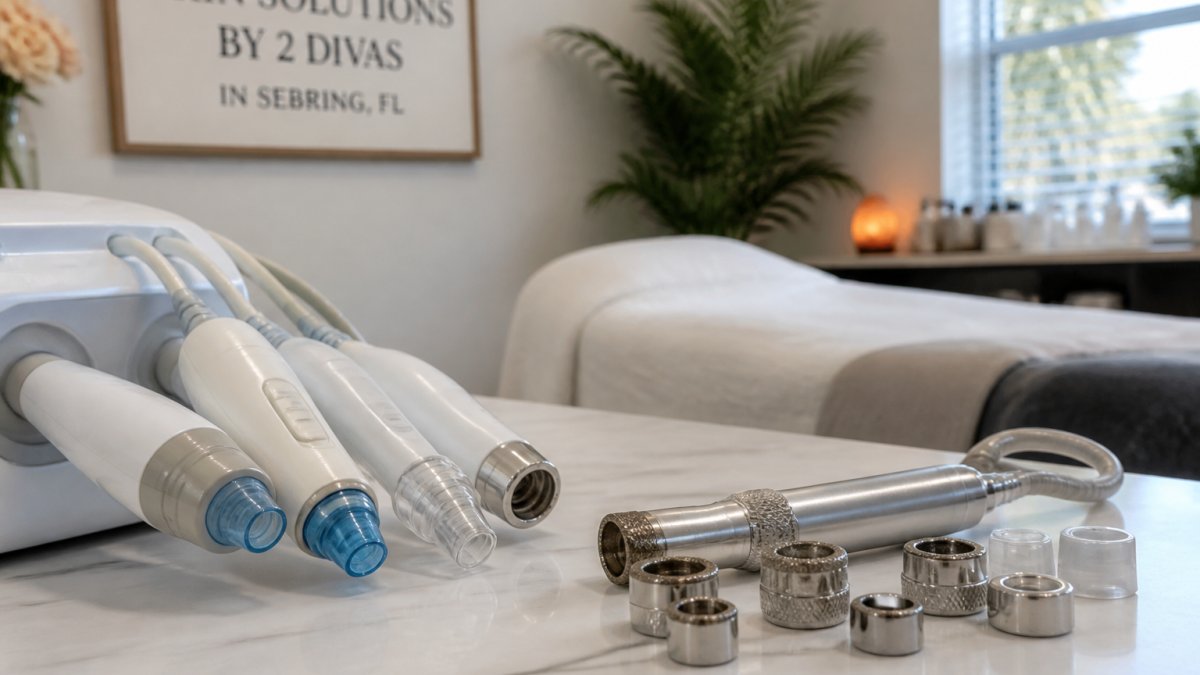
The vortex-fusion handpiece does two jobs at once: it creates a swirling suction that clears pores, then delivers serum infusion in the same pass.
For brides, the appeal is simple: skin looks plump, glow appears quickly, and you can wear makeup the same day. Ask about current pricing when you book, since it varies by provider and add-ons.
What Is Microdermabrasion?
Microdermabrasion is a mechanical exfoliation treatment that removes the top layer of dead skin cells using either a diamond-tip wand or a stream of fine crystals. It is one of the older, well-established forms of skin resurfacing and remains effective for smoothing texture.
Diamond-Tip and Crystal Abrasion Methods
Both methods work by physical abrasion. The diamond-tip version drags a textured wand across the skin; the crystal version blasts fine particles and vacuums them away.
Microdermabrasion softens rough patches, fades the look of sun spots, and can improve fine lines over a series of sessions. The downside is recovery: expect temporary redness or sensitivity, so plan it weeks out, not days before your wedding.
Building a Bridal Facial Timeline Around Your Wedding Date
A facial timeline does not exist in a vacuum. Your skin is also dealing with injectables, waxing, hair color, and a makeup trial, each with its own recovery window.
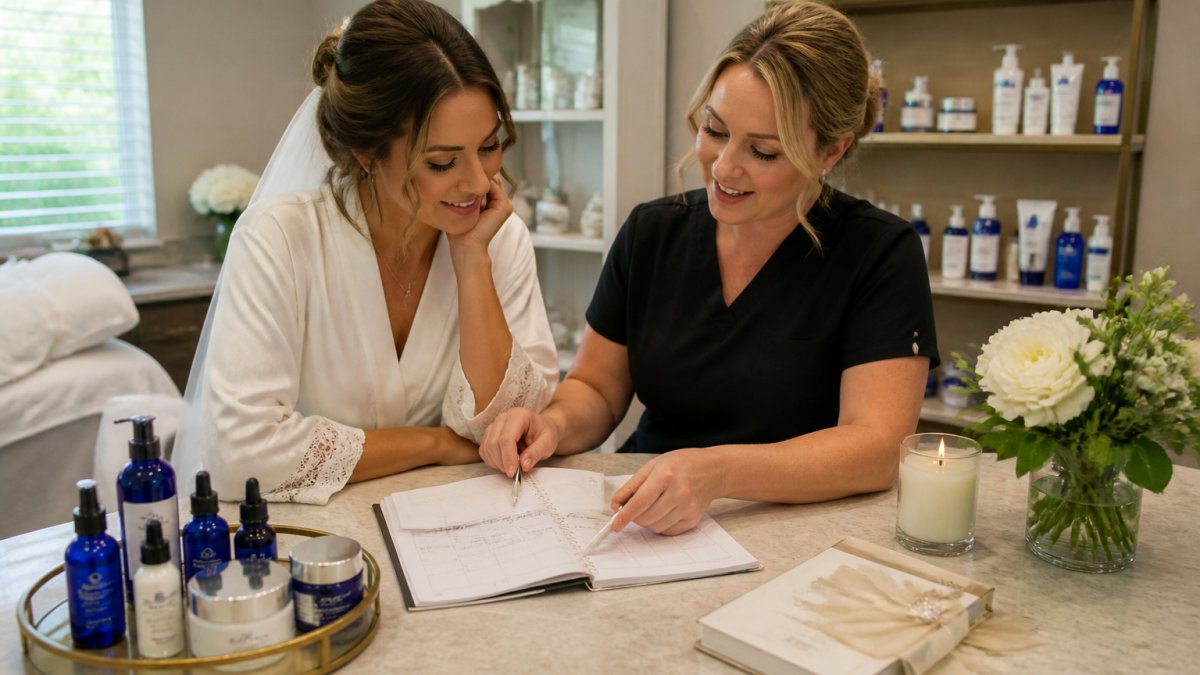
Here is the six-month roadmap we walk through with brides at SKIN SOLUTIONS BY 2 DIVAS in Sebring, FL.
Six Months Out: Establish Your Baseline
This is the window for anything corrective. If texture, sun spots, or fine lines are your main concern, start a microdermabrasion series now, three to six sessions spaced two to four weeks apart.
Injectables belong here too. Botox takes full effect in about two weeks and lasts three to four months, so a six-month-out session will wear off before the wedding; most brides use it as a trial run and schedule their "real" Botox three to four months out.
Three Months Out: Shift to Maintenance
Switch to HydraFacial for monthly maintenance. It builds radiance without disrupting the skin barrier and plays nicely with Botox and fillers because there is no downtime and no pressure on treated areas.
This is also when most brides do their makeup trial. Schedule it at least three to five days after a HydraFacial, never right after microdermabrasion, so your artist sees your skin at its normal baseline.
Four to Six Weeks Out: Final Corrective Session
If microdermabrasion is part of your plan, this is the last session. It leaves enough room for redness and flaking to fully resolve. Any waxing or dermaplaning should also be tested in this window, not saved for the week of.
Avoid scheduling chemical peels here unless your provider specifically clears it.
Two Weeks Out: HydraFacial Only
One HydraFacial at the two-week mark gives you a visible glow with zero recovery risk. Skip anything aggressive, and if you have never had one, do not make this your first, test it at three months out instead.
One Week Out: Hydration and Calm
A gentle HydraFacial is still safe here for most skin types, but the goal shifts from results to maintenance: no extractions, no strong acids, no new products. If your skin is reactive, skip this session and stick to your home routine.
Three Days Out: Nothing Aggressive
Hydration only. No facials, no peels, no waxing on the face, no new products. This is the window where a reaction has no time to resolve.
The Day Before and Day Of
Nothing new. No facials, no masks you have not used before, no exfoliation. Cleanse, moisturize, sunscreen. Let your makeup artist work with calm, hydrated skin.
Where This Fits With Everything Else
A quick sequencing rule: corrective treatments early, injectables in the middle, facials late, and nothing new in the final two weeks. Waxing and dermaplaning sit in the four-to-six-week window for a test and again five to seven days out. Hair color and cuts land one to two weeks out. When in doubt, move a treatment earlier, recovery time is the one thing you cannot buy back.
Downtime, Recovery, and Makeup Application
Downtime is the biggest difference between the two, and it directly affects how your makeup applies. HydraFacial carries no downtime; microdermabrasion requires a short recovery window.
After a HydraFacial, skin is calm and hydrated: you can apply makeup the same day, and foundation sits smoothly because the skin barrier is intact.
Book your appointment today! →
If your makeup trial falls close to a treatment, schedule it after a HydraFacial, not microdermabrasion.
Which Treatment Suits Your Skin Type and Concerns?
Most bridal guides stop at "sensitive skin? go gentle." What actually matters is matching the treatment to your dominant concern, then spacing sessions so your skin barrier is intact on the wedding day. Below is the choose-your-path protocol we use at SKIN SOLUTIONS BY 2 DIVAS in Sebring, FL.
Path 1: Acne-Prone or Congested Skin
Active breakouts change the calculus. Microdermabrasion's physical abrasion can spread bacteria and irritate inflamed lesions, so it is usually the wrong call while you are breaking out. HydraFacial's vortex extraction clears congestion without scrubbing the surface, and the serum step can be customized with salicylic or glycolic options.
A common pattern: monthly HydraFacial sessions starting three to four months out, tapering to one session seven to ten days before the wedding.
Path 2: Dry, Dull, or Dehydrated Skin
This is HydraFacial's home turf. The serum infusion step delivers hydrating ingredients, hyaluronic acid, peptides, antioxidants, right after exfoliation, when skin is most receptive. Brides with dry skin often see the biggest visible jump in the first 48 hours.
Microdermabrasion can still help with flaking surface cells, but it does nothing for hydration and can leave tight, parched skin feeling tighter. If dryness is your main issue, skip microdermabrasion entirely and build a HydraFacial series instead.
Path 3: Sun Damage, Sun Spots, and Uneven Tone
Surface-level discoloration is where microdermabrasion earns its keep. Three to six sessions spaced two to four weeks apart gradually lift pigmented surface cells. The catch: results build slowly, so this path only works if you start at least four to five months out.
Deeper pigment, melasma, hormonal discoloration, may not resolve with either treatment alone. Those cases usually need a dermatologist-guided plan that may include prescription topicals or chemical peels.
Path 4: Fine Lines and Early Aging
Both treatments help, through different mechanisms. Microdermabrasion stimulates collagen through controlled physical injury; HydraFacial improves radiance and hydration, softening the look of fine lines without remodeling the skin. For texture and crepiness, a hybrid approach works well: microdermabrasion early for resurfacing, HydraFacial in the final month for glow.
Path 5: Sensitive or Reactive Skin
Start with a patch test, no exceptions. HydraFacial's exfoliation level is adjustable and generally better tolerated, but "gentler" is not "safe for everyone." Rosacea, eczema, and active dermatitis are reasons to pause both treatments and get a professional skin analysis first.
The One Rule That Overrides Every Path
If your skin is actively inflamed, broken out, or reacting to a new product, no treatment is the right treatment that week. Calm the barrier first, then resume. A calm, slightly less polished complexion photographs better than a fresh treatment reaction.
Custom Corrective Facials for Brides: A Personalized Alternative
Not every bride fits neatly into a HydraFacial or microdermabrasion box.
We begin with a thorough skin analysis for every client, then build a personalized plan around your concerns: acne, aging, hyperpigmentation, or all three at once.
If you have tried facials elsewhere and nothing stuck, the difference usually comes down to diagnosis. A generic treatment applied to the wrong concern will not move the needle.
Conclusion: Choosing Your Bridal Skin Treatment
Most brides wait until two months out, then scramble for a fix a single facial cannot deliver. Skin responds to consistency, not last-minute heroics.
At SKIN SOLUTIONS BY 2 DIVAS, we build that plan around you. Our custom corrective facials start with a thorough skin analysis, target concerns like acne, aging, and hyperpigmentation, and use high-quality ingredients for results you can see.
Book your appointment today and walk into your wedding with skin you feel confident in.
Frequently Asked Questions
Should I get a HydraFacial or microdermabrasion before my wedding?
It depends on your skin and timeline. A HydraFacial combines vortex-fusion cleansing with serum infusion, so it delivers hydration-focused results with zero downtime, making it a strong pick for the week of the wedding. Microdermabrasion uses diamond-tip or crystal abrasion to mechanically exfoliate dead skin cells, which smooths rough texture and fine lines but can leave temporary redness. Brides with sensitive or acne-prone skin often do better with a HydraFacial, while those targeting stubborn texture may prefer microdermabrasion earlier in their bridal facial timeline.
How far in advance should a bride schedule her first facial?
Start three to six months before the wedding. This gives you room for a dermatological consultation or skin analysis, a test treatment, and a series spaced four to six weeks apart. A common bridal facial timeline is: corrective sessions early, then a HydraFacial or gentle resurfacing treatment seven to ten days before the ceremony, with nothing new in the final week. If you have acne, hyperpigmentation, or fine lines, more lead time lets your aesthetician adjust the plan between sessions.
Is HydraFacial better than microdermabrasion for sensitive skin?
For most sensitive or reactive skin, yes. HydraFacial's vortex-fusion technology and serum infusion are non-invasive and generally well tolerated, with no expected downtime. Traditional microdermabrasion relies on mechanical exfoliation, which can trigger redness or irritation in reactive skin types. That said, a trained provider can adjust microdermabrasion intensity. The safest route is a professional skin analysis so the treatment matches your skin barrier and sensitivity level rather than a one-size-fits-all approach.
Can Skin Solutions by 2 Divas help me choose the right bridal treatment?
Yes. Skin Solutions by 2 Divas in Sebring, FL offers custom corrective facials for brides, starting with a thorough skin analysis to identify concerns like acne, hyperpigmentation, or fine lines. From there, the team builds a personalized plan that may include HydraFacial-style hydration, gentle resurfacing, or a combination, timed to your wedding date. Because appointments are by request only, you get focused, one-on-one guidance on treatment frequency, post-procedure care, and makeup application timing.
What are the recovery times for bridal facial treatments?
HydraFacial is typically zero downtime: you can wear makeup the same day, which suits pre-wedding prep. Microdermabrasion may cause mild redness or sensitivity for a few hours to a day, so schedule it at least a week before any event. Post-procedure care matters either way: use gentle cleansers, moisturize, and apply sunscreen daily. Avoid scheduling a first-time treatment within seven days of the wedding in case your skin needs extra recovery time.