 ultimate-guide
Dermatologist Recommended Skincare Routine for Acne
Table of Contents
- Understanding Acne-Prone Skin and Dermatologist Recommended Approaches
- Building Your Morning Skincare Routine for Acne
- Evening Skincare Routine for Acne Treatment
- How to Layer Acne Products Correctly
- Key Ingredients in Dermatologist Recommended Acne Routines
- How Long Acne Treatments Take to Work
- Adapting Your Routine: Acne Type, Sensitivity, and Special Circumstances
- Professional Support: When to Seek Dermatology Care
- Frequently Asked Questions
Last Updated: October 8, 2026
Understanding Acne-Prone Skin and Dermatologist Recommended Approaches
A dermatologist recommended skincare routine for acne isn't one-size-fits-all. Acne-prone skin responds differently depending on breakout type, sensitivity level, and which actives it tolerates.
The most effective routines share common elements: gentle cleansing, targeted actives, proper moisturization, and sun protection, whether you're dealing with hormonal acne, bacterial breakouts, or congestion-prone skin.
Your acne type determines which ingredients help most.
Timelines matter too.
Building Your Morning Skincare Routine for Acne
Your morning routine should be quick while protecting skin from environmental stressors and preventing breakouts.
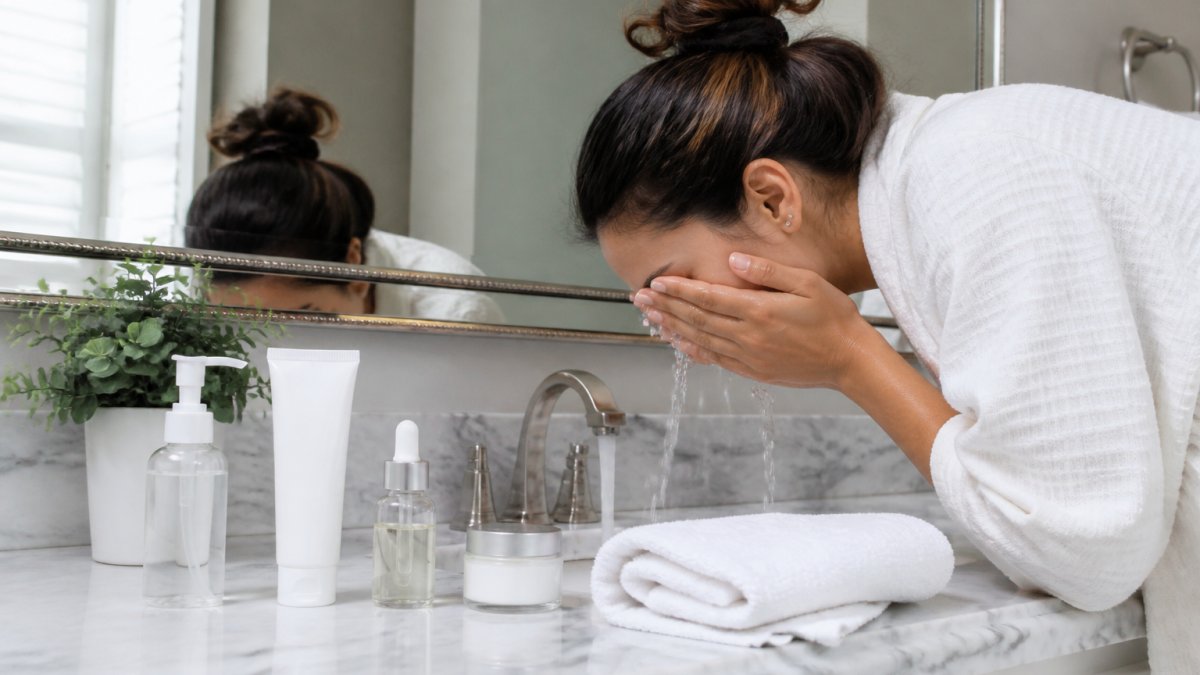
Step 1: Gentle Cleanse
Start with a gentle cleanser for acne-prone skin. Harsh cleansers strip your barrier, triggering more oil and irritation.
Massage onto damp skin for 30-60 seconds, focusing on congestion-prone areas, then rinse and pat dry.
A fragrance-free, non-comedogenic cleanser is safest. Look for ceramides or glycerin, which cleanse without stripping.
Step 2: Apply Active Ingredients
After cleansing, apply your active. Salicylic acid goes on completely dry skin, water reduces its effectiveness. Wait 1-2 minutes before the next step.
Benzoyl peroxide goes on as a thin layer over problem areas.
Don't layer multiple actives in the morning. One targeted ingredient is more effective than combining several.
Step 3: Moisturize and Protect
This step is non-negotiable, even for oily skin, dehydrated skin overproduces oil, worsening breakouts. Choose a lightweight, oil-free moisturizer with niacinamide or peptides.
Finish with sunscreen. Sun exposure darkens post-acne marks and can trigger hormonal acne. Use a mineral or hybrid SPF 30+ that won't irritate inflamed skin.
Evening Skincare Routine for Acne Treatment
Your evening routine is where deeper treatment happens, skin's repair processes peak at night.
Step 1: Remove Makeup and Cleanse
If you wear makeup, start with a remover or oil cleanser, then follow with your gentle cleanser.
Double-cleansing matters most if you wear foundation or concealer over acne, incomplete removal traps bacteria.
Step 2: Treatment Actives
Evening is when you can use stronger or multiple actives.
Start with retinol 0.25-0.3% once or twice weekly, increasing as your skin adapts. Initial irritation and purging typically subside after 4-6 weeks.
If rotating actives, try salicylic acid Monday and Wednesday, benzoyl peroxide Tuesday and Thursday, and retinol Friday and Saturday, leaving recovery days.
Step 3: Nourish and Repair
Use a richer evening moisturizer than your morning one, skin loses more moisture overnight, and a nourishing formula supports barrier repair.
Consider a serum with vitamin C or niacinamide for post-inflammatory discoloration. Both layer well with acne actives.
How to Layer Acne Products Correctly
Layering order determines how well products work.
Wait 1-2 minutes between layers, especially after actives, to allow absorption and prevent pilling.
Never apply actives to wet skin unless directed, water dilutes them or causes irritation. Niacinamide serums are the exception.
A common mistake is over-applying. A pea-sized amount of active covers your entire face, more increases irritation without improving results.
Key Ingredients in Dermatologist Recommended Acne Routines
Salicylic Acid and Pore-Clearing Benefits
Salicylic acid is a beta hydroxy acid that penetrates pores to dissolve sebum and dead skin cells.
Concentrations of 0.5-2% work for most people. Start low and increase gradually, it can cause dryness and sensitivity, especially combined with other actives.
Use it 2-3 times weekly initially, increasing to daily only if well tolerated. Discontinue if redness, peeling, or irritation persists.
Benzoyl Peroxide and Bacterial Control
Benzoyl peroxide kills acne-causing bacteria and reduces inflammation, one of the few acne ingredients with decades of clinical evidence.
Concentrations of 2.5-5% work for most people; higher isn't more effective and increases irritation.
Book your appointment today! →
Use it 1-2 times daily depending on tolerance. It pairs well with salicylic acid but can be drying with retinoids, so introduce gradually.
Supporting Actives: Niacinamide, Retinol, and Vitamin C
Niacinamide reduces sebum, strengthens the barrier, and fights inflammation. It's gentle enough for daily use alongside any other acne treatment.
Retinol increases cell turnover and reduces sebum.
Vitamin C is an antioxidant that brightens post-inflammatory discoloration and supports collagen. Stabilized forms (L-ascorbic acid, magnesium ascorbyl phosphate) outperform unstable versions.
How Long Acne Treatments Take to Work
Patience is the hardest part of any acne routine. Track three things weekly: new breakouts, severity of existing ones, and how your skin feels. Photograph your face in the same lighting every Sunday. Progress is rarely linear, and weekly tracking keeps you from misreading a normal adjustment period as failure.
A Week-by-Week Introduction Schedule
A staged rollout prevents the irritation cycle that derails routines:
- Weeks 1-2: Gentle cleanser, lightweight moisturizer, and sunscreen only. This establishes your baseline before any active is added.
- Weeks 3-4: Add one active at the lowest effective concentration, for example, 2% salicylic acid two or three nights per week. Keep everything else unchanged.
- Weeks 5-6: If your skin is calm, increase that active to every other night. If you see dryness or stinging, hold at the previous frequency for two more weeks.
- Weeks 7-8: Introduce a second active on alternate nights, benzoyl peroxide 2.5% pairs well with salicylic acid. Never stack two new actives in the same week.
- Weeks 9-12: Add a retinoid at 0.25-0.3% once weekly, on a night when no other active is used. Increase to twice weekly only after two calm weeks.
This schedule is deliberately slow. Rushing it is the most common reason a routine that should work instead causes a flare.
Realistic Timelines by Ingredient
- Salicylic acid: Initial pore-clearing effects appear within 2-3 weeks; full benefit takes 8-12 weeks.
- Benzoyl peroxide: Bacterial reduction begins within days, but visible improvement in inflammatory lesions takes 4-6 weeks.
- Retinoids (retinol and prescription forms): 8-16 weeks, because they gradually increase cell turnover. An initial purge is common in weeks 2-6 and usually subsides by week 8.
- Niacinamide: Barrier and oil-control benefits build over 4-8 weeks, rarely with a purge.
- Azelaic acid: Often improves inflammatory and post-inflammatory marks over 8-12 weeks.
What Progress Actually Looks Like
Improvement usually arrives in this order: less inflammation, then fewer new lesions, then fading marks, and finally texture and scarring changes. Fewer new breakouts at eight weeks with the same old marks is still progress.
When to Adjust vs. When to Wait
Hold steady if you see gradual improvement, even slow. Adjust downward, fewer nights, lower concentration, if stinging, peeling, or redness lasts more than a few days.
If you'd rather not guess your way through the schedule, Skin Solutions by 2 Divas in Sebring, FL offers professional skin analysis and corrective facial treatments that pair with a home routine.
Adapting Your Routine: Acne Type, Sensitivity, and Special Circumstances
One routine doesn't fit every face. The biggest mistake in acne care is applying a cystic-acne protocol to mild blackheads, or a gentle maintenance routine to nodular breakouts. Match intensity to your acne type and severity, then adjust for sensitivity and life stage.
Routine Variations by Acne Type
Comedonal acne (blackheads and whiteheads). The problem is congestion, not inflammation.
Mild inflammatory acne (papules and small pustules). Add benzoyl peroxide 2.5% in the morning and keep salicylic acid at night, alternating rather than stacking.
Cystic and nodular acne. Deep, painful lesions that don't come to a head rarely respond to topicals alone.
Hormonal acne (jawline, chin, cyclical flares). Topicals help, but consistency and, often, prescription support matter more.
Sensitive Skin and Reactive Acne
If your skin reacts to most products with redness or burning, strip back to a gentle cleanser, moisturizer, and sunscreen for 2-3 weeks. Once stable, add one active at the lowest concentration, waiting 1-2 weeks between additions. Niacinamide is often the safest first active. Once tolerated, try salicylic acid at 0.5% before going higher.
Pregnancy, Breastfeeding, and Safe Treatments
Pregnancy and breastfeeding change which ingredients are appropriate. High-concentration salicylic acid and benzoyl peroxide are typically discussed with a clinician (value is what Coveo indexes and uses as the title in Search Results.--> <title>Skin...).
During breastfeeding, low-concentration benzoyl peroxide and salicylic acid at 2% or lower are often considered compatible because skin absorption is minimal, though some clinicians advise caution.
When Your Routine Causes Irritation or Worsening
If you develop persistent redness, stinging, peeling, or an escalating breakout after two weeks, don't push through. Step back to cleanser, moisturizer, and sunscreen for 1-2 weeks, then reintroduce actives one at a time at lower concentrations and frequency. If acne worsens despite consistent, correct use, consult a dermatologist rather than keep experimenting.
At Skin Solutions by 2 Divas in Sebring, FL, our specialists perform thorough skin analyses to identify your acne type and sensitivity level, then build a targeted plan pairing professional corrective facials with a home routine matched to your skin.
Professional Support: When to Seek Dermatology Care
Home routines work well for mild to moderate acne, but some cases need professional intervention.
A dermatologist recommended skincare routine is personalized to your skin type and acne triggers.
Your skin's response to treatment is individual, what works for someone else might not work for you, and that's normal.
Frequently Asked Questions
What is a good skincare routine for acne-prone skin?
A dermatologist recommended skincare routine for acne-prone skin follows a consistent pattern: gentle cleansing with a fragrance-free cleanser, application of active ingredients like salicylic acid or benzoyl peroxide, and thorough moisturization with non-comedogenic products. Morning routines emphasize sun protection, while evening routines focus on stronger treatments. The key is consistency, patience, and using products formulated to avoid clogging pores while addressing inflammation and bacteria.
How should I layer acne treatments in a skincare routine?
Layer products from thinnest to thickest consistency: start with cleansed skin, apply water-based treatments (like salicylic acid or vitamin C serums) first, follow with heavier actives (like benzoyl peroxide or retinoids), then seal with moisturizer. Wait 1-2 minutes between each layer to allow absorption. Avoid mixing certain actives (like retinoids and benzoyl peroxide) in the same step unless directed by a dermatologist, as this can increase irritation.
How long does it take for an acne skincare routine to work?
Most acne treatments require 4-8 weeks to show visible improvement, though some changes appear within 2-3 weeks. Deeper cystic acne may take 8-12 weeks or longer. Consistency matters more than quick results; skipping steps or changing products frequently delays progress. Post-inflammatory marks and discoloration fade even more slowly, sometimes taking months. If no improvement occurs after 8-12 weeks, consult a dermatologist about adjusting your routine.
What kills acne naturally, and are natural ingredients effective?
While some natural ingredients like tea tree oil and sulfur have antimicrobial properties, dermatologists typically recommend evidence-backed actives like salicylic acid and benzoyl peroxide for consistent results. Natural ingredients can support a routine but rarely replace prescription-strength treatments for moderate to severe acne. Always patch-test new ingredients and discuss them with a dermatologist, especially if you're pregnant, breastfeeding, or have sensitive skin.
When should I see a dermatologist about acne?
See a dermatologist if over-the-counter routines don't improve acne after 8-12 weeks, if acne is severe or cystic, if it's causing scarring, or if it's affecting your mental health. Dermatologists can prescribe stronger treatments like oral medications, topical retinoids, or antibiotics. They can also assess whether your acne is hormonal, bacterial, or related to skin barrier damage, allowing for a truly personalized treatment plan tailored to your specific skin type and condition.
Can I use multiple acne actives at the same time?
Combining actives requires careful planning to avoid excessive irritation and damage to your skin barrier. Salicylic acid and benzoyl peroxide can work together if introduced gradually, but retinoids should typically be used alone or with gentle supporting ingredients. Start with one active ingredient, establish tolerance over 4-6 weeks, then introduce a second if needed. If you experience persistent dryness, sensitivity, or worsening breakouts, reduce the number of actives and consult a dermatologist.
Is sunscreen necessary if I have acne-prone skin?
Yes, sunscreen is essential for acne-prone skin. Many acne treatments increase sun sensitivity and can cause hyperpigmentation or discoloration if skin is exposed to UV rays without protection. Use a broad-spectrum, oil-free, non-comedogenic sunscreen with SPF 30 or higher daily, even on cloudy days. Mineral sunscreens with zinc oxide or titanium dioxide are often better tolerated by acne-prone skin than chemical formulas.