 ultimate-guide
Corrective Facials for Hyperpigmentation: A Complete Guide
Table of Contents
- What Hyperpigmentation Is and Why It Happens
- How Corrective Facials Address Hyperpigmentation
- Chemical Peels for Dark Spots and Melanin Control
- How Many Facials for Hyperpigmentation: Treatment Frequency and Timelines
- Professional Skin Analysis Benefits for Pigment Correction
- What to Expect During and After Your Corrective Facial
- Preparing for Your Corrective Facial: Pre-Treatment Steps
- Frequently Asked Questions
Last Updated: August 27, 2026
What Hyperpigmentation Is and Why It Happens
Hyperpigmentation is an overproduction of melanin that creates dark patches, uneven skin tone, or persistent spots on the skin. It occurs when melanin-producing cells become overactive in localized areas or across broader regions of the face and body.
Several factors drive hyperpigmentation. Sun exposure remains the most common culprit, UV rays stimulate melanin production as a protective response, resulting in dark spots and sun damage that accumulate over time. Hormonal fluctuations, particularly during pregnancy or with certain medications, can trigger melasma, a symmetric pattern of brown patches. Post-inflammatory hyperpigmentation develops after acne, eczema, or other skin injuries heal, leaving darker marks where inflammation once was. Genetics also play a role; some skin types are naturally predisposed to excessive melanin clustering.
At SKIN SOLUTIONS BY 2 DIVAS, we recognize that hyperpigmentation isn't one-size-fits-all. The root cause determines which corrective facial approach will deliver the best results. A thorough skin analysis before treatment reveals not just what you see on the surface, but why it's happening.
How Corrective Facials Address Hyperpigmentation
A corrective facial for hyperpigmentation goes far beyond a standard facial. Rather than just cleansing and hydrating, corrective facials use targeted ingredients and techniques to interrupt melanin overproduction, accelerate cellular turnover, and fade existing pigment.
Corrective facials employ exfoliation, chemical or mechanical, to remove the outer layers of skin where excess melanin accumulates. By sloughing away pigmented cells, the treatment exposes fresh, unpigmented skin below. Simultaneously, active ingredients like vitamin C, niacinamide, and hydroquinone (in professional formulations) inhibit tyrosinase, the enzyme responsible for melanin synthesis. This dual action creates visible lightening over a series of treatments.
Many corrective facials incorporate hydrating serums and peptides that strengthen the skin's protective function, making it more resilient to future UV damage and environmental stressors. Professional-grade corrective facials differ from at-home skincare routines in concentration and delivery. The active ingredients used in clinical settings are stronger than what's available over-the-counter, allowing deeper penetration and faster results. Most people see noticeable improvement in skin texture and tone after two to three sessions, though complete pigment correction typically requires a series of treatments spaced weeks apart.
Chemical Peels for Dark Spots and Melanin Control
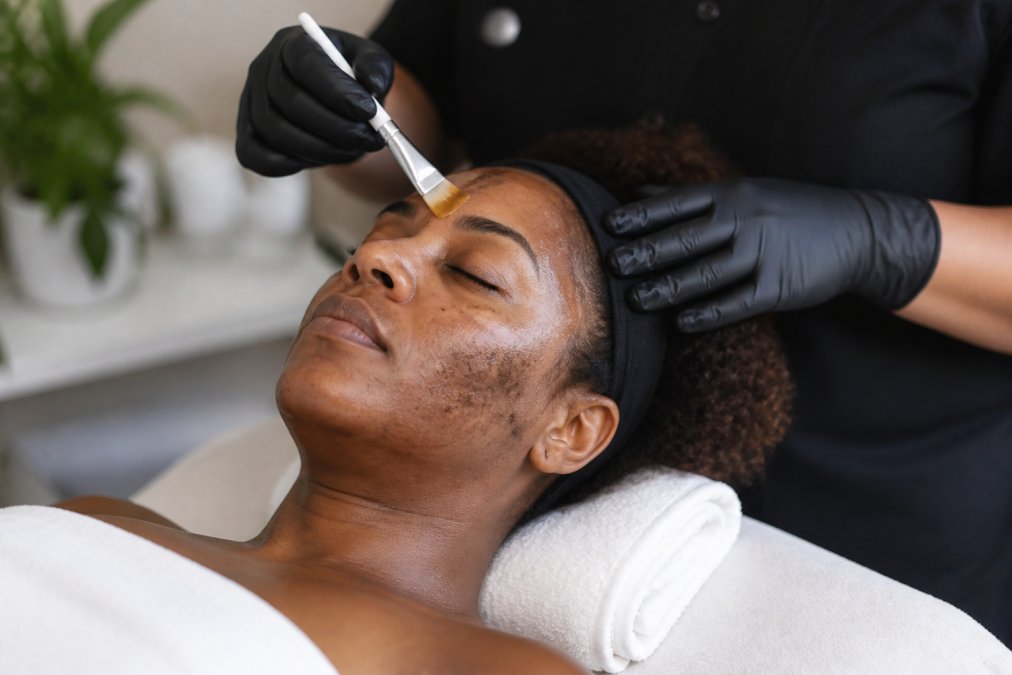
Chemical peels are among the most effective corrective facial options for targeting dark spots and uneven skin tone. A chemical peel uses a carefully formulated acid solution to dissolve the bonds between dead skin cells, triggering controlled exfoliation and cellular renewal.
Different peel strengths address different depths of pigmentation. Superficial peels using alpha-hydroxy acids (AHAs) like glycolic acid work on the outermost skin layer and are ideal for mild discoloration and early sun damage (peer-reviewed research). Medium-depth peels using trichloroacetic acid (TCA) penetrate deeper into the dermis, addressing more stubborn dark spots and post-inflammatory hyperpigmentation. These peels create visible peeling and require 5-7 days of recovery but deliver more dramatic results.
When an acid dissolves the stratum corneum (the dead outer layer), it triggers the skin's repair response. Fibroblasts activate, collagen production increases, and new skin cells migrate upward. This renewal process naturally sheds pigmented cells while promoting the growth of fresh, evenly-toned skin. Additionally, many peel solutions contain brightening agents that inhibit melanin synthesis during the healing phase.
For post-acne pigmentation and melasma, chemical peels are particularly effective because they address both surface discoloration and deeper dermal damage. A series of peels, typically three to six sessions spaced two to four weeks apart, can fade dark spots by 50-70% or more, depending on the peel strength and individual skin response (peer-reviewed research).
How Many Facials for Hyperpigmentation: Treatment Frequency and Timelines
One of the most common questions is: "How many corrective facials will I need?" The answer depends on the severity of your hyperpigmentation, the type of facial used, and your skin's individual response rate.
For mild to moderate dark spots and uneven tone, most clients see meaningful improvement after three to four corrective facials spaced three to four weeks apart (the American Academy of Dermatology). By the fourth session, many clients report that spots have faded noticeably and skin tone appears more uniform.
Severe or long-standing hyperpigmentation, particularly melasma or extensive post-acne pigmentation, often requires six to eight sessions over four to six months. Melasma is stubborn because it's driven by hormonal and genetic factors. Consistent treatment with adequate spacing gives the skin time to respond and prevents over-treatment, which can trigger more pigment production.
The timing between sessions matters. Spacing corrective facials too close together can damage the skin barrier and cause inflammation, which worsens hyperpigmentation. The standard three to four week interval allows the skin to complete its healing cycle and prepare for the next treatment. After completing an initial series, many clients transition to maintenance facials every six to eight weeks to sustain results and prevent new pigmentation.
Individual factors influence timelines. Clients with sensitive skin may need longer recovery periods. Those with active sun exposure or inconsistent sun protection may see slower progress. Younger skin typically repairs faster and responds more quickly to corrective treatments than mature skin.
| Treatment Phase | Frequency | Duration | Expected Result |
|---|---|---|---|
| Initial Correction Series | Every 3-4 weeks | 4-6 months | 50-70% pigment fading |
| Maintenance Phase | Every 6-8 weeks | Ongoing | Sustained results, prevents new spots |
| Sensitive Skin Adjustment | Every 4-5 weeks | Extended timeline | Gentler progression, similar outcomes |
Professional Skin Analysis Benefits for Pigment Correction
Before recommending a corrective facial regimen, a thorough professional skin analysis is essential. This detailed evaluation determines which treatment approach will work best for your specific pigmentation pattern and skin condition.
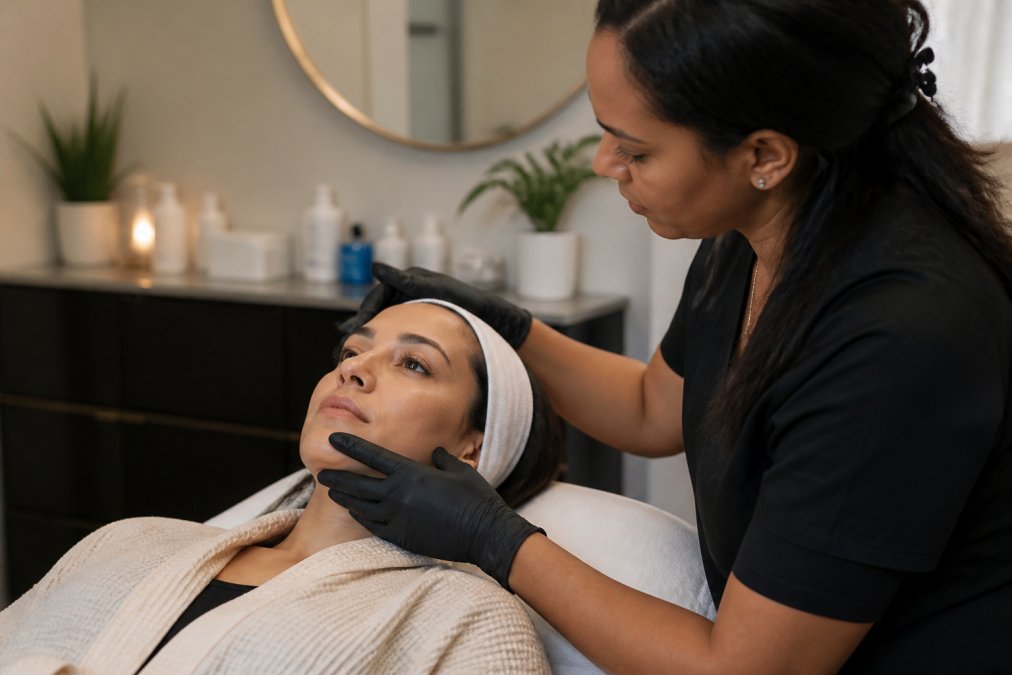
A professional skin analysis examines several critical factors. First, the specialist identifies the type of hyperpigmentation you have, solar lentigines (sun spots), melasma, post-inflammatory hyperpigmentation, or a combination. Each type responds differently to treatment. Solar lentigines typically fade faster with chemical peels, while melasma requires longer-term management and may benefit from gentler, consistent treatments.
Second, the analysis assesses your skin barrier integrity. If your skin is compromised, dry, reactive, or sensitized, aggressive peels may cause harm. A skilled specialist will recommend gentler corrective facials or pre-treatment conditioning to strengthen your barrier before proceeding.
Third, the professional evaluates your baseline skin tone and undertone to ensure the treatment targets hyperpigmented areas without over-lightening surrounding skin, which creates an unnatural, patchy appearance.
At SKIN SOLUTIONS BY 2 DIVAS, our specialists also discuss your lifestyle and sun exposure habits during the analysis. Someone who works outdoors needs a different maintenance strategy than someone with minimal sun exposure. The analysis also identifies any contraindications. Certain medications, skin conditions, or recent treatments may require adjustments to your corrective facial plan. Retinoid users, for example, may need to pause their retinoids before chemical peels to avoid over-sensitization.
Book your appointment today! →
What to Expect During and After Your Corrective Facial
Understanding the corrective facial experience helps you prepare mentally and physically and sets realistic expectations for results and recovery.
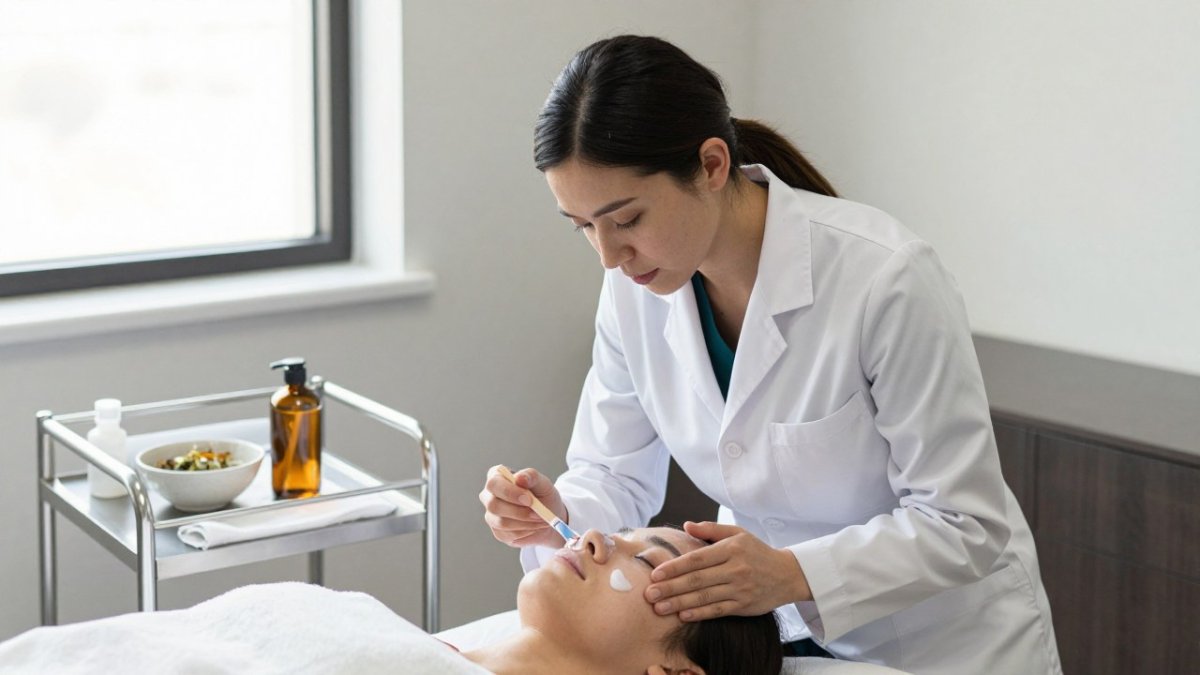
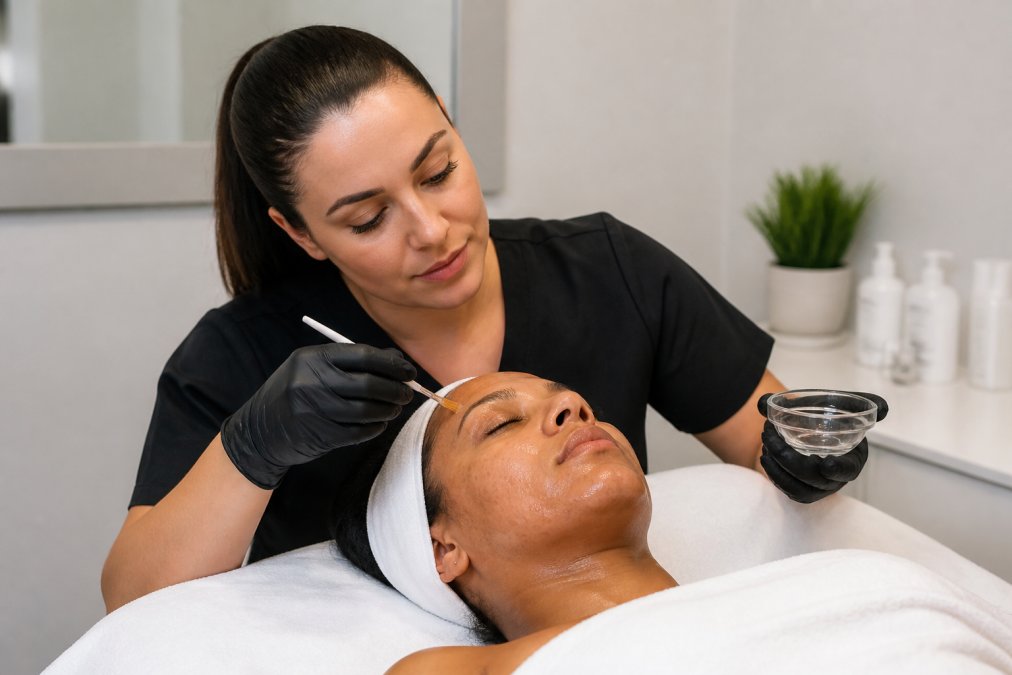
During the treatment, your specialist will begin with a thorough cleanse to remove impurities and prepare your skin. For chemical peels, the active solution is applied evenly across the treatment area. You'll feel a mild tingling or slight stinging sensation, this is normal and indicates the acid is working. Your specialist monitors your comfort and can adjust the application if needed.
After the acid is neutralized and removed, a soothing serum and moisturizer are applied. Your skin may appear slightly red or flushed immediately after treatment, which is expected and usually subsides within a few hours.
Over the next 3-7 days, your skin will peel and flake as dead cells shed. This peeling is visible and sometimes dramatic, resist the urge to pick or aggressively exfoliate. Instead, keep your skin moisturized with gentle, fragrance-free products and avoid active ingredients like retinoids or vitamin C serums for at least a week.
Sun protection is non-negotiable. Treated skin is more vulnerable to UV damage and pigmentation rebound. Use broad-spectrum SPF 30 or higher daily, and consider physical barriers like hats or sun-protective clothing for the first week. Many clients see their best results two to three weeks post-treatment, after peeling has fully resolved.
Some clients experience temporary hyperpigmentation or dark spots immediately after a peel, this is post-inflammatory hyperpigmentation from the treatment itself and typically resolves within 2-4 weeks. This is a normal part of the correction process.
Downtime varies by peel intensity. Superficial peels have minimal downtime; you can return to normal activities immediately, though you should avoid makeup and intense exercise for 24 hours. Medium peels require 5-7 days of social downtime as peeling is visible. Plan your corrective facial series around your schedule to avoid important events during the peeling phase.
Preparing for Your Corrective Facial: Pre-Treatment Steps
Proper preparation maximizes results and minimizes complications. Start preparing at least one week before your appointment.
First, discontinue any active exfoliants or potentially irritating ingredients. Stop using retinoids, vitamin A derivatives, and strong vitamin C serums three to five days before treatment. These ingredients thin the skin and increase sensitivity. AHAs and BHAs should also be paused. Your skin should be in a calm, stable state before treatment.
Second, assess your skin barrier. If your skin feels dry, tight, or reactive, spend the week before treatment focusing on hydration and barrier repair using a gentle cleanser, hydrating toner or essence, and a rich moisturizer.
Third, avoid sun exposure as much as possible in the week before treatment. Sunburned or tanned skin is more prone to post-inflammatory hyperpigmentation and uneven healing. If you must be in the sun, wear protective clothing and SPF 50+.
Fourth, communicate any recent treatments or medications. If you've had Botox, dermal fillers, or laser treatments within the past two weeks, inform your specialist. Certain medications, particularly photosensitizing drugs, may affect how your skin responds to a corrective facial.
Fifth, schedule your corrective facial at a time when you can commit to post-treatment care. Proper recovery requires consistent sun protection, gentle skincare, and the ability to avoid makeup or strenuous activity for at least 24-48 hours.
Finally, set realistic expectations. One corrective facial won't permanently erase all hyperpigmentation. Commit mentally to the series of treatments and the maintenance phase that follows. The clients who see the best results understand that corrective facials are an investment in long-term skin health, not a quick fix.
Hyperpigmentation doesn't have to be permanent. With the right corrective facial approach and professional guidance, you can fade dark spots, even out your skin tone, and restore confidence in your complexion. At SKIN SOLUTIONS BY 2 DIVAS, we combine personalized skin analysis, professional-grade treatments like chemical peels, and results-driven aftercare to address your unique pigmentation concerns. Our specialists design corrective facial plans tailored to your skin type, the severity of your hyperpigmentation, and your lifestyle. Book your appointment today and discover how a customized corrective facial series can transform your skin.
Frequently Asked Questions
How many facial sessions are needed to see results for hyperpigmentation?
Results depend on hyperpigmentation severity and skin type. Most clients notice improvement within 3-6 sessions spaced 2-4 weeks apart. Post-inflammatory hyperpigmentation typically responds faster than melasma or sun damage. A professional skin analysis determines your personalized timeline. Consistency matters, regular sessions with proper at-home care accelerate cellular turnover and melanin reduction. Your specialist can adjust the treatment plan based on your skin's response.
Are chemical peels effective for treating hyperpigmentation?
Yes. Chemical peels accelerate skin cell turnover and reduce melanin buildup in the outer skin layers. Glycolic, lactic, and salicylic acid peels work well for mild hyperpigmentation, while stronger formulations target deeper pigmentation. The effectiveness depends on peel strength, your skin type, and the cause of discoloration. Professional-grade chemical peels deliver better results than over-the-counter products because they penetrate more effectively. A skin analysis helps determine which peel strength suits your skin.
What should I look for in a professional skin analysis for dark spots?
A thorough skin analysis examines pigmentation patterns, identifies the type of hyperpigmentation (post-inflammatory, sun damage, or melasma), assesses skin barrier health, and evaluates sensitivity. Your specialist should discuss your skin history, sun exposure, and any previous treatments. They'll recommend specific corrective facial options and realistic timelines. A detailed analysis prevents wasting time on ineffective treatments and ensures your customized plan targets your unique concerns.
Can professional facials prevent future hyperpigmentation?
Professional corrective facials improve current hyperpigmentation but don't prevent new damage entirely. However, they strengthen your skin barrier and increase cellular turnover, making skin more resilient. Sun protection remains essential, UV exposure is the primary cause of new dark spots. Regular professional facials combined with daily SPF, antioxidant serums, and a consistent skincare routine significantly reduce the risk of future pigmentation issues. Your specialist can recommend maintenance treatments to keep results lasting.
This article was written using GrandRanker