 listicle
Cost of Professional Acne Treatment: 2026 Pricing Guide
Table of Contents
- What Professional Acne Treatment Actually Costs
- Dermatologist Consultation Fees and Initial Visits
- Prescription Medications: From Topicals to Isotretinoin
- Clinical Procedures: Laser Therapy and Skin Resurfacing
- Does Insurance Cover Acne Treatment
- Hidden Costs of Professional Acne Treatment
- Acne Treatment Budget Tips: Home vs. Clinical Care
- Financing Options and Payment Plans
- Frequently Asked Questions
Cost of Professional Acne Treatment: 2026 Pricing Guide
Last Updated: August 3, 2026
Understanding the cost of professional acne treatment requires looking beyond the sticker price of a single procedure. At SKIN SOLUTIONS BY 2 DIVAS, we've worked with hundreds of clients navigating treatment options, and what we've found is this: most people significantly underestimate the total investment required to see meaningful results. Professional acne treatment ranges from a few hundred dollars for initial consultations and topical medications to several thousand for comprehensive clinical procedures like laser therapy or isotretinoin courses. The cost varies dramatically based on severity, treatment type, insurance coverage, and whether you're addressing active acne or scarring.
What Professional Acne Treatment Actually Costs
A single dermatology consultation costs $100 to $300, but that's just the entry point. For mild to moderate acne, topical prescription treatments combined with regular dermatologist visits might run $500 to $1,500 over six months. For moderate to severe acne requiring oral medications like isotretinoin, you're looking at $2,000 to $5,000 or more when you factor in monthly doctor visits, blood tests, and the medication itself. Clinical procedures like laser therapy or chemical peels add another layer: a single laser session typically costs $600 to $1,200, and most people need 3 to 6 sessions for optimal results.
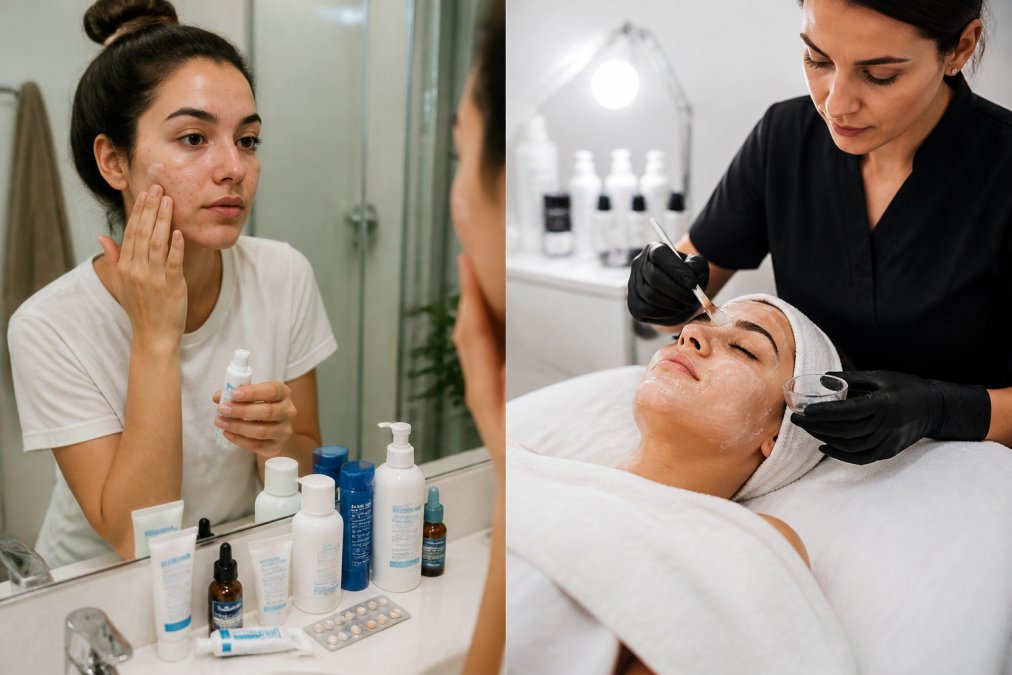
The key insight is that the cost isn't linear. Your first month might cost $300, but months two through six could average $200 to $400 monthly as you layer in maintenance treatments and adjustments. Many dermatology offices offer package pricing for treatment series, which can reduce per-session costs by 10 to 20 percent compared to paying per visit.
Dermatologist Consultation Fees and Initial Visits
The first step in professional acne treatment is a dermatology consultation, which typically costs $100 to $300 depending on the dermatologist's experience and location. A thorough consultation should include skin analysis, discussion of your acne history, assessment of severity, and a customized treatment plan. Telemedicine consultations typically cost $50 to $150, making them an accessible entry point if you're uncertain about committing to in-person care.
Insurance coverage for dermatology consultations varies widely. Many plans cover the visit if acne is classified as medically necessary rather than purely cosmetic. Out-of-pocket costs after insurance typically range from $20 to $100 for a standard co-pay. Follow-up visits to monitor treatment progress usually cost $75 to $150 and are often needed every 4 to 8 weeks.
Prescription Medications: From Topicals to Isotretinoin
Prescription-strength topical medications are often the first line of professional acne treatment and typically cost $50 to $200 per month without insurance. Generic versions are significantly cheaper than brand names; tretinoin generic might cost $30 to $60 monthly, while branded Retin-A can run $150 to $250. With insurance, copays usually range from $10 to $50 per prescription.
Oral antibiotics like doxycycline or minocycline typically cost $20 to $100 per month without insurance. Most insurance plans cover oral antibiotics at a standard copay.
Isotretinoin (Accutane) is reserved for severe, cystic, or treatment-resistant acne. The medication itself costs $87 to $200 per month without insurance, though generic isotretinoin is significantly cheaper. However, isotretinoin requires enrollment in the federal iPLEDGE program, which mandates monthly doctor visits and blood tests. These additional visits and lab tests add $100 to $300 monthly to your total cost, bringing the true cost of isotretinoin treatment to $200 to $500 monthly.
Accutane and iPLEDGE program requirements
With insurance, isotretinoin copays typically range from $0 to $150 per month, but the monthly lab work and dermatology visits may have separate copays or deductibles. Most insurance plans cover isotretinoin when prescribed for severe acne, but prior authorization is almost always required.
| Medication Type | Monthly Cost (Uninsured) | Monthly Cost (With Insurance) | Treatment Duration |
|---|---|---|---|
| Topical retinoid | $30-$200 | $10-$50 copay | 3-6 months+ |
| Oral antibiotic | $20-$100 | $10-$40 copay | 3-6 months |
| Isotretinoin | $87-$200+ | $0-$150 copay | 4-9 months |
Clinical Procedures: Laser Therapy and Skin Resurfacing
When topical and oral medications don't deliver results, clinical procedures offer a more aggressive approach. AviClear, the first FDA-approved laser specifically designed for acne, requires three 30-minute sessions spaced one month apart and costs approximately $3,000 for the complete treatment package, or about $1,000 per session. It targets the sebaceous glands directly, potentially providing long-lasting results without the side effects of oral medications.
AviClear FDA-approved acne laser treatment
Other laser options like the Clear + Brilliant laser cost $300 to $500 per session, with most people requiring 4 to 6 sessions for visible improvement, bringing the total cost to $1,150 to $3,000.
Laser Acne Scar Removal Price Breakdown
Acne scar removal is often a separate treatment from active acne management. Laser scar revision typically costs $600 to $1,200 per session, with most people needing 3 to 4 sessions spaced 4 to 6 weeks apart, totaling $1,800 to $4,800 for a complete treatment course. CO2 laser resurfacing costs $1,000 to $3,000 per session and typically requires only 1 to 3 sessions, but has significant downtime of 2 to 3 weeks. Fractional laser treatments cost $600 to $1,500 per session and most people need 3 to 6 sessions for noticeable scar improvement. Insurance rarely covers laser scar revision because it's considered aesthetic rather than medically necessary.
Chemical Peels and Microdermabrasion
Chemical peels offer a more affordable entry point to professional skin resurfacing. Light chemical peels cost $100 to $300 per session with minimal downtime. Most people need 4 to 6 light peels spaced 2 to 4 weeks apart, bringing the total cost to $400 to $1,800. Medium-depth chemical peels cost $200 to $2,500 per session and produce more dramatic results but require 5 to 7 days of downtime. Microdermabrasion costs $75 to $200 per session and typically requires 6 to 12 sessions, bringing total costs to $450 to $2,400.
Chemical peels and professional skin resurfacing guidelines
Insurance does not cover chemical peels or microdermabrasion for acne treatment, as these are classified as aesthetic procedures. You'll pay the full cost out of pocket, though some practices offer package discounts if you commit to a full series upfront.
Does Insurance Cover Acne Treatment
Insurance coverage for acne treatment depends on whether the condition is classified as medically necessary or purely cosmetic.
When Treatment Is Medically Necessary
Acne is considered medically necessary when it causes physical pain, infection, or significant psychological distress documented by your dermatologist. Severe cystic acne, acne that doesn't respond to over-the-counter treatments, or acne that leaves visible scarring typically qualifies for coverage. Your dermatologist must document the medical necessity in your chart, and you may need to exhaust lower-cost treatment options before insurance will cover more expensive procedures like lasers.
Insurance typically covers dermatology consultations, prescription medications, and oral treatments like isotretinoin when medically necessary. However, coverage for clinical procedures like laser therapy is inconsistent. Prior authorization is almost always required before insurance will cover expensive treatments.
Out-of-Pocket Costs and Co-Pay Structures
Even when insurance covers acne treatment, your out-of-pocket costs depend on your specific plan. Most insurance plans have a deductible ranging from $500 to $5,000 annually. Once you've met your deductible, copays for dermatology visits typically range from $20 to $100 per visit. Prescription medication copays usually range from $10 to $50 per prescription. Coinsurance means you pay a percentage of the treatment cost (commonly 10 to 30 percent) even after meeting your deductible. Out-of-pocket maximums cap the total amount you'll pay annually, typically ranging from $2,000 to $8,000.
Hidden Costs of Professional Acne Treatment
Beyond the direct cost of consultations, medications, and procedures, several hidden expenses often surprise patients mid-treatment. Lab work and monitoring costs add up quickly when you're on oral medications. Monthly blood tests for isotretinoin patients cost $100 to $300 without insurance. Some practices charge facility fees ($50 to $150) on top of procedure costs.
Skincare products recommended by your dermatologist to support treatment often cost $50 to $200 monthly. While not strictly necessary, dermatologists typically recommend them as part of a complete treatment plan. Downtime and lost productivity associated with some procedures carry an indirect cost, as chemical peels and deep laser treatments require 1 to 3 weeks of visible redness and peeling.
Adjustment visits and medication changes happen frequently during acne treatment. If your initial medication causes side effects or doesn't produce results, you'll likely need a follow-up visit ($75 to $150) and potentially a new prescription. Treatment failures and restarts are common but rarely discussed. If your first treatment approach doesn't work, you're starting over with new consultations and costs. This is why many dermatologists recommend committing to a treatment plan for at least 3 to 6 months before switching approaches.
Acne Treatment Budget Tips: Home vs. Clinical Care
The cost-benefit analysis of home care versus clinical care depends on acne severity and your personal financial situation. For mild acne, a solid home routine with over-the-counter products might cost $30 to $100 monthly. However, if you've already tried this approach without success, professional treatment becomes necessary.
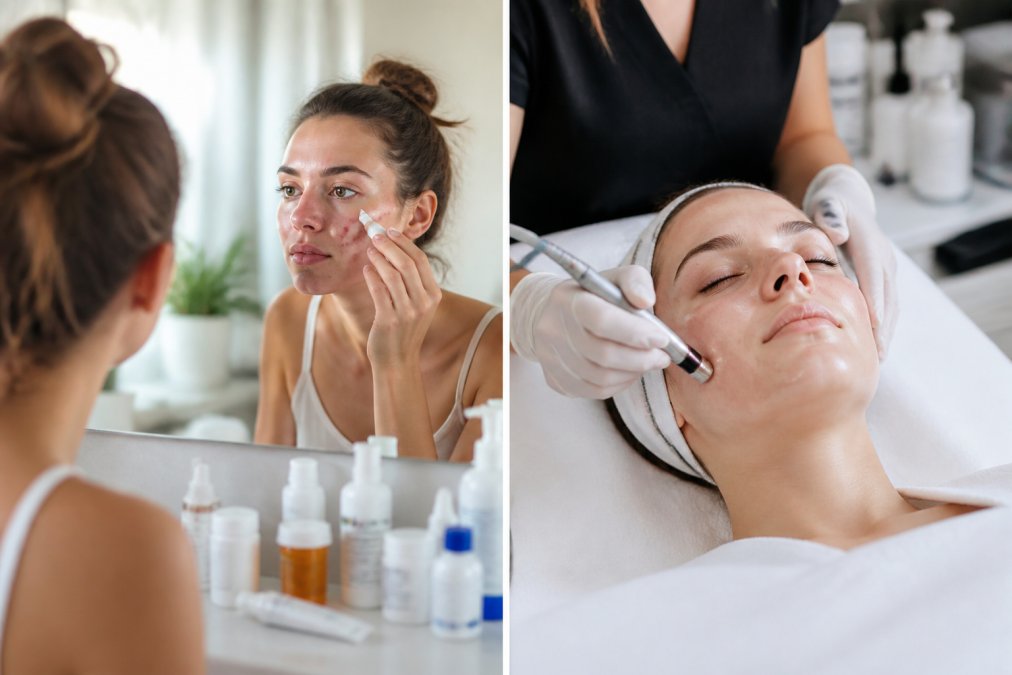
The strategic approach is to start with a dermatology consultation ($100 to $300) to get a professional diagnosis and treatment plan, then combine affordable prescription medications with targeted home care. This hybrid approach typically costs $200 to $400 monthly and produces better results than either approach alone.
If you're considering expensive procedures like laser therapy, ask your dermatologist whether you should try oral medication first. Isotretinoin often produces permanent or near-permanent acne clearance for 70 to 90 percent of patients. At $200 to $500 monthly for 4 to 9 months, the total cost ($800 to $4,500) is often comparable to or cheaper than a series of laser treatments.
Financing Options and Payment Plans
Many dermatology practices recognize that acne treatment costs are substantial and offer financing options. Care Credit and similar medical credit cards allow you to finance treatment with 0 percent interest if you pay off the balance within 6 to 12 months. These cards typically charge interest rates of 18 to 27 percent if you don't pay off the balance within the promotional period.
Flexible spending accounts (FSAs) and health savings accounts (HSAs) allow you to set aside pre-tax dollars for medical expenses, including dermatology treatment and prescription medications. Using them for acne treatment effectively reduces your costs by your marginal tax rate, typically 22 to 37 percent.
Some dermatology practices offer in-house payment plans that allow you to pay treatment costs in installments without interest. Always ask whether your dermatologist offers payment plans, as these are often not advertised but are available if you request them. Prescription medication discount programs like GoodRx can reduce the cost of topical and oral acne medications by 20 to 60 percent compared to your insurance copay.
The cost of professional acne treatment is substantial but manageable when you understand your options and plan ahead. Starting with a dermatology consultation to get a personalized treatment plan prevents costly missteps and helps you budget effectively. Whether you pursue medications, procedures, or a combination approach, the investment in professional treatment typically produces better results than home care alone.
Professional acne treatment requires significant financial investment, but the right approach depends on your specific situation and budget. SKIN SOLUTIONS BY 2 DIVAS offers personalized skin analysis and custom corrective facials designed to address acne, hyperpigmentation, and skin texture concerns through a results-driven approach tailored to your individual needs. Rather than a one-size-fits-all solution, our specialists create customized treatment plans that use high-quality ingredients and professional techniques to achieve radiant, healthy skin. If you're struggling with persistent acne or considering professional treatment options, schedule a consultation with SKIN SOLUTIONS BY 2 DIVAS to discuss a treatment plan that fits your goals and budget.
Frequently Asked Questions
How much does professional acne treatment cost on average?
Professional acne treatment costs vary widely depending on the type. Dermatologist consultation fees range from $100-$300, prescription medications cost $0-$150 monthly with insurance or $87-$800+ without coverage, and clinical procedures like laser therapy run $300-$1,200 per session. Most patients need multiple sessions for optimal results, making total costs $500-$5,000+ depending on treatment choice and severity.
Does insurance cover professional acne treatment?
Insurance coverage depends on whether treatment is medically necessary. Severe acne, cystic acne, or acne causing scarring may qualify for coverage under many plans. Prescription medications like isotretinoin are often covered with co-pays. However, aesthetic procedures like laser therapy, chemical peels, and cosmetic facials are typically not covered. Check your plan's coverage details or ask your dermatologist which treatments your insurance recognizes as medically necessary.
What is the cost of laser acne scar removal?
Laser acne scar removal typically costs $300-$500 per session for non-ablative fractional lasers like Clear + Brilliant, or $600-$1,200 per session for more intensive options like Vivace RF Microneedling. Most patients require 3-6 sessions spaced 4-6 weeks apart, bringing total treatment costs to $1,800-$7,200. CO2 lasers for deeper scars may cost more and require longer recovery time.
What acne treatment budget tips can help reduce costs?
Start with dermatologist-prescribed topical medications before pursuing expensive procedures. Use health savings accounts (HSA) or flexible spending accounts (FSA) to pay with pre-tax dollars. Ask about package pricing for multiple laser sessions. Consider generic isotretinoin instead of brand-name Accutane if prescribed. Combine professional treatments with consistent at-home skincare routines to extend results and reduce session frequency. Telemedicine visits cost $79 flat for consultations, offering affordable access to prescriptions.
Are prescription acne medications covered by insurance?
Most insurance plans cover prescription acne medications, especially topical retinoids and antibiotics, though co-pays typically range from $0-$50 per prescription. Isotretinoin (Accutane) for severe acne is often covered but requires prior authorization and enrollment in the iPLEDGE program. Generic versions are significantly cheaper than brand names. Without insurance, topical medications cost $30-$150 monthly, while isotretinoin costs $87-$800+ monthly depending on dosage.
This article was written using GrandRanker