 listicle
Corrective Facials for Acne in Sebring: A Complete Guide
Table of Contents
- What Are Corrective Facials for Acne and How They Work
- Why Acne Persists: Understanding Clogged Pores and Inflammation
- Acne Extraction Facial Benefits and What to Expect
- How Long Does an Acne Facial Take and What's Included
- Customized Treatment Options for Different Acne Types
- Best Practices for Post-Facial Acne Care at Home
- Why Professional Skin Analysis Matters for Long-Term Results
- Conclusion
- Frequently Asked Questions
Last Updated: August 14, 2026
What Are Corrective Facials for Acne and How They Work
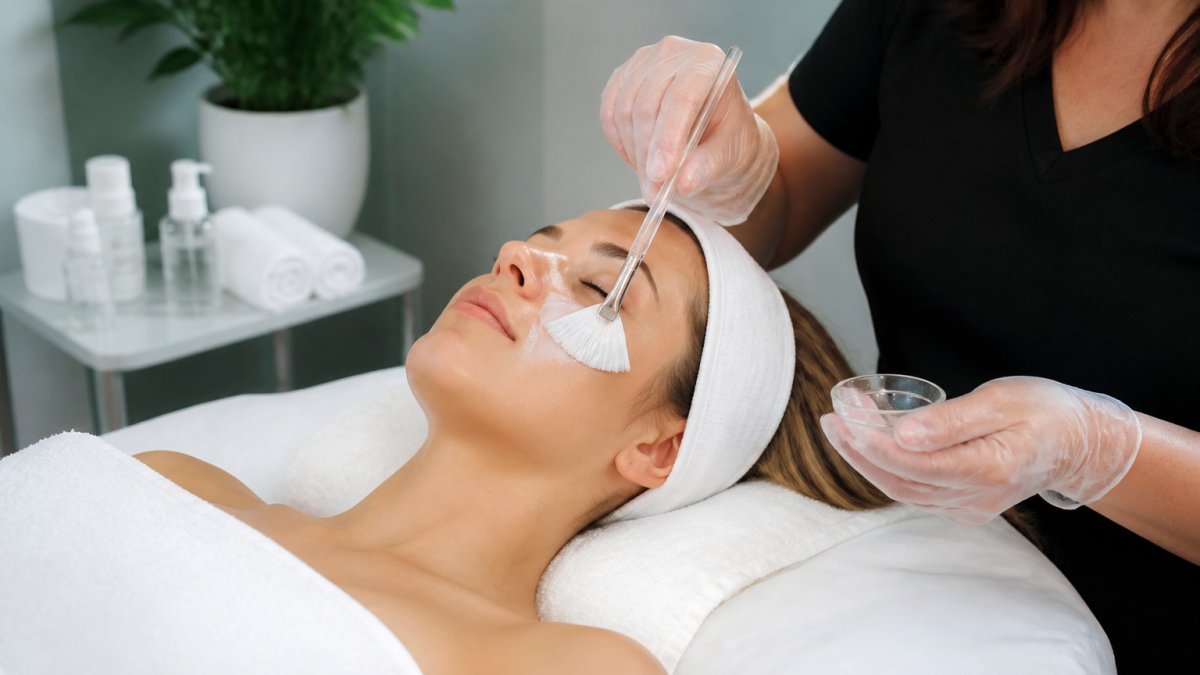
Corrective facials for acne in Sebring address active breakouts, clogged pores, and post-acne pigmentation through professional extraction, targeted exfoliation, and specialized treatments designed to improve skin health beyond what at-home routines can achieve.
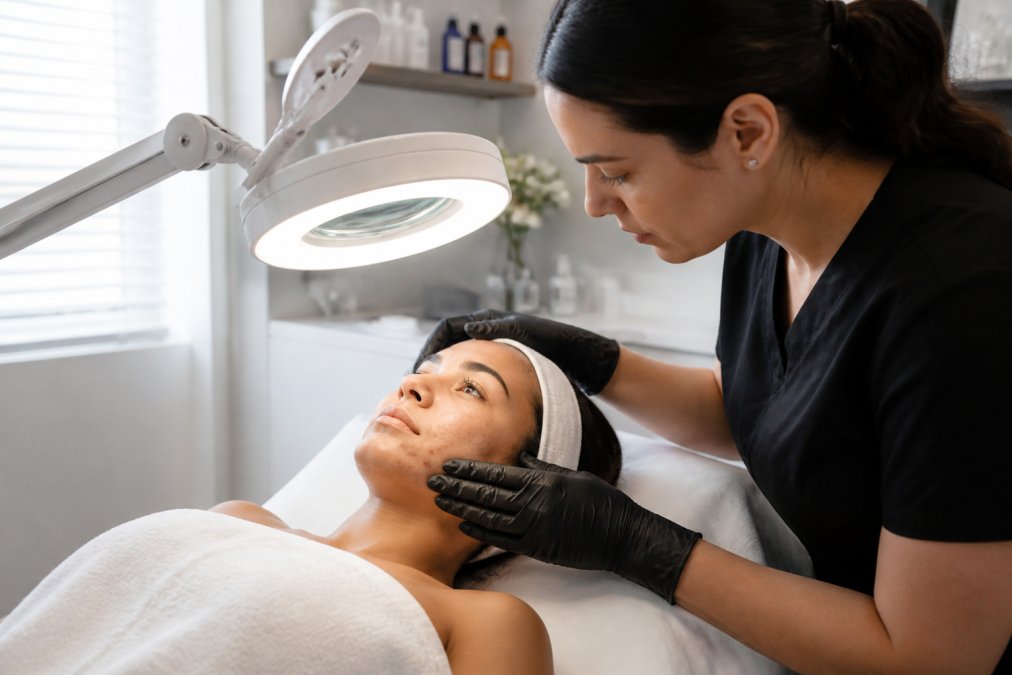
At SKIN SOLUTIONS BY 2 DIVAS, we begin every corrective facial with a thorough skin analysis to understand your specific acne triggers, skin type, and concerns. The treatment combines deep cleansing, professional extractions of comedones and blackheads, exfoliation to remove dead skin cells, and application of targeted serums or masks designed to calm inflammation and support barrier repair.
A corrective approach identifies whether your acne stems from sebum overproduction, bacterial colonization, hormonal fluctuations, or product sensitivity. Once we understand the root cause, we select techniques that address it directly. Most corrective facials include professional-grade ingredients like salicylic acid or glycolic acid for exfoliation, niacinamide to regulate sebum production, or calming botanicals to reduce redness, applied with professional technique using tools like ultrasonic devices or LED light therapy to enhance results.
Why Acne Persists: Understanding Clogged Pores and Inflammation
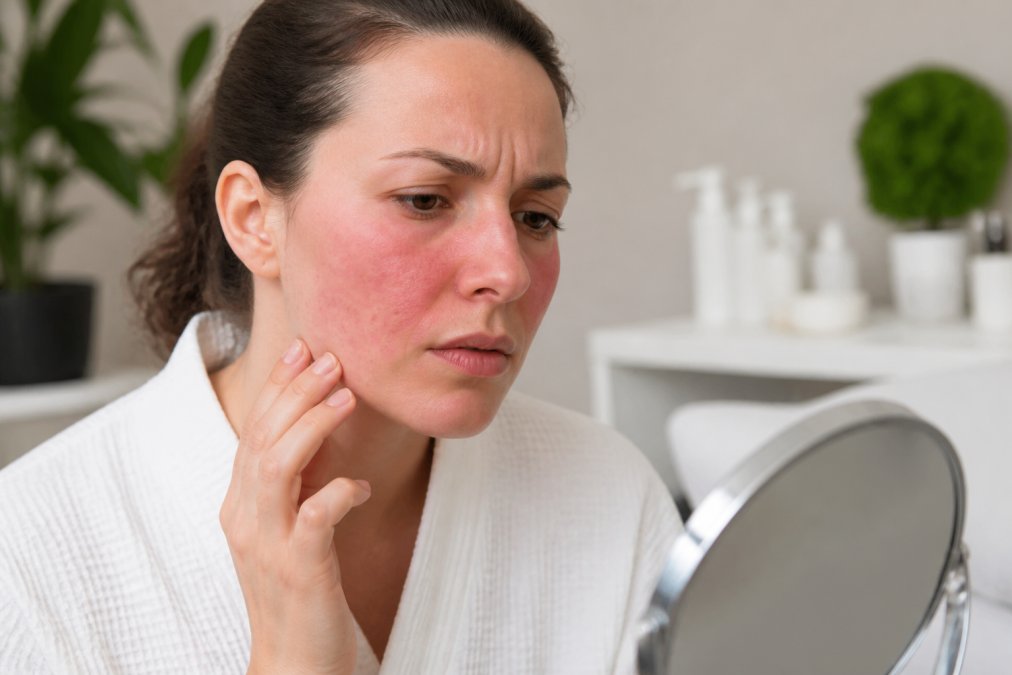
Acne develops when dead skin cells, sebum, and bacteria accumulate inside the follicle. If you're using heavy moisturizers, skipping exfoliation, or your skin naturally produces excess oil, this process accelerates. When a pore becomes clogged, bacteria colonize the environment and trigger an immune response, creating the pustule or cyst you see on the surface. Even after the bacteria die, post-inflammatory hyperpigmentation can persist for weeks or months.
A compromised skin barrier, damaged by over-exfoliation, harsh products, or environmental stress, makes acne worse. Your skin produces more oil to compensate, becomes more prone to bacterial overgrowth, and heals more slowly. This is why aggressive at-home treatments often backfire.
Hormonal fluctuations, especially in adults aged 30-50, drive persistent breakouts along the jawline and chin. Dietary triggers like dairy and high-glycemic foods, seasonal humidity, and increased sebum production can also worsen acne. If you've tried countless products without success, your skin may need professional intervention to break the cycle.
Acne Extraction Facial Benefits and What to Expect
Professional extractions during a corrective facial remove impacted material inside the pore, reduce bacterial load, and allow the skin to heal. The esthetician first softens the skin with steam or warm compresses to open pores, then uses sterile tools or gloved fingers to gently express blackheads and whiteheads. For deeper cystic acne, they may avoid extraction and instead focus on calming inflammation with soothing masks or high-frequency therapy.
Many clients report immediate visible improvement in congestion and smoother skin texture. Blackheads and whiteheads are gone, and redness from active breakouts often decreases within hours. The real benefit emerges over the following days and weeks: fewer new breakouts, faster healing of existing lesions, and improved overall skin clarity.
You may experience slight redness or sensitivity for 24-48 hours after extraction, this is normal and temporary. Avoid picking at your face, using irritating products, or exposing your skin to harsh sun during this window. Regular corrective facials combined with a solid at-home routine can break the acne cycle. Many clients find that after 3-4 sessions spaced 4-6 weeks apart, their breakouts decrease significantly and they're able to maintain clarity with less frequent professional visits.
How Long Does an Acne Facial Take and What's Included
Most corrective facials range from 60 to 90 minutes, though this varies based on congestion extent, techniques used, and add-ons like chemical peels or high-frequency therapy.
| Step | Duration | Purpose |
|---|---|---|
| Consultation & Skin Analysis | 10-15 minutes | Assess acne severity, identify triggers, discuss goals |
| Cleansing & Prep | 5-10 minutes | Remove makeup, oil, and debris; soften skin with steam |
| Exfoliation | 10-15 minutes | Remove dead skin cells and unblock pores |
| Extractions | 15-25 minutes | Professional removal of blackheads, whiteheads, congestion |
| Mask or Treatment | 15-20 minutes | Apply calming, healing, or corrective mask |
| Serums & Moisturizer | 5-10 minutes | Apply targeted products for your skin type |
| Sunscreen & Final Steps | 5 minutes | Protect skin and review aftercare instructions |
Your esthetician provides education about your specific skin concerns, explains which at-home products will support your results, and recommends treatment frequency based on acne severity. Many practices, including SKIN SOLUTIONS BY 2 DIVAS, schedule follow-up appointments during your visit to ensure consistency. You're getting a professional partner in your skin health journey, not just a treatment.
Customized Treatment Options for Different Acne Types
Corrective facials must account for whether you're dealing with comedonal acne (blackheads and whiteheads), inflammatory acne (red, tender pustules), cystic acne (deep, painful lumps), or a combination.
Comedonal Acne (Blackheads & Whiteheads): This acne type responds well to gentle extractions paired with exfoliation. Treatment includes salicylic acid exfoliation, careful extractions, and a clarifying mask. High-frequency therapy helps prevent new comedones from forming.
Inflammatory Acne (Red, Tender Pustules): Aggressive extraction worsens inflammation. Treatment focuses on calming through soothing cleansers, gentle enzyme exfoliation, minimal extractions, and calming masks with niacinamide or centella asiatica. LED light therapy, particularly red light, reduces inflammation and supports healing.
Cystic Acne (Deep Nodules): Deep lesions shouldn't be extracted, as this causes scarring. Treatment focuses on reducing inflammation and preventing new cysts through gentle cleansing, hydrating masks, and possibly chemical peels. High-frequency therapy can reduce the size and redness of cysts over time.
Hormonal Acne (Jawline & Chin Breakouts): This acne type is driven by internal hormonal fluctuations. A corrective facial can clear existing breakouts and support skin health while you address hormonal factors with a dermatologist or doctor. Treatment emphasizes gentle extractions, barrier repair, and products that regulate sebum production.
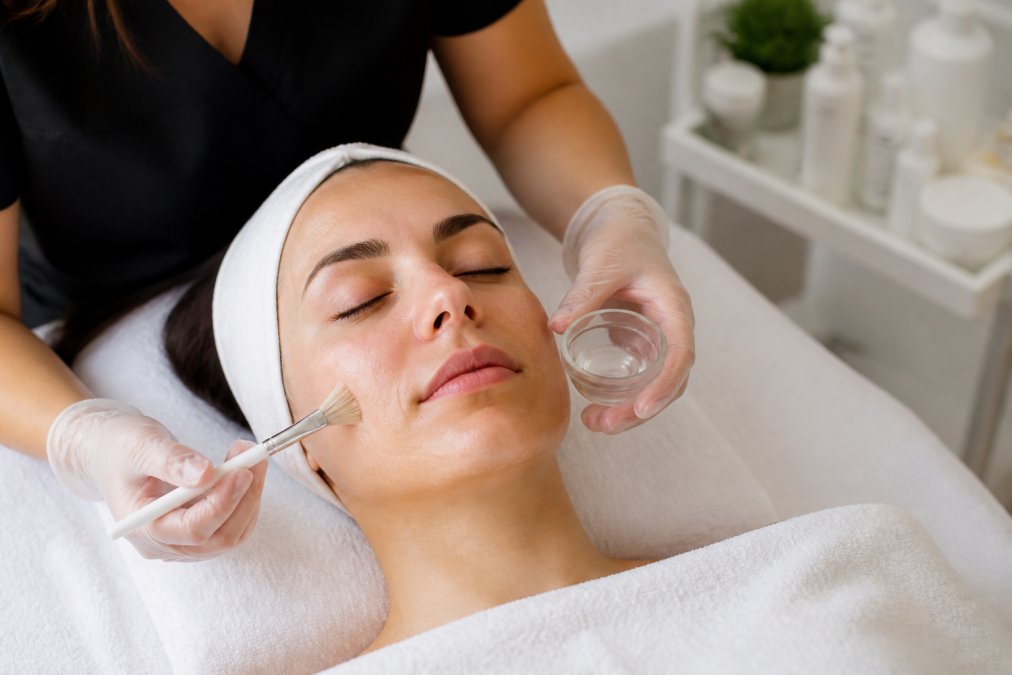
Post-Acne Hyperpigmentation (Dark Marks): Chemical peels with glycolic or salicylic acid, microdermabrasion, or LED light therapy can fade hyperpigmentation over multiple sessions. Consistency matters, a series of treatments combined with diligent sunscreen use shows significant improvement.
Your esthetician tailors every step to your specific acne type, skin sensitivity, and goals.
Best Practices for Post-Facial Acne Care at Home
What you do in the 48 hours after treatment and in the weeks following determines whether results stick or fade.
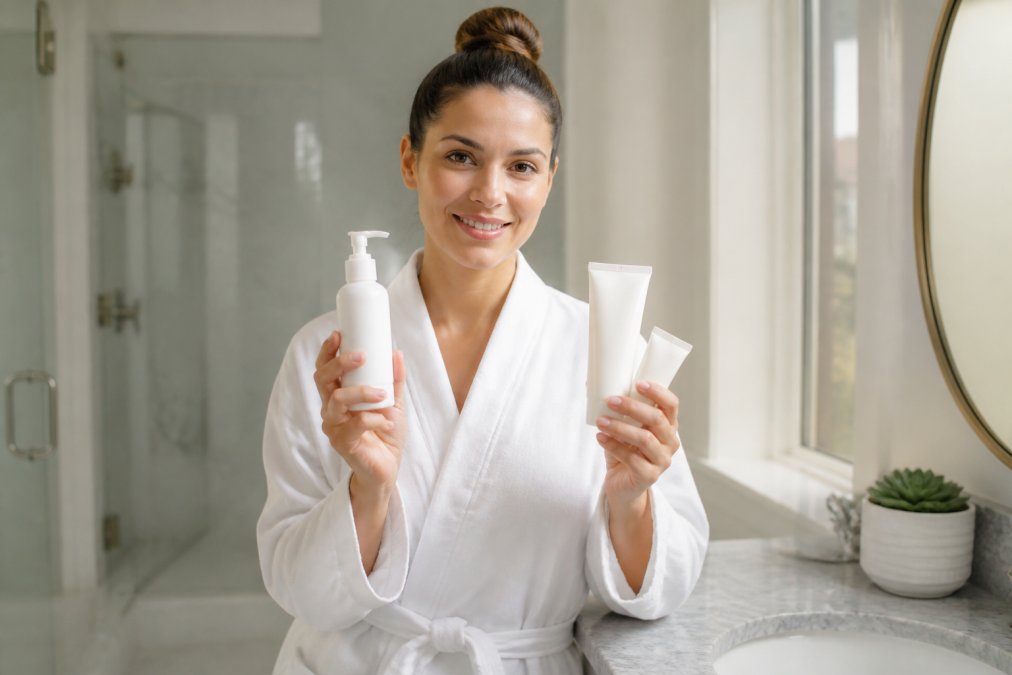
Immediately After Your Facial (First 48 Hours):
Your skin is healing. Avoid makeup, heavy creams, and active ingredients like retinol or vitamin C for at least 24 hours. Use the gentle cleanser and moisturizer your esthetician recommended. Wash with lukewarm water and pat dry gently. Avoid touching your face, picking at flaking skin, or excessive sun exposure. Wear sunscreen (SPF 30 minimum) if you go outside. Slight redness, sensitivity, or minor peeling is normal and temporary.
First Week After Treatment:
Continue with recommended products. Avoid other actives for at least 3-5 days, then reintroduce slowly. Hydration is critical, drink more water than usual and apply moisturizer to damp skin. Continue daily sunscreen use without fail. Post-facial skin is more vulnerable to sun damage and hyperpigmentation.
Weeks 2-4 (Building Your Routine):
By week 2, you can carefully reintroduce other products. If you use a retinoid, start slowly and build frequency over 2-3 weeks. If you use exfoliating acids, wait at least a week post-facial, then use them no more than 2-3 times per week. Focus on consistency over complexity. Maintain the skincare routine your esthetician recommended.
Between Facials (Ongoing Care):
Most people benefit from corrective facials every 4-6 weeks. Stick to your at-home routine and avoid picking, over-exfoliating, or using overly harsh products. Track what triggers your breakouts to help refine your treatment plan with your esthetician.
Why Professional Skin Analysis Matters for Long-Term Results
A thorough skin analysis is a detailed assessment of your skin type, condition, sensitivities, and underlying causes of acne. Your esthetician examines your skin under magnification using tools like a Wood's lamp to identify bacteria, oil production, and areas of concern invisible to the naked eye. They ask detailed questions about when your acne started, recent changes, allergies, sensitivities, and what you've already tried.
For example, breakouts clustered around your jawline and worsening monthly indicate hormonal acne. Scattered breakouts after changing laundry detergent suggest contact dermatitis. Breakouts concentrated on your forehead with frequent hat wear indicate friction acne. A professional identifies these patterns and adjusts treatment accordingly.
Professional skin analysis prevents wasted time and money on the wrong approach. Many people buy expensive products based on marketing, only to find their skin worsens because the products don't address their specific issue. A professional analysis cuts through guesswork. If your barrier is damaged, you need hydration and repair, not more exfoliation. If your acne is bacterial, you need antibacterial treatment. If it's hormonal, you may need to address internal factors alongside topical care.
Professional analysis also identifies when you need a dermatologist. If your acne is severe, cystic, or resistant to professional facials and good skincare, a dermatologist may recommend prescription treatments. An esthetician recognizes these situations and refers you appropriately. This collaboration ensures you get the right level of care.
Conclusion
Corrective facials for acne in Sebring offer a professional, personalized approach to breaking the acne cycle. These customized treatments address root causes through professional extractions, targeted exfoliation, and specialized products.
Results depend on three factors: the quality of the facial itself, your commitment to post-facial care at home, and consistency over time. One facial improves your skin temporarily. A series of facials combined with a solid at-home routine and professional guidance transforms your skin long-term.
Frequently Asked Questions
Do corrective facials actually help clear acne?
Yes. Professional corrective facials target active breakouts, remove comedones and clogged pores, and reduce inflammation through professional-grade extraction and exfoliation. Results depend on consistency, most clients see improvement within 3-4 sessions. A thorough skin analysis ensures the treatment addresses your specific acne triggers, whether bacterial, hormonal, or texture-related. At Skin Solutions by 2 Divas, each facial is customized to your skin's unique needs for measurable, long-term improvement.
How often should you get a facial for acne-prone skin?
For active acne, monthly facials are typically recommended during the initial treatment phase (3-4 months). Once breakouts improve, many clients transition to maintenance facials every 4-6 weeks to prevent recurrence. The exact frequency depends on your skin's severity and response. During your consultation, your specialist will create a personalized schedule. Consistent professional treatments combined with proper home care accelerate results and help prevent new breakouts from forming.
What should I look for in an acne facial specialist?
Choose a specialist who conducts a thorough skin analysis before treatment, offers customized facials rather than one-size-fits-all services, and discusses your acne history and triggers. They should explain their extraction techniques, recommend appropriate add-ons like high-frequency therapy or chemical peels, and provide clear post-facial care instructions. Skin Solutions by 2 Divas specialists deliver results-driven care focused on your long-term skin health, not just temporary improvement. Read client reviews and ask about their experience with your specific skin type.
Are there side effects to acne-focused corrective facials?
Mild redness and temporary sensitivity are normal immediately after treatment and typically fade within 24 hours. Some clients experience slight dryness or minor breakouts 24-48 hours post-facial as the skin purges impurities, this is temporary. To minimize side effects, follow post-facial care instructions carefully: avoid direct sun, skip active ingredients for 48 hours, and use gentle cleansing. If you have highly sensitive or reactive skin, inform your specialist beforehand so they can adjust product strength and extraction intensity accordingly.
Book your appointment with SKIN SOLUTIONS BY 2 DIVAS today to experience a corrective facial designed specifically for your skin. Our specialists conduct a thorough skin analysis, create a personalized treatment plan, and utilize high-quality ingredients to address acne, aging, and hyperpigmentation. Experience the difference professional, results-driven care makes.
This article was written using GrandRanker