 listicle
Care Esthetics Alternative for Acne: Professional Treatment Options
Table of Contents
- Why Acne Treatment Alternatives Matter
- Dermatologist vs. Esthetician for Acne: Understanding the Difference
- Professional Acne Treatment Options You Should Know
- Topical and Prescription Medications for Acne
- Acne Treatment Recovery Time and Maintenance
- Best Practices for Choosing Your Acne Treatment
- Custom Corrective Facials as a Comprehensive Alternative
- Conclusion
- Frequently Asked Questions
Last Updated: August 7, 2026
Why Acne Treatment Alternatives Matter
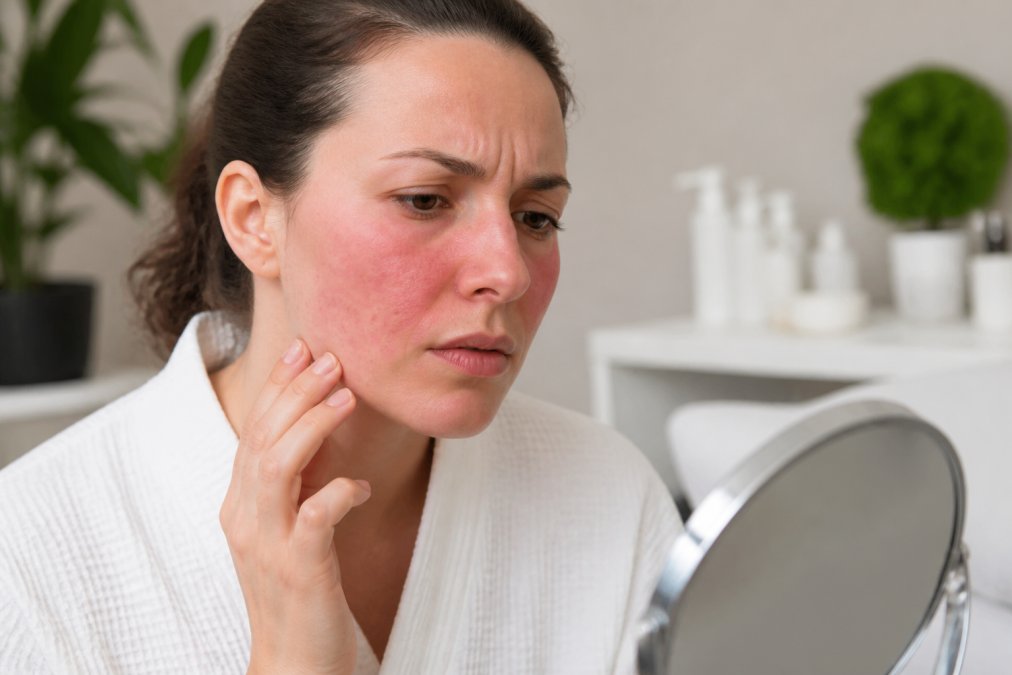
Acne vulgaris presents differently across skin types, severity levels, and underlying causes. What clears breakouts for one person might irritate another's skin barrier entirely. This is why exploring acne treatment alternatives beyond basic over-the-counter cleansers matters, and why choosing the right professional approach can transform your results.
At Skin Solutions by 2 Divas, we've seen how a tailored approach to acne treatment produces dramatically different outcomes than a one-size-fits-all strategy. Your acne might stem from hormonal fluctuations, bacterial overgrowth, excess sebum production, or a combination of factors. Professional assessment identifies exactly what's driving your breakouts, then a customized treatment plan addresses your skin's specific needs.
The options available today are far more sophisticated than they were five years ago. From prescription-strength topical medications to energy-based devices and professional procedures, you have genuine alternatives to explore. Understanding these options and how they compare helps you make an informed decision about what's right for your situation.
Dermatologist vs. Esthetician for Acne: Understanding the Difference
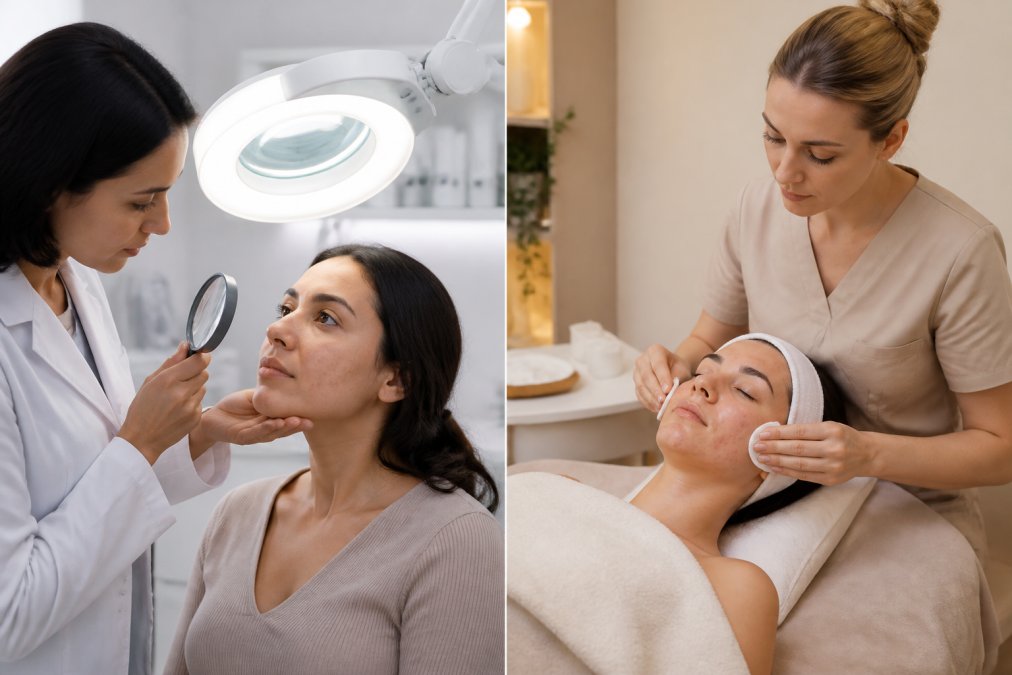
A dermatologist is a medical doctor with specialized training in diagnosing and treating skin diseases, including severe acne vulgaris and cystic acne. An esthetician is a licensed skincare specialist trained in facial treatments, skincare routines, and non-invasive aesthetic procedures. The key difference lies in scope of practice and credentials.
Dermatologists can prescribe medications like tretinoin, oral antibiotics, and isotretinoin (Accutane) for moderate to severe acne. They diagnose underlying skin conditions and identify whether your acne stems from hormonal imbalance, bacterial infection, or other medical factors. If you have cystic acne, severe inflammatory acne, or acne unresponsive to over-the-counter treatments, a dermatologist is typically your first choice.
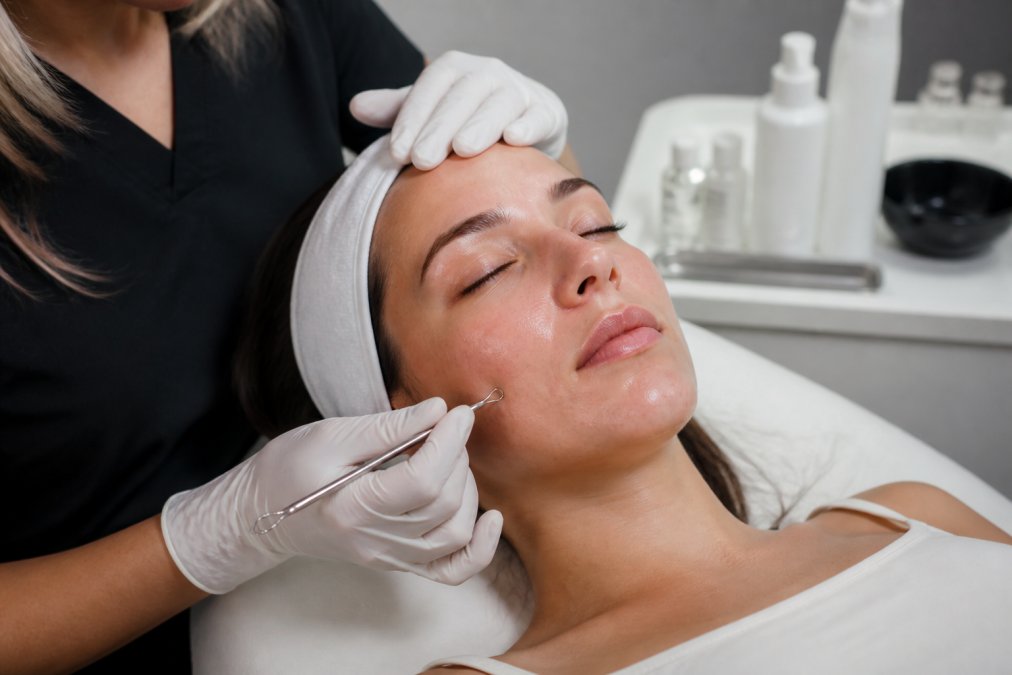
Estheticians cannot prescribe medications, but they excel at professional acne treatment procedures and customized skincare protocols. They perform chemical peels, microneedling, light therapy treatments, and corrective facials designed to address active acne and post-acne concerns like scarring and hyperpigmentation. Many estheticians work closely with dermatologists, providing maintenance care and professional treatments that complement medical management.
For mild to moderate acne or maintenance after dermatological treatment, a professional esthetician's expertise in acne-prone skin care often delivers excellent results. Many people benefit from both: dermatological assessment for diagnosis and prescription options, combined with regular professional facials from an esthetician for ongoing skin health and texture improvement.
Professional Acne Treatment Options You Should Know
Professional acne treatment has evolved far beyond basic facials. Modern procedures target acne through multiple mechanisms: reducing bacteria, decreasing inflammation, improving skin cell turnover, and repairing post-acne damage.
Chemical Peels and Exfoliation
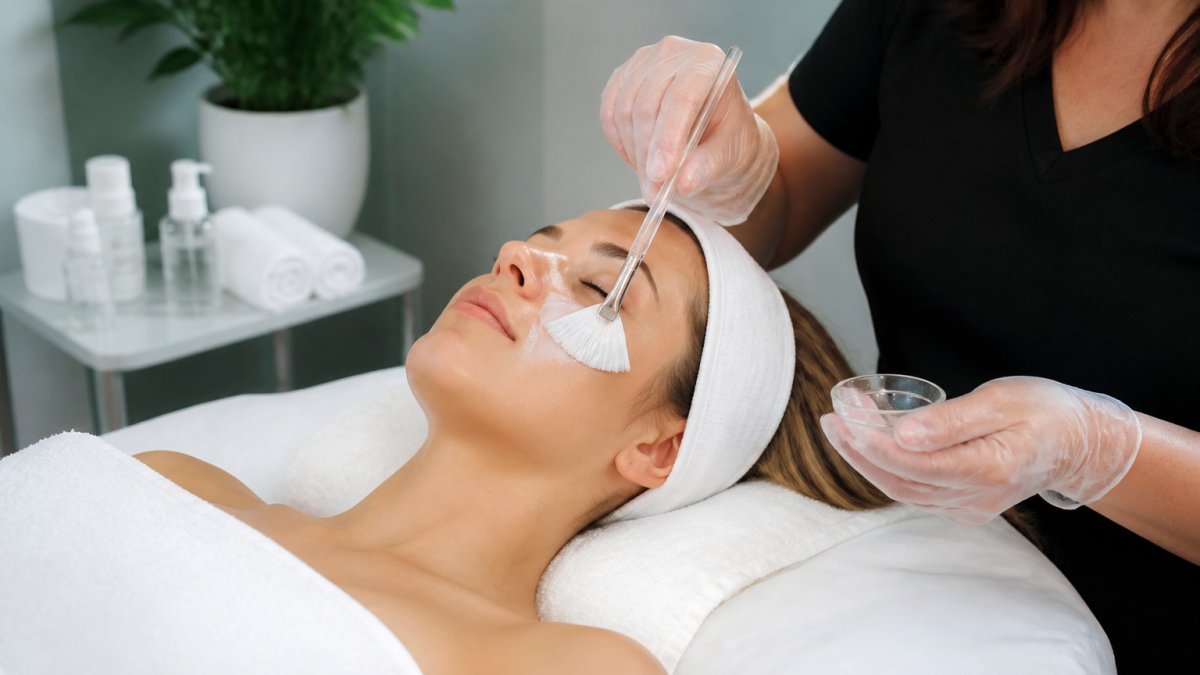
Chemical peels use acids to exfoliate the outer layers of skin, unclogging pores and accelerating skin cell turnover. Salicylic acid peels penetrate into pores to dissolve sebum and comedones, making them particularly effective for acne-prone skin. Glycolic acid peels improve overall texture and reduce redness. For acne scarring and hyperpigmentation, stronger peels with trichloroacetic acid (TCA) or phenol can produce more dramatic results.
The depth of the peel determines both effectiveness and recovery time. Light peels require minimal downtime but need regular repetition. Medium peels cause visible peeling and redness for several days. Deep peels deliver transformative results but involve significant recovery. Most people with active acne benefit from regular light to medium peels every 2-4 weeks as part of a maintenance routine.
Professional exfoliation works synergistically with other treatments. After a chemical peel, your skin is more receptive to topical medications and serums. The improved cell turnover reduces congestion and helps prevent future breakouts.
Light Therapy (Blue and Red Light)
Blue light therapy targets acne-causing bacteria (Cutibacterium acnes) by triggering a photochemical reaction that destroys bacterial cell walls. Red light therapy reduces inflammation and promotes healing by stimulating collagen production and increasing blood flow. Many professional light therapy systems combine both wavelengths for comprehensive acne management.
Professional light therapy delivers higher intensity and more targeted treatment than at-home devices. Most people see improvement in inflammation and active breakouts within 4-6 weeks of consistent treatment. Blue light is particularly effective for inflammatory acne, while red light addresses redness and scarring that follows breakouts.
Light therapy is non-invasive, drug-free, and suitable for sensitive skin. There's no downtime, no peeling, and no irritation risk. People taking medications that increase sun sensitivity (like tretinoin) can safely use light therapy indoors.
Microneedling for Acne Scars
Microneedling uses tiny needles to create controlled micro-injuries in the skin, triggering collagen induction and natural healing. This process fills in depressed acne scars, improves skin texture, and reduces the appearance of pitting and rolling scars. The procedure is particularly effective for atrophic scars (indented scars) that don't respond well to other treatments.
Professional microneedling devices deliver consistent needle depth and spacing, ensuring uniform collagen stimulation. Results develop gradually over 3-6 months as collagen remodels. Most people need 3-4 sessions spaced 4-6 weeks apart for optimal scar improvement. Microneedling can be combined with radiofrequency energy for enhanced collagen contraction or with topical serums that penetrate more deeply through the micro-channels created by needling.
Recovery involves mild redness and sensitivity for 24-48 hours. Unlike laser resurfacing, microneedling doesn't remove the outer skin layer, so healing is faster. It's suitable for all skin types, including darker skin tones.
Laser Skin Resurfacing
Laser skin resurfacing uses concentrated light energy to remove damaged outer skin layers and stimulate collagen remodeling. Ablative lasers (like CO2 and erbium) vaporize the epidermis and upper dermis, delivering dramatic results for severe acne scarring, hyperpigmentation, and skin texture. Non-ablative lasers stimulate collagen without removing skin, requiring multiple treatments but offering minimal downtime.
For severe acne scarring and post-acne hyperpigmentation, ablative laser resurfacing is one of the most effective options available. Results are visible immediately and continue improving for months as collagen remodels. A single treatment can produce results comparable to 6-8 microneedling sessions. The trade-off is significant downtime: expect 1-2 weeks of visible peeling, redness, and skin sensitivity.
Non-ablative fractional lasers offer a middle ground, delivering meaningful improvement with moderate downtime. If you have active acne, laser resurfacing should wait until breakouts are controlled, as the heat and inflammation can trigger additional breakouts.
| Treatment Type | Best For | Downtime | Results Timeline |
|---|---|---|---|
| Chemical Peels | Active acne, texture, mild scarring | 3-7 days | 4-6 weeks |
| Light Therapy | Inflammatory acne, sensitivity | None | 4-6 weeks |
| Microneedling | Depressed scars, texture | 24-48 hours | 3-6 months |
| Laser Resurfacing | Severe scarring, hyperpigmentation | 7-14 days | Immediate + 6 months |
Topical and Prescription Medications for Acne
Over-the-counter topical treatments form the foundation of many acne routines. Benzoyl peroxide kills acne bacteria and helps unclog pores. Salicylic acid exfoliates inside pores to prevent comedones. Niacinamide reduces sebum production and inflammation. These ingredients typically take 6-8 weeks to show full results.
Book your appointment today! →
For mild to moderate acne unresponsive to over-the-counter options, prescription topicals offer stronger intervention. Adapalene (Differin) is a prescription-strength retinoid now available over-the-counter in lower concentrations. Tretinoin (Retin-A) is a more potent retinoid that increases skin cell turnover dramatically, clearing acne and improving skin texture and fine lines simultaneously. Azelaic acid reduces inflammation and bacterial growth while addressing hyperpigmentation.
Prescription oral medications address acne from the inside. Oral antibiotics like doxycycline reduce bacteria and inflammation but should be combined with topical treatments to prevent antibiotic resistance. Hormonal medications like birth control pills regulate sebum production for hormonally-driven acne. Isotretinoin (Accutane) is reserved for severe, treatment-resistant cystic acne, but it offers the only potential cure for acne, with many people achieving long-term remission after a course.
A dermatologist can assess whether you're a candidate for prescription treatment and monitor your response. Many people find that combining a prescription topical with professional treatments produces faster and more dramatic results than either approach alone.
Acne Treatment Recovery Time and Maintenance
Recovery varies dramatically depending on which treatment you choose. At-home topical treatments have no recovery period, though your skin may be drier or more sensitive initially. Professional procedures range from zero downtime to significant recovery.
Light therapy and microneedling involve minimal recovery. You might see mild redness for a few hours to 48 hours, but you can return to normal activities immediately. Chemical peels cause visible peeling for 3-7 days depending on depth. Laser resurfacing requires 1-2 weeks of significant downtime with visible peeling and redness.
Maintenance schedules differ by treatment. Topical medications require daily or twice-daily application indefinitely. Professional procedures like chemical peels work best with regular repetition: monthly peels for active acne, every 6-8 weeks for maintenance. Microneedling and laser resurfacing deliver longer-lasting results; many people maintain results with touch-up treatments annually or every 18 months.
The most effective acne management combines approaches. You might use a prescription topical daily for prevention, get monthly professional peels for active breakouts, and add light therapy when inflammation flares.
Best Practices for Choosing Your Acne Treatment
Start with professional assessment. Before investing in any treatment, have your skin evaluated by a dermatologist or experienced esthetician who can identify your acne type, severity, and underlying causes. A proper diagnosis directs you toward treatments with the highest success probability.
Consider your skin sensitivity and tolerance. If you have reactive, easily-irritated skin, aggressive treatments might cause more problems than they solve. Gentler options like light therapy or lower-strength retinoids allow you to build tolerance gradually. If your skin is resilient and you have severe acne, stronger interventions often deliver faster results.
Evaluate your timeline and downtime tolerance. If you need clear skin for an event in two months, laser resurfacing might not be practical due to recovery time. Light therapy and microneedling with minimal downtime might be better choices.
Address maintenance realistically. Some treatments require ongoing commitment. Tretinoin must be used continuously to maintain results. Professional peels need monthly repetition during active acne phases. Honesty about your habits determines which treatment will actually work for your life.
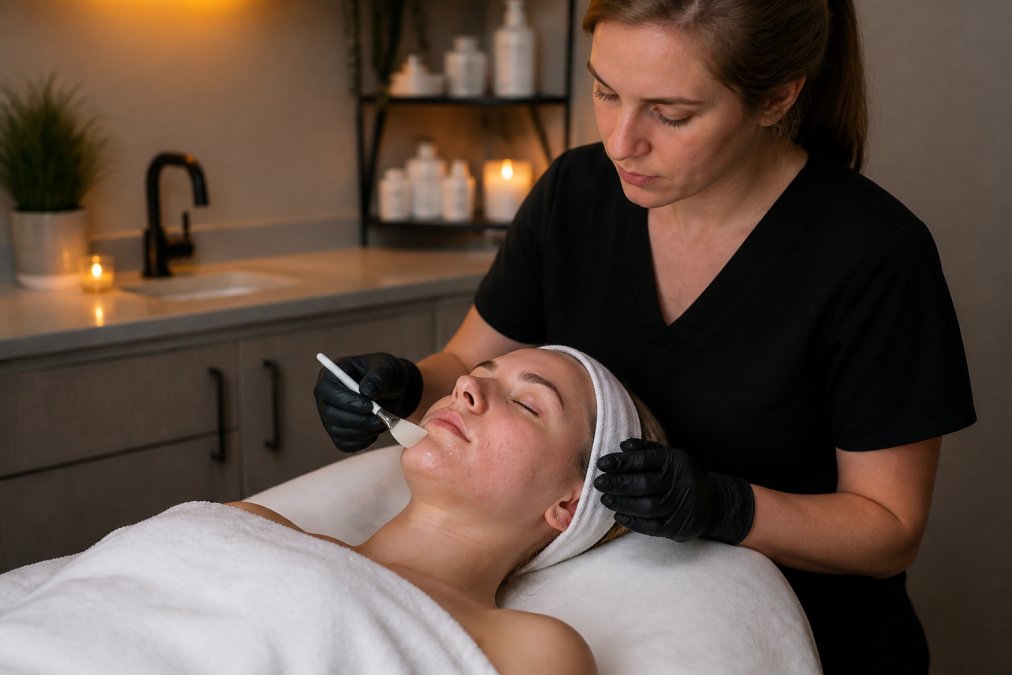
Custom Corrective Facials as a Comprehensive Alternative
Custom corrective facials represent a different approach to acne treatment, one that prioritizes personalization and skin barrier health alongside breakout control. Rather than applying the same protocol to every client, custom facials begin with thorough skin analysis to identify your specific concerns, skin type, sensitivities, and goals.
Skin Solutions by 2 Divas specializes in this personalized approach. Our specialists conduct detailed skin assessments that evaluate your skin's hydration, oil production, sensitivity level, and how it responds to different ingredients. This analysis reveals whether your acne stems from dehydration, excess oil, bacterial overgrowth, inflammation, or a combination. The corrective facial is then customized with high-quality ingredients and techniques designed specifically for your skin's needs.
This methodology addresses acne while protecting your skin barrier. Many aggressive acne treatments damage the skin's natural protective layer, causing irritation and increased sensitivity. Custom corrective facials use strategic exfoliation, targeted actives, and nourishing ingredients to clear acne without compromising skin health.
Regular custom corrective facials create a maintenance routine that prevents future breakouts while improving overall skin texture, tone, and radiance. Many clients find that combining monthly professional facials with appropriate at-home skincare produces sustained improvement without the irritation or downtime of more aggressive procedures. For people in Sebring and Highlands County struggling with persistent acne or skin congestion, this personalized, results-driven approach often delivers the consistency and confidence they've been seeking.
Conclusion
Acne treatment alternatives range from prescription medications and professional procedures to personalized skincare protocols. The best choice depends on your acne type, severity, skin sensitivity, and lifestyle. A dermatologist can prescribe medications like tretinoin for moderate to severe acne, while an esthetician excels at professional treatments like chemical peels, light therapy, and microneedling. Many people see the best results by combining approaches.
If you're in the Sebring or Highlands County area and ready to address persistent acne or post-acne concerns, Skin Solutions by 2 Divas offers custom corrective facials tailored to your skin's unique needs. Our specialists conduct thorough skin analysis and create personalized treatment plans using high-quality ingredients designed to target acne, improve skin texture, and restore your skin's natural radiance. Book your appointment today and experience a results-driven approach to clear, healthy skin.
Frequently Asked Questions
What's the difference between seeing a dermatologist versus an esthetician for acne treatment?
Dermatologists are medical doctors who diagnose and treat skin conditions, including acne vulgaris, and can prescribe medications or perform clinical procedures. Estheticians are licensed skincare specialists trained in facials, exfoliation, and non-invasive treatments but cannot diagnose medical conditions or prescribe medications. For severe or cystic acne, a dermatologist is typically necessary. For mild to moderate acne or maintenance, an esthetician's professional acne treatment options, like chemical peels, microneedling, or custom corrective facials, can be effective and more affordable.
How long does recovery take after professional acne treatments?
Recovery time varies by treatment. Chemical peels may cause redness and peeling for 3-7 days. Microneedling typically shows mild redness for 24-48 hours. Laser skin resurfacing can require 5-10 days of downtime with visible peeling. Light therapy has no downtime. Most professional acne treatment recovery is minimal with proper aftercare, though results develop over multiple sessions spaced 2-4 weeks apart. Your specialist will provide specific acne treatment recovery time guidance based on your chosen procedure.
Can professional facials actually treat acne, or are they just for relaxation?
Professional acne treatment options go far beyond relaxation. Custom corrective facials use targeted ingredients, exfoliation techniques, and clinical-grade products to unclog pores, reduce inflammation, and address acne-prone skin. A thorough skin analysis allows specialists to identify your specific acne triggers, whether comedones, sebum production, or bacteria, and create a personalized treatment plan. Results depend on consistency; most clients see improvement after 3-4 sessions, with best practices including regular maintenance appointments and a complementary at-home routine.
What are the best practices for maintaining clear skin after professional acne treatment?
Best practices include following your specialist's aftercare instructions closely, using a consistent at-home skincare routine with appropriate acne-fighting ingredients, and scheduling maintenance treatments every 4-6 weeks. Avoid touching your face, manage stress, stay hydrated, and protect your skin from sun exposure. If you're using prescription medications like tretinoin or topical retinoids, combine them with professional treatments only under professional guidance. Consistency matters more than expensive products, results come from adhering to your personalized plan over time.
This article was written using GrandRanker