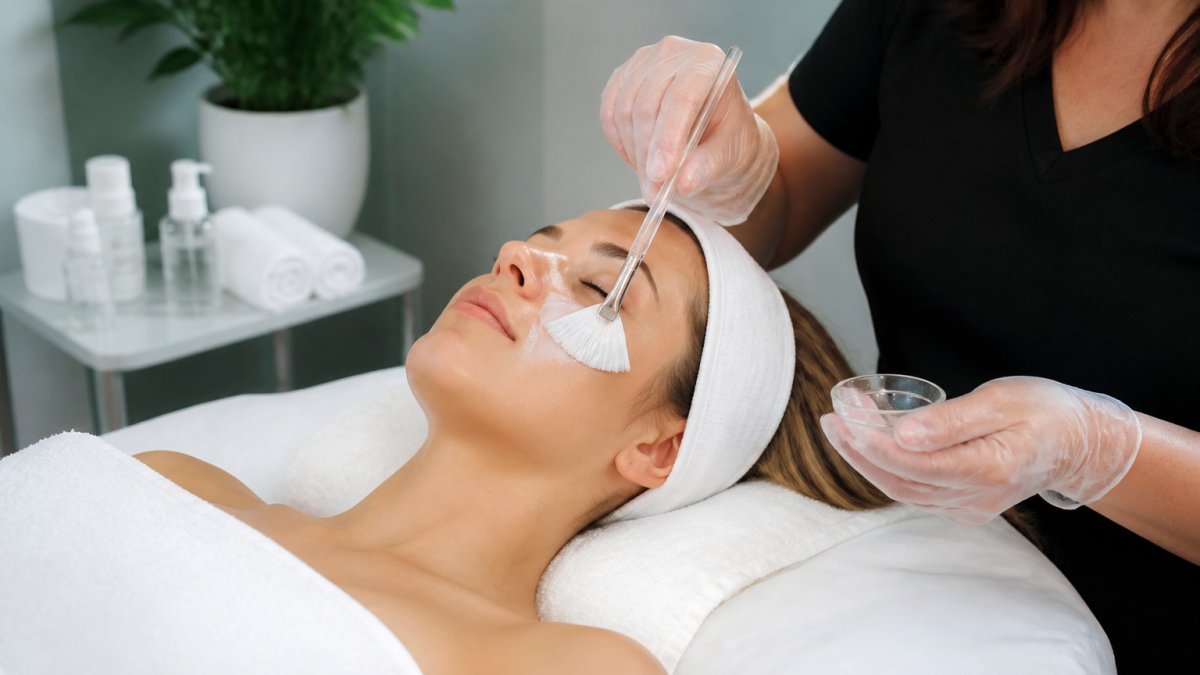
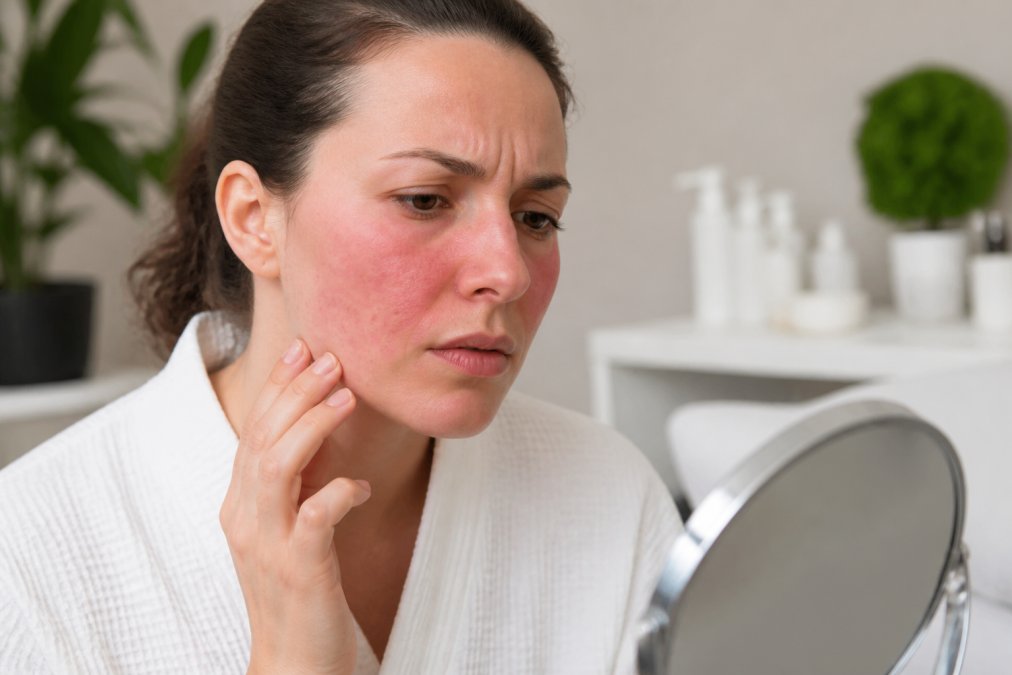
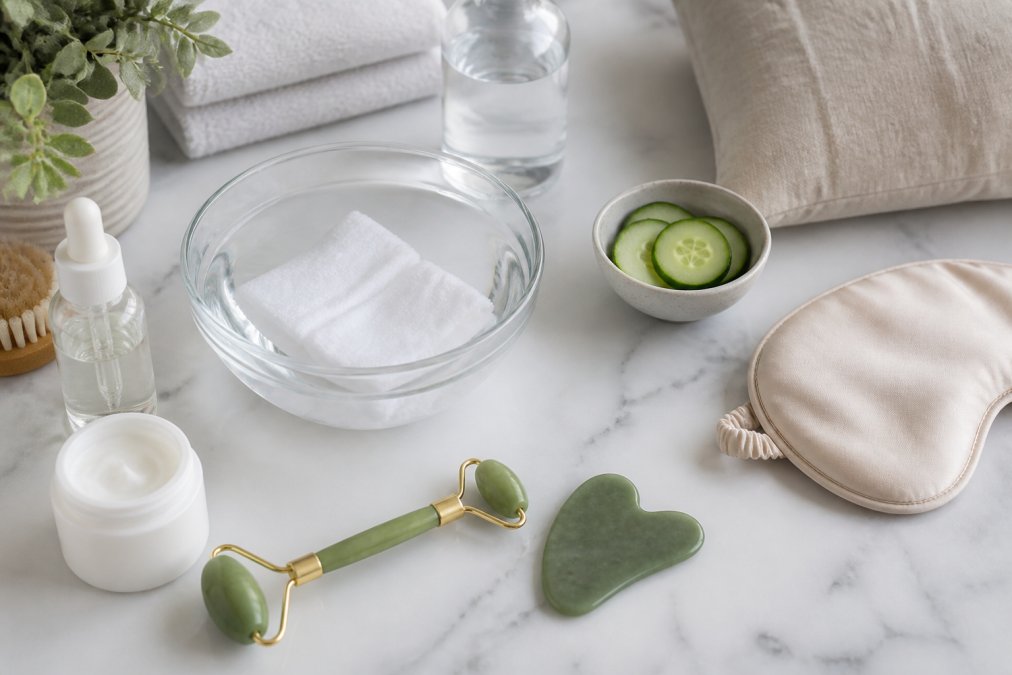
 listicle
5 Ways to Maintain Glowing Skin After a Facial
Table of Contents
- 1. Prioritize Hydration and Water Intake
- 2. Follow a Gentle Cleansing Routine
- 3. Apply Sun Protection and SPF Daily
- What Not to Do After a Facial
- Post-Facial Skincare Routine Essentials
- How Often to Get Facials for Best Results
- Maintain Glowing Skin Between Appointments
- Frequently Asked Questions
Last Updated: August 30, 2026
1. Prioritize Hydration and Water Intake
Your skin's barrier has just been treated and needs serious hydration support to lock in the benefits. After a facial, your skin is more permeable and receptive to moisture absorption. Aim to drink at least eight glasses of water daily, as consistent hydration throughout the day keeps your skin cells plump and dewy (the NIH).
Beyond water, eat foods with high water content like cucumbers, watermelon, leafy greens, and citrus fruits. At SKIN SOLUTIONS BY 2 DIVAS, we recommend pairing internal hydration with topical support. A hydrating serum with hyaluronic acid, like The Ordinary Hyaluronic Acid 2% + B5 Serum, draws moisture into the skin's deeper layers and keeps that post-facial glow locked in for days.
Hydrate consistently throughout the day rather than loading up on water all at once. Pair this with a good moisturizer applied to damp skin immediately after cleansing, and you've created an environment where your skin can genuinely thrive.
2. Follow a Gentle Cleansing Routine
After a professional facial, your skin is sensitive and temporarily compromised. Switch to a gentle, hydrating cleanser that removes impurities without stripping the skin barrier. Avoid foaming cleansers, which tend to be more drying. Instead, reach for cream-based or milk cleansers. CeraVe Hydrating Cleanser contains ceramides to restore the skin barrier while hyaluronic acid attracts moisture. La Roche-Posay Tolerienne Hydrating Gentle Cleanser offers similar benefits with added niacinamide for soothing sensitive skin.
Use lukewarm water, not hot. Gently massage the cleanser across your face in circular motions for about 30 seconds, then rinse thoroughly. Pat dry with a soft towel, don't rub. Cleanse twice daily: once in the morning and once before bed. If your skin feels particularly sensitive on day one or two post-facial, you can skip the morning cleanse and just rinse with lukewarm water.
3. Apply Sun Protection and SPF Daily
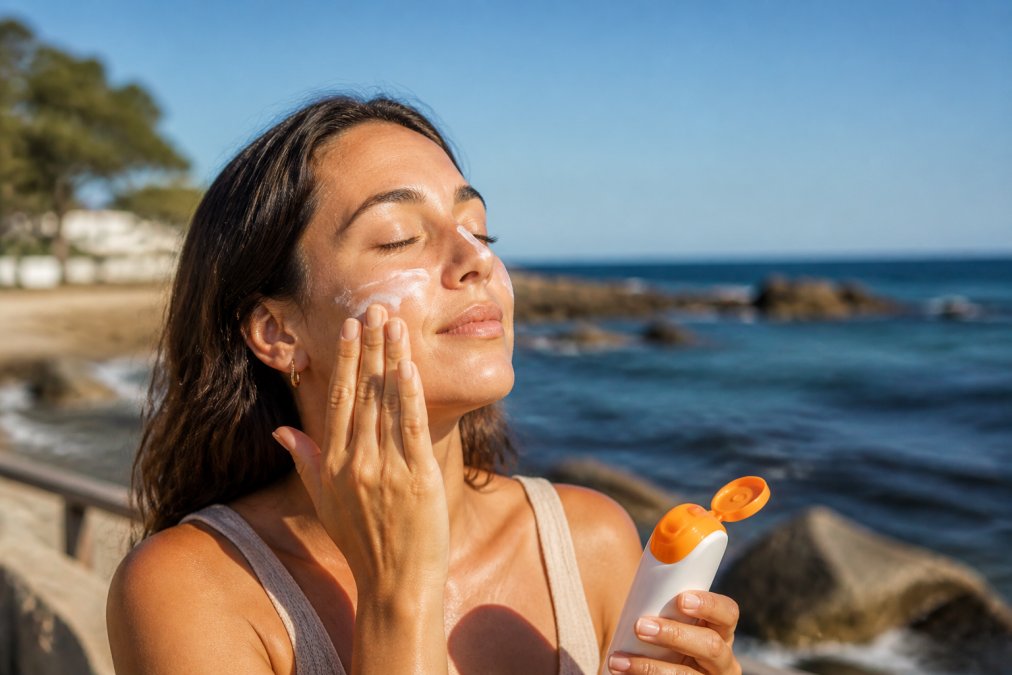
Sun protection after a facial is essential. Your skin has been exfoliated and treated, making it more vulnerable to UV damage. Sun exposure can undo the benefits of your facial, trigger hyperpigmentation, and cause inflammation that sets back your skin's recovery.
Apply a broad-spectrum SPF 30 or higher every single day, even if you're staying indoors (the FDA). UV rays penetrate windows, and incidental sun exposure adds up. For post-facial skin, choose a sunscreen that won't irritate or clog pores. EltaMD UV Clear Broad-Spectrum SPF 46 is specifically formulated for sensitive, acne-prone skin. It contains zinc oxide for physical protection, niacinamide to calm inflammation, and hyaluronic acid for hydration.
Reapply sunscreen every two hours if you're spending time outdoors. If you're wearing makeup, a powder sunscreen or setting spray with SPF can serve as a midday touch-up. Sunscreen is the single most effective anti-aging product you can use, and it's especially critical in the days and weeks following a facial.
What Not to Do After a Facial
Understanding what to avoid is just as important as knowing what to do. The first 48-72 hours after a facial are critical for protecting your investment and allowing your skin to heal properly.
Avoid touching your face. Your hands carry bacteria, oils, and dirt. Touching your face introduces these contaminants to freshly treated, open pores, triggering breakouts or infection.
Skip harsh exfoliants. Don't use physical scrubs, chemical exfoliants, or any product containing acids (AHAs, BHAs) for at least 48-72 hours (the American Academy of Dermatology). Your esthetician has already removed dead skin cells and stimulated cell turnover.
Don't use retinoids or vitamin C serums. These powerful actives can trigger inflammation, redness, or sensitivity when applied to freshly treated skin. Wait at least one week before reintroducing retinoids.
Avoid heavy makeup. If possible, go makeup-free for 24 hours. If you must wear makeup, choose mineral-based formulas that won't clog pores.
Don't take hot showers or baths. Heat opens pores and can trigger inflammation. Stick to lukewarm water for at least 48 hours.
Skip intense exercise for 24-48 hours. Sweating post-facial can irritate treated skin and introduce bacteria to open pores. Light walking is fine.
Don't apply new products. Resist the urge to try new serums or masks. Your skin is sensitive and reactive. Wait at least one week before starting anything new.
Post-Facial Skincare Routine Essentials
Your post-facial routine should be simple, hydrating, and focused on supporting skin recovery. Strip your routine down to essentials and gradually build back up.
Morning routine (under 5 minutes): Rinse your face with lukewarm water or use a gentle cleanser if needed. Apply a hydrating toner or essence to damp skin. Follow with a hydrating serum containing hyaluronic acid. Apply a lightweight moisturizer. Finish with broad-spectrum SPF 30 or higher.
Evening routine (under 10 minutes): Cleanse gently with a cream or milk cleanser. Pat skin dry. Apply a hydrating toner or essence to damp skin. Follow with a hydrating serum. Apply a richer night moisturizer or facial oil if your skin is dry. You can add a hydrating mask once or twice a week if desired.
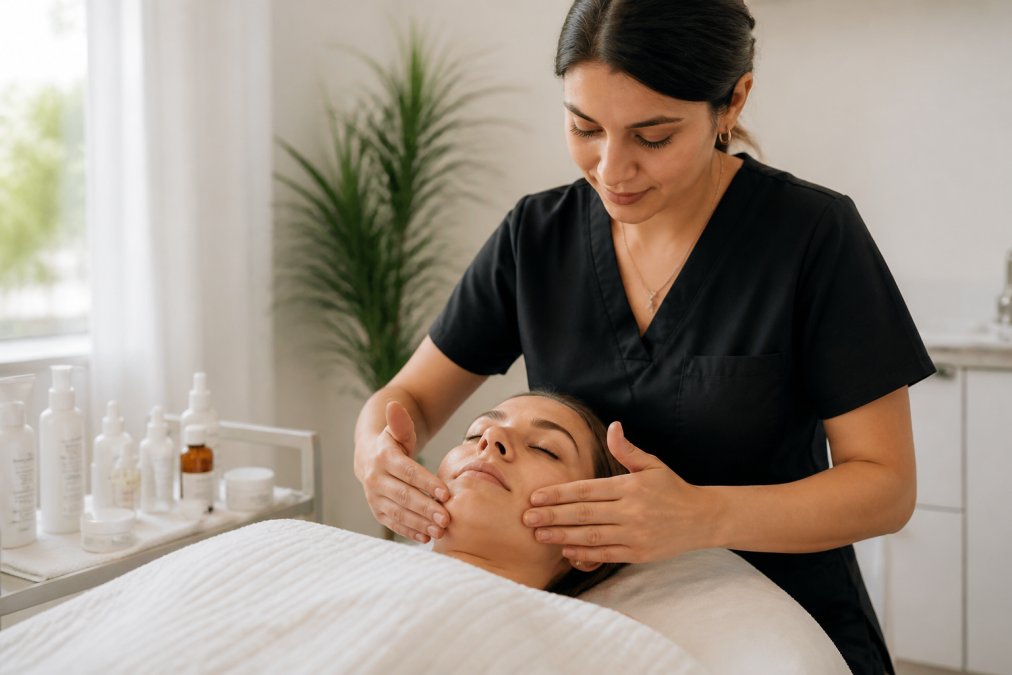
Key products to have on hand: A gentle cleanser, a hydrating serum with hyaluronic acid, a lightweight moisturizer, and broad-spectrum sunscreen form the foundation of post-facial care. The Ordinary Hyaluronic Acid 2% + B5 Serum is affordable and effective. For a more luxurious option, Indie Lee Squalane Facial Oil provides lightweight hydration without overwhelming sensitive skin.
Consistency beats complexity. Use the same routine every day for at least one week post-facial. Once you've confirmed your skin is stable and happy, you can gradually reintroduce other products.
How Often to Get Facials for Best Results
The frequency of facials depends on your skin type, concerns, and goals.
Book your appointment today! →
For acne-prone or congested skin: Monthly facials work best. Professional treatments help manage breakouts, reduce pore congestion, and support cell turnover.
For aging skin or fine lines: Facials every 4-6 weeks provide optimal results. This frequency allows enough time for collagen production to ramp up while maintaining the benefits of the previous treatment.
For hyperpigmentation or uneven texture: Monthly or bi-monthly facials work well. These concerns often require consistent professional treatment combined with diligent sun protection and targeted serums.
For maintenance and general health: Every 6-8 weeks is sufficient if your skin is stable and you're focused on prevention rather than correction.
The key variable is your skin's response. At SKIN SOLUTIONS BY 2 DIVAS, we conduct a thorough skin analysis before recommending a treatment frequency. Between facials, your at-home routine determines how long results last. Consistent hydration, sun protection, and gentle cleansing extend the benefits significantly.
Maintain Glowing Skin Between Appointments
The magic happens between appointments. Your at-home routine determines whether your skin maintains that post-facial glow or reverts to its pre-treatment state.
Prioritize consistency. Use the same products and routine every day. Your skin adapts and responds better to predictable care than to constant switching.
Keep hydration central. Hydrating serums, moisturizers, and facial mists maintain skin plumpness and radiance. A hydrating mist like Pixi Glow Mist can refresh your skin midday.
Support your skin barrier. Use products with ceramides, niacinamide, and hyaluronic acid to strengthen it. A compromised barrier leads to sensitivity, dryness, and accelerated aging.
Sleep on silk. A silk pillowcase like Blissy 22 Momme Mulberry Silk reduces friction on your skin while you sleep, minimizing sleep creases and helping your skin retain moisture overnight.
Stay hydrated internally. Continue drinking water consistently. Your skin reflects your overall health.
Introduce actives gradually. Once your skin has fully recovered (after one week), you can reintroduce vitamin C serums or retinoids. Introduce them slowly, once or twice per week initially, then gradually increase frequency.
Protect from the sun religiously. Daily sunscreen is non-negotiable. It's the single most effective anti-aging step you can take.
Schedule your next appointment strategically. Don't wait until your skin looks dull again. Schedule your next facial before the glow completely fades.
| Post-Facial Timeline | Key Actions | Duration |
|---|---|---|
| Hours 0-24 | Gentle cleanse, hydrate, sunscreen, avoid actives | 1 day |
| Days 2-3 | Resume gentle routine, avoid exfoliants, maintain hydration | 2-3 days |
| Week 1 | Introduce light actives if tolerated, maintain consistency | 7 days |
| Weeks 2-4 | Full routine, monitor skin response, plan next appointment | 3 weeks |
| Ongoing | Consistent at-home care, monthly or bi-monthly facials | Long-term |
The difference between clients who maintain their glow and those who don't comes down to consistency. Professional facials provide the intensive treatment, but your daily choices determine whether results stick around.
Maintaining glowing skin after a facial requires commitment to hydration, sun protection, and consistency. The professional treatment your skin receives is only half the equation. The other half is your daily at-home routine and the choices you make between appointments. At SKIN SOLUTIONS BY 2 DIVAS, we don't just deliver a facial, we create a personalized plan that supports your skin's long-term health and radiance. Book your appointment today and discover how custom corrective facials combined with professional guidance can transform your skin and help you maintain that glow for months to come.
Frequently Asked Questions
How long does your face look good after a facial?
Most people see a visible glow and improved skin texture for 3-7 days immediately following a professional facial. However, the deeper benefits of a custom corrective facial, such as improved skin barrier function, reduced inflammation, and enhanced cell turnover, continue to develop over the following weeks with proper aftercare. To maintain that radiance beyond the initial week, consistent hydration, sun protection, and a tailored skincare routine are essential. Your esthetician will provide specific guidance based on your skin's response to treatment.
How often should I get a facial to maintain results?
Most skin types benefit from a professional facial every 4-6 weeks, as this aligns with your skin's natural cell turnover cycle of approximately 28 days. However, the ideal frequency depends on your individual skin concerns, sensitivity level, and the type of facial performed. Those addressing active acne or significant hyperpigmentation may see better results with treatments every 3-4 weeks initially, while maintenance facials can often be spaced to every 6-8 weeks once results are established. Your esthetician at Skin Solutions by 2 Divas will recommend a personalized schedule based on your skin analysis and treatment goals.
What should I apply on my face after a facial?
Immediately after your facial, apply only what your esthetician recommends, typically a hydrating serum and moisturizer suited to your skin type. Gentle, nourishing products with hyaluronic acid, ceramides, and antioxidants support your skin barrier during the recovery phase. Avoid layering multiple active ingredients like retinoids or vitamin C serums for at least 24-48 hours. If your skin feels tight or sensitive, a lightweight facial oil can provide additional comfort. Always follow your esthetician's post-treatment protocol, as they've analyzed your specific skin needs and chosen products that work synergistically with your facial treatment.
What not to do after a facial?
Avoid touching, picking, or applying pressure to your face for at least 24 hours post-facial, as your skin barrier is in recovery mode. Skip harsh exfoliants, retinoids, and active ingredients for 48 hours. Don't expose your skin to direct sun without SPF 30 or higher, as treated skin is more vulnerable to UV damage and hyperpigmentation. Avoid hot water, saunas, and intense exercise that increase sweating and heat exposure. Steer clear of heavy makeup or layering multiple serums immediately after treatment. If your skin shows signs of irritation or adverse reactions, contact your esthetician rather than self-treating with additional products.
Can I wear makeup after getting a facial?
Most estheticians recommend waiting at least 24 hours before applying makeup to allow your skin barrier to stabilize and reduce the risk of irritation or infection. If you must wear makeup sooner, use only mineral-based, non-comedogenic products and apply with clean brushes. Avoid heavy foundations or powders that can clog pores or trap heat on freshly treated skin. Keep makeup application minimal and remove it gently with a soft cleanser before bed. If your skin shows redness, sensitivity, or active inflammation, skip makeup entirely until your skin has fully recovered, typically within 24-48 hours.
This article was written using GrandRanker