 ultimate-guide
Why Acne Gets Worse Before Better: Purging Guide
Table of Contents
- What Is Skin Purging and Why It Happens
- Signs of Skin Purging vs Breakout: How to Tell the Difference
- How Long Does Skin Purging Last? Ingredient-Specific Timelines
- Habits That Worsen Acne During the Purging Phase
- How to Manage Skin During the Transition Phase
- Professional Acne Treatment Benefits for Stubborn Purging
- When to See a Dermatologist or Skin Professional
- Conclusion: Staying the Course Through Acne Purging
- Frequently Asked Questions
Last Updated: September 17, 2026
What Is Skin Purging and Why It Happens
Skin purging is the temporary worsening of acne that happens when an active ingredient speeds up cell turnover, pushing existing clogs to the surface faster than your skin would normally shed them. If you've asked yourself why does acne get worse before it gets better, this is usually the answer. At SKIN SOLUTIONS BY 2 DIVAS in Sebring, FL, we understand that starting a new active ingredient can sometimes lead to initial concerns.
The Role of Cell Turnover in Acne Purging
Cell turnover is the rate at which your skin sheds old cells and replaces them with new ones. A typical cycle runs roughly four to six weeks; actives compress that timeline, which is why the purge feels like a sudden eruption rather than a gradual clearing.
- Faster turnover pushes microcomedones to the surface sooner
- Existing clogs surface as inflamed papules rather than staying hidden
- The dermal layer keeps producing new cells underneath the whole time
- Once the backlog clears, skin texture typically improves noticeably
Signs of Skin Purging vs Breakout: How to Tell the Difference
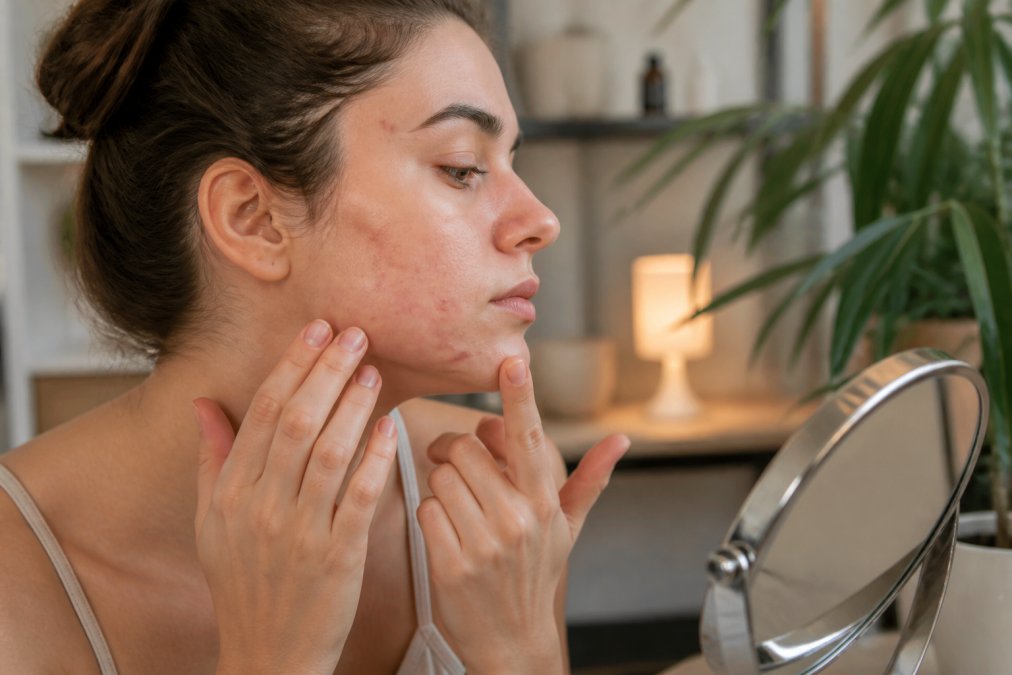
The clearest signs of skin purging versus a breakout come down to location, timing, and lesion type. Purging appears in the areas where you already break out, starts within two to six weeks of a new product, and clears relatively quickly. A genuine breakout from irritation or a bad product shows up in new places, often along the jaw, cheeks, or hairline where you rarely get blemishes.
| Signal | Skin Purging | Irritation Breakout |
|---|---|---|
| Timing | 2-6 weeks after starting | Any time, often immediate |
| Location | Your usual breakout zones | New or unusual areas |
| Lesion type | Small, uniform papules | Large, inflamed, varied |
| Accompaniments | Minimal irritation | Redness, stinging, flaking |
| Trajectory | Improves week by week | Worsens or stays flat |
Where Purging Shows Up vs Where Breakouts Appear
Purging follows your existing pattern. If your congestion lives on your chin and forehead, that's where it will surface. Breakouts triggered by irritation, over-washing, or a comedogenic moisturizer tend to appear wherever the offending product sat heaviest.
How Long Does Skin Purging Last? Ingredient-Specific Timelines
Most purging resolves within four to six weeks, but the timeline depends on which active you're using. A retinoid purge and a salicylic acid purge do not run on the same clock, and treating them as if they do leads people to quit too early.
Retinoids, Exfoliants, and Other Active Ingredients That Trigger Purging
Retinoids are the most common culprit. Tretinoin, adapalene, and retinol all accelerate turnover significantly, and their purges tend to run the longest, often six to eight weeks before skin settles. Chemical exfoliants like salicylic and glycolic acid purge faster because they work more superficially, usually clearing within two to four weeks. Benzoyl peroxide can trigger a shorter purge by killing acne bacteria while loosening clogs.
- Retinoids: 4-8 weeks, sometimes longer at higher strengths
- AHA/BHA exfoliants: 2-4 weeks
- Benzoyl peroxide: 2-4 weeks
- Azelaic acid: 3-6 weeks
Habits That Worsen Acne During the Purging Phase
The habits that make purging worse are almost always well-intentioned, and most share a single root cause: they interfere with the skin barrier while cell turnover is already accelerated. When the barrier is compromised, transepidermal water loss rises, inflammation climbs, and the purge that should have cleared in four weeks stretches into eight or ten. Here is what actually moves the needle.
How to Manage Skin During the Transition Phase
Most guides explain the biology of purging and stop there. What they miss is that the hardest part is the decision, somewhere around week three, to keep going when your skin looks worse than when you started. Adherence is the real variable: a perfect routine abandoned at week four produces nothing, while a modest routine maintained through week eight produces clear skin.
Know Which Stage You're In
Purging follows a fairly predictable arc, and knowing where you are makes the timeline feel less like failure.
- Weeks 1-2 (activation): Turnover accelerates. You may see mild flaking, dryness, or a few new papules in your usual breakout zones. This is the active working, not a reaction.
- Weeks 3-5 (peak purge): The backlog surfaces all at once. This is the ugliest stretch and the point where most people quit. Lesions should be confined to your normal breakout areas and should be smaller and more uniform than your typical cysts.
- Weeks 6-8 (decline): New lesions slow, existing ones heal faster, and overall texture begins to improve. If you are not seeing any decline by week eight, that is a signal to reassess, not to push harder.
- Weeks 8-12 (stabilization): Skin settles into the new baseline. This is when the active's real results become visible.
The Minimal Routine That Actually Works
A purge is not the time to add products. A gentle non-foaming cleanser, a non-comedogenic moisturizer, a daily broad-spectrum sunscreen, and your single active is the entire regimen. Everything else, toners, essences, masks, spot treatments, adds variables without results, and each new product is a new opportunity for irritation mistaken for purging.
Book your appointment today! →
Protecting Your Motivation
The psychological toll of a purge is real and underdiscussed. The psychological toll of a purge is real and underdiscussed. Three habits help:
- Track weekly, not daily. Photograph your skin once a week in the same lighting. Daily mirror checks magnify day-to-day noise and hide real progress.
- Set a decision date, not a quit date. Commit to evaluating the product at week eight, not week two. This removes the daily 'should I stop?' negotiation.
- Separate the purge from your identity. A purge is a temporary physiological process, not a verdict on your skin or your choices.
Post-Purge Skin Barrier Repair
Once the purge subsides, the priority shifts to repairing what the active put your skin through. Barrier repair means reintroducing ceramides, niacinamide, and hydrating ingredients while tapering your active to a maintenance frequency. This is where most people stop too soon and lose their results.
- Reduce your active to two or three nights weekly
- Add a barrier-supporting serum with ceramides or niacinamide
- Keep sunscreen daily, no exceptions
- Give skin four to six weeks at maintenance before judging results
Professional Acne Treatment Benefits for Stubborn Purging
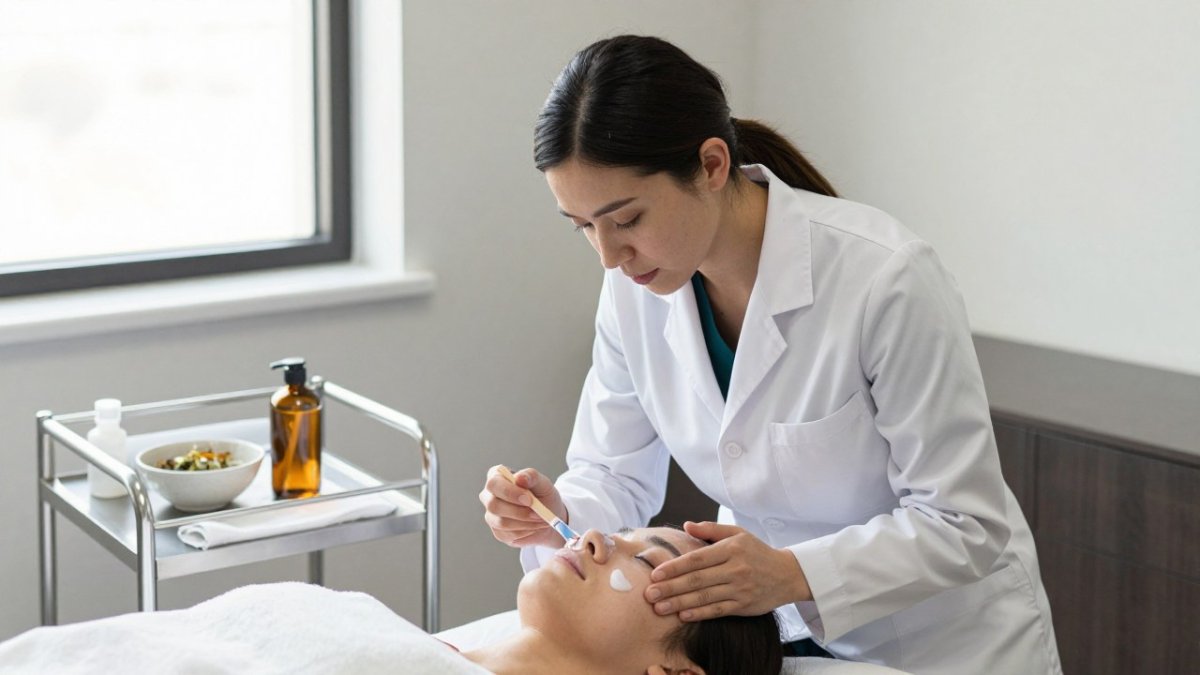
Professional acne treatment benefits show up most clearly when a purge stalls or at-home products aren't enough. A corrective facial performed by a trained esthetician can clear congestion, calm inflammation, and support the skin barrier in ways a single product can't. The advantage is a thorough skin analysis that identifies what's actually driving your breakouts, hormonal congestion, a compromised barrier, or product overload.
When to See a Dermatologist or Skin Professional
See a dermatologist or skin professional if your breakout lasts beyond eight weeks, worsens steadily instead of improving, or comes with deep, painful cysts. Those are signs of acne vulgaris or another dermatological condition that needs prescription topical medication or oral treatment, not a stronger over-the-counter product.
Red flags worth acting on:
- Cystic lesions that scar
- No improvement after two months on a consistent routine
- Signs of a damaged skin barrier: persistent redness, stinging, flaking
- Breakouts tied to hormonal shifts that never settle
Conclusion: Staying the Course Through Acne Purging
The hardest part of a purge is trusting the process when your skin looks worse than when you started. It's temporary, predictable, and a sign the active is doing its job. What matters is knowing the difference between purging and irritation, keeping your routine simple, and getting professional eyes on your skin when the timeline doesn't add up.
Frequently Asked Questions
How long does the acne purging phase typically last?
Acne purging usually lasts four to six weeks, though it can extend to eight weeks depending on the active ingredient and your skin's cell turnover rate. Retinoids like tretinoin often trigger longer purging cycles than gentler exfoliants such as salicylic acid. If your skin is still worsening after eight to ten weeks with no signs of improvement, the product may be causing irritation rather than true purging. A professional skin analysis can help determine whether you should adjust your routine or stop the active ingredient altogether.
How can you tell the difference between skin purging and a breakout?
The signs of skin purging vs breakout come down to location, timing, and type of blemish. Purging appears in areas where you already break out, brings small blackheads and whiteheads to the surface, and starts within two to six weeks of beginning a new active ingredient. A regular breakout shows up in new areas, includes painful cystic lesions, and often signals irritation, clogged pores from a comedogenic product, or a reaction to something in your routine. Patch testing new products and tracking where blemishes appear can help you identify which one you are dealing with.
Should I stop using my skincare products if my acne gets worse?
Do not stop immediately if you are within the first six weeks of using a retinoid, exfoliant, or other active ingredient and the blemishes are appearing in your usual breakout zones. That pattern points to purging, which resolves as cell turnover pushes trapped debris out of your hair follicles. However, if you notice burning, redness, peeling, or breakouts in new areas, scale back to two or three times per week or pause entirely. A corrective facial at Skin Solutions by 2 Divas in Sebring can help you decide whether to adjust or discontinue the product.
How can professional acne treatment benefits help during the purging phase?
Professional acne treatment benefits can include targeted extractions that clear trapped sebum, and a customized home routine that keeps your skin barrier intact. At Skin Solutions by 2 Divas in Sebring, FL, each corrective facial starts with a thorough skin analysis so your treatment plan matches your specific stage of the purging process and avoids over-treating already inflamed skin.