 ultimate-guide
What to Avoid After a Chemical Peel: 2026 Recovery Guide
Table of Contents
- Why Chemical Peel Aftercare Decides Your Results
- Your Chemical Peel Recovery Timeline, Day by Day
- Ingredients and Products to Avoid After a Chemical Peel
- Sun, Heat, and Sweat: The Three Fastest Ways to Ruin a Peel
- Can I Wear Makeup After a Chemical Peel?
- Signs of Chemical Peel Complications You Should Never Ignore
- How to Build a Post-Peel Routine That Actually Heals
- Frequently Asked Questions
Last Updated: September 20, 2026
Why Chemical Peel Aftercare Decides Your Results
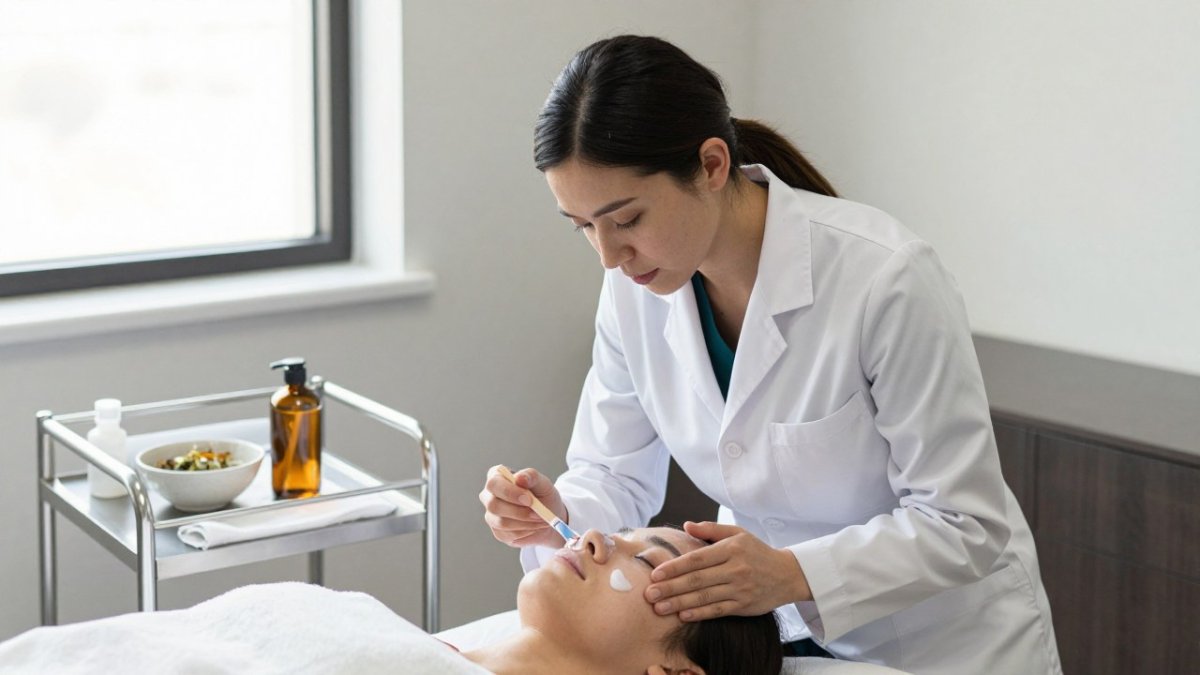
Chemical peel aftercare, what you avoid after getting a peel, matters more than the peel itself. The treatment creates controlled injury to the epidermis; how you treat that skin in the following days determines whether you get an even, glowing result or a patch of post-inflammatory hyperpigmentation that lingers for months.
Your Chemical Peel Recovery Timeline, Day by Day
Chemical peel recovery follows a predictable arc, though depth changes the intensity. A superficial peel may barely flake; a medium peel can leave you visibly peeling for a week.
Days 1-3: Swelling, Tightness, and the First Flaking
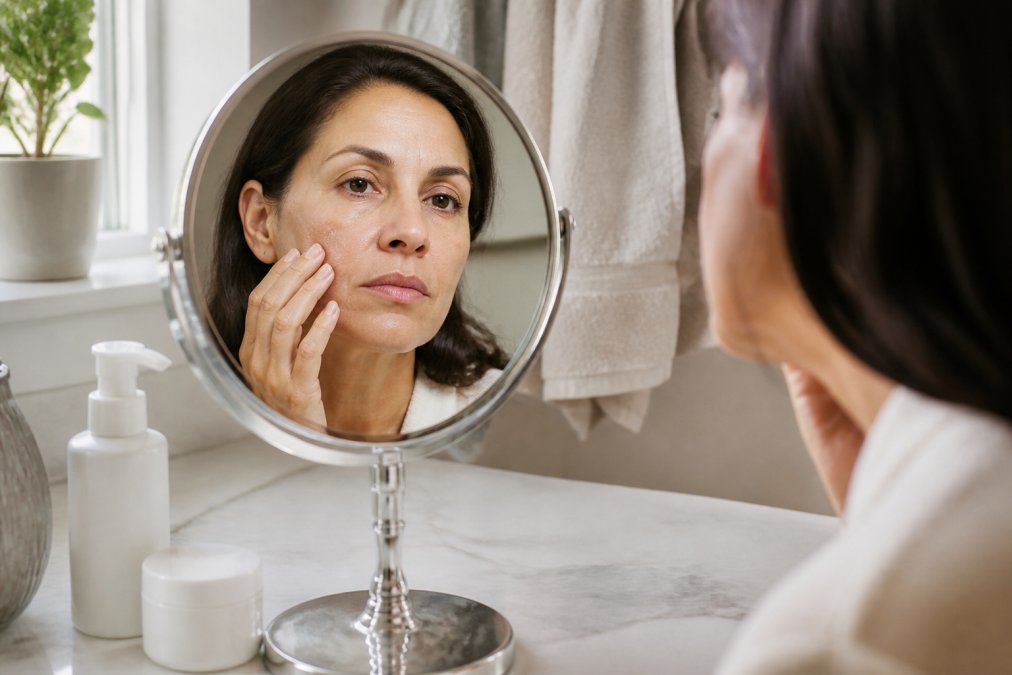
Expect tightness, mild swelling, and a feeling like a mild sunburn. Skin may look shiny and feel drawn. Gentle cleanser and a bland moisturizer are your entire routine. No actives, no exfoliation, no exceptions.
Days 4-7: Peak Peeling and the Itch That Tests You
This is when desquamation begins in earnest. Flaking starts around the mouth and nose, then spreads. Itching is normal; scratching is not. Let flakes shed on their own. Pulling them off early disrupts the healing process and raises your risk of scarring and uneven pigment.
Ingredients and Products to Avoid After a Chemical Peel
Certain ingredients that normally help your skin will actively harm it during recovery. The rule is simple: nothing that exfoliates, nothing that stimulates turnover, nothing that strips the barrier. The harder part is recognizing those ingredients when they appear on a label under a name you don't expect.
How to Cross-Reference Your Own Product Labels
Most guides say "avoid retinoids" and stop there. That leaves you staring at a serum bottle wondering whether it qualifies. Here is what to actually scan for on the ingredient list:
- Retinoids: retinol, retinyl palmitate, retinyl retinoate, retinaldehyde (sometimes listed as retinal), adapalene, tazarotene, tretinoin, and the prescription brand names that contain them. If the word root "retin-" appears, treat it as a retinoid.
- AHAs: glycolic acid, lactic acid, mandelic acid, malic acid, tartaric acid, citric acid (when it appears high on the list rather than as a trace pH adjuster).
- BHAs: salicylic acid, betaine salicylate, and willow bark extract, which is a natural salicylate source.
- Vitamin C: L-ascorbic acid, ascorbic acid, ascorbyl palmitate, magnesium ascorbyl phosphate, and sodium ascorbyl phosphate. All are forms of vitamin C and all belong on the pause list.
- Other turnover boosters: benzoyl peroxide, sulfur, resorcinol, and enzyme powders or masks containing papain or bromelain.
Why Each One Is a Problem Right Now
Each of these ingredients either accelerates cell turnover or delivers an acid load your compromised barrier cannot handle. During a normal skin cycle that is the point. During recovery, your epidermis is already turning over faster than it can rebuild its lipid barrier, so adding a second accelerator stacks irritation on top of irritation. The result is prolonged redness, stinging, and post-inflammatory hyperpigmentation, the exact outcome the peel was meant to prevent.
The Timeline Depends on Peel Depth
A single 7-14 day window is too blunt. How long you pause actives should track the depth of the peel you received:
- Superficial peels (light glycolic, lactic, or salicylic peels that produce little to no visible peeling): most practitioners suggest resuming gentle actives once flaking has fully stopped and skin no longer feels tight, often around 5-7 days.
- Medium peels (TCA-based peels that produce visible sheet peeling): plan on 10-14 days, and reintroduce one active at a time rather than all at once.
- Deep peels (stronger TCA or phenol peels, typically performed by a physician): expect two weeks or more, and follow your provider's specific clearance rather than a general rule.
Alcohol-Based Toners, Astringents, and Physical Scrubs
Skip alcohol-based toners, astringents, and any scrub with beads or grit. These strip the lipid barrier your skin is trying to rebuild and can tear freshly healed epidermis. A common mistake is reaching for a "gentle" exfoliating scrub around day five because skin feels rough. That roughness is dead skin mid-shed. Leave it alone.
Sun, Heat, and Sweat: The Three Fastest Ways to Ruin a Peel
Unprotected sun exposure is the single most damaging thing you can do after a peel. Freshly treated skin has a compromised barrier and is far more vulnerable to UV damage, which triggers hyperpigmentation and undoes the evening effect you paid for.
Book your appointment today! →
Can I Wear Makeup After a Chemical Peel?
Wait at least 24 to 48 hours before applying makeup, and longer after a medium or deep peel. Mineral makeup is the safer choice because it sits on the surface rather than sinking into compromised skin. When you do apply, use clean brushes and remove everything gently at night with a mild cleanser. Heavy foundation over actively peeling skin traps debris and can trigger breakouts.
Signs of Chemical Peel Complications You Should Never Ignore
Most reactions are normal. Some are not. Contact your provider immediately if you notice:
- Blistering or open sores
- Severe pain that worsens instead of easing
- Spreading redness or warmth suggesting infection
- Pus or yellow crusting
- Fever
How to Build a Post-Peel Routine That Actually Heals
Keep it minimal. A gentle cleanser, a barrier repair moisturizer, and broad-spectrum sunscreen cover 90% of what your skin needs. Hydration matters more than any serum during this window. What most guides skip is the behavioral half of recovery, the part that decides whether you actually leave your skin alone long enough to heal.
| Recovery Phase | Cleanse | Moisturize | Protect | Avoid |
|---|---|---|---|---|
| Days 1-3 | Gentle cleanser, lukewarm water | Plain barrier cream, twice daily | SPF 30+ if outdoors | Actives, heat, makeup |
| Days 4-7 | Same, pat dry | Same, plus hydrating serum if tolerated | SPF 30+, reapply | Picking, scrubs, sweat |
| Days 8-14 | Same | Same | SPF 30+ daily | Retinoids until fully healed |
No-Picking Tactics That Actually Work
"Don't pick" is easy advice and almost impossible to follow when your face is flaking in the mirror. The trick is to remove the trigger rather than rely on willpower. A few approaches that practitioners and patients report working:
- Hydrocolloid patches. These are the same adhesive patches used on acne and minor wounds. Placed over a flaking area, they create a physical barrier your fingers can't easily get past, and they keep the skin underneath moist so flakes soften instead of curling up and catching your eye.
- Occlusive barrier creams. A thick layer of petrolatum-based ointment or a ceramide-heavy balm over the flaking zone does two things: it reduces the visual texture that tempts you, and it gives your hands a productive task (applying product) instead of a destructive one.
- Trim and cover. Keep nails short and filed smooth. At night, cotton gloves are a low-cost way to stop unconscious picking during sleep.
- Swap the habit. When the urge hits, replace it with something else your hands can do, apply moisturizer, drink water, or step away from the mirror entirely. Mirrors are the single biggest trigger for most people.
Sleep Setup: Position, Pillows, and Humidity
- Sleep on your back where possible. Side and stomach sleeping presses your face into the pillowcase for hours, which can drag at loosening flakes and increase redness on the contact side.
- Elevate your head slightly with an extra pillow or a wedge during the first few nights. This reduces the mild swelling and puffiness that follow a medium or deep peel.
- Change your pillowcase every two days. Healing skin is more vulnerable to bacteria and residue from hair products or laundry detergent. A clean, soft cotton or silk case is gentler than a textured one.
- Run a cool-mist humidifier in the bedroom. Dry air worsens the tightness that makes you want to scratch, and humidified air keeps the flaking layer softer.
If you are unsure whether your routine is appropriate for the peel you received, a quick check-in with your provider at SKIN SOLUTIONS BY 2 DIVAS in Sebring, FL can save you weeks of recovery time.
Frequently Asked Questions
What are the absolute don'ts after a chemical peel?
Skip retinoids, alpha hydroxy acids, beta hydroxy acids, and vitamin C serum until your skin stops flaking. No picking, peeling, or scratching, even when the itch peaks around days four through seven. Avoid saunas, hot tubs, steam rooms, and intense workouts that make you sweat. Stay out of unprotected sun exposure and wear broad-spectrum SPF 30 or higher every day. Stay away from alcohol-based toners, astringents, and physical scrubs until the epidermis has fully renewed.
How many days does a chemical peel take to heal?
Most superficial peels finish peeling within five to seven days, and the skin looks settled by day ten. Medium-depth peels often take seven to fourteen days, with deeper peels running longer. The chemical peel recovery timeline depends on the peel depth, your skin sensitivity, and how closely you follow aftercare. A gentle cleanser, a plain moisturizer, and daily sunscreen speed the healing process more than any single product.
Can I exercise or sweat after getting a chemical peel?
Hold off on intense workouts for at least forty-eight to seventy-two hours, and longer after a medium or deep peel. Sweat traps bacteria and irritants against compromised skin, which raises the risk of post-inflammatory hyperpigmentation and skin irritation. Heat from a hot yoga class or a long run also increases swelling. Light walking is fine once the initial redness calms. Ask your aesthetician when it is safe to resume your normal routine.
What helps chemical peels heal faster?
Keep the routine boring. Use a gentle cleanser, a fragrance-free moisturizer, and broad-spectrum SPF 30 or higher. Drink water, sleep on a clean pillowcase, and keep your hands off your face. Skip exfoliation entirely during the healing process. If you are in Sebring, FL, the team at Skin Solutions by 2 Divas can build a barrier repair plan around your specific peel depth so you heal on schedule.