 how-to guide
How to Treat Hyperpigmentation Naturally: 7 Proven Steps
Table of Contents
- Understanding Hyperpigmentation: What Causes Dark Spots and Uneven Skin Tone
- Step 1: Establish a Strong Skin Barrier Before Starting Natural Treatment
- Step 2: Master Patch Testing Protocols for Safe Natural Ingredient Use
- Best Natural Ingredients for Hyperpigmentation and How They Work
- How Long to Treat Hyperpigmentation Naturally: Timeline Expectations
- Natural Hyperpigmentation Treatment at Home: Daily Application Steps
- Diet for Hyperpigmentation: Nutritional Support From Within
- Ingredient Interactions and What to Avoid While Treating Hyperpigmentation Naturally
- Frequently Asked Questions
Last Updated: August 1, 2026
Understanding Hyperpigmentation: What Causes Dark Spots and Uneven Skin Tone
Hyperpigmentation affects millions of people, creating uneven skin tone and dark patches that impact confidence. At SKIN SOLUTIONS BY 2 DIVAS, we've observed that learning how to treat hyperpigmentation naturally has become increasingly important for clients seeking gentler, long-term solutions. Dark spots develop when melanin concentrates in specific areas rather than distributing evenly, triggered by sun exposure, inflammation, or hormonal fluctuations.
What Is Hyperpigmentation?
Hyperpigmentation is an increase in melanin production that results in darker patches or spots on the skin. According to research from the American Academy of Dermatology, hyperpigmentation affects people across all skin tones, though it's more visually apparent on lighter skin. The condition manifests as small isolated dark spots on sun-exposed areas or larger patches of uneven skin tone spanning significant portions of the face, neck, or hands.
Common Causes: Sun Damage, Post-Inflammatory Hyperpigmentation, and Melasma
Sun damage represents the most common cause, as ultraviolet radiation triggers melanin production as a protective response. Over time, repeated exposure causes melanin to accumulate in patches, creating age spots or sun spots.
Post-inflammatory hyperpigmentation develops after skin experiences inflammation from acne, eczema, psoriasis, or aggressive treatments. When inflammation subsides, melanin deposits remain behind, creating darker patches where irritation occurred.
Melasma is characterized by symmetric patches of hyperpigmentation, typically on the cheeks, bridge of the nose, forehead, or upper lip. It occurs most frequently in individuals with darker skin tones and is triggered by hormonal changes, sun exposure, or genetic predisposition. Women are significantly more likely to develop melasma than men.
Step 1: Establish a Strong Skin Barrier Before Starting Natural Treatment
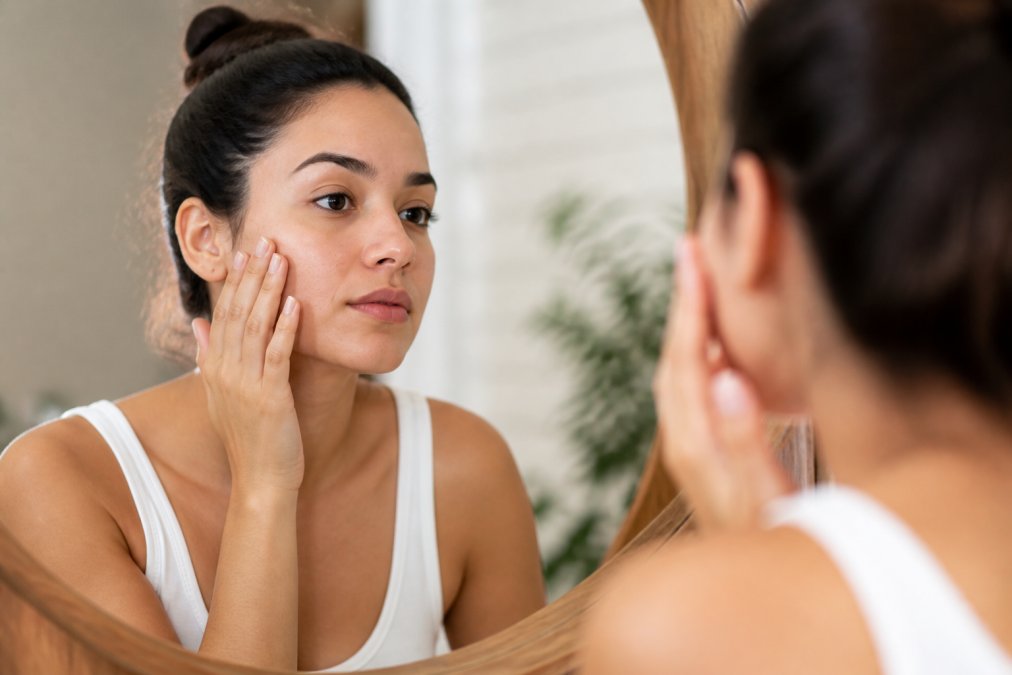
Most people rush into treating hyperpigmentation without assessing their skin barrier's health. Your skin barrier acts as both a protective shield and a delivery system for active ingredients. When compromised, natural remedies penetrate unpredictably, causing irritation instead of results.
Assess your barrier by observing how your skin responds to basic care. Does your skin feel tight after cleansing? Do you experience redness, sensitivity, or a sandpapery texture? A healthy barrier feels smooth, hydrated, and resilient.
Rebuild your barrier by simplifying your routine temporarily. Use a gentle, creamy cleanser, follow with a hydrating toner or essence, then apply a nourishing moisturizer while skin is still slightly damp. Avoid any active ingredients, exfoliants, or treatments for 2-3 weeks while your barrier recovers.
Step 2: Master Patch Testing Protocols for Safe Natural Ingredient Use
Patch testing prevents adverse reactions that could worsen hyperpigmentation. Select a small, inconspicuous area like the inner forearm, behind the ear, or jawline. Apply a dime-sized amount of the ingredient you're testing and leave it undisturbed for 24-48 hours. Monitor for redness, itching, burning, swelling, or unusual reactions. If you notice any adverse response, discontinue use immediately and rinse thoroughly.
For ingredients you're mixing yourself, test each component individually first, then test the final blend. Keep a simple log documenting which ingredients you've tested and the results.
Best Natural Ingredients for Hyperpigmentation and How They Work
The most effective natural remedies work through multiple mechanisms: some inhibit tyrosinase enzyme activity that drives melanin production, others reduce inflammation, and still others support skin cell turnover that gradually replaces darkened cells with fresh, evenly-pigmented skin.
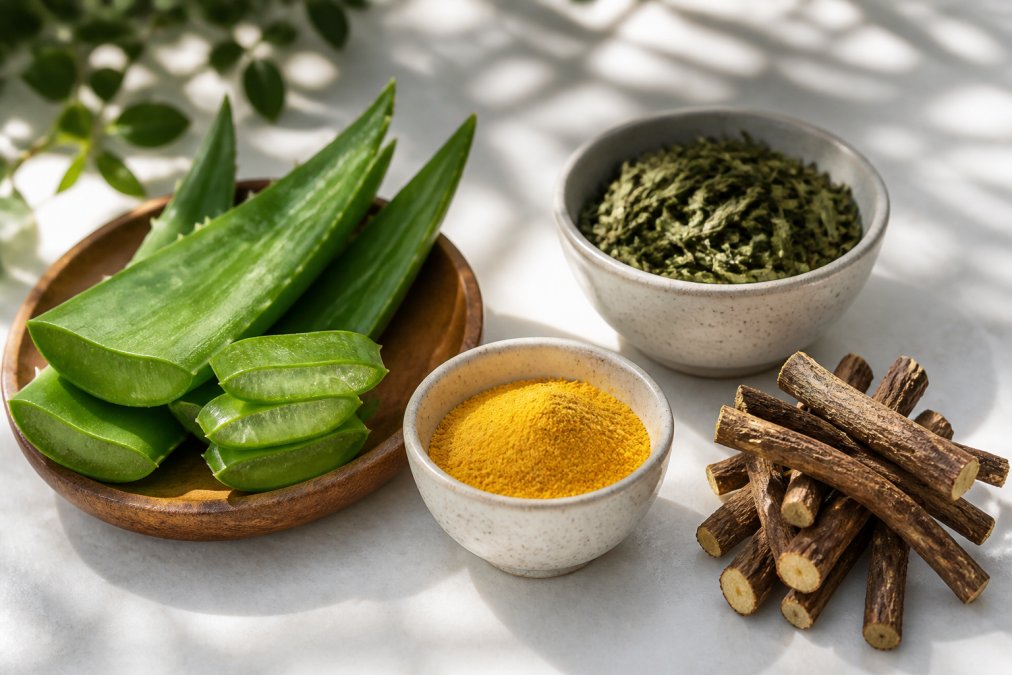
Licorice Root: Tyrosinase Inhibition and Melanin Production Control
Licorice root contains glabridin and liquiritin, compounds that inhibit tyrosinase, the enzyme responsible for converting tyrosine into melanin. By reducing tyrosinase activity, licorice root slows melanin production at the cellular level. Research indicates licorice root works best for preventing new hyperpigmentation and lightening existing spots over 8-12 weeks of consistent use, particularly for sun-induced dark spots and melasma.
When formulating your own products, use 2-5% licorice root extract to avoid irritation while maintaining efficacy. Licorice root also reduces inflammation, addressing post-inflammatory hyperpigmentation by calming the inflammatory response that perpetuates melanin overproduction.
Green Tea Extract: Antioxidant Properties and Inflammation Reduction
Green tea contains polyphenols, particularly epigallocatechin gallate (EGCG), which function as powerful antioxidants. These compounds neutralize free radicals generated by sun exposure and environmental stress, addressing a root cause of hyperpigmentation. The anti-inflammatory properties make it especially valuable for post-inflammatory hyperpigmentation by calming the inflammatory cascade that triggers melanocytes to overproduce melanin.
Brew high-quality green tea, allow it to cool, and use it as a final rinse after cleansing 2-3 times weekly for cumulative anti-inflammatory benefits.
Aloe Vera: Botanical Soothing and Skin Brightening Support
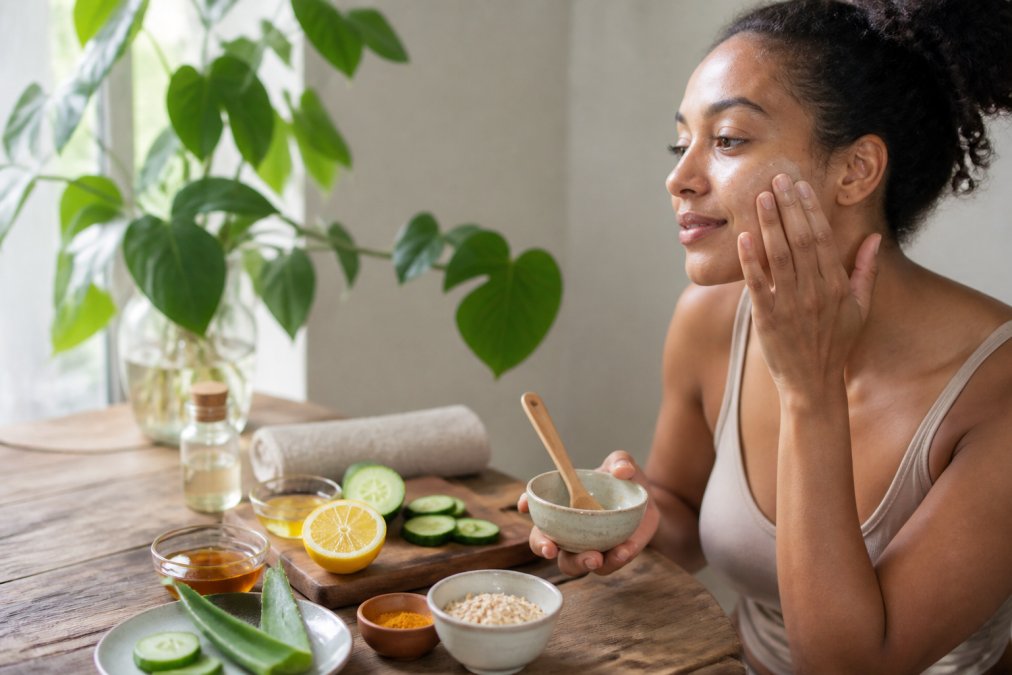
Aloe vera gel contains aloesin, a compound that inhibits tyrosinase activity by disrupting the transfer of melanin to skin cells. Additionally, aloe vera's high water content and mucopolysaccharides support skin hydration and barrier function. Apply pure aloe vera gel directly to hyperpigmented areas 2-3 times daily, or use it as a carrier for other natural ingredients. The cooling effect also reduces inflammation contributing to hyperpigmentation.
Vitamin C and Niacinamide: Enzyme Activity and Even Skin Tone
Vitamin C (ascorbic acid) provides antioxidant protection while brightening skin by promoting the conversion of melanin to a colorless form, effectively lightening existing dark spots. Niacinamide (vitamin B3) works synergistically to reduce inflammation and support skin barrier function. Use stabilized vitamin C serums at 10-20% concentration and niacinamide at 4-5% concentration in serums or moisturizers.
How Long to Treat Hyperpigmentation Naturally: Timeline Expectations
Natural ingredients work gradually but sustainably, creating lasting results without side effects sometimes associated with stronger treatments. Most people begin noticing subtle improvements within 4-6 weeks of daily treatment, though significant visible improvement typically requires 8-12 weeks. Deep or stubborn hyperpigmentation, particularly melasma, may require 16-24 weeks.
The timeline varies based on several factors. Sun-induced dark spots generally respond faster than post-inflammatory hyperpigmentation or melasma. Your age, skin type, and how long the hyperpigmentation has been present all influence treatment duration. Consistency matters more than intensity, applying natural ingredients once or twice daily for three months produces better results than sporadic intensive treatments.
Natural Hyperpigmentation Treatment at Home: Daily Application Steps
Treating hyperpigmentation naturally at home requires a structured routine that supports skin barrier health while delivering active ingredients. The sequence of application matters.
Morning Routine for Photo-Aging Prevention
Begin with a gentle cleanser appropriate for your skin type using lukewarm water. Pat skin dry gently. Apply your chosen brightening serum while skin is still slightly damp, wait 1-2 minutes for absorption, then apply a lightweight hydrating moisturizer. The final and non-negotiable step is broad-spectrum sunscreen with SPF 30 or higher. Apply generously, approximately one-quarter teaspoon for your face and neck, and reapply every two hours if outdoors.
Evening Routine for Topical Application and Skin Repair
Cleanse with the same gentle approach as your morning routine. Apply your primary brightening treatment, allowing 2-3 minutes for absorption. Follow with a richer evening moisturizer that supports barrier repair during sleep. Consider using a hydrating mask 2-3 times weekly for intensive hydration.
Diet for Hyperpigmentation: Nutritional Support From Within
Treating hyperpigmentation naturally extends beyond topical application. Antioxidant-rich foods combat oxidative stress that triggers hyperpigmentation, while nutrients supporting collagen synthesis help your skin maintain structural integrity.
Incorporate foods rich in vitamin C (citrus fruits, bell peppers, strawberries), polyphenols (green tea, berries, dark chocolate), and omega-3 fatty acids (fatty fish, flaxseeds, walnuts). Limit excessive sugar, processed foods, and alcohol that increase oxidative stress. Stay adequately hydrated to support skin cell turnover.
Ingredient Interactions and What to Avoid While Treating Hyperpigmentation Naturally
Vitamin C serum should not be combined with niacinamide in the same product, but applying them sequentially, vitamin C serum first, followed by a niacinamide moisturizer after it dries, is safe and beneficial. Avoid combining licorice root extract with acidic ingredients like vitamin C or alpha hydroxy acids in the same application.
Do not use retinol, retinoids, or strong exfoliants while treating hyperpigmentation naturally unless specifically recommended by a dermatologist. Avoid any products containing fragrance, essential oils, or alcohol, which can irritate skin and trigger inflammation. The simpler your routine during active treatment, the better your results will be.
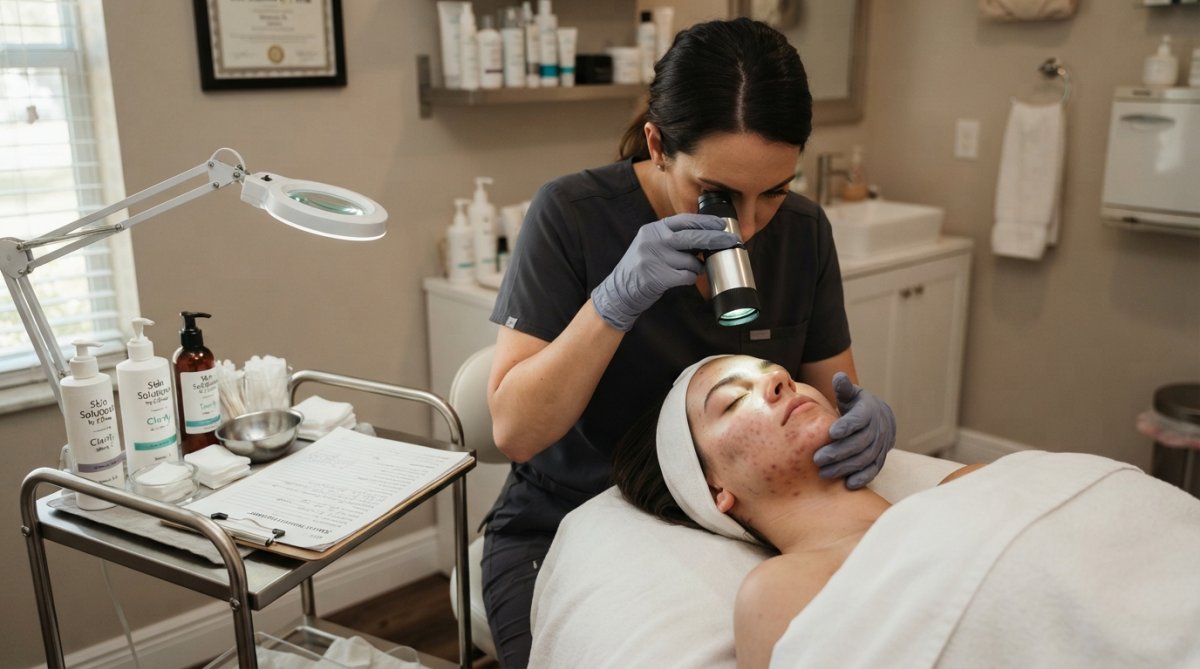
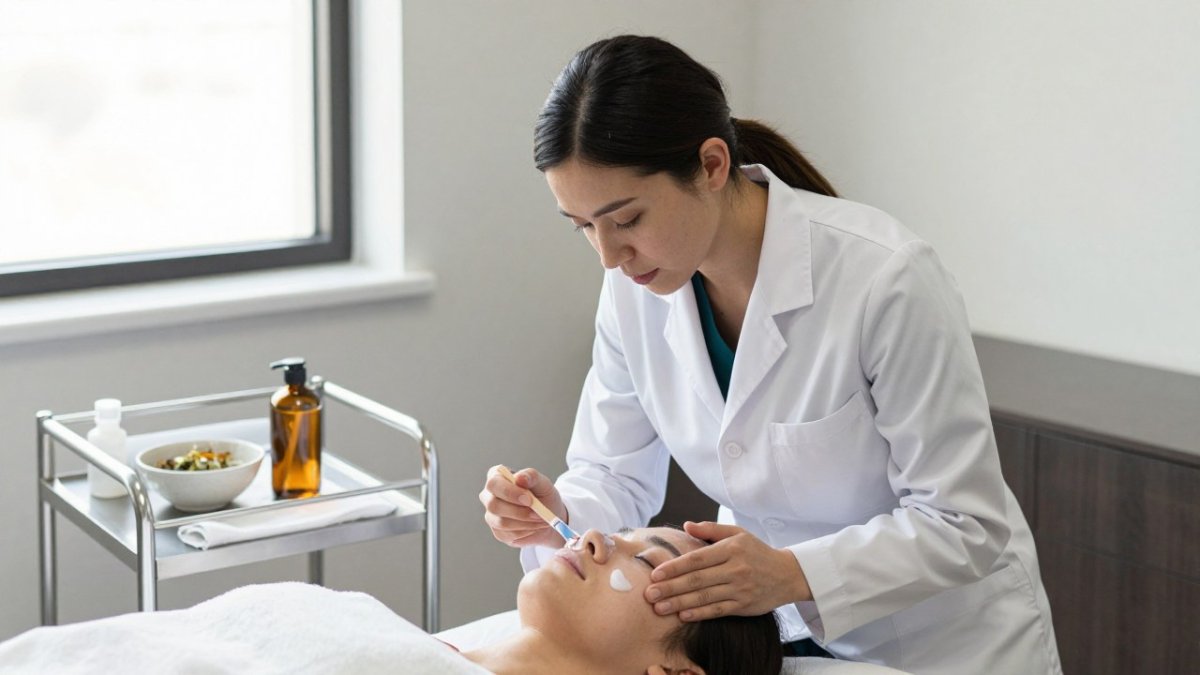
Hyperpigmentation can feel permanent, but consistent natural treatment produces visible results when you understand how your skin actually works. SKIN SOLUTIONS BY 2 DIVAS specializes in custom corrective facials that address hyperpigmentation through thorough skin analysis and personalized treatment plans using high-quality ingredients. Our specialists conduct detailed assessments to identify your specific hyperpigmentation type, then create a tailored approach combining professional treatments with at-home natural remedies. Whether you're managing hyperpigmentation independently or seeking professional support, the combination of barrier-focused skincare, targeted natural ingredients, and sun protection creates the foundation for lasting results. Book your appointment today to develop a personalized hyperpigmentation treatment plan designed for your unique skin.
Frequently Asked Questions
What are the best natural ingredients for treating hyperpigmentation?
Licorice root, green tea extract, vitamin C, niacinamide, and aloe vera are among the most effective natural ingredients. Licorice root works by inhibiting tyrosinase, the enzyme that controls melanin production. Green tea extract provides antioxidant properties that reduce inflammation and support skin brightening. Vitamin C promotes collagen synthesis and helps even skin tone. Always patch test these ingredients first, especially if you have sensitive skin, to ensure compatibility with your skin barrier.
How long does it take for natural hyperpigmentation remedies to show results?
Most natural treatments require 6-12 weeks of consistent use before noticeable improvement in dark spots and uneven skin tone. Timeline varies based on hyperpigmentation severity, skin type, and ingredient potency. Post-inflammatory hyperpigmentation may fade faster than melasma or sun damage. Patience and daily sun protection with adequate SPF are critical, without sunscreen, UV exposure will continue stimulating melanin production and delay results significantly.
Can I use multiple natural ingredients together to treat hyperpigmentation faster?
While combining ingredients can be effective, certain combinations require caution. Mixing acidic ingredients (like vitamin C) with alkaline products may compromise your skin barrier and cause irritation. Start with one ingredient, patch test it for 5-7 days, then gradually introduce others. A dermatologist-recommended approach involves spacing applications, for example, vitamin C in the morning and licorice root at night, to minimize sensitivity and maximize enzyme activity without overwhelming your skin.
Should diet changes help with hyperpigmentation treatment?
Yes, diet supports natural hyperpigmentation treatment from within. Antioxidant-rich foods like berries, leafy greens, and fatty fish reduce inflammation and support collagen synthesis. Foods high in vitamin C, E, and selenium help protect against photo-aging and support skin repair. While dietary changes alone won't eliminate dark spots, they complement topical natural remedies and strengthen your skin barrier. Adequate hydration and limiting sugar intake also help reduce epidermal pigmentation and inflammation.
This article was written using GrandRanker