 how-to guide
How to Diagnose Skin Concerns: A Step-by-Step Guide
Table of Contents
- How to Diagnose Skin Concerns: What You Need to Know
- Perform a Skin Self-Exam at Home
- Identify Common Skin Conditions and Their Symptoms
- Understand When to See a Dermatologist
- Determine Your Skin Type with a Quick Quiz
- Prepare for Your Dermatology Appointment
- What Happens During a Professional Dermatological Examination
- Common Mistakes to Avoid When Diagnosing Skin Concerns
- Frequently Asked Questions
Last Updated: July 25, 2026
How to Diagnose Skin Concerns: What You Need to Know
Your skin sends constant signals, redness, texture changes, itchiness, lesions, but most people don't know how to interpret them. At SKIN SOLUTIONS BY 2 DIVAS, we help clients recognize what's happening on their skin before they ever step into a dermatologist's office. Early detection of skin changes significantly improves treatment outcomes. This guide covers the practical steps you can take today, the warning signs that demand professional attention, and how to prepare for a dermatology appointment that actually gets results.
Perform a Skin Self-Exam at Home
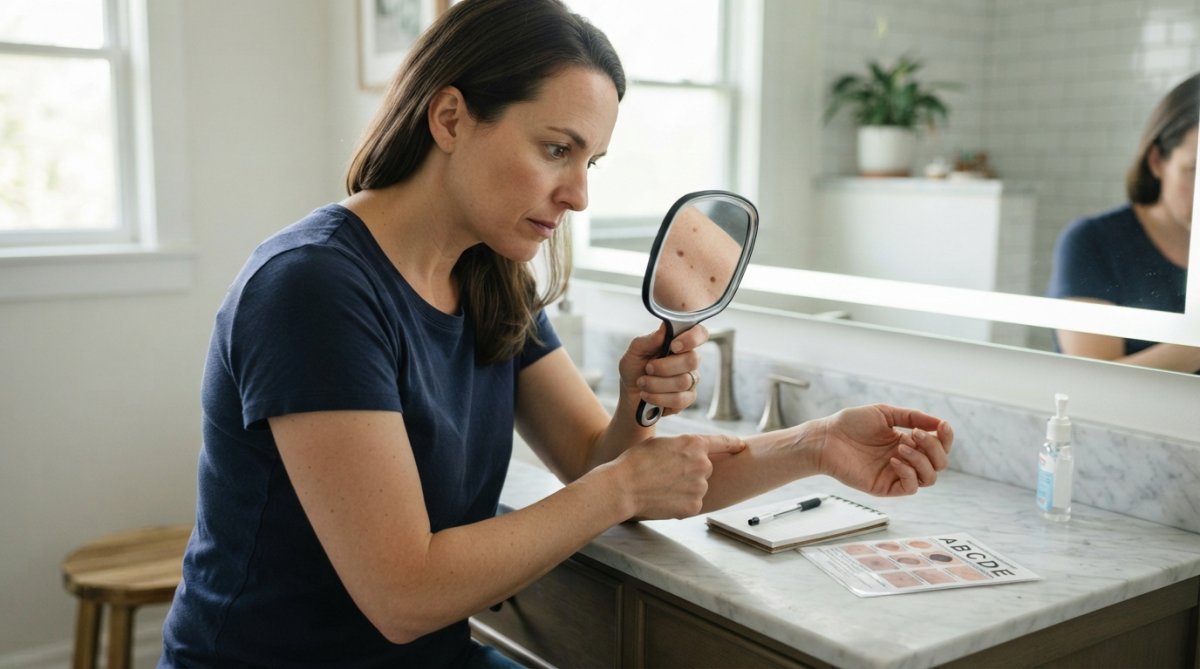
A proper skin self-exam takes about 10-15 minutes and requires nothing more than good lighting and honesty about what you see. The goal is to gather information you can share with a dermatologist and catch changes before they worsen.
Step 1: Gather Your Tools and Set Up Proper Lighting
Natural daylight is your best resource. Stand near a window during midday, or use a bright LED mirror in your bathroom. You'll also want a handheld mirror to check areas you can't see directly, your back, scalp, and behind your ears are common spots where skin conditions hide. Keep a notebook or phone nearby to document what you find: date, location, size (compare to a coin), color, texture, and whether it itches or hurts.
Step 2: Observe Your Skin's Overall Appearance and Texture
Look at your face, neck, and chest in the mirror. Notice your baseline: Is your skin generally oily, dry, or combination? Do you see uneven pigmentation? Run your fingers gently across your skin and feel for texture changes, rough patches, bumps, or areas that feel different from surrounding skin. Look for redness, scaling, or inflammation.
Step 3: Document Changes and Symptoms
Write down everything: itchiness, burning sensation, pain, oozing, or whether the condition worsens at certain times of day or during specific seasons. Note what makes it better or worse. Does scratching provide relief? Does heat aggravate it? These patterns help dermatologists narrow down the diagnosis.
Identify Common Skin Conditions and Their Symptoms
Recognizing what you're looking at is the bridge between self-awareness and professional diagnosis.
Recognizing Eczema, Psoriasis, and Chronic Conditions
Eczema typically appears as red, itchy patches that feel dry and sometimes blister, with intense itching especially at night. It tends to appear on hands, feet, face, and skin folds, worsening with harsh soaps or extreme temperatures. Psoriasis shows up as thick, raised plaques with silvery scale, usually on elbows, knees, and the scalp. Both conditions are triggered by stress, certain foods, or environmental factors. Identifying your personal triggers is as important as the diagnosis itself.
Distinguishing Acne, Hives, and Inflammatory Rashes
Acne appears as blackheads, whiteheads, or inflamed pustules, usually on the face, chest, or back, tied to pores and oil production. Hives appear suddenly as raised, itchy welts that spread rapidly and are allergic reactions. A general inflammatory rash might be caused by contact dermatitis, heat, or infection. The difference between benign and malignant skin changes often comes down to the ABCDE rule: Asymmetry, Border irregularity, Color variation, Diameter larger than a pencil eraser, and Evolving (changing). Any lesion showing these signs warrants immediate professional evaluation.
Understand When to See a Dermatologist
See a dermatologist immediately if you notice: a new mole or lesion that's changing shape, size, or color; any lesion that bleeds, oozes, or doesn't heal; widespread rash that appeared suddenly; severe itching or burning that interferes with sleep; or skin showing signs of infection. You should also see a dermatologist if over-the-counter treatments haven't worked after 4-6 weeks, or if a condition significantly impacts your quality of life. For routine concerns like mild acne or dryness, your primary care doctor can often help, but persistent or unusual conditions warrant dermatology expertise.
Determine Your Skin Type with a Quick Quiz
Understanding your baseline skin type helps you choose appropriate treatments and recognize when something is genuinely wrong. Ask yourself: Does your skin feel tight without moisturizer? You likely have dry skin. Does it feel greasy by midday? That's oily skin. Does it feel comfortable in some areas and oily in others? You have combination skin. Sensitive skin reacts to most products with redness or itching. Your skin type influences how conditions appear and respond to treatment: dry skin is more prone to eczema, oily skin to acne and fungal infections.
Prepare for Your Dermatology Appointment
Preparation transforms a generic visit into a focused conversation that solves your problem.
Create Your Skin History and Medical Documentation
Write down when your skin concern started and whether it was sudden or gradual. Include your full medical history, especially autoimmune conditions, allergies, or previous skin treatments. List all medications and supplements you take, as some trigger skin reactions. Note any family history of skin conditions. Document what you've already tried and how your skin responded.
Gather Photos and Symptom Notes
Take clear photos of affected areas in natural lighting from multiple angles. Include a photo from before the condition started, if possible. Write down your symptoms specifically: instead of "my skin is bad," write "I have red, raised bumps on my chest that itch intensely at night and feel worse after I shower."
What Happens During a Professional Dermatological Examination
Physical Exam and Visual Assessment
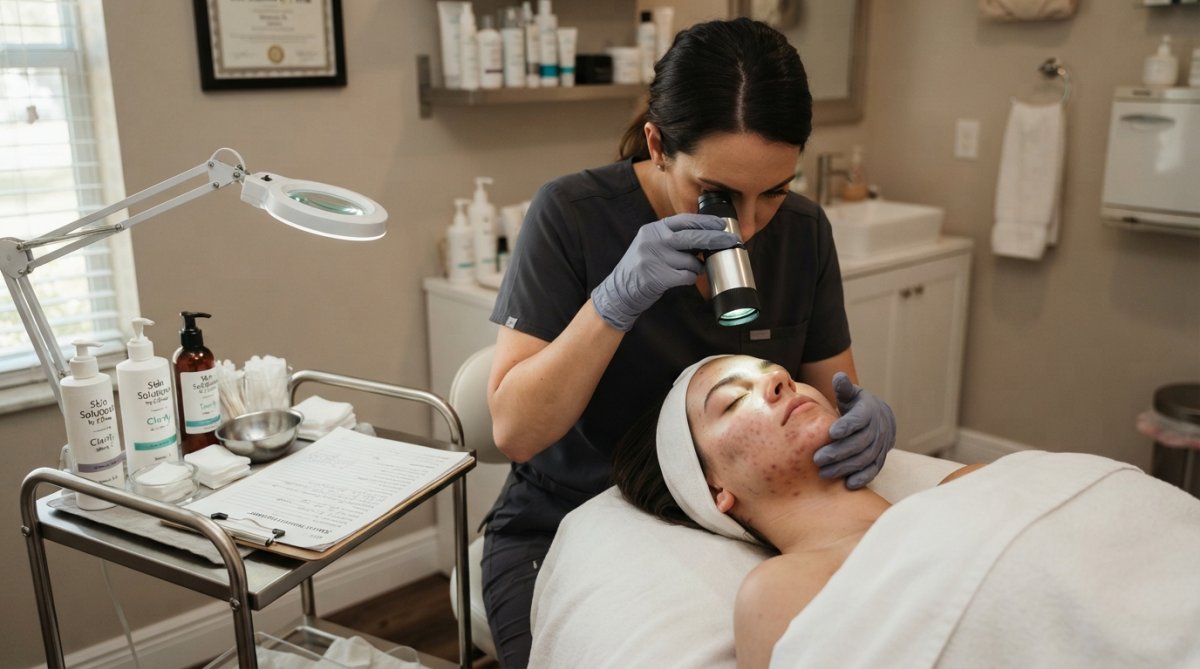
The dermatologist will examine your skin with their naked eye first, then often with a dermatoscope, a magnifying tool that reveals details invisible to the naked eye. They'll ask you to point out problem areas and describe what you've noticed. They may examine seemingly unrelated areas, as a skin condition on your hands might be caused by something happening elsewhere.
Diagnostic Tests: Biopsies, Patch Testing, and Lab Work
Not every skin concern requires testing, but when diagnosis is unclear, dermatologists have several tools. A skin biopsy involves removing a small sample of skin for microscopic examination; the area is numbed, a tiny sample removed, and stitches close the site. Results typically return within one to two weeks. Patch testing identifies contact allergens by applying small amounts of common irritants under patches for 48 hours. Lab work might include cultures to identify bacterial or fungal infections or blood tests if a systemic condition is suspected.
Common Mistakes to Avoid When Diagnosing Skin Concerns
The biggest mistake is assuming all rashes are the same. People see redness and itching and assume eczema, when it could be contact dermatitis or fungal infection. Each requires different treatment. Another common error is treating based on what worked for someone else, your friend's cream might irritate your skin further. People also delay professional evaluation because they're embarrassed, but dermatologists don't judge; they diagnose and treat. Finally, many ignore warning signs because they seem minor. A small change in a mole, a new lesion that doesn't heal, or a spreading rash deserve professional attention.
At SKIN SOLUTIONS BY 2 DIVAS, we begin every client relationship with a thorough skin analysis that identifies concerns, triggers, and personalized treatment approaches. Our specialists conduct detailed examinations to understand your unique skin needs before recommending any corrective facial or treatment plan.
Skin concerns don't resolve themselves, and self-diagnosis only takes you so far. The real breakthrough happens when you combine your own observations with professional expertise. If you're struggling with persistent acne, unexplained rashes, hyperpigmentation, or any skin condition affecting your confidence, book your appointment with SKIN SOLUTIONS BY 2 DIVAS today to get a comprehensive skin analysis and personalized treatment plan designed specifically for your skin's needs.
| Step | Duration | When to Do It |
|---|---|---|
| Home skin self-exam | 10-15 minutes | Monthly or when changes occur |
| Symptom documentation | 5-10 minutes | Immediately when you notice changes |
| Photo documentation | 5 minutes | Before first dermatology appointment |
| Dermatology consultation | 20-30 minutes | Within 2-4 weeks of noticing persistent changes |
| Diagnostic tests (if needed) | 15-60 minutes | As recommended by dermatologist |
| Follow-up appointment | 15-20 minutes | 4-6 weeks after initial treatment |
According to the Mayo Clinic's dermatology guidelines, early identification of skin changes and professional evaluation lead to faster resolution and better long-term outcomes. Taking time to properly diagnose skin concerns is an investment in your skin health that pays dividends for years.
Frequently Asked Questions
How can I identify my skin concerns through a skin self-exam?
Start with proper lighting and a clean face. Observe for redness, inflammation, lesions, texture changes, and itchiness. Document symptoms like burning sensation or unusual discoloration. Use a mirror and take photos to track changes over time. Note whether symptoms appear suddenly or develop gradually. Compare affected areas to unaffected skin. This self-assessment helps you describe your concerns accurately when you see a dermatologist and supports clinical diagnosis.
What's the difference between benign and malignant skin changes I should watch for?
Benign lesions are typically stable in size, color, and appearance. Malignant skin changes often show asymmetry, irregular borders, varied colors, and may grow or change rapidly. Use the ABCDE rule: Asymmetry, Border irregularity, Color variation, Diameter larger than a pencil eraser, and Evolution (changing). If you notice any of these warning signs, schedule a dermatological examination immediately. Your dermatologist can perform a skin biopsy if needed to confirm diagnosis.
When should I see a dermatologist instead of trying to diagnose skin concerns myself?
See a dermatologist if symptoms persist beyond two weeks, affect large areas of skin, cause severe itchiness or burning sensation, or if you notice skin changes that concern you. Seek immediate care for signs of infection, rapidly changing lesions, or anything suspicious. A dermatologist can perform diagnostic tests, skin biopsies, and patch testing to provide clinical diagnosis. Professional examination ensures accurate identification of conditions like eczema, psoriasis, acne, and skin cancer that require proper treatment.
Can AI-enabled skin assessment tools help diagnose my skin concerns?
AI-assisted skin assessment tools can be helpful screening aids, but they should not replace professional dermatological examination. These tools can help you track changes and prepare for appointments, but diagnostic accuracy requires a dermatologist's expertise. A trained dermatologist combines visual examination, medical history review, and diagnostic procedures like skin biopsies and patch testing for definitive diagnosis. Use AI tools as a starting point, then follow up with professional evaluation for skin health concerns.
This article was written using GrandRanker