 ultimate-guide
How to Treat Hormonal Acne Effectively in 2026
Table of Contents
- What Hormonal Acne Is and How to Spot It
- Root Causes and Triggers of Hormonal Breakouts
- How to Treat Hormonal Acne Effectively: A Step-by-Step Approach
- How Long Does It Take to Clear Hormonal Acne?
- Best Professional Facials for Acne and When to Book One
- Tracking Your Cycle, Stress, and Diet to Reduce Flare-Ups
- Common Mistakes That Keep Hormonal Acne Coming Back
- Frequently Asked Questions
Last Updated: September 19, 2026
What Hormonal Acne Is and How to Spot It
Hormonal acne is a form of acne driven by fluctuations in androgens, the hormones that regulate sebum production inside the follicle. When androgen levels shift, oil output rises, dead skin cells stick together, and pores clog, producing inflamed, cystic acne along the jawline, chin, and lower cheeks.
Hormonal Breakouts vs. Other Acne Types
Location and timing separate hormonal acne from other acne types. Hormonal breakouts cluster on the jawline and chin, tend to be deep and cystic rather than surface-level, and arrive in a predictable window before your menstrual cycle. Standard acne treatments often underperform here because the trigger sits beneath the skin's surface, not on it.
Root Causes and Triggers of Hormonal Breakouts
Androgen activity is the root cause, but several factors decide how severe the result is. Fluctuations during the menstrual cycle, perimenopause, and periods of high stress all shift hormone levels and increase inflammation. According to Cleveland Clinic's overview of hormonal acne, excess androgen production is the primary driver behind jawline breakouts that resist standard topical routines.
How to Treat Hormonal Acne Effectively: A Step-by-Step Approach
Treating hormonal acne effectively means working two tracks at once: a consistent home routine that manages the skin's surface, and professional or prescription support that addresses the hormonal driver. Product alone rarely clears cystic breakouts. Here is the sequence that works, along with the decision points that tell you when to escalate.
Step 1: Reset Your Hormonal Acne Skincare Routine
A hormonal acne skincare routine should be simple and consistent, not aggressive. Build it in this order:
- Gentle cleansing: A non-stripping cleanser twice daily to remove oil without damaging the skin barrier
- Comedolytic agent: Salicylic acid or benzoyl peroxide to keep pores clear and reduce inflammation
- Retinoid: A vitamin A derivative at night to speed cell turnover and prevent new clogs
- Lightweight moisturizer: Non-comedogenic, to support barrier repair
- Sun protection: Daily broad-spectrum SPF, because retinoids increase sun sensitivity
Step 2: Know When Topicals Have Hit Their Ceiling
Topicals manage the surface. They cannot lower the androgen signal driving oil production inside the follicle. A practical escalation rule: if you have used a consistent, correctly applied routine for twelve weeks and still get deep, painful cysts along the jawline or chin, the trigger is internal and topicals alone will not resolve it. That is the point to bring in professional or prescription support rather than buying another serum.
Step 3: Understand Your Prescription Options
A dermatologist has several tools, and the right one depends on your pattern, history, and goals:
- Topical retinoids (prescription strength): Tretinoin and similar agents clear existing clogs and prevent new ones faster than over-the-counter retinol. They still work on the surface, so they are usually combined with a systemic option for cystic cases.
- Combined oral contraceptives: Certain formulations reduce circulating androgens and are a first-line option for many patients. They take three to six months to show full effect and are not appropriate for everyone, including smokers over 35 and those with certain clot risks.
- Spironolactone: An anti-androgen that blocks the hormone signal at the receptor level. It is often prescribed off-label for hormonal acne and typically takes two to three months to show results. It requires monitoring and is not used during pregnancy.
- Oral antibiotics: Short courses can calm severe inflammation while a slower-acting systemic treatment takes effect. They are a bridge, not a long-term solution, because of resistance concerns.
- Isotretinoin: Reserved for severe, scarring, or treatment-resistant cystic acne. It is the closest thing to a durable reset, but it carries significant monitoring requirements and side effects that a dermatologist will walk you through.
Step 4: Add In-Office Treatments That Complement the Plan
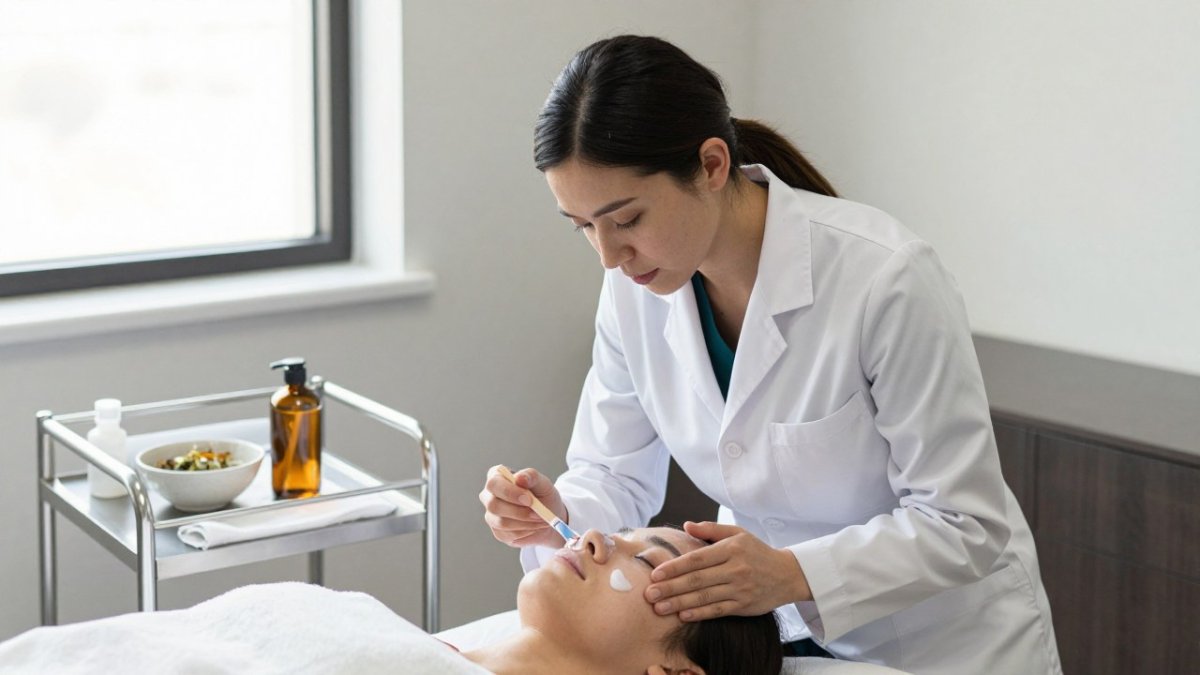
For patients who want visible improvement without medication, or who want to accelerate results alongside a prescription, professional corrective facials complement the home routine by deep-cleaning congestion and calming active inflammation. At SKIN SOLUTIONS BY 2 DIVAS in Sebring, FL, every appointment begins with a thorough skin analysis so the treatment plan matches your actual skin condition rather than a standard menu.
A Simple Decision Framework
- Mild, surface-level breakouts: Home routine with a comedolytic and a retinoid.
- Moderate cystic breakouts, predictable monthly pattern: Home routine plus a professional treatment schedule, and a dermatologist consult for a systemic option.
- Severe, painful, or scarring cysts: Dermatologist first. Do not spend months cycling through over-the-counter products.
- Any sudden severe onset, or acne with other symptoms like irregular cycles or excess hair growth: Get evaluated promptly, since this pattern can point to an underlying condition that needs its own treatment.
How Long Does It Take to Clear Hormonal Acne?
Expect eight to twelve weeks before you see meaningful clearing, and up to six months for full resolution of cystic breakouts and post-inflammatory marks. That timeline holds whether you are using topicals, prescription medication, or a combination of both.
Best Professional Facials for Acne and When to Book One
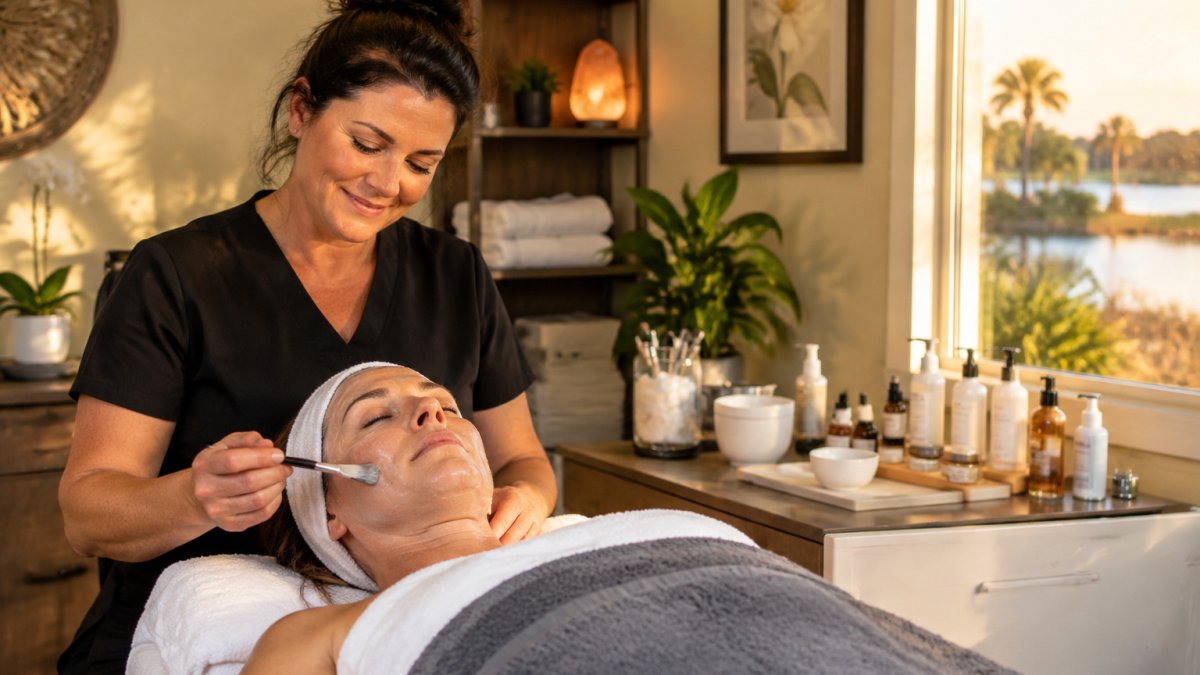
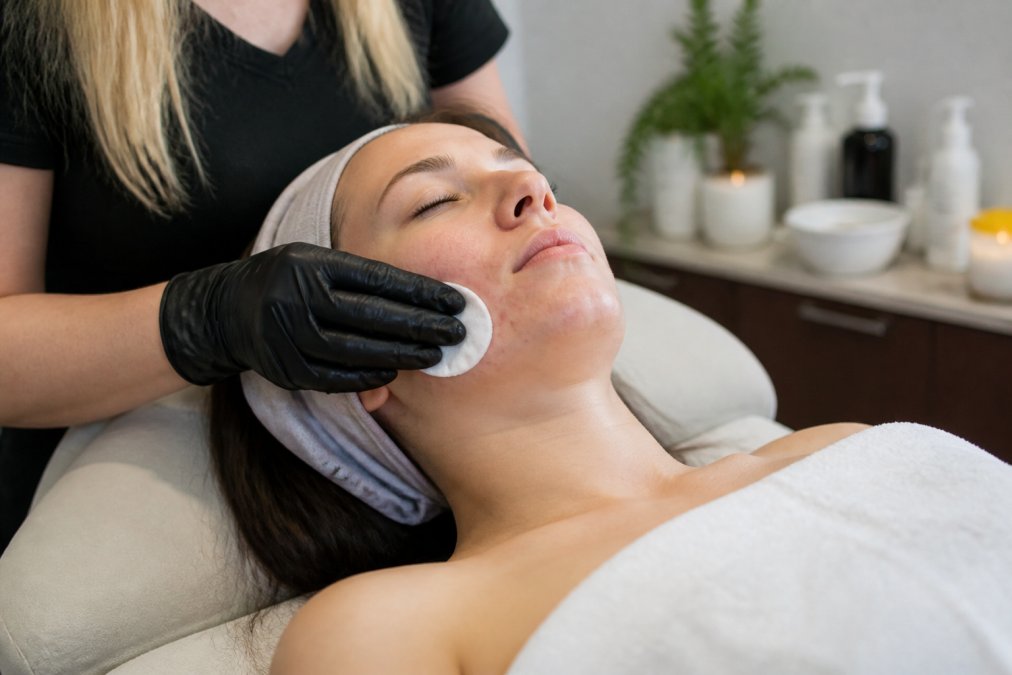
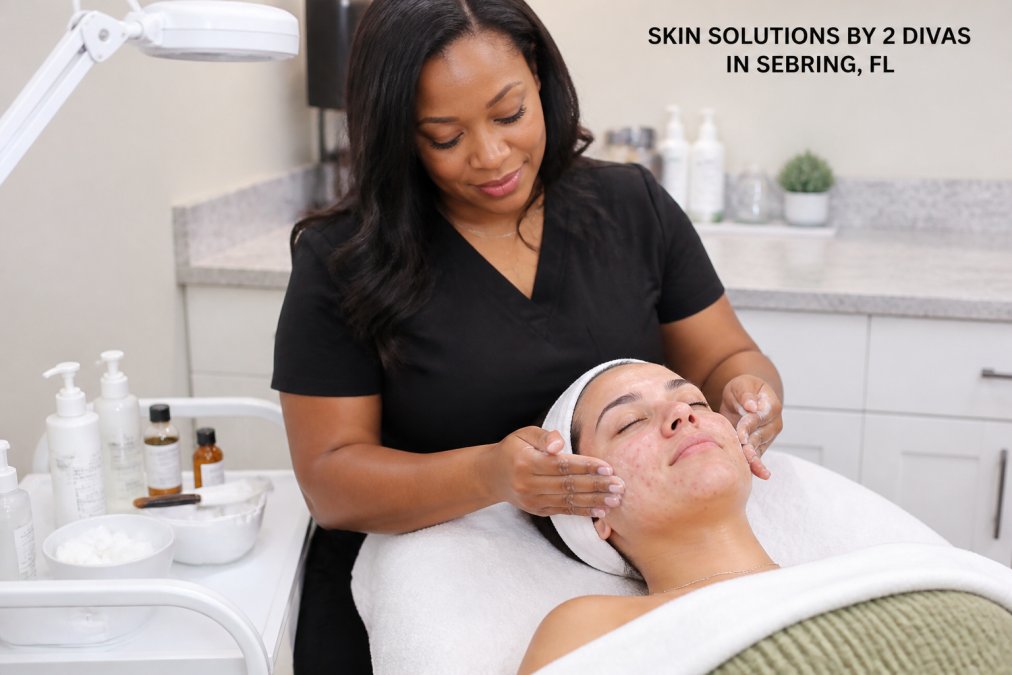
The best professional facials for acne are corrective treatments built around deep cleansing, gentle exfoliation, and inflammation control, not generic relaxation facials. At SKIN SOLUTIONS BY 2 DIVAS, every appointment begins with a thorough skin analysis so the treatment plan matches your actual skin condition rather than a standard menu.
Tracking Your Cycle, Stress, and Diet to Reduce Flare-Ups
Tracking turns guesswork into a pattern you can act on. Log three things daily for two full cycles: where breakouts appear, your stress level, and any high-glycemic meals. Within eight weeks, most people can identify which trigger reliably precedes a flare.
Common Mistakes That Keep Hormonal Acne Coming Back
The biggest mistake is treating hormonal acne like surface acne. If the driver is internal, no cleanser will fix it, and cycling through product after product wastes money and irritates skin. But the mistakes that keep breakouts coming back are not only about products. Several are behavioral, and they are the ones most guides skip entirely.
Product and Routine Mistakes
- Changing routines every two weeks. Retinoids need eight to twelve weeks. Switching early resets your progress and leaves you with no real data about what works.
- Skipping moisturizer because skin feels oily. Dehydrated skin overproduces sebum, which worsens congestion.
- Stacking too many actives at once. Combining a retinoid, benzoyl peroxide, and an acid in the same routine damages the barrier and triggers the inflammation you are trying to calm.
- Stopping treatment once skin clears. Hormonal acne is managed, not cured. Maintenance keeps results in place.
The Emotional Patterns That Sabotage Progress
Chronic hormonal acne carries a psychological load that most treatment guides ignore, and that load directly affects outcomes. A common pattern is the shame-driven product cycle: a flare appears, you panic-buy a new product, the product irritates your skin, the flare worsens, and the cycle repeats. Each round costs money and sets your real routine back weeks.
Two more patterns worth naming:
- Picking and scanning. Compulsive picking at jawline cysts causes scarring and post-inflammatory marks that outlast the breakout itself. Constant mirror-checking raises stress, and stress shifts hormone levels, a loop that feeds the acne.
- Waiting to be seen because of embarrassment. Many people delay a dermatologist visit because they feel self-conscious about their skin. That delay is often the single biggest factor in how long the acne persists.
Why This Matters for Treatment
If you recognize yourself in these patterns, the fix is not willpower. It is structure: a written routine you do not deviate from, a scheduled professional appointment rather than a reactive one, and a realistic timeline so a normal eight-week plateau does not read as failure. At SKIN SOLUTIONS BY 2 DIVAS in Sebring, FL, part of every skin analysis is setting that timeline with you up front, so progress is measured against a plan instead of against how you feel in the mirror on a bad day.
Post-Treatment Maintenance: The Step Most People Abandon
Once your skin clears, the work shifts from clearing to maintaining. Keep a simplified version of the routine that got you there, a retinoid several nights a week, a gentle cleanser, and daily SPF, and keep a maintenance appointment cadence rather than stopping everything. This is the step most people drop, and it is the reason breakouts return within a few months of a successful routine.
Frequently Asked Questions
What clears up hormonal acne fast?
Nothing clears hormonal acne overnight, but a few steps speed things up. A benzoyl peroxide spot treatment can shrink a pimple in 24 to 48 hours, while salicylic acid helps unclog pores over one to two weeks. For faster, deeper results, a dermatologist may prescribe topical retinoids or oral medications. Pairing these with a consistent hormonal acne skincare routine and professional facials at Skin Solutions by 2 Divas in Sebring, FL gives you the best shot at quicker, longer-lasting clearing.
How long does it take to clear hormonal acne?
Most people see noticeable improvement in 6 to 12 weeks with consistent treatment, and full clearing often takes 3 to 6 months. Topical retinoids typically need 8 to 12 weeks to show results because they work by increasing cell turnover. Oral treatments like spironolactone or combined oral contraceptives usually take 3 to 6 months for full effect. If you are not seeing change after 12 weeks of consistent care, it is worth seeing a dermatologist to adjust your plan.
What are the most effective professional treatments for hormonal acne?
In-office options include extraction-based corrective facials. These treatments target inflammation, unclog pores, and speed cell turnover. The best professional facials for acne combine gentle cleansing, exfoliation, and targeted ingredients without stripping the skin barrier. For adults in Sebring dealing with persistent breakouts, a customized facial plan from Skin Solutions by 2 Divas can complement your at-home routine and help maintain results between prescription treatments.
When should I see a dermatologist for hormonal acne?
Book a dermatologist if you have deep, painful cystic acne, scarring, or breakouts that have not improved after 12 weeks of over-the-counter treatment. You should also seek help if acne is affecting your mental health or if you suspect an underlying hormonal imbalance. A dermatologist can prescribe spironolactone, oral contraceptives, or stronger retinoids. In the meantime, a professional facial at Skin Solutions by 2 Divas in Sebring, FL can support your skin barrier and reduce inflammation while you wait for your appointment.
Hormonal acne resists generic solutions because its trigger sits beneath the surface, and a routine that ignores that will keep failing. At SKIN SOLUTIONS BY 2 DIVAS in Sebring, FL, we build every plan around a thorough skin analysis, custom corrective facials, and a results-driven approach that addresses acne, aging, and hyperpigmentation together. If you have cycled through products without lasting results, book your appointment today and get a plan built for your skin.