 ultimate-guide
How to Manage Adult Hormonal Acne: A Complete Guide
Table of Contents
- Understanding Causes of Adult Hormonal Acne
- Why Hormonal Acne Persists Into Your 30s, 40s, and Beyond
- Professional Acne Treatment Options That Work
- Dermatologist Recommended Skincare Routine for Acne
- Lifestyle Changes That Reduce Hormonal Acne Flare-Ups
- Managing Acne Scars and Post-Acne Marks
- The Mental Health Impact of Living With Hormonal Acne
- Getting Professional Help: Custom Corrective Facials
- Frequently Asked Questions
Last Updated: August 21, 2026
Understanding Causes of Adult Hormonal Acne
Adult hormonal acne develops when androgens trigger excess sebum production in sebaceous glands. Unlike teenage acne, hormonal acne persists into your 20s, 30s, 40s, and beyond because the underlying hormonal drivers remain active.
Androgens stimulate sebaceous glands to produce more sebum. When sebum combines with dead skin cells and bacteria, pores become clogged, creating an ideal environment for inflammation and cystic acne, the deeper, more painful lesions that characterize hormonal breakouts.
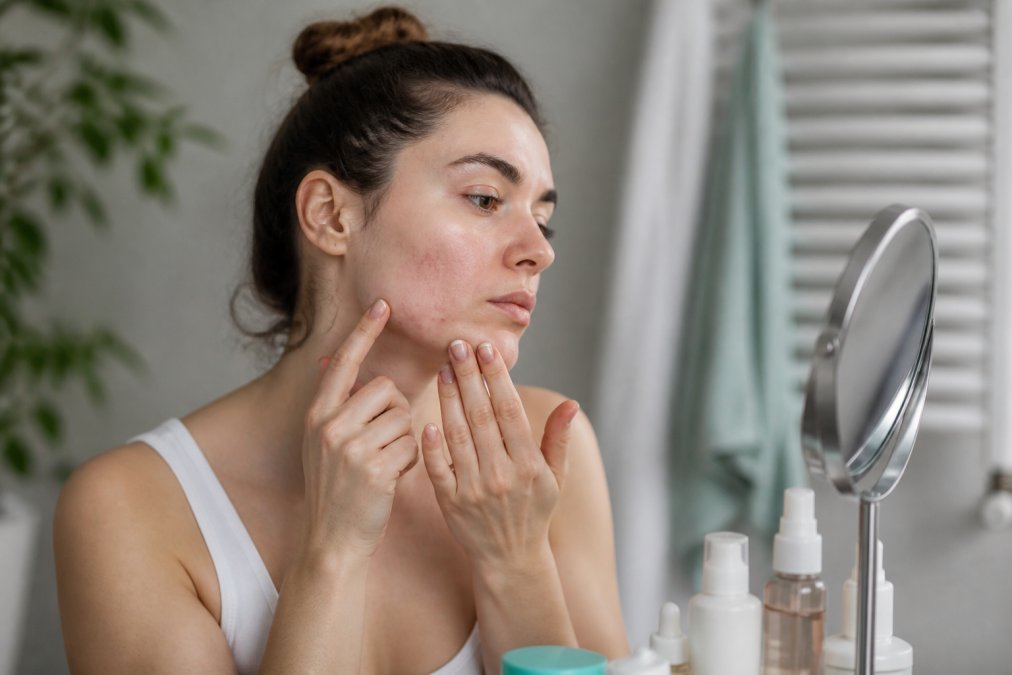
Hormonal acne is distinct in location and timing. Breakouts typically appear along the jawline, chin, and lower face, areas rich in androgen-sensitive sebaceous glands. Flare-ups often coincide with menstrual cycles, stress spikes, or age-related hormonal shifts.
Cutibacterium acnes thrives in oily, inflamed skin. While this bacterium exists on everyone's skin, hormonal changes create conditions where it multiplies rapidly, triggering inflammation. Understanding this cascade, hormonal fluctuations → increased sebum → bacterial proliferation → inflammation, explains why topical treatments alone often fall short. You're treating the symptom, not the root cause. This is why dermatologists frequently recommend a multi-pronged approach that addresses hormones directly.
Why Hormonal Acne Persists Into Your 30s, 40s, and Beyond
Hormonal acne doesn't follow a timeline; it follows your endocrine system. For women, acne often intensifies during perimenopause and menopause when estrogen levels decline relative to androgens. Polycystic ovary syndrome (PCOS), thyroid disorders, and other endocrine conditions can perpetuate acne well into middle age.
Men experience persistent hormonal acne differently. While testosterone levels decline gradually with age, androgen sensitivity in sebaceous glands doesn't necessarily decrease. Stress-induced cortisol spikes can amplify androgen signaling, worsening acne in the 30s and 40s.
Chronic stress is a significant accelerant. Your body produces excess cortisol under stress, which increases androgens and inflammation. This explains why many professionals notice acne flare-ups during demanding work periods.
Skincare habits matter, but they're secondary to hormonal drivers. Even the best topical routine won't resolve hormonal acne if your endocrine system is driving excess sebum production. At SKIN SOLUTIONS BY 2 DIVAS, adults who understand their hormonal triggers can make progress. When you know whether your acne flares with your menstrual cycle, stress levels, or seasonal changes, you can anticipate breakouts and adjust your treatment plan proactively.
Professional Acne Treatment Options That Work
Topical Treatments and Prescription Options
Topical retinoids are the first-line treatment recommended by dermatologists. Tretinoin (Retin-A) increases cell turnover, reduces pore-clogging, and has anti-inflammatory properties. Adapalene and tazarotene are gentler alternatives if tretinoin irritates your skin.
Benzoyl peroxide is highly effective against Cutibacterium acnes through an antimicrobial mechanism bacteria cannot develop resistance to, making it reliable for long-term use. A concentration of 2.5% is often sufficient and causes less irritation than higher strengths.
Salicylic acid and glycolic acid dissolve pore-clogging material. Salicylic acid (beta-hydroxy acid) penetrates oily skin effectively, while glycolic acid (alpha-hydroxy acid) works better for drier or sensitive skin. Dermatologists typically recommend alternating these with retinoids rather than using them simultaneously to avoid over-irritation.
Clindamycin is a topical antibiotic that reduces bacterial populations and inflammation. However, resistance can develop with extended use, so dermatologists typically pair it with benzoyl peroxide to prevent resistance and increase efficacy.
For severe cases, azelaic acid provides both antimicrobial and anti-inflammatory benefits without disrupting the skin barrier.
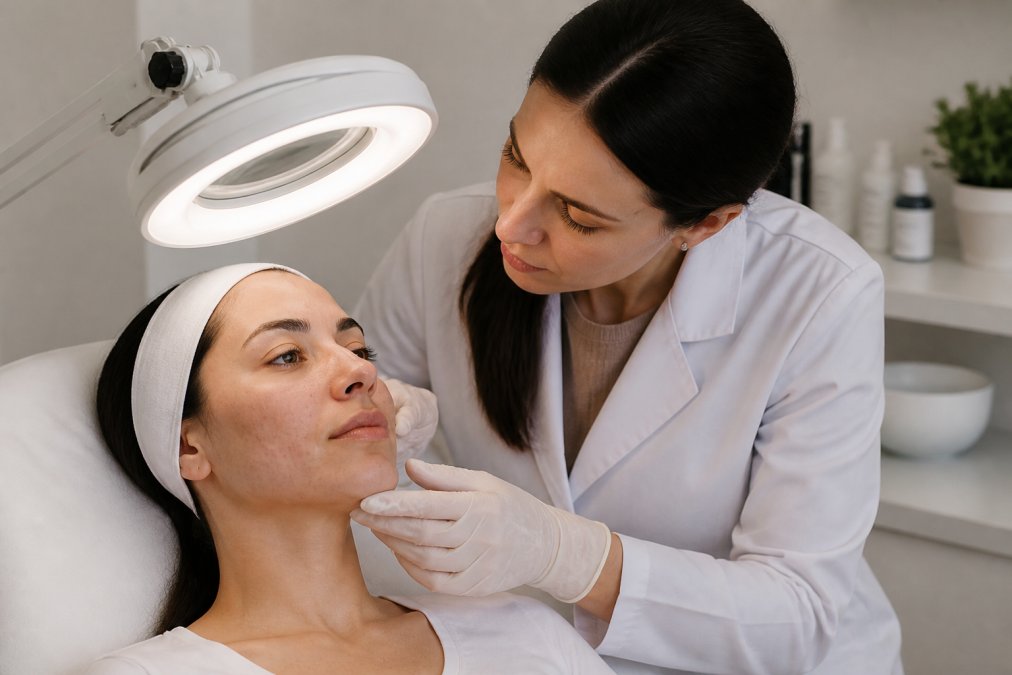
Topical treatments address local inflammation and bacteria, but they don't address hormonal drivers. This is why topical-only approaches often plateau after initial improvement.
Oral Medications and Hormonal Therapy
Oral antibiotics like doxycycline reduce bacterial populations and inflammation systemically. Doxycycline is particularly popular for its anti-inflammatory properties beyond its antimicrobial action. However, antibiotics are not permanent solutions; bacteria can develop resistance, and they don't address hormonal imbalance.
For women, oral contraceptives are a cornerstone of hormonal acne management. Birth control pills containing estrogen suppress androgen production and increase sex hormone-binding globulin (SHBG), which binds androgens and reduces their activity. Pills containing norgestimate or desogestrel tend to work well for acne-prone skin. Results typically appear after 3-4 months.
Spironolactone is an anti-androgen medication that blocks androgen receptors on sebaceous glands. It's particularly effective for women with acne that flares around their menstrual cycle or those with signs of elevated androgens. Typical dosing ranges from 50-200 mg daily, with improvement usually visible after 2-3 months (peer-reviewed research).
Isotretinoin (Accutane) is reserved for severe, treatment-resistant acne because of its side effects and teratogenic risk. It's the only medication that can produce long-term remission or cure of acne.
The choice between topical, oral antibiotic, hormonal, and anti-androgen approaches depends on acne severity, your hormonal profile, and whether you're seeking temporary control or longer-term resolution. Many dermatologists combine approaches: a topical retinoid for local cell turnover plus an oral medication to address systemic drivers.
Dermatologist Recommended Skincare Routine for Acne
A dermatologist-recommended routine prioritizes simplicity and non-irritation. Overcomplicating your routine makes it difficult to identify what's actually working.
Step 1: Cleanse twice daily with a gentle, non-comedogenic cleanser. Use lukewarm water; hot water strips your skin and triggers excess sebum production. A cleanser with a low pH (around 5.5) maintains your skin barrier. Avoid scrubs and harsh cleansing brushes.
Step 2: Apply your prescribed topical treatment. If you're using tretinoin, adapalene, benzoyl peroxide, or another prescription topical, apply it to clean, completely dry skin. Start with the lowest concentration and frequency, then gradually increase as your skin adapts.
Step 3: Moisturize with a non-comedogenic formula. This is essential, especially if you're using retinoids or benzoyl peroxide. Dehydrated skin becomes more irritated and inflamed. Look for moisturizers containing ceramides, hyaluronic acid, or glycerin.
Step 4: Use broad-spectrum SPF 30+ daily. Retinoids increase photosensitivity, and sun exposure worsens post-inflammatory hyperpigmentation. Sunscreen is essential.
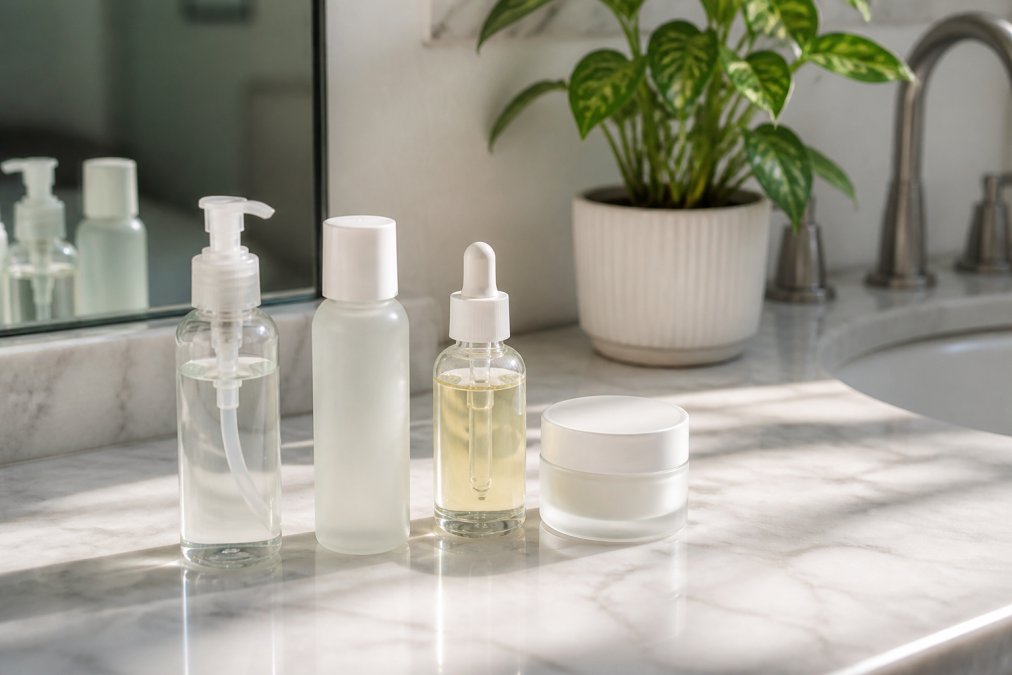
Optional Step 5: Introduce a supporting treatment once your skin tolerates your primary medication. After 4-6 weeks, you might add niacinamide (which reduces sebum production and inflammation) or azelaic acid. Don't layer multiple active ingredients simultaneously.
More products don't equal better results. Dermatologists recommend using the fewest products necessary: cleanser, prescribed treatment, moisturizer, and sunscreen.
| Step | Product Type | Frequency | Purpose |
|---|---|---|---|
| 1 | Gentle cleanser | 2x daily | Remove sebum and bacteria |
| 2 | Prescription topical (retinoid or benzoyl peroxide) | 1-2x daily | Reduce inflammation and pore-clogging |
| 3 | Non-comedogenic moisturizer | 2x daily | Support skin barrier |
| 4 | Broad-spectrum SPF 30+ | Daily | Prevent photosensitivity and hyperpigmentation |
| 5 | Supporting treatment (optional) | 3-5x weekly | Enhance results after tolerance builds |
Lifestyle Changes That Reduce Hormonal Acne Flare-Ups
A low-glycemic diet emphasizing whole grains, legumes, vegetables, and lean proteins over refined carbohydrates helps stabilize insulin levels. Elevated insulin can increase androgens, which stimulates sebum production. Studies show that reducing refined carbohydrates and added sugars correlates with fewer breakouts.
Dairy is another consideration. Some research suggests that milk (particularly skim milk) contains hormones that may trigger acne in susceptible individuals. Experimenting with reducing dairy for 4-6 weeks can reveal whether it's a personal trigger.
Stress management directly impacts hormonal acne. Chronic stress elevates cortisol, amplifying androgens and inflammation. Regular exercise, meditation, adequate sleep, and therapy have measurable effects on acne severity.
Sleep quality matters. During deep sleep, your body regulates cortisol and other hormones. Chronic sleep deprivation keeps cortisol elevated, perpetuating hormonal imbalance. Aim for 7-9 hours nightly with a consistent sleep schedule (the CDC).
Exercise is beneficial, but sweat and friction can worsen acne. Wear breathable, moisture-wicking clothing during workouts and shower within an hour of exercising.
Avoid pore-clogging products. Check cosmetics, sunscreens, and hair products for comedogenic oils and silicones. Look for products labeled "non-comedogenic" or "acne-safe."
Managing Acne Scars and Post-Acne Marks
Post-inflammatory hyperpigmentation (dark marks) and post-inflammatory erythema (red marks) are temporary discoloration that fades over 3-12 months, different from actual acne scars (peer-reviewed research).
Sunscreen is your primary tool. UV exposure darkens post-inflammatory hyperpigmentation, extending healing time. Consistent SPF 30+ use allows marks to fade faster.
Vitamin C serums and niacinamide accelerate fading. Vitamin C is an antioxidant that supports collagen production and brightens discolored skin. Niacinamide reduces inflammation and supports skin barrier function.
Actual acne scars require professional treatment. Dermatologists offer microneedling, chemical peels, laser resurfacing, and subcision, techniques that trigger collagen remodeling to fill or smooth scarred areas.
Prevention is more effective than treatment. Managing active acne aggressively and avoiding picking minimizes scarring risk.
The Mental Health Impact of Living With Hormonal Acne
Hormonal acne affects far more than your skin. The psychological toll of persistent breakouts, especially in adulthood, is significant and often underestimated.
Many adults experience anxiety and depression related to appearance. Acne is visible, unpredictable, and resistant to self-care efforts that work for other skin conditions, creating a sense of helplessness.
Social withdrawal is common. People with active acne often avoid social situations, decline photographs, or wear heavy makeup. This avoidance reinforces the negative cycle: isolation increases stress, which worsens acne, which increases isolation further.
The unpredictability of hormonal acne adds psychological burden. Unlike acne from poor skincare habits, hormonal acne feels arbitrary. You can follow every recommendation perfectly and still break out due to hormonal fluctuations beyond your control.
If you're struggling emotionally, therapy or counseling can help. Cognitive-behavioral therapy (CBT) specifically addresses anxiety and avoidance patterns. Connect with others who experience hormonal acne through online communities and support groups.
Getting Professional Help: Custom Corrective Facials
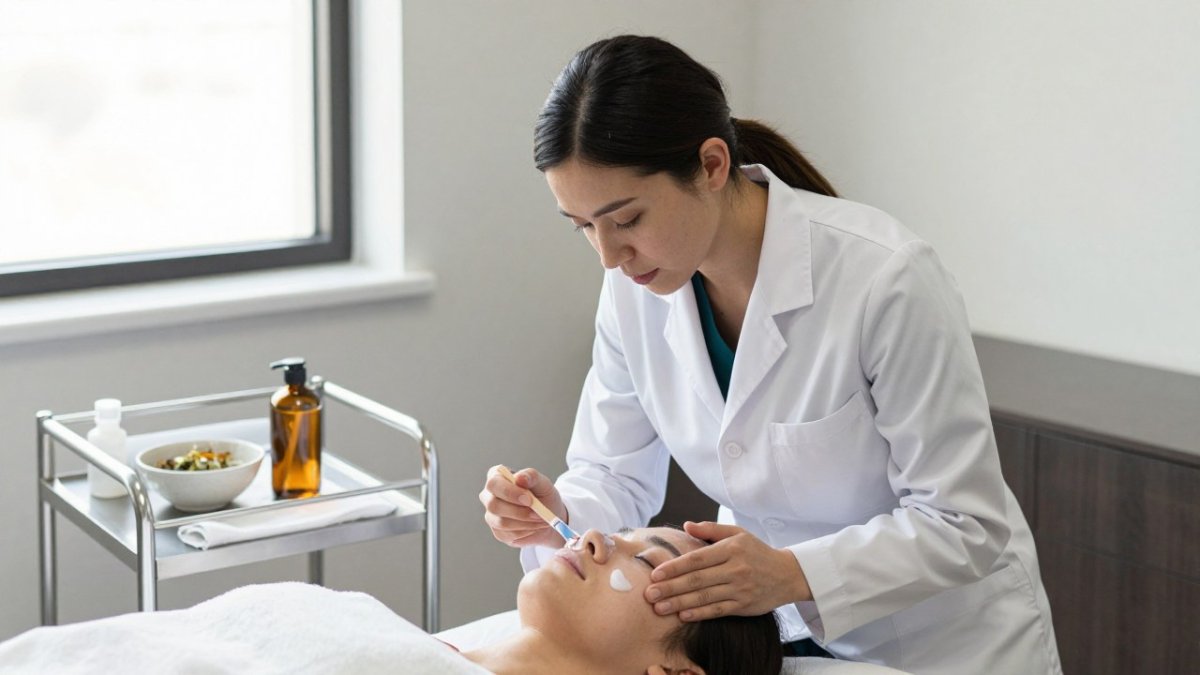
Professional facials offer benefits that at-home skincare cannot replicate. A custom corrective facial begins with thorough skin analysis to identify your specific concerns: acne type, sensitivity level, post-acne marks, and underlying causes.
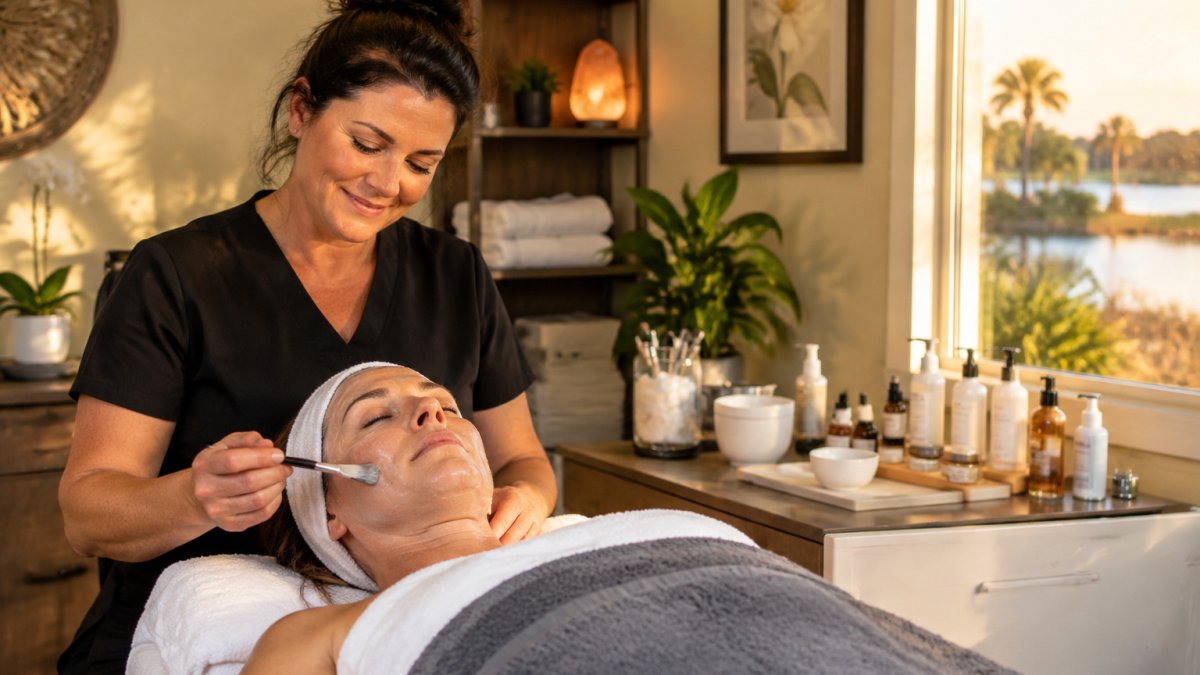
SKIN SOLUTIONS BY 2 DIVAS specializes in custom corrective facials designed to address individual skin needs, including hormonal acne. The process starts with a detailed consultation where specialists assess your skin's current condition, acne history, and goals.
During a corrective facial, high-quality ingredients are applied strategically to address active acne, inflammation, and post-acne marks simultaneously. A specialist might use salicylic acid or glycolic acid to clear congestion, followed by calming and nourishing treatments to support your skin barrier.
Professional extractions, when performed correctly by a trained specialist, remove comedones without the scarring and infection risk from picking at home.
The frequency of professional facials depends on acne severity and skin tolerance. Many benefit from monthly facials during active breakouts, then quarterly maintenance once acne is controlled.
Professional facials complement your at-home routine rather than replace it. Results are amplified when you maintain consistent skincare at home and follow your dermatologist's recommendations.
Frequently Asked Questions
Q: Why does hormonal acne persist despite a consistent skincare routine?
A: Hormonal acne originates from androgens triggering sebaceous glands to overproduce sebum, which a skincare routine alone cannot address. While topical treatments like salicylic acid and benzoyl peroxide reduce surface bacteria and inflammation, they don't regulate the hormonal fluctuations driving breakouts. Managing hormonal acne often requires combining skincare with oral medications, dietary changes, or hormonal therapy (such as birth control or anti-androgen drugs like spironolactone) to tackle the root cause.
Q: Is it normal to have hormonal acne at 40?
A: Yes, hormonal acne in your 40s is common, especially for women experiencing perimenopause or hormonal shifts. Men can also develop adult hormonal acne due to persistent androgen activity. At this age, hormonal fluctuations combined with changes in skin barrier function and decreased collagen production can trigger cystic acne and nodular acne. A dermatologist-recommended skincare routine for acne tailored to mature skin, along with professional treatments, can help manage breakouts effectively.
Q: What are the primary differences between hormonal acne and regular breakouts?
A: Hormonal acne typically appears along the jawline, chin, and lower face and is often cystic or nodular rather than surface-level. It follows your menstrual cycle (in women) or persists year-round due to androgen levels. Regular breakouts can appear anywhere and are usually triggered by bacteria, clogged pores, or irritation. Hormonal acne is harder to treat with topical treatments alone because it stems from internal hormonal fluctuations, not just external factors, making professional acne treatment options and oral medications more effective.
Q: How do professional corrective facials assist in managing hormonal acne?
A: Professional corrective facials address hormonal acne through deep cleansing, targeted exfoliation, and application of clinical-strength ingredients like salicylic acid, glycolic acid, and clindamycin that penetrate beyond home skincare. A thorough skin analysis identifies your specific acne triggers and skin barrier condition. Custom corrective facials reduce inflammation, clear comedones, and improve skin texture while complementing oral medications or topical retinoids like tretinoin. Regular professional treatments support long-term management and prevent scarring.
Q: What lifestyle factors contribute to adult hormonal acne flare-ups?
A: Stress increases cortisol, which amplifies androgen production and sebum output, worsening breakouts. High-glycemic diets spike insulin levels, triggering hormonal fluctuations and inflammation. Inadequate sleep disrupts hormone regulation. Dairy and certain foods may increase inflammation in acne-prone skin. Smoking impairs the skin barrier and reduces antioxidant protection. Conversely, stress reduction, a low-glycemic diet, adequate sleep, and regular exercise improve hormonal balance and reduce flare-ups. Skincare consistency and avoiding pore-clogging products also matter.
Q: Can hormonal acne be permanently cured, or is management ongoing?
A: Hormonal acne cannot be permanently cured because it's driven by your body's natural hormonal cycles and androgen sensitivity. However, it can be effectively managed and controlled with the right combination of treatments. Many people see significant improvement or near-complete clearance using oral contraceptives, anti-androgen drugs, or other professional acne treatment options paired with a dermatologist-recommended skincare routine for acne. Once you stop treatment, hormonal acne may return, so ongoing management is typically necessary.
Q: How long does it take to see results from treating hormonal acne?
A: Topical treatments typically show results within 6 to 8 weeks of consistent use. Oral medications like doxycycline or tetracycline take 2 to 3 months to reduce inflammation and bacterial load. Hormonal therapies (birth control, spironolactone) require 3 to 6 months to regulate sebum production and reduce breakouts. Professional corrective facials paired with a tailored skincare routine may show improvement within 4 to 6 weeks. Patience and consistency are essential, hormonal acne management is a gradual process, not an overnight fix.
Managing hormonal acne as an adult requires patience and a multi-layered approach. Topical treatments address inflammation and bacteria, while oral medications or hormonal therapy tackle the root cause. Professional care from SKIN SOLUTIONS BY 2 DIVAS provides personalized support that accelerates results beyond what at-home routines alone can achieve. Book your appointment today to start your journey toward clear, healthy skin.
This article was written using GrandRanker