 ultimate-guide
Hormonal Acne Diet Plan for Beginners: What to Eat
Table of Contents
- Hormonal Acne Diet Plan for Beginners: Where to Start
- How Diet May Affect Hormonal Acne
- Foods to Eat for Hormonal Acne
- Foods to Avoid for Hormonal Acne
- A Beginner-Friendly Hormonal Acne Meal Plan
- How Long Does Diet Take to Improve Acne?
- Eating Well Without Cutting Too Much
- Conclusion
- Frequently Asked Questions
Last Updated: October 16, 2026
Hormonal Acne Diet Plan for Beginners: Where to Start
A hormonal acne diet plan for beginners starts with one principle: stabilize blood sugar, then build meals around anti-inflammatory whole foods.
Hormonal acne is acne driven by fluctuations in androgens such as testosterone, which increase oil production and clog pores along the jawline, chin, and cheeks.
The beginner mistake is going too strict too fast. Cut everything at once and you'll quit by day five.
How Diet May Affect Hormonal Acne
Diet may affect hormonal acne through two main routes: blood sugar and inflammation. Neither is a cure, and neither works overnight. What the research suggests is that eating patterns which keep insulin steady and inflammation low tend to support clearer skin alongside professional treatment.
Blood Sugar, Insulin, and Breakouts
High-glycemic foods digest quickly and spike blood sugar. The body releases insulin to bring it down, and sustained insulin surges can raise androgen activity, which in turn drives oil production. This is why low-glycemic eating shows up in nearly every credible discussion of acne and diet.
What the Evidence Can and Cannot Tell You
The evidence linking diet and acne is promising but not conclusive. Many studies are small, rely on self-reported food logs, and cannot prove cause and effect. Diet is one lever among several, including genetics, stress, sleep, and skincare. Treat it as support for your skin, not a replacement for professional care.
Foods to Eat for Hormonal Acne
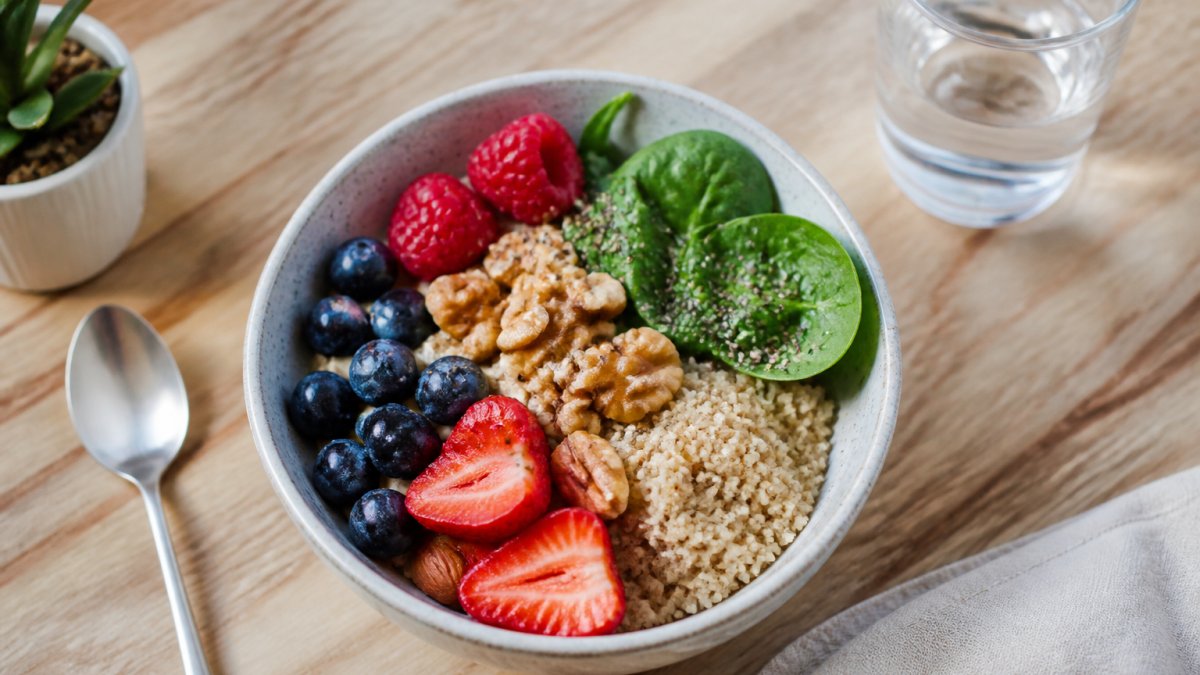
Foods to eat for hormonal acne are those that keep blood sugar steady and inflammation low. Build most meals around these:
- Vegetables and leafy greens: spinach, kale, broccoli, bell peppers, zucchini
- Whole grains: oats, brown rice, quinoa, barley
- Legumes: lentils, chickpeas, black beans
- Berries: blueberries, strawberries, raspberries
- Nuts and seeds: almonds, walnuts, pumpkin seeds, flaxseed
- Healthy fats: olive oil, avocado, fatty fish like salmon
- Lean protein: chicken, turkey, eggs, tofu, tempeh
These foods supply fiber, which slows digestion and blunts blood sugar spikes. Fatty fish and flaxseed bring omega-3s, which support the body's normal inflammatory response.
Foods to Avoid for Hormonal Acne
Foods to avoid for hormonal acne are the ones that spike blood sugar or trigger inflammation for you personally. The usual suspects:
- Sugary drinks and sweets: soda, juice, candy, pastries
- Refined carbs: white bread, white pasta, most packaged snacks
- Dairy, especially skim milk: many people notice a link; skim milk appears more often than whole
- Whey protein: a common trigger in protein powders and shakes
- Fried and highly processed foods
You do not have to eliminate all of these forever. Start by cutting sugary drinks, which deliver the fastest blood sugar hit with the least nutritional return.
The Beginner Mistake: Cutting Everything at Once
Most people read a list like the one above and remove all five categories on the same day. That approach fails for two reasons. First, you cannot tell which food actually mattered, so you end up restricting more than you need to.
A better approach is a structured test: change one variable at a time, hold everything else steady, and give each test enough time to mean something.
A Structured Elimination and Reintroduction Method
This is the part most food lists skip.
Step 1, Pick one suspect. Choose the item you consume most often and that appears most on trigger lists.
Step 3, Replace the nutrients, don't just delete them. This is where beginners get into trouble.
Step 4, Reintroduce deliberately. After three weeks, add the food back in a normal portion, once a day, for seven to ten days.
What Not to Do
Avoid stacking eliminations, avoid cutting entire food groups for months at a time, and avoid testing more than one suspect per month. If you have a history of disordered eating, or if you are a teenager still growing, do not run an elimination diet on your own, work with a registered dietitian who can build the test around your nutritional needs.
A Beginner-Friendly Hormonal Acne Meal Plan
A beginner-friendly hormonal acne meal plan keeps meals simple, repeats breakfast and lunch, and varies dinner. Repetition removes decisions, which is what makes a plan stick.
Book your appointment today! →
A Seven-Day Menu You Can Repeat
| Day | Breakfast | Lunch | Dinner |
|---|---|---|---|
| 1 | Oats with blueberries and almonds | Lentil soup with spinach | Baked salmon, quinoa, broccoli |
| 2 | Greek yogurt alternative with berries | Chickpea salad with olive oil | Grilled chicken, brown rice, peppers |
| 3 | Veggie omelet with avocado | Leftover chicken and greens | Black bean chili with zucchini |
| 4 | Oats with pumpkin seeds | Quinoa bowl with roasted vegetables | Baked cod, sweet potato, kale |
| 5 | Smoothie with spinach and berries | Lentil salad with tomatoes | Turkey meatballs, barley, green beans |
| 6 | Eggs with sautéed spinach | Leftover chili with brown rice | Tofu stir-fry with broccoli |
| 7 | Oats with flaxseed and berries | Salmon salad with mixed greens | Roast chicken, quinoa, roasted carrots |
Snacks: apple with almond butter, hummus with carrots, or a handful of walnuts.
How Long Does Diet Take to Improve Acne?
How long does diet take to improve acne? Most people who respond see early changes in four to six weeks, with more noticeable improvement by three months. Skin cell turnover runs on a roughly four-week cycle, so nothing you eat today shows up tomorrow. If you have a menstrual cycle, expect that cycle to add its own layer of variation, premenstrual breakouts are common and can mask real progress if you are not tracking around them.
Track Three Things, Not One
Judging progress from memory doesn't work. Breakouts fluctuate week to week, and you'll misread normal variation as failure. Track three simple data points instead:
- Food: a one-line note on anything new or unusual, plus whether you stuck to your plan. You do not need a full food diary, just flag the days that were different.
- Symptoms: a daily 1-to-5 score for how your skin looks and feels, plus a note on any new breakouts and where they appeared (jawline, chin, cheeks).
- Cycle: if you menstruate, mark the first day of each period. After two cycles you will start to see whether breakouts cluster in a predictable window, which tells you how much of what you are seeing is diet and how much is hormonal rhythm.
Take one photo every Sunday in the same lighting, same angle, same distance. Photos catch slow change that daily mirror checks miss.
Realistic Timelines by Change
Different changes show up on different clocks:
- Cutting sugary drinks: some people notice less oiliness and fewer new spots within three to four weeks.
- Cutting dairy or whey: most who respond see a difference by six to eight weeks, sometimes sooner.
- Low-glycemic eating overall: the clearest changes tend to appear between eight and twelve weeks.
- Anti-inflammatory patterns (fatty fish, more vegetables, less fried food): gradual, and best judged at the three-month mark.
When Diet Is Not Enough
Diet is complementary, not a treatment. Persistent, painful, deep, or scarring acne, especially acne that leaves marks or pits, deserves a medical evaluation, not another elimination list. See a dermatologist or physician if:
- Acne is leaving scars, dark marks, or pits
- You have deep, painful nodules or cysts rather than surface bumps
- Your acne is affecting your mood, sleep, or daily life
- You have signs of a hormonal disorder, such as irregular periods, sudden hair growth, or rapid changes in weight
- Six months of consistent diet and skincare changes have not moved the needle
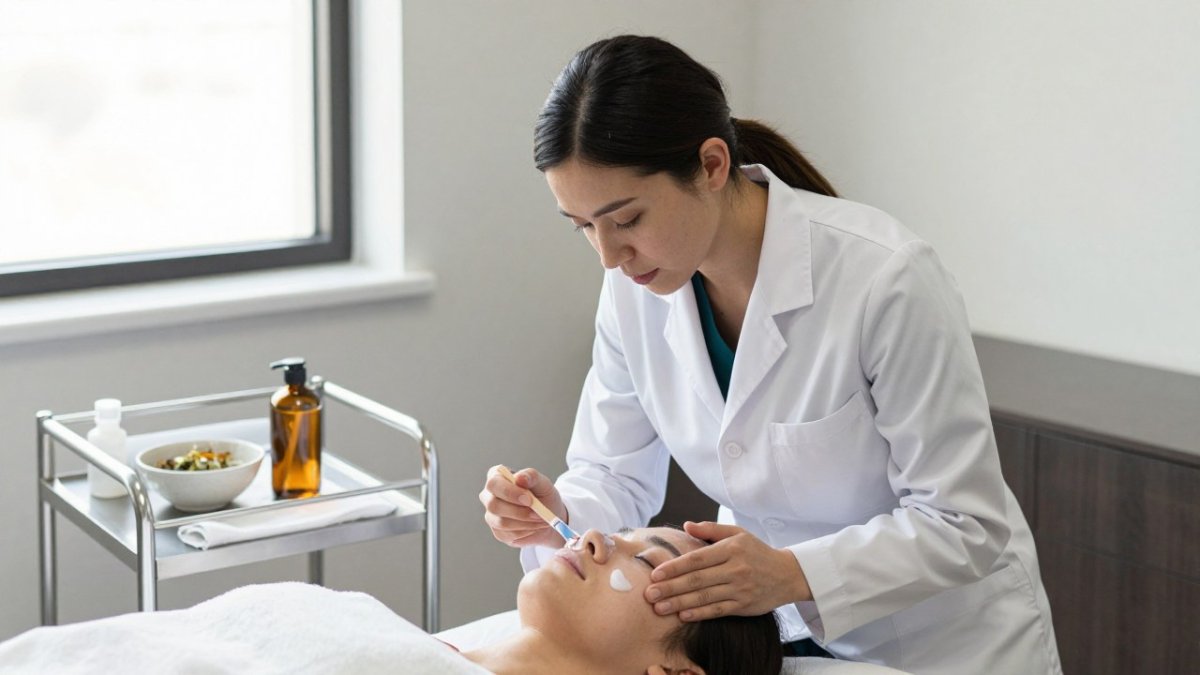
A clinician can assess whether prescription treatment, hormonal therapy, or another approach is appropriate. Diet works best alongside that care, not instead of it. At SKIN SOLUTIONS BY 2 DIVAS in Sebring, FL, we build corrective facial plans that support what you are doing at home, and we will tell you plainly when a concern belongs with a medical provider rather than a treatment room.
Eating Well Without Cutting Too Much
Restriction is where most beginners go wrong. A plan you abandon in two weeks beats a perfect plan you never start. Keep protein at every meal, keep a starch you enjoy, and allow one flexible meal per week.
If you notice yourself becoming anxious about food, skipping meals, or cutting more and more foods, step back. A registered dietitian can help you build a plan that supports your skin without straining your relationship with eating.
Conclusion
Diet supports your skin, but stubborn hormonal acne usually needs professional treatment alongside it. At SKIN SOLUTIONS BY 2 DIVAS in Sebring, FL, we begin with a thorough skin analysis, then build a custom corrective facial plan targeting acne, congestion, and post-breakout marks. Our specialists work by appointment only, so every visit is personalized to your skin's needs. Book your appointment today and get a plan built around your skin, not a generic routine.
Frequently Asked Questions
What foods should beginners eat for hormonal acne?
Start with foods that keep blood sugar steady: leafy greens, berries, whole grains, legumes, nuts, and healthy fats like olive oil and avocado. Lean protein such as chicken, fish, eggs, and tofu helps slow digestion and reduce insulin spikes. These foods also lower inflammation, which plays a role in hormonal acne. A simple rule is to fill half your plate with vegetables, a quarter with protein, and a quarter with whole grains or legumes at most meals.
What foods may worsen hormonal acne?
High-glycemic foods like white bread, sugary drinks, and candy can raise blood sugar and insulin, which may drive oil production and breakouts. Dairy, especially skim milk and whey protein, has been linked to acne in some studies. Fried foods and processed snacks also promote inflammation. You do not have to cut everything at once; start by reducing sugary drinks and refined carbs, then see how your skin responds over several weeks.
Can changing your diet help hormonal acne?
Diet is one piece of the puzzle. Research suggests low-glycemic eating and reducing dairy may improve acne for some people, but results vary. Hormonal acne also involves genetics, stress, and overall hormone balance, so food alone may not clear your skin. A customized approach that includes professional skin analysis, like the corrective facials offered at Skin Solutions by 2 Divas in Sebring, FL, can complement dietary changes and target congestion directly.
How long does it take to see skin changes after changing your diet?
Most people notice early changes in four to six weeks, with more visible improvement by three months. Skin cells turn over roughly every 28 days, so you need at least one full cycle to see results. Keep a simple log of what you eat and how your skin looks each week. If you see no change after 12 weeks of consistent effort, it may be time to talk with a dermatologist or skincare professional about other factors.
Is dairy linked to hormonal acne?
Several studies have found an association between dairy consumption and acne, particularly skim milk and whey protein. The exact reason is not fully understood, but hormones and growth factors in milk may stimulate oil glands. Not everyone reacts the same way. If you suspect dairy is a trigger, try removing it for four to six weeks, then reintroduce it slowly to see if breakouts return. Plant-based milks and protein sources can fill the gap.
Does sugar make hormonal acne worse?
Sugar and refined carbohydrates spike blood sugar, which raises insulin and can increase sebum production and inflammation. That chain of events may worsen hormonal acne. You do not need to eliminate sugar completely, but cutting back on soda, candy, and white flour products can make a difference. Pairing carbs with protein or healthy fat slows the blood sugar response and keeps insulin steadier.
Should I see a dermatologist about hormonal acne?
If your acne is painful, leaves scars, or does not improve after three months of diet and skincare changes, a dermatologist can help. They may recommend prescription treatments or evaluate underlying hormone conditions. For a supportive, non-medical approach, Skin Solutions by 2 Divas in Sebring, FL, offers custom corrective facials and skin analysis to address congestion and texture alongside your diet plan. Combining professional care with daily habits often gives the best results.