 ultimate-guide
Diet and Skin Health: How Nutrition Affects Your Skin
Last Updated: October 22, 2026
Quick Summary
Diet and skin health are directly connected, as nutritional imbalances can trigger or worsen common skin concerns like acne and inflammation. Research shows that dietary interventions, including reducing high-glycemic foods, identifying food triggers, and consuming skin-supporting nutrients like vitamin C and zinc, can meaningfully improve skin clarity and resilience.
- High-glycemic foods and refined carbohydrates spike blood sugar and increase insulin, which stimulates sebum production and acne development.
- Dairy products contain bioactive hormones that may trigger acne in susceptible individuals, particularly skim and low-fat milk.
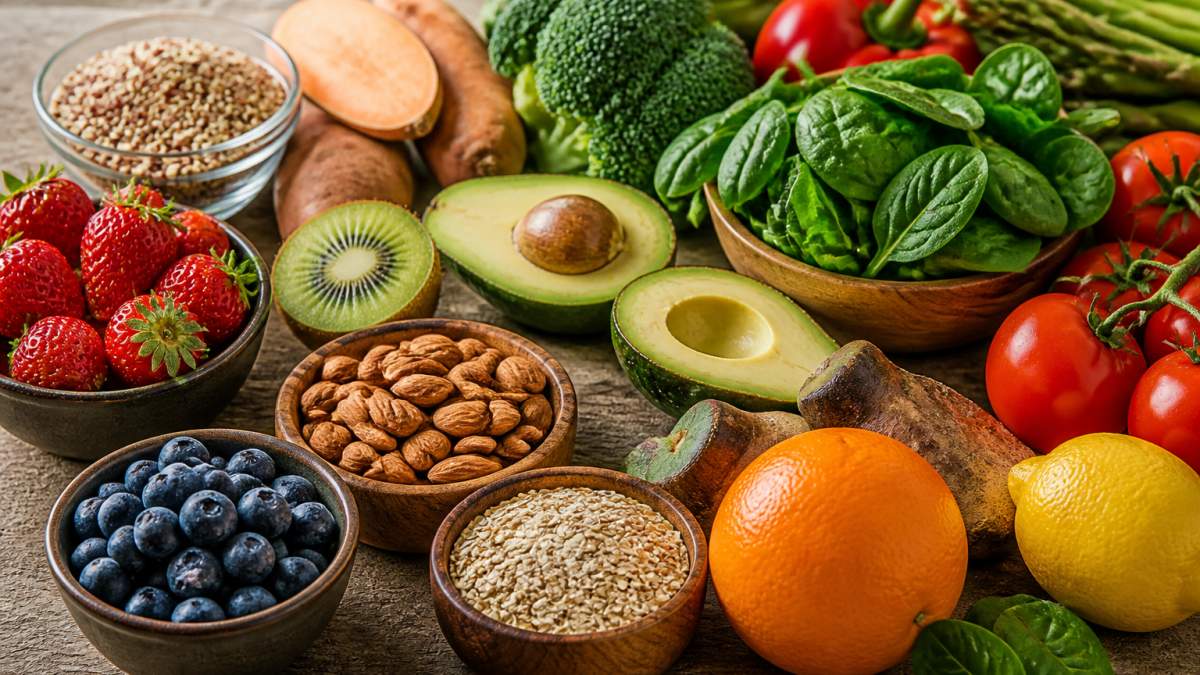
- Vitamin C, zinc, and antioxidants from citrus fruits, berries, oysters, and leafy greens are essential for collagen synthesis and skin healing.
- An elimination diet removing suspected triggers for two to four weeks, then reintroducing them one at a time, identifies your personal food sensitivities.
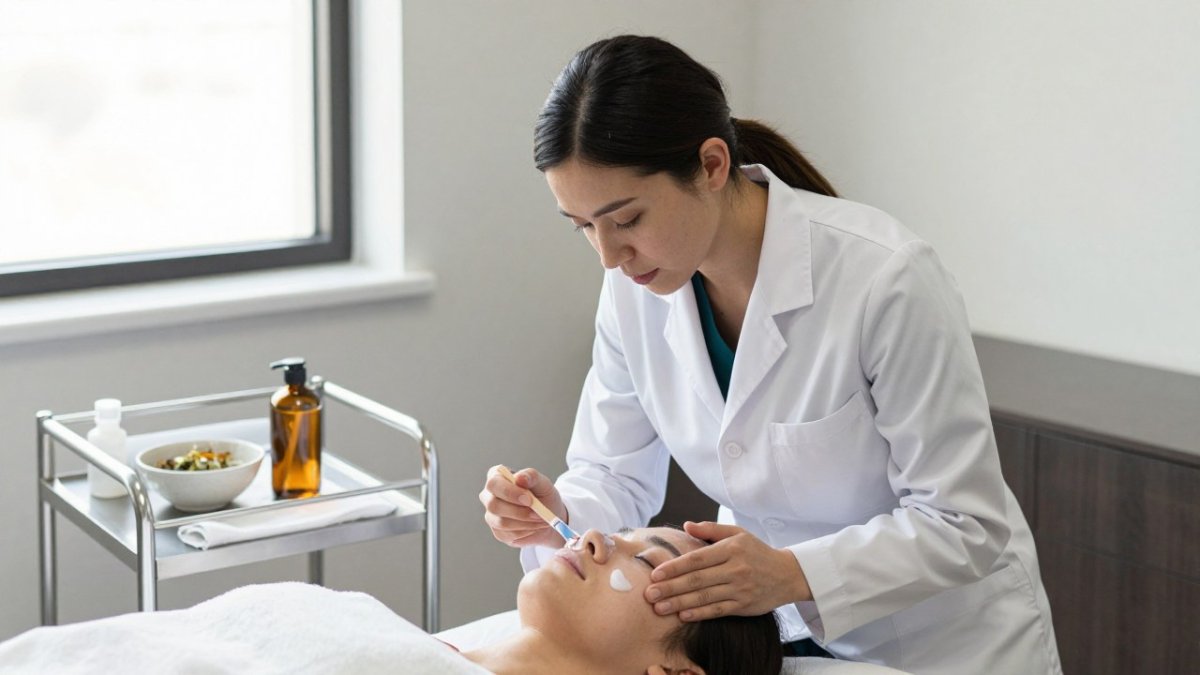
- Skin Solutions by 2 Divas in Sebring, FL combines dietary guidance with professional corrective facials for comprehensive skin health results.
Table of Contents
- How Diet and Nutrition Affect Your Skin
- Foods That May Trigger Acne and Skin Flare-Ups
- Nutrients for Skin Health and Clear Complexion
- Food Allergies and Skin Rashes: Identifying Your Triggers
- Hydration and Skin Health: Water's Role in Skin Function
- Common Myths About Diet and Skin
- Getting Professional Guidance for Your Skin Concerns
- Frequently Asked Questions
How Diet and Nutrition Affect Your Skin
The connection between what you eat and how your skin looks is more direct than most people realize. At Skin Solutions by 2 Divas in Sebring, FL, we understand how dietary factors can influence skin health alongside professional treatments.
Research shows that dietary interventions can influence the course of skin diseases, including acne and other inflammatory conditions. According to a 2014 review published in the Journal of Clinical and Aesthetic Dermatology, dietary change may serve as one part of prevention or management for several skin conditions.
Understanding how specific foods and nutrients affect your skin helps you to make choices that support both your appearance and your overall wellness.
Foods That May Trigger Acne and Skin Flare-Ups
Not every food triggers breakouts in every person, but certain categories have a stronger track record of causing problems. The foods most likely to worsen acne and skin texture share one thing in common: they either spike blood sugar, trigger hormonal shifts, or promote systemic inflammation.
High-Glycemic Foods and Blood Sugar
High-glycemic foods cause rapid blood sugar spikes, which can increase insulin production. Elevated insulin levels may stimulate sebum production and trigger inflammatory responses in the skin (Insulin-Like Growth Factor-1 Increases the Expression of Inflammatory Biomarkers and...).
The mechanism is straightforward: when blood sugar rises quickly, your body releases more insulin. This hormonal shift can increase androgen production, which stimulates oil glands in the skin.
If you're struggling with persistent breakouts, reducing refined carbohydrates is one of the most actionable changes you can make. Choose whole grains, legumes, and complex carbohydrates that digest more slowly and keep blood sugar stable.
:::pro tip Pair carbohydrates with protein or healthy fat to slow digestion and minimize blood sugar spikes. A piece of whole-grain toast with almond butter creates a steadier glucose response than toast alone.
Dairy and Hormonal Responses
Dairy products contain hormones naturally present in milk, including hormones that regulate the cow's reproductive cycle. When you consume dairy, you're ingesting these bioactive compounds, which can influence your own hormonal balance.
Not everyone reacts to dairy the same way. If you have hormonal acne, breakouts clustered around your jawline, chin, or lower face that worsen before your period, dairy may be a trigger worth eliminating for two to four weeks to test your response.
The strongest evidence links milk consumption to acne risk, particularly skim and low-fat milk. If you enjoy dairy, consider trying alternatives like unsweetened almond milk, oat milk, or coconut milk to see if your skin improves.
Omega-6 Oils and Inflammatory Reactions
Most vegetable oils, soybean oil, corn oil, sunflower oil, are high in omega-6 polyunsaturated fats. While omega-6 is essential, the modern diet typically contains far more omega-6 than omega-3, creating an inflammatory imbalance. This excess omega-6 can amplify skin inflammation and worsen conditions like acne and rosacea.
Reducing processed foods (which are often cooked in these oils) and cooking with olive oil, avocado oil, or coconut oil shifts your fat ratio toward a more anti-inflammatory profile. This simple swap can reduce systemic inflammation and support clearer skin over time.
Nutrients for Skin Health and Clear Complexion
Your skin doesn't just need the absence of inflammatory foods, it needs specific nutrients to function optimally. Deficiencies in certain vitamins, minerals, and antioxidants can compromise your skin barrier, reduce collagen production, and impair your skin's ability to heal.
Antioxidants and Vitamin C
Vitamin C is a powerhouse for skin health. It's essential for collagen synthesis, supports your skin's natural defense against oxidative stress, and helps fade hyperpigmentation and post-inflammatory marks.
Citrus fruits, berries, bell peppers, and leafy greens are excellent sources.
Other antioxidants, selenium, beta-carotene, and polyphenols found in green tea, dark chocolate, and berries, work synergistically with vitamin C to protect skin cells from free radical damage and reduce inflammation.
Zinc and Collagen Support
Zinc is critical for skin healing, immune function, and reducing inflammatory acne (Zinc Therapy in Dermatology: A Review). Deficiency in zinc is associated with slower wound healing and increased acne severity.
Collagen, the structural protein that keeps skin firm and elastic, requires adequate protein, vitamin C, and copper to synthesize. Bone broth, fish, eggs, and legumes provide both protein and the cofactors your body needs to build and maintain collagen.
Food Allergies and Skin Rashes: Identifying Your Triggers
Food allergies and sensitivities can manifest as skin rashes, hives, eczema flare-ups, or unexplained inflammation. Unlike acne, which develops over days or weeks, allergic reactions can occur within minutes to hours of eating a trigger food.
Book your appointment today! →
Common Food Allergens and Skin Reactions
The most common food allergens are peanuts, tree nuts, shellfish, fish, eggs, dairy, soy, and wheat. If you notice a rash or eczema flare shortly after eating, one of these is often the culprit.
Food sensitivities differ from true allergies. A sensitivity might cause bloating, inflammation, or a delayed skin reaction hours or even days after eating. Identifying these requires systematic elimination and reintroduction.
Elimination Diets and Tracking Methods
An elimination diet removes suspected trigger foods for two to four weeks, then reintroduces them one at a time to identify which foods cause a reaction. This is the gold standard for identifying food sensitivities.
Start by eliminating the most common triggers: dairy, gluten, eggs, and processed foods. Keep a detailed food and skin journal, note everything you eat and any skin changes, itching, or flare-ups.
| Trigger Food | Typical Skin Response | Timeline | Reintroduction Strategy |
|---|---|---|---|
| Dairy | Hormonal breakouts, congestion | 3-7 days | Reintroduce after 4 weeks |
| Gluten | Eczema flare, general inflammation | 2-5 days | Test wheat, barley, rye separately |
| Eggs | Hives, itching, rash | Minutes to hours | Reintroduce after 3-4 weeks |
| Shellfish | Acute hives, swelling | Minutes to 2 hours | Avoid if allergic; do not reintroduce |
| Histamine-rich foods | Flushing, itching, rash | Hours to 1 day | Identify and limit, not eliminate |
:::pro tip Use a simple spreadsheet or app to track meals and skin changes. Look for patterns, if breakouts consistently appear 3-5 days after eating a specific food, that's likely your trigger. Individual responses vary widely, so your data is more reliable than generic advice.
Hydration and Skin Health: Water's Role in Skin Function
Dehydration impairs your skin's ability to maintain its barrier function, regulate temperature, and flush out toxins. When your body is dehydrated, your skin becomes more prone to irritation, sensitivity, and visible dryness or flaking.
The commonly cited "eight glasses a day" rule is a starting point, but individual needs vary based on activity level, climate, and body size. A better approach: drink enough water so your urine is pale yellow throughout the day. This ensures adequate hydration without overdoing it.
Hydration also supports nutrient delivery to skin cells and helps your body eliminate metabolic waste. Chronic dehydration can worsen acne, eczema, and rosacea by compromising your skin's resilience. If you struggle with skin concerns, increasing water intake is one of the simplest, most effective interventions.
Common Myths About Diet and Skin
Myth: Chocolate and greasy foods directly cause acne. Reality: Chocolate itself doesn't cause acne.
Myth: You need to eliminate all sugar to have clear skin. Reality: Moderate sugar consumption won't destroy your skin.
Myth: Detox diets and cleanses will purify your skin. Reality: Your liver and kidneys already detoxify your body.
Myth: All fats are bad for skin. Reality: Healthy fats, omega-3s, monounsaturated fats, and fat-soluble vitamins, are essential for skin barrier function and reducing inflammation.
Getting Professional Guidance for Your Skin Concerns
While dietary changes can meaningfully improve skin health, they work best alongside professional skincare. If you're dealing with persistent acne, eczema, hyperpigmentation, or other skin concerns, a comprehensive approach combines nutrition with targeted treatments.
At Skin Solutions by 2 Divas in Sebring, FL, our specialists conduct thorough skin analyses to identify the root causes of your concerns, whether dietary, environmental, or related to your skincare routine. We create personalized treatment plans using high-quality ingredients and custom corrective facials designed to address your specific issues.
Dietary changes take time to show results, typically two to four weeks before you notice meaningful improvement. Professional treatments accelerate this process by directly addressing existing skin damage, congestion, and inflammation while you work on prevention through nutrition.
Diet and skin health are inseparable. While skincare products and professional treatments address your skin's surface, what you eat determines whether your skin has the nutritional foundation to heal, regenerate, and maintain its resilience.
Book your appointment with Skin Solutions by 2 Divas in Sebring, FL today. Our team will analyze your skin, discuss how nutrition and lifestyle may be contributing to your concerns, and design a personalized corrective facial plan to help you achieve the radiant, healthy skin you deserve.
Frequently Asked Questions
Can diet really cause skin problems?
Research increasingly suggests that diet and nutrition do influence skin health across multiple conditions, including acne, eczema, and aging skin. A 2024 review published in peer-reviewed dermatology literature notes that nutritional deficiencies, excessive intake, and certain ingredients can contribute to skin imbalances. However, diet is typically one factor among many, genetics, stress, skincare routine, and environmental exposure also play significant roles. Individual responses vary, so what triggers problems for one person may not affect another.
What nutrients for skin health should I prioritize?
Key nutrients that support skin include antioxidants like vitamin C, which helps protect against environmental damage; zinc, which supports collagen production and wound healing; omega-3 fatty acids, which reduce inflammation; and vitamin E, which protects skin cells. Adequate protein intake is also important for collagen synthesis. Rather than focusing on isolated nutrients, eating a balanced diet rich in whole foods, vegetables, fruits, fish, nuts, and legumes, typically provides the nutrient profile your skin needs. If you suspect specific deficiencies, consult a healthcare provider.
How long does it take for dietary changes to improve skin?
Most people notice changes in skin texture and clarity within 4 to 12 weeks of consistent dietary changes, though individual timelines vary. Your skin renews roughly every 28 days, so meaningful improvements often take at least one full skin cycle. Results depend on the severity of your skin concern, how strictly you maintain dietary changes, and other factors like hydration and stress management. For persistent or severe skin issues, professional evaluation from a dermatologist or esthetician, like the specialists at Skin Solutions by 2 Divas in Sebring, can help identify whether diet is a contributing factor and create a comprehensive treatment plan.
Can food allergies cause skin rashes?
Yes, food allergies can trigger skin rashes, hives, and other reactions. Common allergens include peanuts, tree nuts, shellfish, dairy, eggs, soy, and wheat. Reactions may appear within minutes to hours of eating the trigger food. If you suspect a food allergy, keep a food diary to track what you eat and any skin reactions, then discuss patterns with your doctor or allergist. An elimination diet, removing suspected triggers for 2-4 weeks, then reintroducing them one at a time, can help identify culprits, though this should be done carefully to ensure nutritional adequacy.