 ultimate-guide
Best Ways to Reduce Facial Aging: A 2026 Guide
Table of Contents
- How to Prevent Premature Skin Aging
- Best Anti-Aging Skincare Ingredients That Deliver Results
- Daily Skincare Routines That Reduce Facial Aging
- Exfoliation and Skin Texture Improvement
- Lifestyle Factors: Diet, Sleep, Stress, and Tech-Neck
- Benefits of Professional Corrective Facials
- Non-Surgical Cosmetic Procedures to Reduce Facial Aging
- Budget-Conscious vs. Luxury Approaches to Anti-Aging
- Frequently Asked Questions
Last Updated: August 19, 2026
How to Prevent Premature Skin Aging
Photo-aging from sun exposure accounts for roughly 80% of visible aging, which means prevention beats correction every time. At Skin Solutions by 2 Divas, we've seen firsthand how clients who prioritize protection in their 30s and 40s look dramatically different from those who don't. The good news: you don't need expensive procedures to slow the clock. The fundamentals work.
Sun Protection and UV Avoidance
Broad-spectrum sunscreen is non-negotiable for reducing facial aging. UV radiation triggers free radicals that break down collagen and elastin, the proteins responsible for skin firmness and elasticity.
Daily sunscreen application (SPF 30 minimum, though dermatologists increasingly recommend SPF 50+) should be your baseline. Apply it every morning, reapply every two hours if you're outdoors, and don't skip cloudy days, UV rays penetrate clouds. Clients who start consistent sun protection in their 30s typically show 10-15 years less visible aging by their 50s compared to those who don't.
Beyond sunscreen, consider physical barriers: wide-brimmed hats, UV-blocking clothing, and seeking shade during peak sun hours (10 a.m. to 4 p.m.) all reduce photo-aging.
Smoking and Environmental Damage
Smoking is one of the most underestimated accelerators of facial aging. Cigarette smoke exposes skin to thousands of free radicals and toxic compounds that directly damage collagen, reduce blood flow, and impair the skin's ability to repair itself. Smokers show visible aging 10+ years earlier than non-smokers, with deeper wrinkles, more pronounced nasolabial folds, and a dull, grayish complexion.
Smoking constricts blood vessels, reducing oxygen and nutrient delivery to skin cells, and depletes vitamin C and other antioxidants your skin needs to fight oxidative stress. If you smoke, quitting is the single most impactful change you can make for your skin. If you don't smoke, avoid secondhand smoke exposure when possible.
Environmental pollutants also contribute to premature aging through oxidative stress. Using antioxidant-rich skincare products and keeping your skin barrier healthy helps mitigate this damage.
Best Anti-Aging Skincare Ingredients That Deliver Results
The ingredients with the strongest clinical evidence for reducing facial aging are retinoids, vitamin C, and hyaluronic acid. These are backed by decades of dermatological research showing measurable improvements in fine lines, skin texture, and dermal elasticity.
Retinoids and Collagen Boosters
Retinoids are the gold standard for anti-aging skincare. They increase cell turnover, stimulate collagen production, and improve the skin's ability to repair UV damage. Over-the-counter retinol is gentler but slower; prescription-strength tretinoin (generic Retin-A) delivers faster results.
If you're starting with retinoids, begin with a low concentration (0.025% tretinoin or 0.3% retinol) and use it 2-3 times per week initially. Expect some redness and peeling in the first 4-8 weeks, this is normal and indicates the ingredient is working. Most users see noticeable improvements in fine lines and skin texture within 8-12 weeks of consistent use.
SkinCeuticals C E Ferulic combines 15% vitamin C with vitamin E and ferulic acid, creating a synergistic antioxidant blend that neutralizes free radicals and improves the appearance of fine lines. It costs $185.00. For prescription-strength options, tretinoin (generic Retin-A) is highly effective for reducing facial aging. Available in concentrations from 0.025% to 0.1%, it boosts collagen production and smooths the outer layer of skin. Expect irritation and peeling for the first month.
Antioxidants and Hydration
Antioxidants like vitamin C, vitamin E, and ferulic acid neutralize free radicals before they damage collagen. Vitamin C specifically brightens skin and improves the appearance of age spots and uneven pigmentation.
Hyaluronic acid holds moisture, a single molecule can bind up to 1,000 times its weight in water, plumping skin and making fine lines less visible. Use it on damp skin followed by a moisturizer to seal in hydration.
A typical effective routine combines:
- Antioxidant serum (vitamin C in the morning)
- Hyaluronic acid serum (morning and evening)
- Retinoid (evening, 3-5 times weekly)
- Broad-spectrum sunscreen (morning, every day)
- Rich moisturizer (evening)
Daily Skincare Routines That Reduce Facial Aging
Consistency beats perfection in skincare. A simple routine you'll actually follow beats a complicated one you abandon after two weeks.
Morning Routine Essentials
Start with a gentle cleanser that removes overnight oil and debris without stripping your skin. Use lukewarm water, not hot, which damages the skin barrier. Pat dry gently.
Apply a vitamin C serum or antioxidant treatment to clean skin, then hyaluronic acid serum on damp skin, followed by a lightweight moisturizer. Finish with broad-spectrum SPF 50+ sunscreen, applied generously to your face, neck, and décolletage. Use about a quarter-teaspoon for the entire face and neck.
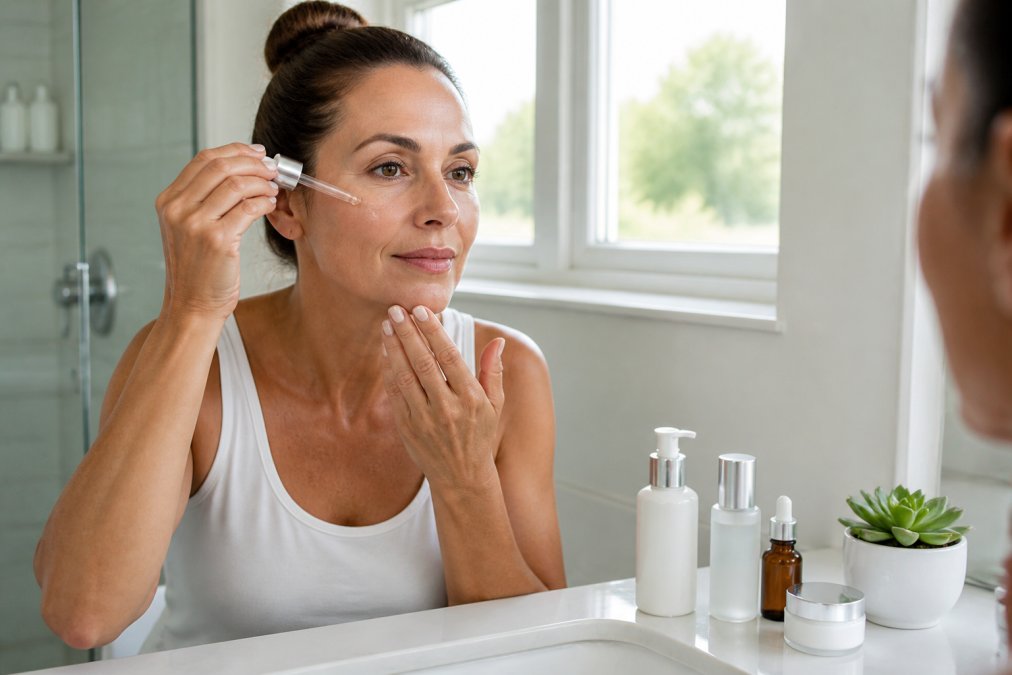
This routine takes 5-7 minutes and directly addresses photo-aging.
Evening Routine for Cellular Regeneration
Evening is when your skin repairs itself. Use the same gentle cleanser, then apply a retinoid product (tretinoin, retinol, or a gentler retinoid alternative) 3-5 times per week. On non-retinoid nights, use your antioxidant serum instead. Follow with hyaluronic acid serum and a richer moisturizer.
If you're using tretinoin or a strong retinoid, avoid mixing it with vitamin C or other potentially irritating actives. Add one active ingredient at a time and wait 2-4 weeks before introducing another.
Exfoliation and Skin Texture Improvement
Exfoliation removes dead skin cells and accelerates epidermal turnover, revealing smoother, brighter skin. However, over-exfoliation damages the skin barrier and worsens aging.
Chemical exfoliants (AHAs like glycolic acid, or BHAs like salicylic acid) are gentler than physical scrubs and more effective at improving skin texture. Use them 2-3 times per week, starting with lower concentrations (5-10%) and increasing gradually.
Professional chemical peels deliver stronger results than at-home products. A dermatologist-administered peel can improve fine lines, pigmentation, and overall skin texture in a single session, with results more dramatic but requiring 3-7 days of downtime.
Avoid harsh physical exfoliants like walnut shell scrubs or rough washcloths, especially if you have sensitive skin or are using retinoids. These damage the barrier and trigger irritation.
Lifestyle Factors: Diet, Sleep, Stress, and Tech-Neck
Lifestyle factors account for 20-30% of visible aging. Neglecting sleep, eating poorly, and chronic stress all accelerate aging at the cellular level.
Nutrition and Hydration
Antioxidant-rich foods like berries, leafy greens, and fatty fish provide vitamins C and E, selenium, and omega-3 fatty acids that support collagen production and reduce oxidative stress.
Hydration matters more than most people realize. Dehydrated skin appears dull, flaky, and older. Drink enough water throughout the day, a common guideline is half your body weight in ounces. Monitor your urine color; pale yellow indicates good hydration.
Limit sugar and refined carbohydrates. High blood sugar triggers glycation, where sugar molecules bind to collagen and elastin, making them stiff and inflexible. This accelerates fine lines and reduces skin elasticity.
Sleep Quality and Stress Management
Sleep is when your body repairs itself most actively. During deep sleep, growth hormone peaks, skin blood flow increases, and collagen is synthesized. Chronic sleep deprivation impairs these processes and accelerates aging. Aim for 7-9 hours nightly.
Chronic stress elevates cortisol, which breaks down collagen and impairs skin barrier function. Regular stress management, whether through exercise, meditation, or time outdoors, directly supports skin health.
Tech-Neck and Blue Light Exposure
Tech-neck refers to premature wrinkles and sagging from constantly looking down at phones and devices. The repetitive flexing of neck muscles and downward pull of gravity accelerate aging in the neck and jawline.
Book your appointment today! →
Keep your phone at eye level and take regular breaks from screens. While blue light's aging effects are debated, screen time often displaces sleep and increases stress, both of which age skin.
Benefits of Professional Corrective Facials
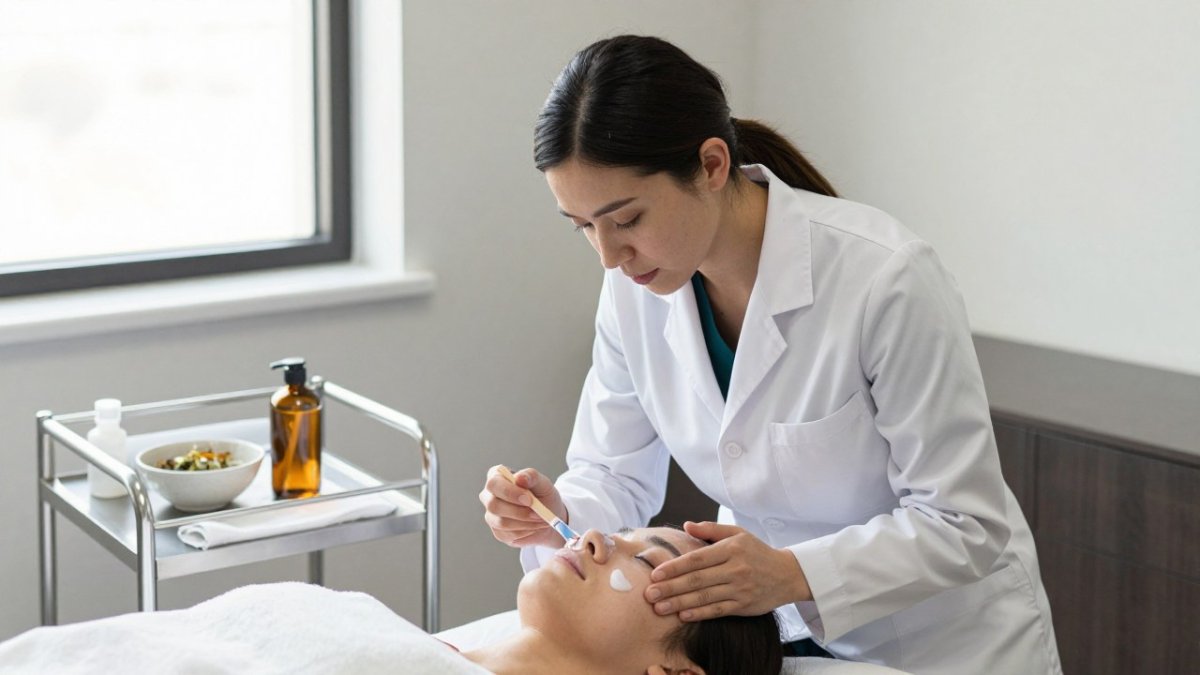
Professional facials deliver results that at-home skincare can't match because estheticians use stronger concentrations of active ingredients, customize treatments to your specific skin type, and apply techniques that maximize penetration and efficacy.
Custom Skin Analysis and Personalized Treatment
The best professional facials start with a thorough skin analysis. A trained esthetician examines your skin under magnification, assesses your skin type, identifies specific concerns, and designs a treatment plan tailored to your needs.
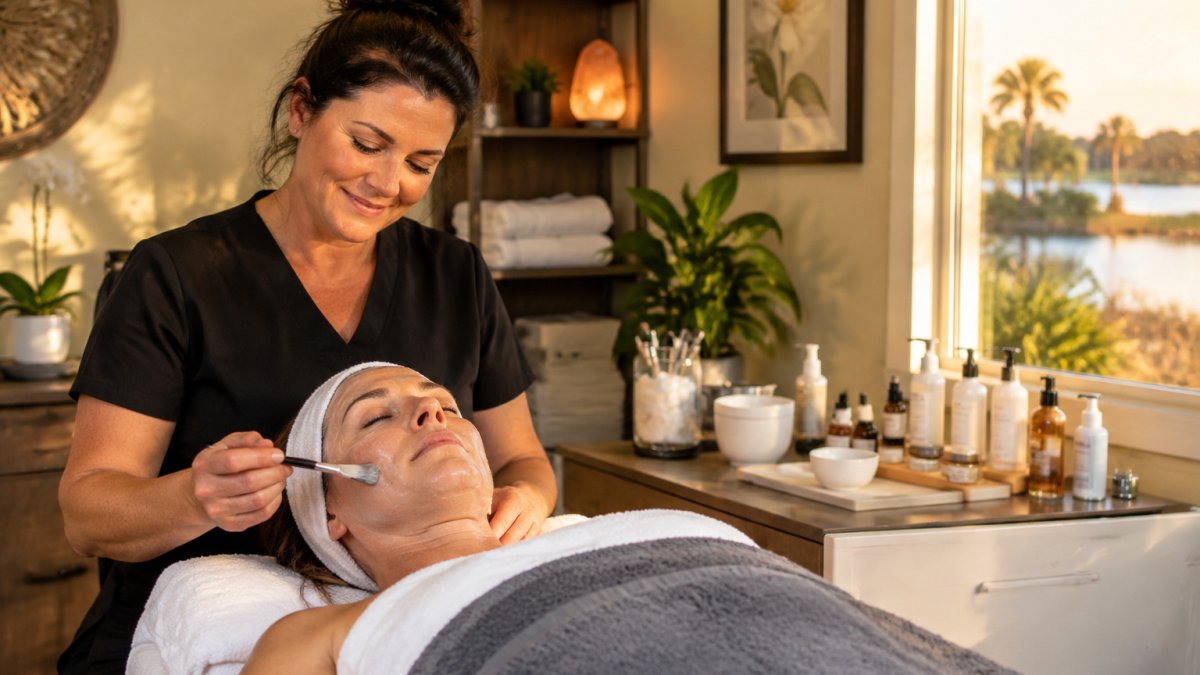
Skin Solutions by 2 Divas specializes in custom corrective facials that target individual concerns like aging, acne, and hyperpigmentation. The process begins with a detailed skin analysis to understand your unique needs, then combines high-quality ingredients and professional techniques to achieve radiant, healthy results.
During a professional facial, estheticians apply products in specific sequences, use techniques like massage and extraction to improve circulation and product penetration, and often incorporate professional-grade treatments like chemical peels or microneedling that aren't available over-the-counter.
Professional Treatments vs. At-Home Care
At-home skincare is foundational and maintains results. Professional treatments accelerate improvement. A professional facial every 4-6 weeks combined with a solid at-home routine produces results in 8-12 weeks that would take 6-12 months with skincare alone.
The ideal approach combines both: consistent at-home skincare (sunscreen, retinoids, antioxidants, hydration) with professional facials every 4-6 weeks.
Non-Surgical Cosmetic Procedures to Reduce Facial Aging
When skincare and lifestyle changes aren't enough, non-surgical procedures offer dramatic results without surgery.
Laser Resurfacing and Microneedling
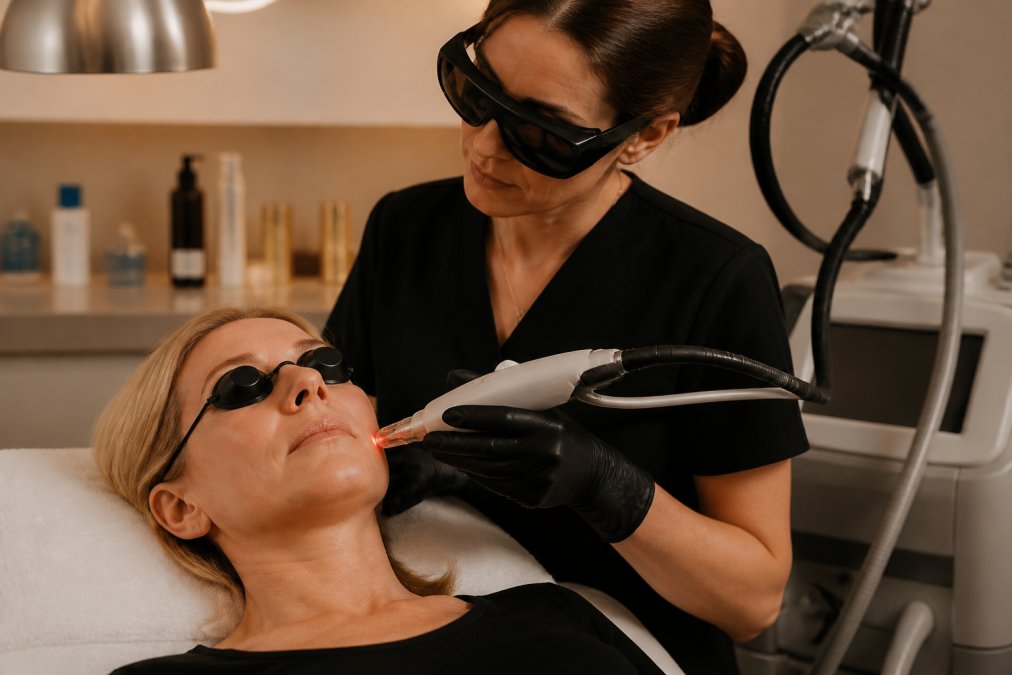
Clear + Brilliant is a gentle fractional laser designed for early signs of aging, improving skin tone and texture with minimal downtime. The average cost for an initial series of treatments is $1,150, but prices can range from $300 to $4,000. Results appear gradually over 2-3 months as new collagen is produced. Multiple sessions (typically 4-6) are needed for optimal results.
SkinPen microneedling creates controlled micro-injuries that trigger the body's natural wound-healing response, stimulating collagen and elastin production. It's FDA-approved and effective for fine lines, wrinkles, and acne scars. The average cost of SkinPen treatments is $560, but prices can range from $250 to $1,200. Most people need 3-4 sessions spaced 4-6 weeks apart.
Both treatments work by stimulating natural collagen production. They're ideal for people with early to moderate signs of aging who want gradual, natural-looking improvement.
Injectables and Dermal Fillers
BOTOX Cosmetic relaxes the muscles that create dynamic wrinkles (frown lines, crow's feet, forehead lines). The national average cost for BOTOX® Cosmetic is $445 per treatment, but prices can range from $325 to $710. Results appear within 3-7 days and last 3-4 months, requiring repeat treatments to maintain results.
Juvéderm dermal fillers add volume beneath the skin, smoothing wrinkles and restoring lost fullness. The national average cost for Juvéderm® is $775 per treatment session. Results are immediate and last 1-2 years depending on the product and individual metabolism.
Injectables are quick (15-30 minutes) with minimal downtime, though some bruising and swelling are normal. Results look best when subtle and natural.
Microcurrent and Ultrasound Treatments
Ultherapy uses focused ultrasound energy to stimulate collagen production deep within the skin, lifting and tightening loose skin on the face, neck, and chest. The average cost for the procedure ranges between $2000-$4000 for a full-face therapy. Results appear gradually over 2-3 months and continue improving for up to six months.
NuFACE Trinity and FOREO BEAR are at-home microcurrent devices that stimulate facial muscles, improving tone and reducing fine lines. The NuFACE Trinity Starter Kit costs $395.00. The FOREO BEAR costs $349. They require consistent daily use (5-10 minutes) for noticeable results.
These technologies work best as preventative or maintenance treatments rather than solutions for significant aging.
Budget-Conscious vs. Luxury Approaches to Anti-Aging
Effective anti-aging doesn't require spending thousands monthly. The fundamentals, sunscreen, retinoids, and consistent skincare, cost far less than professional procedures and deliver substantial results.
A budget-conscious approach focuses on proven basics: drugstore sunscreen (SPF 50+), over-the-counter retinol, and a simple moisturizer. This costs $30-50 monthly and takes 3-6 months to show results. Pair it with lifestyle changes (sleep, stress management, no smoking) and you'll see meaningful improvement within six months.
A luxury approach combines high-end skincare (SkinCeuticals, prescription tretinoin) with professional facials every 4-6 weeks and occasional procedures like laser resurfacing or injectables. This costs $200-500+ monthly but produces faster, more dramatic results.
Consistency matters more than cost. A person using budget drugstore products religiously will have better skin than someone using luxury products sporadically. Start with the fundamentals, build consistency, and upgrade to professional treatments once you've established a solid routine.
For those seeking professional guidance and custom treatment plans, Skin Solutions by 2 Divas offers personalized corrective facials designed to address your specific aging concerns. A thorough skin analysis identifies exactly what your skin needs, and a tailored treatment plan ensures you're investing in what actually works for you.
The most effective anti-aging strategy combines prevention (sun protection, skincare), maintenance (consistent routines, healthy lifestyle), and targeted treatments (professional facials, procedures when needed). Skin Solutions by 2 Divas specializes in custom corrective facials that analyze your unique skin and deliver personalized treatment plans using high-quality ingredients to reduce facial aging, target hyperpigmentation and acne, and achieve radiant, healthy results. Book your appointment today to see how a professional skin analysis can transform your approach to aging skin.
Frequently Asked Questions
What's the best way to reduce facial aging naturally?
Consistent sun protection, a solid skincare routine with retinoids and antioxidants, adequate sleep, stress management, and staying hydrated form the foundation. These preventative measures slow photo-aging and maintain skin barrier function. Professional corrective facials can accelerate results by promoting collagen production and addressing specific concerns like hyperpigmentation or fine lines that at-home routines alone cannot fully resolve.
How do the best anti-aging skincare ingredients actually work?
Retinoids boost collagen production and increase epidermal turnover, reducing fine lines and improving skin texture. Vitamin C and other antioxidants neutralize free radicals from UV radiation and pollution, preventing oxidative stress. Hyaluronic acid maintains skin hydration and dermal elasticity. These ingredients work synergistically: sun protection prevents damage, retinoids repair it, and antioxidants defend against future harm. Results typically take 6-12 weeks of consistent use.
How often should I get professional corrective facials to see lasting results?
Most people benefit from monthly facials initially to address specific concerns like acne, hyperpigmentation, or premature aging. A thorough skin analysis determines your ideal frequency. Some clients see significant improvement in 3-4 sessions, while others with stubborn concerns may need longer. Between facials, a personalized at-home routine maintains results. Professional treatments accelerate cellular regeneration far beyond what daily skincare alone can achieve.
How does hormonal acne and congestion affect facial aging?
Hormonal acne creates inflammation that damages the skin barrier and triggers excess sebum production, leading to congestion and potential scarring. This accelerates the appearance of aging through compromised dermal elasticity and uneven skin texture. Adults aged 30-50 often struggle with this combination. Professional corrective facials combined with targeted skincare ingredients address both active breakouts and the aging effects they cause, preventing long-term damage to skin health.
What's the difference between preventative skincare and corrective treatments?
Preventative skincare focuses on sun protection, hydration, and maintaining skin barrier function to slow natural aging. Corrective treatments address existing damage like fine lines, hyperpigmentation, and loss of elasticity through professional procedures or prescription-strength ingredients. Most effective anti-aging strategies combine both: use sunscreen and antioxidants daily to prevent future damage, then add professional facials or retinoids to correct current concerns. Starting preventative care in your 20s-30s significantly reduces the need for aggressive corrective procedures later.
Can professional facials actually fix hyperpigmentation, or is it just temporary?
Professional corrective facials address hyperpigmentation through exfoliation, targeted ingredients, and treatments that promote epidermal turnover. Results depend on severity and consistency. Mild pigmentation often shows improvement in 3-6 sessions combined with daily broad-spectrum sunscreen. Deeper pigmentation may require ongoing maintenance. A personalized treatment plan from a specialist who conducts a thorough skin analysis determines realistic outcomes and commitment level, ensuring you understand what's achievable for your specific skin concerns.
Is it worth getting professional facials if I already have a good at-home skincare routine?
Yes. Professional facials deliver results at-home routines cannot match because they use clinical-grade ingredients, advanced equipment, and techniques that penetrate deeper into the skin. They also provide expert skin analysis to identify concerns you might miss, like early signs of photo-aging or hormonal patterns affecting your skin. For special events or accelerating anti-aging results, professional treatments combined with daily skincare create dramatic improvements in skin texture, radiance, and elasticity that justify the investment.
This article was written using GrandRanker