 ultimate-guide
Best Age to Start Anti-Aging Facials
Table of Contents
- When Should You Start Anti-Aging Facials
- Why Collagen Production and Skin Elasticity Matter
- Preventative Skincare Routine for Your 20s
- Signs of Skin Aging to Look For
- How Often to Get Facials for Anti-Aging Results
- How to Get Rid of Wrinkles Without Botox
- Custom Facials vs. At-Home Skincare: Which Comes First
- Conclusion
- Frequently Asked Questions
Last Updated: September 2, 2026
When Should You Start Anti-Aging Facials
Most dermatologists recommend beginning preventative anti-aging facials in your late twenties to early thirties. Starting early isn't about fighting wrinkles that don't exist yet; it's about slowing the processes that create them.
Your skin's collagen production peaks in your mid-twenties and declines roughly 1% per year after that (peer-reviewed research). By your thirties, this decline becomes visually noticeable. Professional facials accelerate cellular turnover and stimulate collagen production before significant damage accumulates, making prevention far more effective than correction later. At Skin Solutions by 2 Divas, we assess each client's skin during a thorough analysis to determine whether preventative facials or corrective treatments are the right starting point.
The timeline isn't one-size-fits-all. Someone with extensive sun damage at thirty might benefit from aggressive corrective facials immediately, while someone with minimal exposure could wait until their mid-thirties.
Why Collagen Production and Skin Elasticity Matter
Collagen is the structural protein that keeps skin firm, plump, and resilient. When collagen breaks down through UV exposure, oxidative stress, and natural aging, your skin loses elasticity and fine lines become permanent creases.
Your skin contains two types of collagen: Type I (provides firmness) and Type III (provides elasticity). Both decline with age, but UV damage accelerates this breakdown significantly. Professional facials trigger controlled micro-injury or chemical stimulation that prompts your body to produce new collagen in response. The earlier you start this process, the more collagen you preserve and the slower visible aging progresses.
Elastin works alongside collagen to allow your skin to stretch and bounce back. When elastin degrades, skin becomes slack and loses its youthful snap. Facials that include retinoids, vitamin C, and peptides directly support elastin production while protecting existing collagen from further breakdown. This is why preventative facials in your twenties and thirties create such a stark difference compared to starting corrective treatments in your fifties.
Professional facials stimulate the dermal layers to thicken and strengthen, counteracting natural thinning over time. At-home skincare can support this process, but professional treatments deliver ingredients and technologies deep enough to create measurable structural changes.
Preventative Skincare Routine for Your 20s
Your twenties are the ideal time to build a skincare foundation that prevents decades of damage. A preventative routine isn't about treating wrinkles; it's about establishing habits that slow collagen breakdown and protect skin from environmental damage.
A basic preventative routine includes:
- Daily sunscreen (SPF 30 minimum): UV exposure is the single largest driver of premature aging (the American Academy of Dermatology). Using sunscreen every day prevents photoaging, the accelerated aging caused by sun damage.
- Gentle cleanser: Remove daily buildup without stripping your skin barrier. A compromised barrier leads to inflammation and accelerated aging.
- Moisturizer: Hydrated skin repairs itself more efficiently and shows fewer fine lines.
- Antioxidant serum: Vitamin C or other antioxidants neutralize free radicals generated by sun exposure and pollution, slowing oxidative stress that damages collagen.
- Retinoid (optional but recommended): Starting a low-dose retinoid in your late twenties jumpstarts cellular turnover and collagen production.
Professional facials complement this routine by delivering high-concentration actives and stimulating deeper skin layers that topical products alone cannot reach. A monthly preventative facial in your twenties maintains skin clarity and ensures your at-home routine is working effectively.
The key is consistency. A simple routine followed religiously beats an elaborate routine done sporadically.
Signs of Skin Aging to Look For
Recognizing early aging signs tells you when to start professional facials. Most people wait until wrinkles are deep and permanent before seeking treatment, missing the window when prevention is most effective.

Fine lines around the eyes and mouth appear first because the skin here is thinnest and moves constantly. These aren't wrinkles yet; they're creases that disappear when you relax your face. This is the ideal time to start facials and preventative treatments.
Loss of skin elasticity shows up as sagging along the jawline or cheeks. Pinch the skin on your cheek; if it takes longer than two seconds to bounce back, elasticity is declining and collagen production has dropped enough to affect skin structure.
Uneven skin tone and hyperpigmentation develop from sun exposure and hormonal changes. Age spots and patches of darker skin indicate UV damage and oxidative stress, easier to treat early than after years of accumulation.
Dull, textured skin lacking radiance suggests cellular turnover has slowed. Professional exfoliation through facials restores brightness immediately and improves texture over time.
Increased sensitivity and reactivity often precedes visible aging. If your skin suddenly breaks out, flushes easily, or reacts to products it tolerated before, your skin barrier is compromised and requires professional assessment.
How Often to Get Facials for Anti-Aging Results
Facial frequency depends on your skin condition, age, and treatment intensity.
For preventative facials in your twenties and early thirties: Monthly facials maintain skin clarity, stimulate consistent collagen production, and keep your skin barrier healthy. Many people see visible improvement in skin texture and radiance within three to four months of monthly facials.
For corrective facials addressing visible aging in your thirties and beyond: Intensive treatments like chemical peels or microneedling typically require spacing of four to six weeks between sessions. Starting with a series of four to six treatments, then transitioning to monthly maintenance, creates the most dramatic results.
For maintenance after achieving results: Once your skin improves, monthly facials sustain those gains. Skipping facials causes collagen production to slow again, and aging accelerates back to baseline within a few months.
Book your appointment today! →
The specific frequency also depends on the facial type. A gentle hydrating facial can be done every two weeks, while aggressive chemical peels require six to eight weeks between treatments. At Skin Solutions by 2 Divas, we create custom treatment plans that specify the right frequency for your specific concerns and skin type.
How to Get Rid of Wrinkles Without Botox
Wrinkles don't require injections to improve. Professional facials, retinoids, and targeted skincare ingredients can significantly reduce fine lines and prevent deeper wrinkles from forming.
Professional facials with active ingredients deliver concentrations of wrinkle-fighting compounds that topical products can't match. Chemical peels accelerate cellular turnover, revealing smoother skin beneath and stimulating collagen production. Microneedling creates controlled micro-injuries that trigger the body's natural healing response, producing new collagen and elastin. Laser facials resurface the skin and stimulate deep collagen remodeling. These treatments typically show visible improvement in fine lines within one to three months of consistent sessions.
Retinoids remain the gold standard for wrinkle reduction at home. Prescription retinoids like tretinoin work faster than over-the-counter retinol, but both reduce fine lines by accelerating cellular turnover and boosting collagen production (peer-reviewed research). Expect three to six months of consistent use before dramatic improvement.
Vitamin C serums and antioxidants protect collagen from oxidative damage while brightening skin and improving texture. These prevent new wrinkles and support other treatments' effectiveness.
Peptides and growth factors signal skin cells to produce more collagen and elastin. High-quality serums and professional treatments containing these ingredients improve skin firmness and reduce fine line depth over time.
The most effective approach combines professional facials with a consistent at-home routine. Someone using retinoids, vitamin C, and sunscreen daily while getting monthly facials will see far better wrinkle improvement than someone doing either alone.
Custom Facials vs. At-Home Skincare: Which Comes First
Professional facials and at-home skincare work together; neither replaces the other.
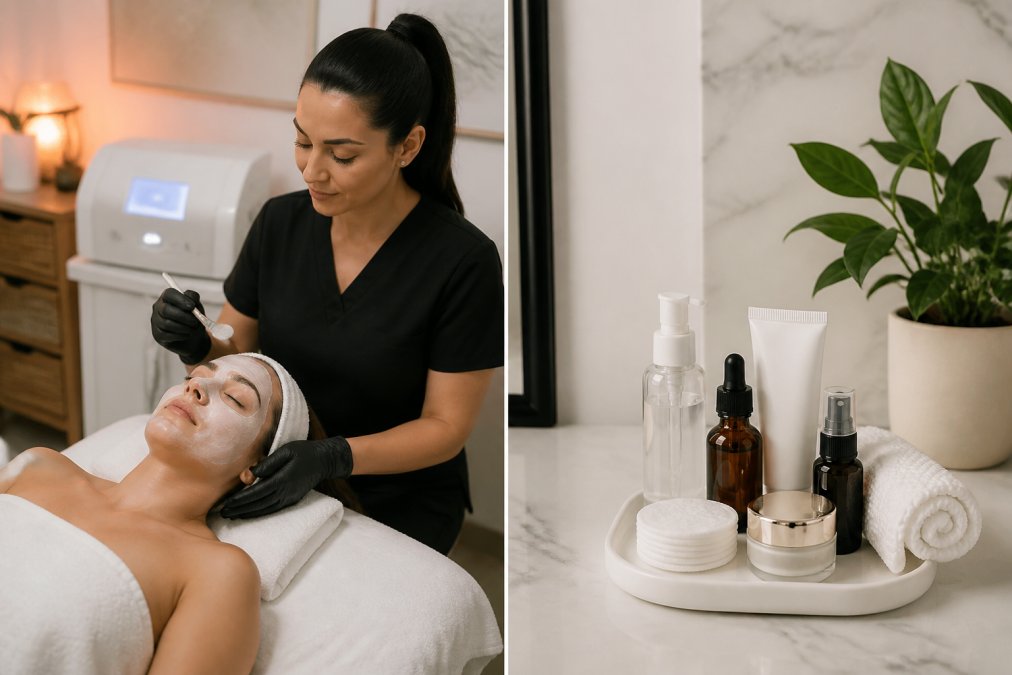
At-home skincare is your daily foundation. Sunscreen, retinoids, vitamin C, and moisturizers work continuously to prevent damage and support skin health. The limitation is concentration and penetration depth. Even the best drugstore retinol is weaker than prescription tretinoin, and serums can't penetrate as deeply as professional treatments. At-home skincare alone prevents aging but doesn't reverse it.
Professional facials are your intensive treatment layer. They deliver high-concentration actives, use technologies that topical products can't replicate, and stimulate collagen production in ways at-home routines cannot. A single professional facial often creates more visible improvement than months of at-home products alone.
The optimal approach starts with at-home skincare, then adds professional facials. Someone in their twenties with good skin might do at-home preventative skincare only, adding monthly facials for maintenance. Someone in their thirties with visible aging should establish a solid at-home routine first, then add monthly or bi-monthly facials to accelerate results. Someone in their forties or fifties with significant aging might do intensive facial series while maintaining daily skincare, then transition to monthly facials.
At Skin Solutions by 2 Divas, we conduct a thorough skin analysis to determine whether you need corrective facials immediately or should establish at-home skincare first. The custom approach means your treatment plan matches your actual skin condition, not a generic timeline.
Think of at-home skincare as consistent, preventative maintenance and professional facials as intensive repairs.
Conclusion
The best age to start anti-aging facials is whenever you notice early signs of aging or want to prevent them from appearing, typically the late twenties to early thirties. Waiting until wrinkles are deep and permanent means spending years on corrective treatments instead of months on prevention. Starting early creates a fundamentally different outcome: gradual, subtle improvement rather than dramatic interventions.
Your skin's needs are unique. Sun exposure history, genetics, skin type, and lifestyle all influence when and how aggressively you should start facials. A professional skin analysis reveals exactly where your skin stands and what approach will deliver results.
At Skin Solutions by 2 Divas, we specialize in custom corrective facials designed around your individual skin concerns. Whether you're starting preventatively in your twenties or addressing visible aging in your forties, our specialists conduct a thorough skin analysis and create a personalized treatment plan that targets your specific needs.
Book your appointment today and discover how a custom facial approach can transform your skin and your confidence.
| Age Range | Primary Goal | Recommended Approach | Facial Frequency |
|---|---|---|---|
| 20-25 | Prevention | At-home skincare + sunscreen | Monthly (optional) |
| 25-30 | Early prevention | Retinoid + vitamin C + monthly facials | Monthly |
| 30-40 | Prevent & correct | Daily skincare + targeted facials | Bi-monthly |
| 40-50 | Correct visible aging | Intensive facial series + daily care | 4-6 sessions, then monthly |
| 50+ | Reverse damage | Professional facials + prescription retinoids | Monthly or bi-monthly |
Frequently Asked Questions
At what age should I start using anti-aging facials?
Most dermatologists recommend beginning professional anti-aging facials in your late 20s to early 30s, when early signs of aging first appear. However, if you have sun damage, hyperpigmentation, or other skin concerns earlier, facials can address these at any age. Your skin type and lifestyle habits also influence timing. A thorough skin analysis from a specialist can determine your ideal starting point for anti-aging facials tailored to your unique needs.
What is the best preventative skincare routine for your 20s?
A preventative skincare routine for your 20s should focus on protecting your skin barrier and preventing photoaging. Start with a gentle cleanser, hydrating moisturizer, and broad-spectrum SPF 30 or higher daily. Add a vitamin C serum or retinol product 2-3 times weekly to boost collagen production and cellular turnover. Antioxidants like vitamin E help neutralize free radicals from UV exposure. Consistency matters more than complexity at this stage, establishing these habits now prevents fine lines and wrinkles from forming later.
How often should you get anti-aging facials for best results?
Most professionals recommend professional facials every 4-6 weeks for consistent anti-aging benefits. This timeframe aligns with your skin's natural cellular turnover cycle of about 28 days. Frequency may increase during intensive corrective treatment phases or decrease for maintenance once results are achieved. Your esthetician will recommend a schedule based on your specific skin concerns, age, and skin type. Regular facials combined with a solid at-home skincare regimen maximize collagen production and skin elasticity improvements.
Can professional facials actually prevent wrinkles from forming?
Professional facials can significantly slow wrinkle formation and prevent early signs of aging when started early enough. They boost collagen production, improve skin elasticity, and enhance cellular turnover through exfoliation and targeted ingredients. However, prevention works best when combined with daily sun protection (SPF), a consistent skincare routine with retinoids and antioxidants, and healthy lifestyle habits. Professional facials are most effective as a preventative tool in your 20s and 30s, before deeper wrinkles develop.
This article was written using GrandRanker