 how-to
When to Start Preventative Wrinkle Treatments
Table of Contents
- When to Start Preventative Wrinkle Treatments
- How Skin Changes and Collagen Production Declines
- Preventative Wrinkle Treatments by Age
- How to Prevent Wrinkles with Daily Skincare
- Best Ingredients for Preventing Wrinkles
- Retinol for Wrinkle Prevention: When and How to Start
- Professional Preventative Treatments Beyond Topical Skincare
- Conclusion
- Frequently Asked Questions
Last Updated: October 12, 2026
When to Start Preventative Wrinkle Treatments
The question of when to start preventative wrinkle treatments isn't one-size-fits-all. At Skin Solutions by 2 Divas in Sebring, FL, we work with clients across every age and skin type to determine the right timing. Some benefit from preventative approaches in their twenties; others wait until their thirties or forties.
Prevention doesn't require expensive procedures or complicated routines. It starts with understanding how your skin changes and what you can do today to slow that process.
How Skin Changes and Collagen Production Declines
Collagen, the protein that keeps skin firm and smooth, peaks in your twenties and declines steadily after that, accelerating by your forties and fifties.
As collagen production slows, skin loses elasticity and firmness. Fine lines appear first, often around the eyes where skin is thinnest, then deepen over time.
The timeline varies by person:
- Twenties: Collagen is still abundant, but sun exposure and lifestyle habits start causing damage
- Thirties: Subtle fine lines may appear; skin texture begins to change
- Forties and beyond: More visible wrinkles, loss of elasticity, and age-related pigmentation become common
Genetics play a role, but lifestyle factors matter just as much. Sun exposure, smoking, sleep quality, nutrition, and stress all speed up skin aging, which is why preventative skincare and sun protection early on make a real difference.
Preventative Wrinkle Treatments by Age
Age is a useful starting point, but not the whole story.
Separate prevention (protecting skin that does not yet show damage) from treatment (addressing lines, texture, or pigment already visible). Most people need a mix of both.
In Your Twenties: Build the Foundation
In your twenties, collagen production is still relatively high and most people have no visible wrinkles. Prevention has the highest return here.
What matters most at this stage:
- Daily broad-spectrum sunscreen, SPF 30 or higher. This is the single most evidence-supported habit for reducing premature aging. UV exposure is the biggest driver of fine lines, uneven tone, and collagen breakdown.
- A gentle cleanser and a basic moisturizer. No need for a ten-step routine.
- An antioxidant serum in the morning, such as vitamin C, to help defend against environmental stress.
- Avoid smoking and limit excessive alcohol, both of which are linked to faster skin aging.
Most people at this stage do not need prescription-strength actives or injectables. The goal is consistency, not intensity.
In Your Thirties: Add Actives and Address Early Changes
Your thirties often bring the first subtle changes: fine lines around the eyes, duller texture, or early pigment from past sun exposure.
Consider adding, one at a time:
- A retinoid (retinol or prescription tretinoin). Retinoids are among the most studied ingredients for both preventing and improving fine lines (Retinoids in the treatment of skin aging: an overview of clinical efficacy and safety). Start low and slow.
- Vitamin C in the morning for antioxidant protection and to support collagen.
- A richer moisturizer or one with hyaluronic acid to plump fine lines caused by dehydration.
- Continued daily sunscreen, which remains non-negotiable.
This is also when many people begin professional treatments.
In Your Forties and Beyond: Prevention Plus Active Treatment
By your forties, collagen loss and cumulative sun exposure usually make wrinkles and laxity more visible.
Options often include:
- Prescription-strength retinoids, which can improve fine lines and texture over months of consistent use.
- Professional facials and peels designed for mature or sun-damaged skin.
- Peptides and hyaluronic acid for hydration and barrier support.
- Non-invasive procedures such as microneedling or chemical peels, which stimulate collagen remodeling.
At this stage, the focus shifts from preventing future damage to maintaining what you have and improving what is already visible.
A Note on Skin Concern, Not Just Age
Age alone does not determine the right plan.
Prevention Versus Treatment: A Quick Distinction
- Prevention means protecting skin that is not yet visibly damaged: sunscreen, antioxidants, gentle cleansing, moisturizing, and avoiding known accelerators like smoking.
- Treatment means actively improving visible lines, texture, or pigment: retinoids, professional peels, microneedling, and other procedures.
Most people benefit from both, and the right mix depends on your skin, not a single starting age.
How to Prevent Wrinkles with Daily Skincare
The foundation of any preventative wrinkle treatment plan is a consistent daily skincare routine, the most affordable place to start.
Step 1: Cleanse Gently
Use a mild cleanser twice daily. Harsh cleansing strips natural oils and accelerates aging.
Step 2: Apply Sun Protection Daily
Sun damage is the single biggest cause of premature wrinkles. Wear sunscreen every day, even on cloudy days and indoors near windows.
Look for:
- Broad-spectrum protection (UVA and UVB)
- Reapplication every two hours if outdoors
- At least SPF 30 (SPF 50+ is ideal for daily use)

Step 3: Moisturize
Hydrated skin looks plumper and shows fewer fine lines. Use a moisturizer suited to your skin type morning and night.
Step 4: Add Active Ingredients
Once your basic routine is solid, add ingredients that support collagen and skin health, starting slowly to avoid irritation.
Best Ingredients for Preventing Wrinkles
Certain ingredients have strong evidence behind them for wrinkle prevention and anti-aging skincare:
Retinol and Retinoids
These vitamin A derivatives increase cell turnover and boost collagen. Retinol is available over-the-counter; prescription retinoids are stronger.
Vitamin C
A potent antioxidant that protects against sun damage, supports collagen synthesis, and brightens skin over time.
Hyaluronic Acid
This humectant holds water in your skin, plumping fine lines. Apply to damp skin.
Peptides
These amino acid chains signal skin to produce more collagen. They're gentler than retinoids and work well for sensitive skin.
Book your appointment today! →
Niacinamide
Also called vitamin B3, niacinamide strengthens your skin barrier, reduces inflammation, and supports collagen.
Sunscreen (Chemical and Physical)
The only ingredient that prevents new damage. Chemical sunscreens absorb UV rays; physical sunscreens reflect them. Both work.
When starting preventative wrinkle treatments, introduce one new active ingredient at a time, waiting two to four weeks before adding another.
Retinol for Wrinkle Prevention: When and How to Start
Retinol is one of the most effective preventative wrinkle treatments available, but starting too strong or too fast causes irritation and redness.
When to Start Retinol
Most dermatologists recommend introducing retinol in your late twenties or early thirties. If you have sensitive skin or haven't used active ingredients before, waiting until your thirties is fine.
How to Introduce Retinol
Start low and go slow:
-
Choose a gentle formulation. Begin with 0.25-0.3% retinol. Prescription retinoids are stronger and should be introduced under professional guidance.
-
Use it two to three times per week at first. Apply a pea-sized amount to clean, dry skin at night. Avoid the eye area initially.
-
Avoid other actives. Don't combine retinol with vitamin C, acids, or other strong ingredients when starting. Once your skin adjusts (4-6 weeks), you can layer carefully.
-
Use sunscreen daily. Retinol makes skin more sun-sensitive. SPF 30 minimum, preferably higher.
-
Expect adjustment. Mild redness, dryness, or peeling is normal for the first few weeks. If irritation is severe, reduce frequency or switch to a milder formulation.
After 6-8 weeks, you can increase frequency to four to five times per week. Many people eventually use retinol nightly, but start conservatively.
Professional Preventative Treatments Beyond Topical Skincare
Professional treatments can do things topical products cannot: reach deeper layers of skin, stimulate collagen remodeling, and address texture or pigment more aggressively.
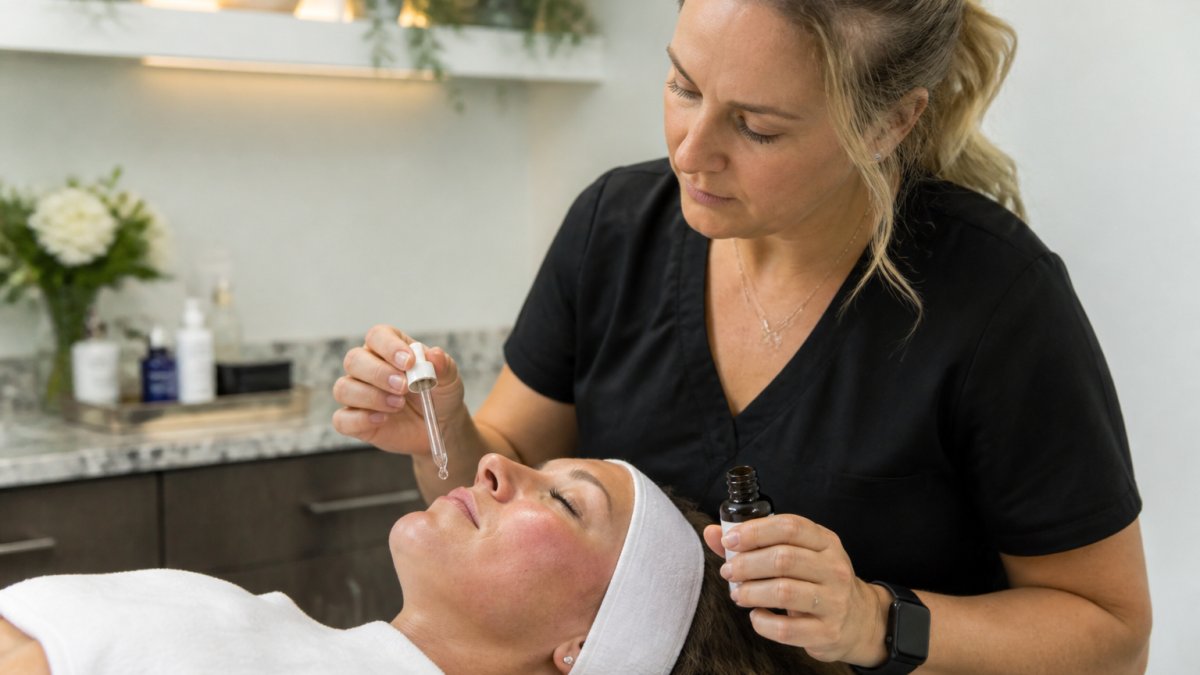
Custom Corrective Facials
Professional facials go deeper than at-home routines.
Facials are preventative when started early and can become more intensive as skin ages.
Microneedling uses fine needles to create controlled micro-injuries in the skin, which triggers collagen and elastin production (the American Academy of Dermatology). It is used for fine lines, acne scars, and overall texture.
What to know before considering it:
- Downtime: Expect redness and mild swelling for a day or two, similar to a sunburn.
- Contraindications: Active skin infections, certain blood-thinning medications, and a history of keloid scarring may make it unsuitable. Pregnant or breastfeeding individuals should consult a clinician first.
- Aftercare: Avoid sun exposure and harsh actives for several days, and use gentle, hydrating products.
Chemical Peels
Professional-strength peels remove damaged outer layers of skin and stimulate collagen.
Safety considerations:
- Skin type matters. Deeper peels carry a higher risk of post-inflammatory hyperpigmentation, especially in darker skin tones. A qualified provider will choose the right depth and formulation.
- Timing: Do not schedule a peel right before a major event, and avoid sun exposure during recovery.
- Contraindications: Active cold sores, recent isotretinoin use, and certain skin conditions may require postponement or a different approach.
Preventative Injectables
Neuromodulators (often called Botox or similar) relax the muscles that create expression lines.
What they can and cannot do:
- Can: Soften or prevent dynamic lines caused by muscle movement, such as frown lines and crow's feet.
- Cannot: Address wrinkles caused by sun damage, collagen loss, or volume loss. They also do not improve skin texture or pigment.
This is a personal choice, and it is not right for everyone. Pregnant or breastfeeding individuals should avoid them.
Realistic Expectations
Professional treatments work best when combined with daily skincare and sun protection.
Choosing a Qualified Provider
For any professional treatment, choose a licensed, experienced provider who will assess your skin, explain risks and alternatives, and tailor the plan to your goals.
Conclusion
The best time to start preventative wrinkle treatments is now, whatever your age. In your twenties, focus on sun protection and basic skincare. In your thirties, add actives like retinol. By your forties, consider professional treatments.
The key is consistency. Preventative wrinkle treatments work because you use them every day, month after month. A solid routine will slow aging and keep your skin looking healthy and radiant for decades.
At Skin Solutions by 2 Divas in Sebring, FL, we specialize in custom corrective facials designed around your unique skin. We conduct a thorough skin analysis, identify your specific concerns, and create a personalized treatment plan using high-quality ingredients.
Book your appointment today and discover how a tailored approach to preventative wrinkle treatments can transform your skin.
Frequently Asked Questions
When should you start using preventative wrinkle treatments?
The best time to start preventative wrinkle treatments depends on your skin type, genetics, and sun exposure. Most dermatologists recommend beginning sun protection in your twenties and introducing active anti-aging ingredients like retinol in your late twenties to early thirties. If you have significant sun damage or a family history of early wrinkling, starting earlier makes sense. Your skin needs vary, a personalized skin analysis helps determine your ideal timeline. Skin Solutions by 2 Divas in Sebring, FL offers thorough skin assessments to create a customized prevention plan based on your individual needs.
What's the difference between preventing wrinkles and treating existing ones?
Prevention focuses on slowing collagen loss and protecting skin from damage before fine lines appear, using sunscreen, hydration, and gentle ingredients. Treatment targets wrinkles that are already visible, often requiring stronger active ingredients, professional procedures, or injectables. Starting preventative skincare in your twenties and thirties can delay or reduce the depth of wrinkles significantly. Once wrinkles form, reversing them requires more intensive approaches. The earlier you begin prevention, the less aggressive treatment you may need later.
Which ingredients are best for preventing wrinkles?
Broad-spectrum sunscreen (SPF 30+) is the most important wrinkle-prevention ingredient, UV exposure causes most sun damage and accelerates aging. Retinoids boost collagen production and cell turnover. Antioxidants like vitamin C protect against environmental damage. Hyaluronic acid maintains hydration, which keeps skin plump and reduces the appearance of fine lines. Niacinamide strengthens the skin barrier. Peptides support collagen structure. Starting with sunscreen daily, then adding retinol gradually in your late twenties to thirties, creates a solid prevention foundation. A professional can recommend which ingredients suit your specific skin type and concerns.
Do I need professional treatments if I use good skincare products?
Topical skincare prevents and slows aging, but professional treatments can address deeper skin concerns and accelerate results. Custom corrective facials analyze your skin thoroughly and deliver high-concentration actives that topical products alone cannot match. Professional treatments also stimulate collagen production more effectively than at-home routines. Many people benefit from combining both: consistent daily skincare plus periodic professional treatments tailored to their skin's changing needs. Skin Solutions by 2 Divas in Sebring, FL specializes in personalized professional facials designed to complement your home routine and target your specific aging concerns.