 blog
How to Fade Hormonal Acne Dark Spots Fast
Last Updated: November 1, 2026
Quick Summary
The best-supported ingredients for fading hormonal acne dark spots are azelaic acid, niacinamide, and daily broad-spectrum sunscreen. Azelaic acid 15% gel, applied twice daily, reduced post-inflammatory pigmentation in a clinical review. Results build slowly, often over months.
- Azelaic acid 15% gel, applied twice daily, reduced post-inflammatory pigmentation in a clinical review.
- Niacinamide may help prevent new dark spots while existing ones fade.
- Daily broad-spectrum sunscreen stops existing marks from darkening.
- Introduce retinoids gradually, since they cause irritation and photosensitivity.
- Consult a professional if pigmentation does not improve after three to four months.
Table of Contents
- Why Hormonal Acne Leaves Dark Spots Behind
- Azelaic Acid for Acne Dark Spots
- Niacinamide for Post-Acne Hyperpigmentation
- Sunscreen for Post-Inflammatory Hyperpigmentation and Why It Matters
- How Long Acne Dark Spots Take to Fade
- Booking a Custom Plan for Your Dark Spots at Skin Solutions by 2 Divas
- Frequently Asked Questions
Dark spots that linger after a breakout can outlast the acne itself, and hormonal acne dark spots are especially common because hormonal breakouts are so good at leaving them behind. Skin Solutions by 2 Divas in Sebring, FL, works with clients on exactly this problem, and this guide explains which ingredients have the strongest support for fading those marks, how long fading typically takes, and what a custom plan looks like. The most useful starting point is understanding why hormonal breakouts leave pigment behind in the first place.
Why Hormonal Acne Leaves Dark Spots Behind
Hormonal acne often flares around the jawline, chin and cheeks, the same areas where inflammation tends to linger. When a breakout becomes inflamed, the skin can respond by producing extra melanin. The result is post-inflammatory hyperpigmentation, a flat brown or gray mark that stays after the bump is gone.
Dark spots are not the same as red marks. Post-inflammatory erythema is a pink or red mark caused by dilated blood vessels, and it often fades on its own. Scarring is a change in the skin's structure. Telling them apart matters, because the ingredients that help pigment may do little for redness or texture.
Azelaic Acid for Acne Dark Spots
Azelaic acid is one of the better-studied options for acne-related discoloration. A clinical-practice review on adult female acne reports that azelaic acid 15% gel, applied twice daily, was effective in reducing post-inflammatory pigmentation Adult female acne: a guide to clinical practice. Case-study reports also describe it being used as a monotherapy for acne, though those reports do not give precise outcome numbers.
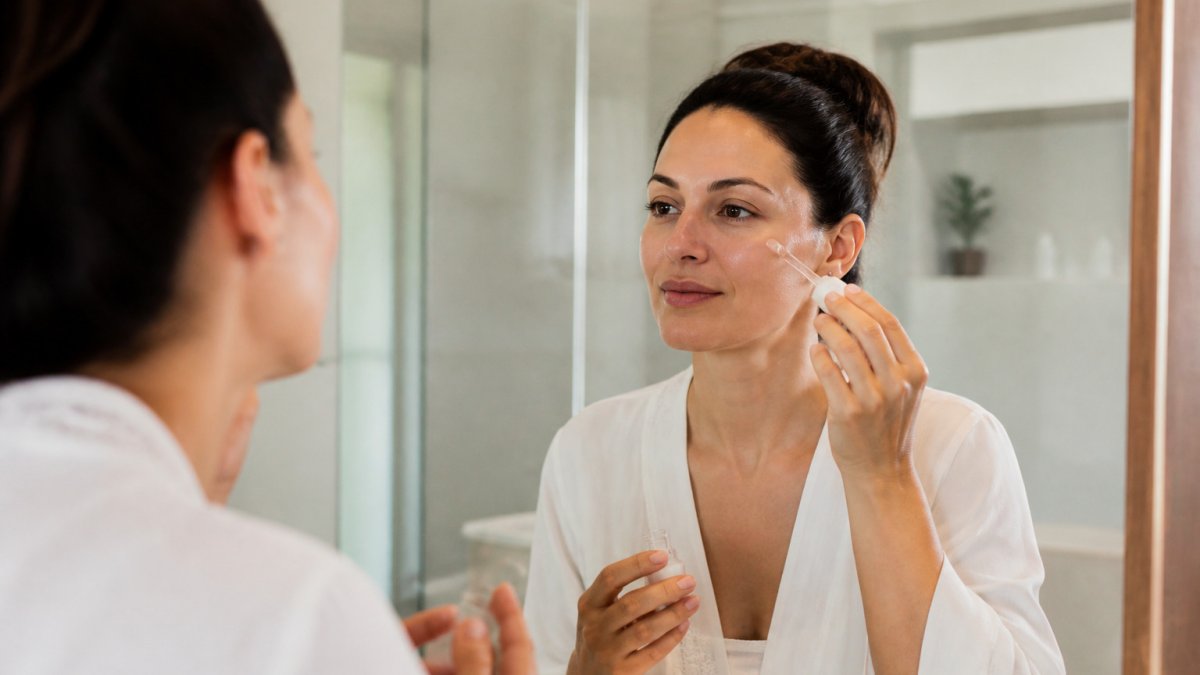
Azelaic acid is often considered for sensitive skin, so start slowly and watch for dryness or stinging. Start slowly, watch for dryness or stinging, and check with a professional before combining it with other strong actives.
Niacinamide for Post-Acne Hyperpigmentation
Niacinamide (vitamin B3) is one of the most versatile actives for post-acne marks because it addresses several steps in the pigmentation process at once. Unlike ingredients that primarily inhibit tyrosinase, niacinamide is thought to reduce the transfer of melanin from melanocytes to surrounding skin cells, which can help prevent new dark spots from forming while existing ones fade. It also supports the skin barrier and has mild anti-inflammatory properties, both of which matter when the skin is recovering from repeated hormonal breakouts.
Niacinamide is available in a range of concentrations, and higher strengths can cause irritation in sensitive skin, so starting with a gentler formulation is sensible. Apply it once or twice daily after cleansing and before heavier creams. Niacinamide layers well with most other actives, including azelaic acid, vitamin C, and retinoids, which makes it a practical anchor in a routine for hormonal acne marks.
Results build gradually, and more noticeable fading of established dark spots can take longer than subtle improvements in tone. Because niacinamide also helps regulate sebum, it can be a good fit for skin that is both acne-prone and prone to discoloration. If you are using prescription retinoids or strong exfoliating acids, introduce niacinamide first and add the stronger actives one at a time so you can tell what your skin tolerates.
For clients at Skin Solutions by 2 Divas in Sebring, FL, niacinamide is often part of a broader plan that also addresses active breakouts and sun protection. Call Skin Solutions by 2 Divas in Sebring, FL at 772-999-8820 to discuss whether it fits your skin.
The article compares several actives for fading acne-related marks, with the details below.
Book your appointment today! →
| Ingredient | Best for | Key note |
|---|---|---|
| Azelaic acid | Post-inflammatory pigmentation | 15% gel, applied twice daily, per a clinical review |
| Niacinamide | Preventing and fading dark spots | Reduces melanin transfer; start with gentler strength |
| Sunscreen | Stopping marks from darkening | Daily broad-spectrum use is non-negotiable |
| Retinoids | Faster cell turnover | Cause irritation; introduce gradually |
| Vitamin C and alpha arbutin | Antioxidant and melanin support | Commonly used alongside other actives |
Sunscreen for Post-Inflammatory Hyperpigmentation and Why It Matters
Sun exposure darkens existing marks and can make them last longer. Daily broad-spectrum sunscreen is one of the most important parts of any plan to fade dark spots, and it matters year-round in Florida's strong sun. Without it, even effective ingredients can struggle to make progress.
How Long Acne Dark Spots Take to Fade
Fading post-inflammatory hyperpigmentation is a slow process, and timelines vary by ingredient, skin tone, and how consistently you protect your skin from the sun. Fading post-inflammatory hyperpigmentation can take months, and deeper skin tones may see longer timelines.
Different ingredients have different evidence and expected speeds. Azelaic acid has clinical support for acne-related pigmentation, and niacinamide may show subtle tone improvement with consistent use. Topical retinoids can accelerate cell turnover and may help marks fade faster, but they also cause irritation and photosensitivity, so they require gradual introduction and daily sunscreen. Vitamin C serums and alpha arbutin are commonly used for antioxidant support and melanin inhibition. Exfoliating acids such as glycolic and mandelic acid can help surface pigment turn over, but overuse can worsen irritation and trigger more discoloration, especially in deeper skin tones.
A practical routine matters as much as the ingredient list. Introduce one active at a time, use it for several weeks before adding another, and keep sunscreen as the non-negotiable step every morning. Avoid stacking multiple strong exfoliants or retinoids on the same night. If you are using a benzoyl peroxide acne treatment, apply it at a different time from retinoids or vitamin C to reduce irritation. A gentle cleanser, niacinamide or azelaic acid in the morning with sunscreen, and a retinoid or exfoliating acid used a few nights per week as tolerated, is one way to structure a routine.
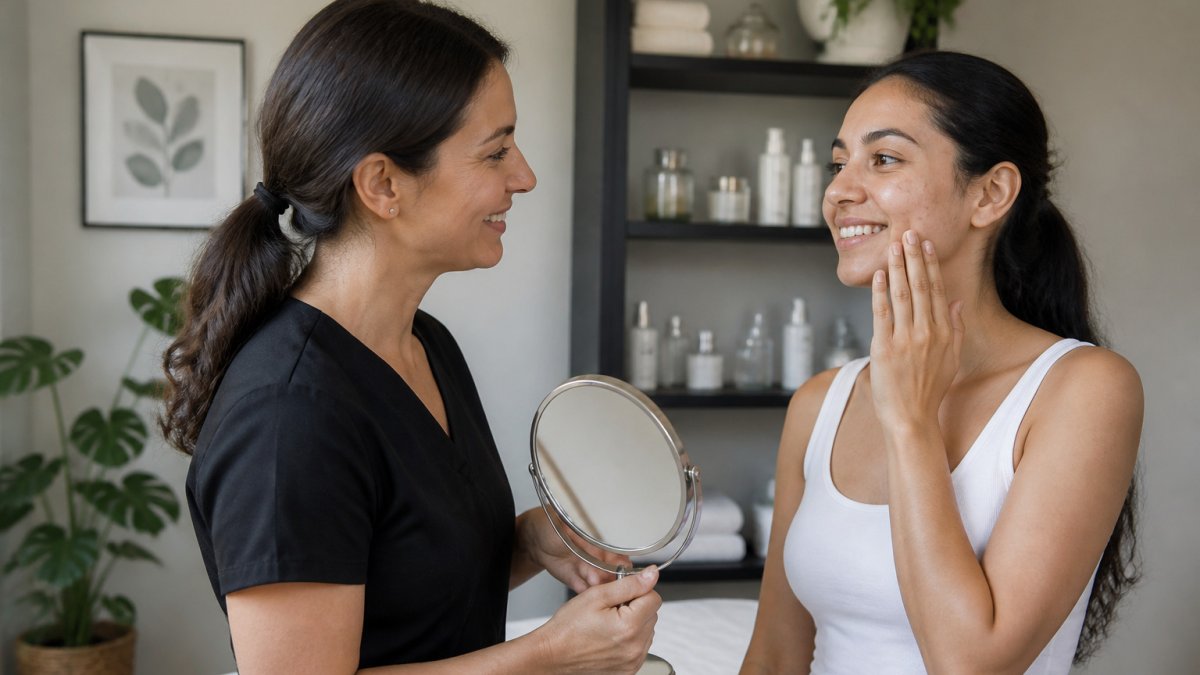
Seek professional care if acne is persistent or painful, if you develop severe irritation, or if pigmentation does not improve after three to four months of consistent care. A skin analysis can help distinguish post-inflammatory hyperpigmentation from post-inflammatory erythema or scarring, which need different approaches. At Skin Solutions by 2 Divas in Sebring, FL, we can assess your marks and build a plan that matches your skin tone and sensitivity. Call 772-999-8820 to book an appointment.
Booking a Custom Plan for Your Dark Spots at Skin Solutions by 2 Divas
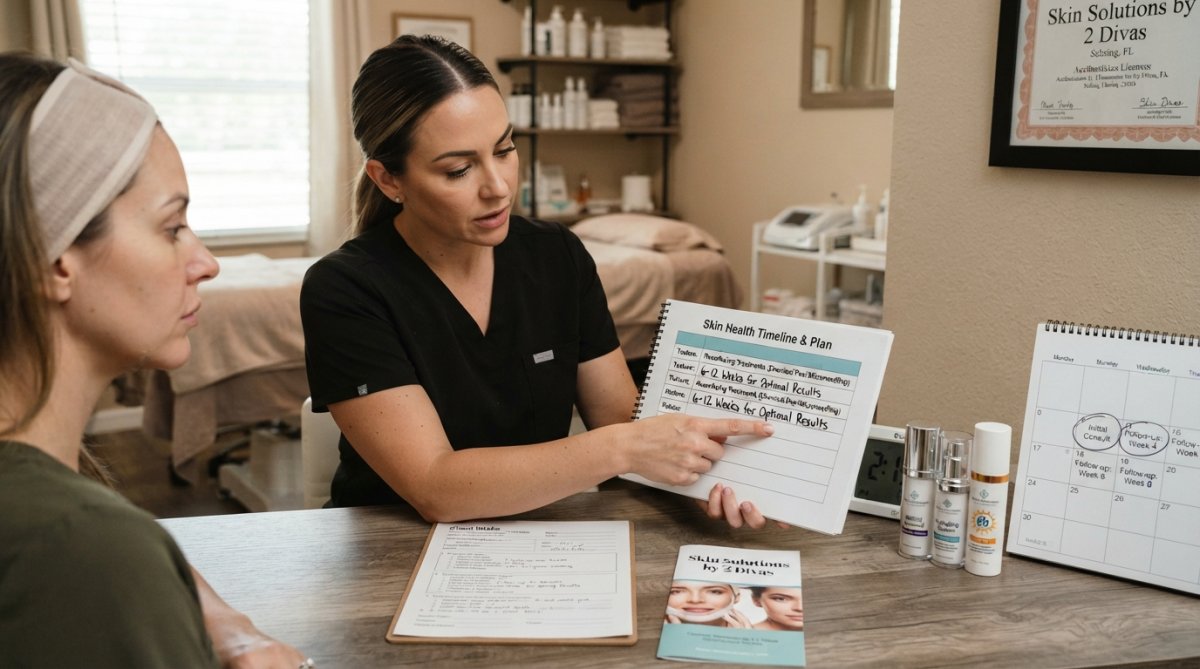
No single ingredient works for everyone, which is why a custom plan matters. At Skin Solutions by 2 Divas, the process starts with a skin analysis so the treatment can match your skin type, sensitivity and the kind of marks you have. You can see current specials and treatment photos on our gallery and specials page, then book a skincare appointment when you are ready. Questions about the process are welcome: contact us or call 772-999-8820.
Skin Solutions by 2 Divas, Sebring, FL, 772-999-8820. Book your appointment today!
Frequently Asked Questions
What ingredients help fade dark spots from hormonal acne?
Several topical ingredients are commonly used for post-acne marks, including azelaic acid, niacinamide, vitamin C, retinoids and exfoliating acids such as glycolic and mandelic acid. Azelaic acid is one of the commonly used ingredients for post-acne marks. Results vary by skin tone, sensitivity and consistency, so a professional skin analysis can help match an ingredient to your skin.
Does azelaic acid help with hormonal acne dark spots?
Azelaic acid is used both to control acne breakouts and to address the discoloration they leave behind. Start slowly, since it can cause mild stinging on reactive skin.
Can niacinamide fade post-acne dark spots?
Niacinamide is widely included in routines aimed at uneven tone and post-acne marks because it is generally well tolerated and pairs with many other actives. Most published guidance on it is broad rather than specific to hormonal acne, so expectations should stay realistic. Pairing it with consistent sun protection and gentle cleansing gives it the best chance to show visible change over several months.
How long do hormonal acne dark spots take to fade?
Post-inflammatory hyperpigmentation often takes several months to fade and can persist longer on deeper skin tones or with repeated breakouts. Timelines depend on how deep the pigment sits, how consistently treatments are used and whether new breakouts keep forming. The supplied research does not provide a single reliable timeline, so an honest answer is that progress is gradual and should be reassessed with a professional over time.