 blog
How Often to Get Facials: A Personalized Guide
Table of Contents
- Understanding the 4-6 Week Rule for Facial Frequency
- How Often to Get Facials for Different Skin Types
- Types of Facials and Their Recommended Schedules
- Signs You Need a Facial and When to Adjust Your Schedule
- Post-Facial Recovery and Downtime Expectations
- Seasonal Skin Changes and Facial Frequency Adjustments
- DIY vs. Professional Facials: Cost-Benefit Analysis
- Age-Specific Facial Frequency Recommendations
- Frequently Asked Questions
How Often to Get Facials: A Personalized Guide
Last Updated: July 23, 2026
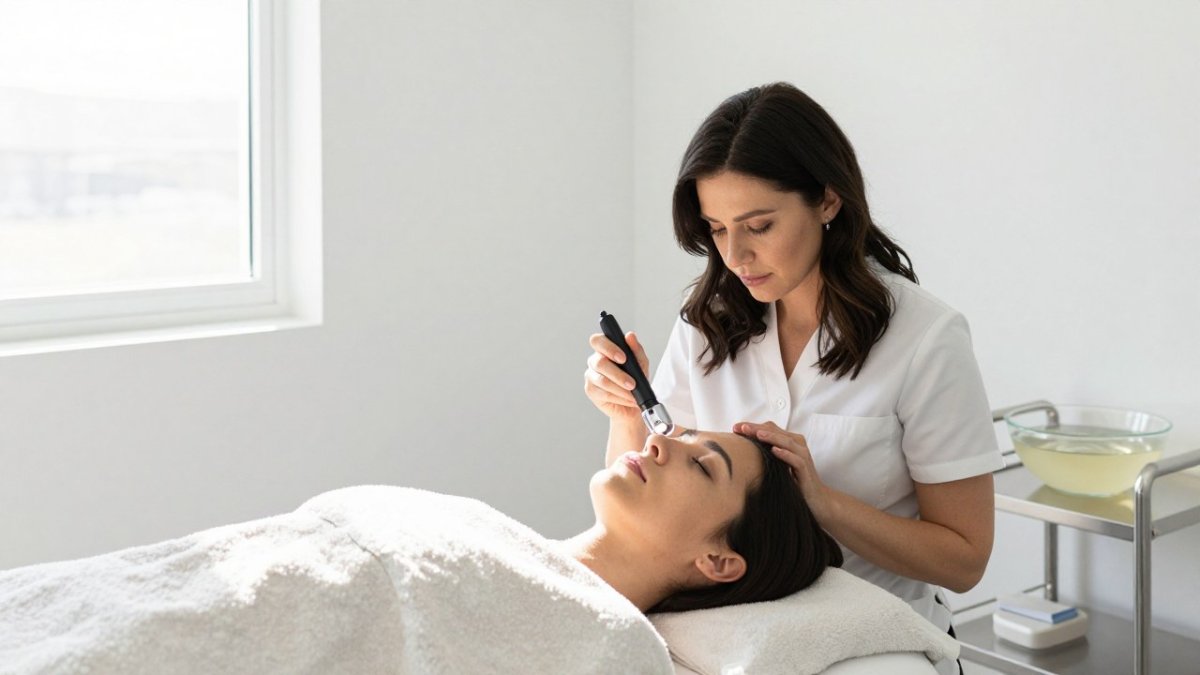
Understanding how often to get facials depends on your skin type, specific concerns, and treatment intensity. At SKIN SOLUTIONS BY 2 DIVAS, we've found that the right facial frequency transforms how clients see results from their skincare investments. Below, we'll break down exactly how to determine your ideal schedule and why consistency matters.
Understanding the 4-6 Week Rule for Facial Frequency
The 4-6 week recommendation is the gold standard in professional skincare. This timeframe aligns with your skin's natural regeneration cycle: your epidermis completely renews itself approximately every 28-30 days. Scheduling facials every 4-6 weeks means you're working with your skin's biology rather than against it.
After a professional facial, your skin experiences controlled exfoliation and stimulation. Skin cells begin renewal, collagen production increases, and the barrier strengthens. By week four, your skin has largely completed this cycle and is ready for the next treatment. Waiting longer than six weeks means you lose momentum and your skin settles back into old patterns.
Why Skin Cell Turnover Matters
Your skin constantly sheds dead cells and produces new ones from deeper layers. This process slows as you age, which is why older skin often looks dull and congested. Professional facials actively accelerate this natural turnover through exfoliation, extraction, and specialized serums that penetrate deeper layers. Chemical peels and microdermabrasion create controlled micro-injuries that trigger your skin's healing response, boosting collagen production and cell renewal.
Without regular professional intervention, dead cells accumulate, pores become congested, and products can't penetrate effectively. This is why DIY routines alone often plateau.
The Science Behind Regular Professional Facials
Professional facials use professional-grade serums, exfoliants, and equipment calibrated to your specific skin needs. Professional products have higher concentrations of active ingredients and are formulated for immediate, intensive results. Research in dermatology shows consistent facial treatments improve skin texture, reduce pore size, and enhance radiance far more effectively than topical products alone.
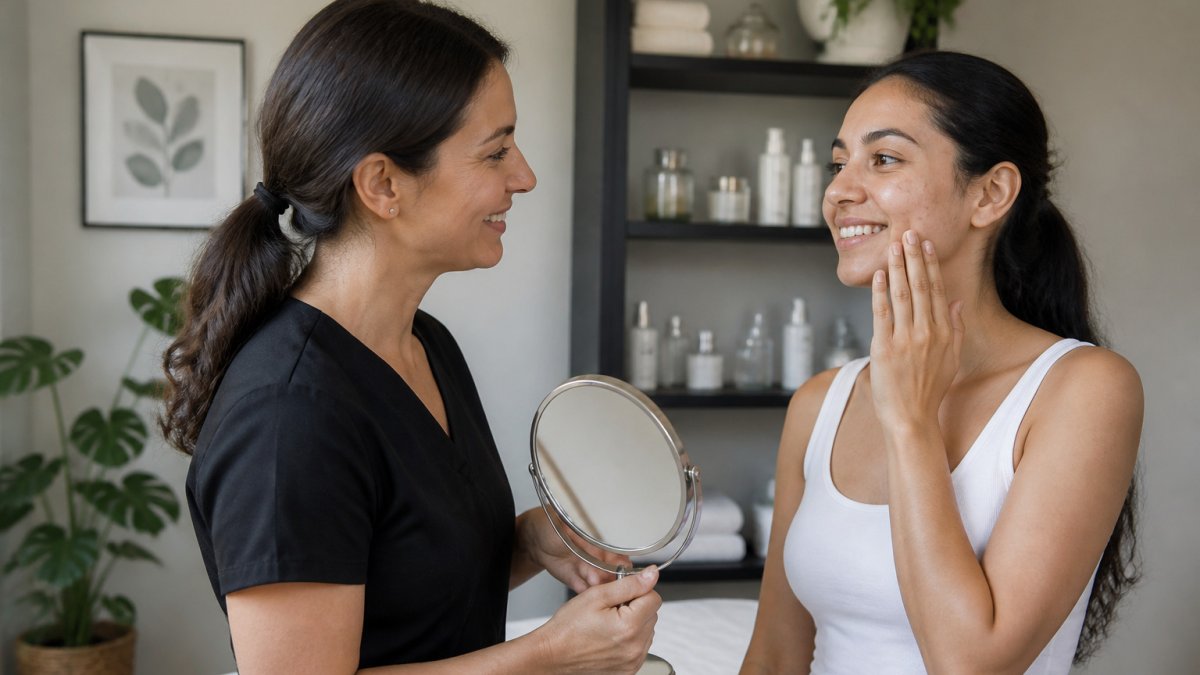
When you commit to regular facials, your aesthetician tracks changes over time, adjusts treatment intensity, and recommends complementary at-home care. This personalized approach is impossible with generic products.
How Often to Get Facials for Different Skin Types
Your skin type is the primary factor determining facial frequency. Oily, dry, sensitive, and combination skin all have different needs and recovery speeds.
Facial Frequency for Oily Skin and Pore Congestion
Oily skin benefits from more frequent facials than other skin types. If your skin produces excess sebum and you struggle with pore congestion or breakouts, monthly facials (every 4 weeks) are ideal. Oily skin is prone to comedones that worsen without regular professional extraction and deep cleansing.
For oily skin, combine gentle exfoliation with extraction and pore-purifying serums. Chemical peels work particularly well because they dissolve the sebum and dead skin blocking pores. Many clients see dramatic improvements in breakout frequency and pore appearance within three months of monthly facials.
If you have severe acne-prone skin with active breakouts, your aesthetician may recommend bi-weekly facials for the first 4-6 weeks, then transitioning to monthly maintenance. Once your skin stabilizes, you can extend to every 4-6 weeks.
Facial Frequency for Sensitive Skin
Sensitive skin requires a gentler approach and typically needs longer intervals between treatments. If your skin reacts easily to products, gets red, or feels irritated, spacing facials 6-8 weeks apart is often better than the standard 4-6 week recommendation. Sensitive skin needs more recovery time between treatments to rebuild its barrier and avoid inflammation.
For sensitive skin, focus on calming, hydrating facials rather than aggressive exfoliation. Hydrafacial treatments and gentle enzyme exfoliants are often better choices than chemical peels or microdermabrasion. Your aesthetician should use soothing serums with ingredients like centella asiatica, niacinamide, and hyaluronic acid.
Professional treatments, when done correctly for your skin type, actually strengthen your skin barrier over time. The key is finding an aesthetician who understands sensitive skin and doesn't over-treat. At SKIN SOLUTIONS BY 2 DIVAS, we conduct a thorough skin analysis before every appointment to ensure the treatment intensity matches your skin's tolerance.
Combination and Dehydrated Skin Considerations
Combination skin, oily in some areas and dry in others, requires a balanced approach. Every 4-6 weeks is appropriate, but your facial should address multiple concerns simultaneously. Your aesthetician can use different products and techniques on different zones, exfoliating the oily T-zone while hydrating dry cheeks.
Dehydrated skin lacks water (not oil) and responds excellently to regular professional hydration treatments. If your skin feels tight, flaky, or dull despite using moisturizer, monthly hydrating facials with serum infusion can transform your skin in 2-3 months. These facials use hyaluronic acid, glycerin, and other humectants to draw water into your skin and improve hydration at the dermal level.
Types of Facials and Their Recommended Schedules
Different facial types have different frequency recommendations based on their intensity.
Chemical Peels, Microdermabrasion, and Hydrafacial Frequency
Chemical peels are among the more intense facial treatments. A light chemical peel can be done every 2-4 weeks, while medium-depth peels should be spaced 4-6 weeks apart. Deep peels are typically one-time treatments requiring 6-12 months recovery before considering another.
Microdermabrasion uses mechanical exfoliation with tiny crystals or a diamond tip to physically remove dead skin. This treatment can be done every 2-4 weeks for most skin types, though sensitive skin should wait 6-8 weeks between treatments. Microdermabrasion is excellent for texture, fine lines, and mild hyperpigmentation.
Hydrafacial is a gentler option using water pressure and serums to cleanse and hydrate. Because it's less aggressive, Hydrafacial can be done every 2-3 weeks without irritation. Many clients use Hydrafacial as a maintenance treatment between more intensive peels.
Customized Treatment Plans for Acne and Hyperpigmentation
Acne-prone skin benefits from a customized treatment plan combining facial frequency with the right treatment type. For active acne, monthly facials with extraction and antibacterial serums are standard. If you have severe cystic acne, your aesthetician may recommend every 2-3 weeks initially, then transitioning to monthly once breakouts decrease.
Hyperpigmentation requires consistent treatment to see results. These conditions respond to regular chemical peels (every 4 weeks) combined with brightening serums and strict sun protection. You typically need 3-6 months of consistent facials to see significant improvement.
For both acne and hyperpigmentation, your at-home routine between facials is crucial. Your aesthetician should recommend specific products that complement your professional treatments and prevent new breakouts or spots from forming.
Signs You Need a Facial and When to Adjust Your Schedule
Beyond the standard 4-6 week timeline, certain signs indicate you need a facial sooner. If you notice sudden breakouts, congestion, or dullness, contact your aesthetician. Unexpected skin changes often mean your skin needs professional intervention before the problem worsens.
Other signs include visible pore enlargement, texture changes, increased sensitivity, or lack of radiance despite your skincare routine. These signals suggest your skin barrier needs support or your cell turnover has slowed.
Conversely, if your skin is responding beautifully to your current schedule, you might extend to 6-8 weeks between treatments as maintenance. Some clients eventually find that every 8 weeks is sufficient to maintain results. The key is working with your aesthetician to assess how your skin responds and adjusting accordingly.
Seasonal changes also warrant schedule adjustments. Winter often requires more frequent hydrating facials because cold air and indoor heating dehydrate skin. Summer might call for more frequent gentle exfoliating facials to manage sun damage and excess oil.
Post-Facial Recovery and Downtime Expectations
Understanding post-facial recovery helps you plan your schedule around your lifestyle. Different facial types have different downtime requirements.
Light facials like Hydrafacial have virtually no downtime. You can return to normal activities, apply makeup, and exercise immediately. Your skin might be slightly flushed for 30-60 minutes.
Chemical peels and microdermabrasion require more recovery time. Expect mild redness for 24-48 hours, and some peeling or flaking for 3-7 days depending on the peel strength. During this period, avoid intense exercise, direct sun exposure, and active ingredients like retinol or vitamin C.
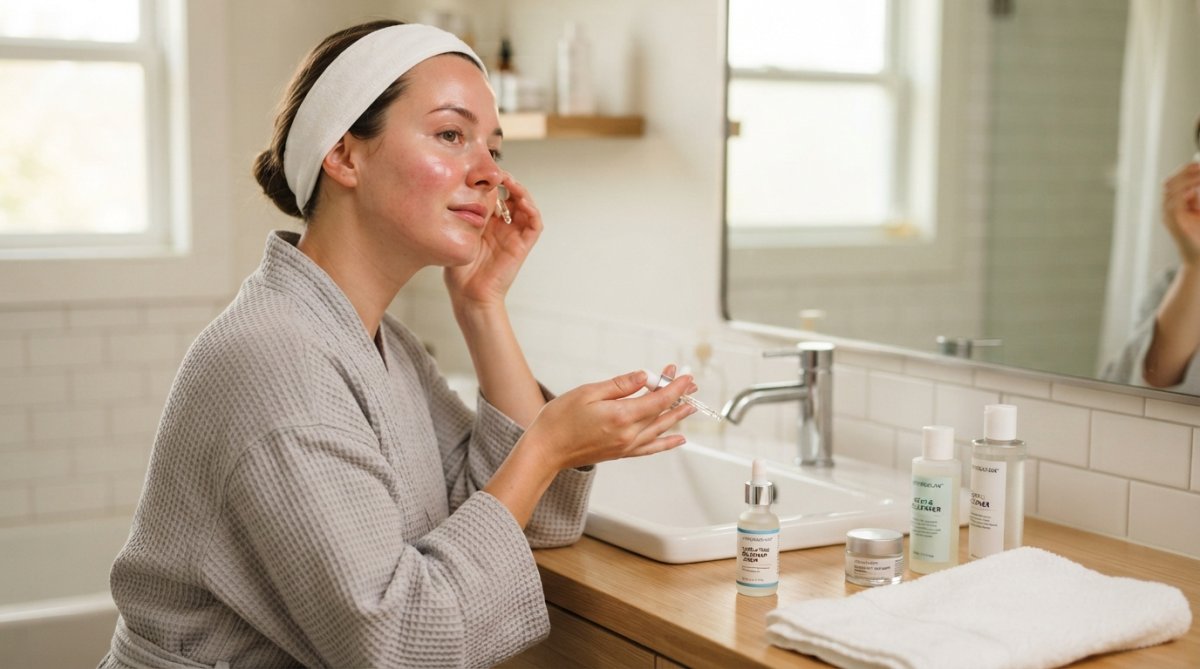
Most aestheticians recommend scheduling intensive facials when you don't have important events for 3-5 days. If you have a wedding or presentation coming up, choose a gentler Hydrafacial 1-2 days before rather than a chemical peel.
After any facial, use only gentle cleansers, hydrating serums, and moisturizer for 24-48 hours. Avoid actives, retinol, acids, and vitamin C. Apply sunscreen daily (SPF 30 minimum) because treated skin is more prone to sun damage.
Seasonal Skin Changes and Facial Frequency Adjustments
Your skin's needs shift with the seasons. Winter brings cold air, low humidity, and indoor heating that dehydrate skin. Many clients need monthly hydrating facials in winter instead of their usual 6-week schedule.
Summer presents different challenges: increased sun exposure, heat, humidity, and often more breakouts. Some clients need more frequent gentle exfoliating facials in summer to manage congestion and sun damage.
Spring and fall are transition seasons where skin often becomes reactive. Many aestheticians recommend slightly more frequent facials during these periods to support your skin through the adjustment. By late spring and early fall, you can often return to your standard schedule once your skin stabilizes.
DIY vs. Professional Facials: Cost-Benefit Analysis
While quality at-home skincare is important, professional facials deliver results that DIY treatments cannot match. At-home facial devices and masks are convenient and affordable upfront, but they lack the intensity, precision, and professional-grade ingredients of clinical treatments. A professional chemical peel uses 20-30% concentrations of active acids; most at-home peels contain 5-10%.
When you calculate the true cost of professional facials, consider the investment over time. A monthly professional facial costs less than most people spend on skincare products annually. Yet one professional facial often delivers results equivalent to months of at-home products.
Approach | Monthly Cost | Time Investment | Visible Results Timeline | Long-Term Skin Health |
|---|---|---|---|---|
At-Home Only | $30-100 | 10-15 min/day | 3-6 months | Slow improvement, plateaus common |
Professional Only | $100-200 | 1 hour/month | 4-8 weeks | Consistent improvement, cumulative benefits |
Hybrid (Professional + Quality At-Home) | $130-250 | 10 min/day + 1 hour/month | 2-4 weeks | Fastest results, sustained improvement |
The hybrid approach, professional facials combined with a quality at-home routine, delivers the best results. Your professional treatments provide the intensity needed for visible transformation, while your at-home products maintain results between appointments and support your skin barrier.
Age-Specific Facial Frequency Recommendations
Your age influences both how often you should get facials and what type of treatments work best. Younger skin (teens and 20s) with active acne benefits from monthly acne-focused facials. The goal is clearing breakouts and preventing scarring. Frequency can decrease to every 6-8 weeks once acne is controlled.
Skin in the 30s and 40s often benefits from preventative facials every 4-6 weeks focusing on collagen production, fine lines, and maintaining radiance. Regular facials in your 30s and 40s significantly reduce the need for intensive anti-aging treatments later.
Mature skin (50+) typically needs monthly facials to address multiple concerns: fine lines, loss of elasticity, hyperpigmentation, and dullness. Treatments should emphasize collagen-boosting ingredients, hydration, and gentle exfoliation.
The right facial frequency transforms your skin, but only when you commit to consistency. Whether you're treating acne, preventing aging, or addressing hyperpigmentation, regular professional facials aligned with your skin's natural cycle deliver results that sporadic treatments never will. At SKIN SOLUTIONS BY 2 DIVAS, we specialize in creating personalized treatment plans through thorough skin analysis and customized facials designed for your unique concerns. Our approach targets aging, acne, and hyperpigmentation with professional-grade ingredients and proven techniques. Book your appointment today and discover how a tailored facial plan can transform your skin health and confidence.
Frequently Asked Questions
How often should you get a facial for acne-prone skin?
For acne-prone skin, most aestheticians recommend facials every 3-4 weeks to maintain consistent skin cell turnover and prevent pore congestion. However, frequency depends on the severity of your acne and the type of facial. During an initial treatment plan, your aesthetician may recommend closer intervals (2-3 weeks) for corrective care, then space them to 4-6 weeks for maintenance. Always allow at least 2 weeks between facials to avoid over-treating sensitive, reactive skin.
Is getting a facial once a month too often?
Monthly facials align with the standard 4-6 week rule and are generally safe for most skin types when performed by a qualified aesthetician. However, whether monthly is appropriate depends on your skin condition, the facial type, and your skincare regimen at home. Aggressive treatments like chemical peels may need longer intervals, while gentler hydrating facials can be done more frequently. Discuss your specific skin concerns with your aesthetician to determine if monthly visits support your skin health or if adjustments are needed.
How often should you get a facial if you have sensitive skin?
Sensitive skin typically requires longer intervals between facials—usually 6-8 weeks—to allow your skin barrier to fully recover. Avoid aggressive exfoliation methods and opt for gentle, customized treatments designed for reactive skin. Your aesthetician should perform a thorough skin analysis to identify triggers and recommend soothing ingredients like serums that support skin barrier repair. Starting with facials every 8 weeks and gradually adjusting based on your skin's response is the safest approach for maintaining skin health without irritation.
How long do facial results last, and how does that affect frequency?
Facial results typically last 3-6 weeks, depending on your skin type, the treatment type, and your at-home skincare routine. This timeline aligns with the natural skin cell turnover cycle, which is why the 4-6 week rule is considered the gold standard. To maintain visible improvements in skin texture, hyperpigmentation, or collagen production, scheduling facials within this window prevents regression. Consistent maintenance every 4-6 weeks delivers better long-term rejuvenation than sporadic treatments, making a regular treatment plan essential for sustained skin health.