 how-to
What to Expect From Corrective Facials: A Step-by-Step Guide
Table of Contents
- What Is a Corrective Facial and How It Works
- Corrective Facial vs. Spa Facial: Key Differences
- How to Prepare for a Professional Facial Appointment
- The Step-by-Step Corrective Facial Treatment Process
- Corrective Facial Recovery Time and What to Avoid
- Common Skin Concerns Addressed by Corrective Facials
- Post-Facial Care and Maintenance for Lasting Results
- Frequently Asked Questions
Last Updated: August 18, 2026
What Is a Corrective Facial and How It Works
A corrective facial is a professional-grade skincare treatment designed to address specific skin concerns like acne, hyperpigmentation, texture issues, and signs of aging through targeted, results-driven interventions. Unlike traditional spa facials focused on relaxation, corrective facials combine clinical assessment with active ingredients and professional-grade techniques to create measurable improvements in skin health. At SKIN SOLUTIONS BY 2 DIVAS, we approach each corrective facial as a customized treatment plan based on thorough skin analysis rather than a one-size-fits-all service.
A licensed esthetician evaluates your skin barrier, sensitivity levels, and specific concerns, then incorporates mechanical modalities, chemical exfoliation, targeted extractions, and serum infusion to stimulate cellular turnover and promote collagen production. The goal is lasting skin clarity and elasticity through professional-grade active ingredients that penetrate deeper than over-the-counter products.
What makes corrective facials different from standard facials is the emphasis on results rather than relaxation. A corrective facial addresses root causes of skin problems through strategic intervention, while a traditional spa facial prioritizes pampering.
Corrective Facial vs. Spa Facial: Key Differences
A spa facial prioritizes relaxation and superficial hydration. A corrective facial targets specific skin dysfunctions with professional-grade active ingredients and mechanical techniques designed to drive cellular change.
A spa facial uses gentle, soothing products and lighter techniques for a peaceful experience. A corrective facial may involve mild discomfort, stinging from active ingredients, redness from exfoliation, or sensitivity during extractions, because the treatment works at a deeper level. Corrective facials also demand more from your skin afterward: you'll follow specific post-treatment care instructions, avoid certain ingredients, and potentially experience temporary redness or sensitivity.
The consultation process differs significantly. A corrective facial appointment begins with thorough skin assessment where the esthetician asks detailed questions about your skin history, sensitivities, current products, and specific concerns. This deeper consultation at SKIN SOLUTIONS BY 2 DIVAS allows us to customize treatment to your skin's actual needs rather than applying a standard protocol.
| Aspect | Corrective Facial | Spa Facial |
|---|---|---|
| Primary Goal | Address specific skin concerns | Relaxation and hydration |
| Active Ingredients | Professional-grade, high potency | Mild, soothing formulas |
| Exfoliation Method | Chemical or mechanical | Gentle enzymatic |
| Extractions | Targeted, thorough | Minimal or none |
| Potential Discomfort | Mild stinging, redness | None expected |
| Post-Treatment Care | Specific routine required | Minimal aftercare |
| Results Timeline | 3-4 sessions for visible change | Immediate glow only |
| Best For | Acne, aging, hyperpigmentation, texture | General maintenance, relaxation |
How to Prepare for a Professional Facial Appointment
Preparation directly impacts how well your skin responds to treatment and your comfort during the process.
Stop active ingredients at least 24 hours before your appointment. If you use retinol, vitamin C serums, or other potent actives, pause them temporarily. These can increase skin sensitivity and may interact with professional-grade treatments.
Avoid sun exposure and tanning beds for at least 48 hours before your appointment. UV exposure sensitizes your skin and increases risk of post-treatment complications like hyperpigmentation or excessive redness. Wear broad-spectrum sunscreen daily leading up to your appointment.
Skip any at-home exfoliation, peels, or aggressive treatments in the week before your corrective facial. Your skin needs recovery time, and layering professional exfoliation on top of recent at-home exfoliation compromises your skin barrier.
Hydrate internally by drinking adequate water in the days leading up to your appointment. Hydrated skin responds better to professional treatments and recovers more smoothly.
On the day of your appointment, arrive with clean skin but no products applied. Skip makeup, serums, oils, and moisturizers. This allows the esthetician to assess your skin accurately and prevents product interactions during treatment.
Communicate any recent skin changes or concerns when you arrive. If you've developed a new sensitivity, had a reaction to a product, or are taking new medications that affect your skin, tell your esthetician.
The Step-by-Step Corrective Facial Treatment Process
Understanding what happens during your corrective facial appointment helps you know what to expect and why each step matters. The process typically takes 60-90 minutes and follows a structured sequence designed to maximize results while respecting your skin's tolerance.
Skin Assessment and Consultation
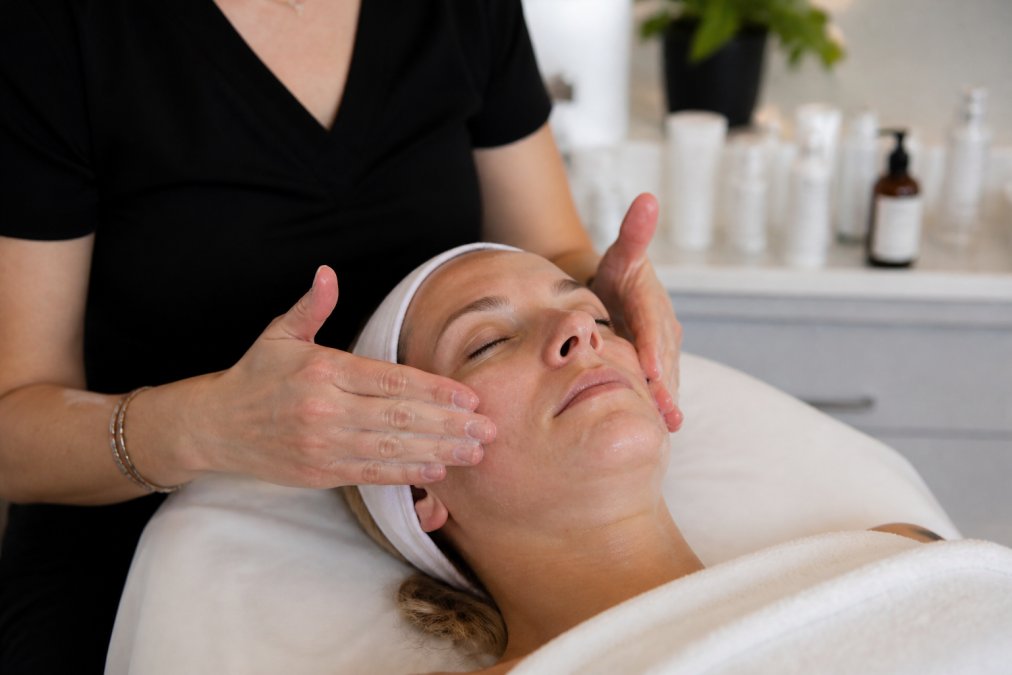
Your corrective facial begins with detailed skin analysis using visual assessment and sometimes Wood's lamp technology to evaluate your skin's condition beneath the surface. The esthetician identifies your skin type, sensitivity level, hydration status, and specific concerns like acne, hyperpigmentation, or fine lines.
Expect detailed questions about your skincare routine, products that have caused reactions, your skin history, and your goals for treatment. This diagnostic work informs every decision the esthetician makes during your treatment.
Cleansing and Exfoliation
The esthetician cleanses your skin with a professional-grade cleanser, usually a gentle cream or gel formula that removes impurities without stripping. This prepares your skin for exfoliation and ensures active ingredients penetrate effectively.
Exfoliation is where corrective work begins. The esthetician may use chemical exfoliation with salicylic acid for acne-prone skin, glycolic acid for texture and cellular turnover, or enzymatic exfoliation for sensitive skin. Chemical peels work by dissolving bonds between dead skin cells, promoting epidermal renewal. The strength and duration depend on your skin's tolerance and specific concerns.
Targeted Treatments and Extractions
After exfoliation, the esthetician applies targeted treatments addressing your specific concerns. For acne-prone skin, this might include salicylic or lactic acid treatment to unclog pores. For hyperpigmentation, vitamin C or kojic acid serums inhibit melanin production. For aging concerns, peptide serums or retinol derivatives stimulate collagen production.
Extractions happen during this phase if your skin has congestion or comedones. Professional extractions are performed with sterile tools and proper technique to avoid trauma and scarring.
Serum Infusion and Hydration
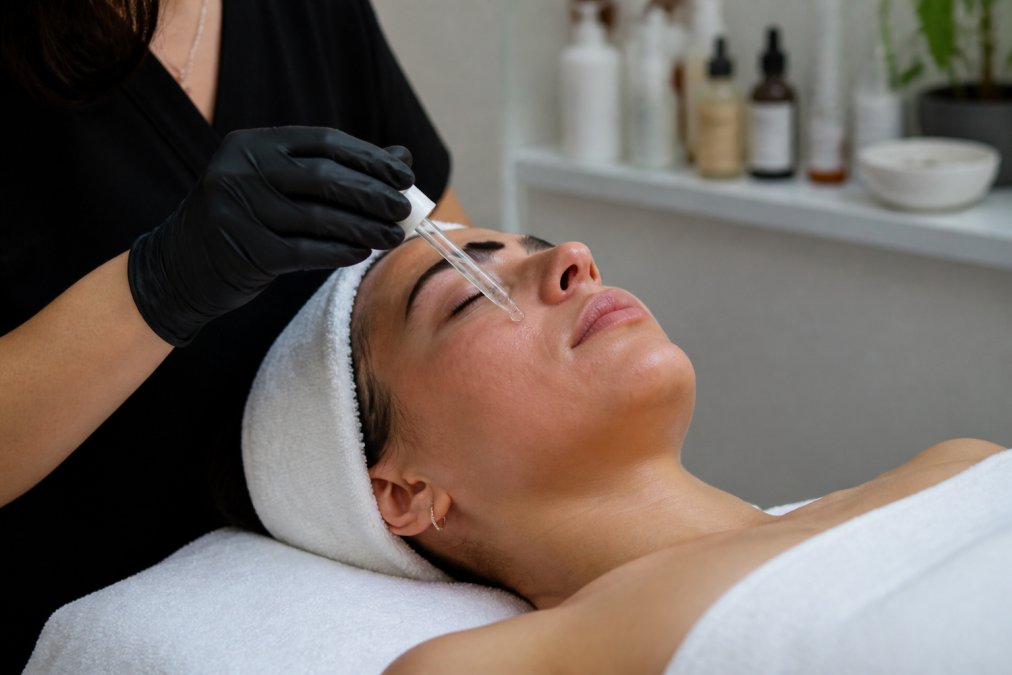
The final active phase involves serum infusion with professional-grade serums selected specifically for your skin concerns. These contain higher concentrations of active ingredients than retail products. Common serum choices include vitamin C for brightening and collagen stimulation, hyaluronic acid for deep hydration, niacinamide for pore refinement, peptides for elasticity, and antioxidants for protection.
The esthetician may use ultrasound technology to enhance serum penetration. The corrective facial concludes with a hydrating mask tailored to your skin type and concerns.
Corrective Facial Recovery Time and What to Avoid
Recovery from a corrective facial is typically minimal, but understanding what to expect helps you protect your results. Your skin has been stimulated and your barrier intentionally disrupted to drive change, so temporary sensitivity is normal.
Immediately after your corrective facial, your skin may appear slightly red or flushed. This is a normal inflammatory response and usually subsides within 2-4 hours.
For the first 24 hours, avoid heat exposure. Skip hot showers, saunas, steam rooms, and intense exercise that raises body temperature. Heat increases blood flow to your skin and can intensify redness and sensitivity.
Book your appointment today! →
Avoid direct sun exposure for at least 48 hours after treatment. Your skin is more vulnerable to UV damage when your barrier has been recently disrupted. If you must be outdoors, wear broad-spectrum SPF 30 or higher.
Don't apply active ingredients or new products for at least 24-48 hours after your corrective facial. Your skin needs time to recover and stabilize. Stick to gentle cleansing, hydrating serums recommended by your esthetician, and moisturizer.
Avoid touching, picking, or extracting any spots that emerge after your corrective facial. Post-treatment breakouts are common as your skin purges congestion brought to the surface during treatment. These typically resolve within 3-7 days.
Skip swimming pools and salt water for at least 48 hours. Chlorine and salt can irritate freshly treated skin and disrupt your skin barrier.
Most clients can return to normal activities immediately after a corrective facial. There's no significant downtime.
Common Skin Concerns Addressed by Corrective Facials
Corrective facials are effective for a range of skin concerns. Understanding which issues respond best helps you set realistic expectations and commit to the maintenance plan needed for lasting results.
Acne and Congestion respond well because the treatment combines exfoliation, extractions, and acne-fighting active ingredients. Salicylic acid exfoliation unclogs pores, professional extractions remove trapped sebum and bacteria, and targeted serums reduce inflammation. Most clients see improvement within 3-4 sessions, but ongoing maintenance facials every 4-6 weeks help prevent recurrence.
Hyperpigmentation and Sun Damage improve through exfoliation that stimulates cellular turnover and inhibits melanin production. Chemical exfoliation removes damaged surface layers, revealing clearer skin beneath. Serums containing vitamin C, kojic acid, or hydroquinone lighten existing pigmentation.
Fine Lines and Loss of Elasticity respond to corrective facials that stimulate collagen production through exfoliation and peptide serums. The skin stimulation triggers your body's natural healing response, increasing collagen and elastin production over time.
Uneven Texture and Rough Patches improve through consistent exfoliation that promotes cellular turnover. Most clients see smoother skin within 2-3 sessions.
Dull, Dehydrated Skin responds quickly to corrective facials that combine hydration with gentle exfoliation. Removing dead skin cells reveals brighter skin beneath, while hyaluronic acid serums restore moisture.
Rosacea and Sensitive Skin can benefit from corrective facials designed specifically for reactive skin. Enzymatic exfoliation, calming serums with centella asiatica or allantoin, and hydrating treatments help reduce redness and sensitivity over time.
Post-Facial Care and Maintenance for Lasting Results
What you do in the days and weeks after treatment determines whether you see lasting improvement or return to baseline skin concerns. Post-facial care is where many clients struggle, they expect one appointment to solve everything, then neglect the maintenance that creates real change.
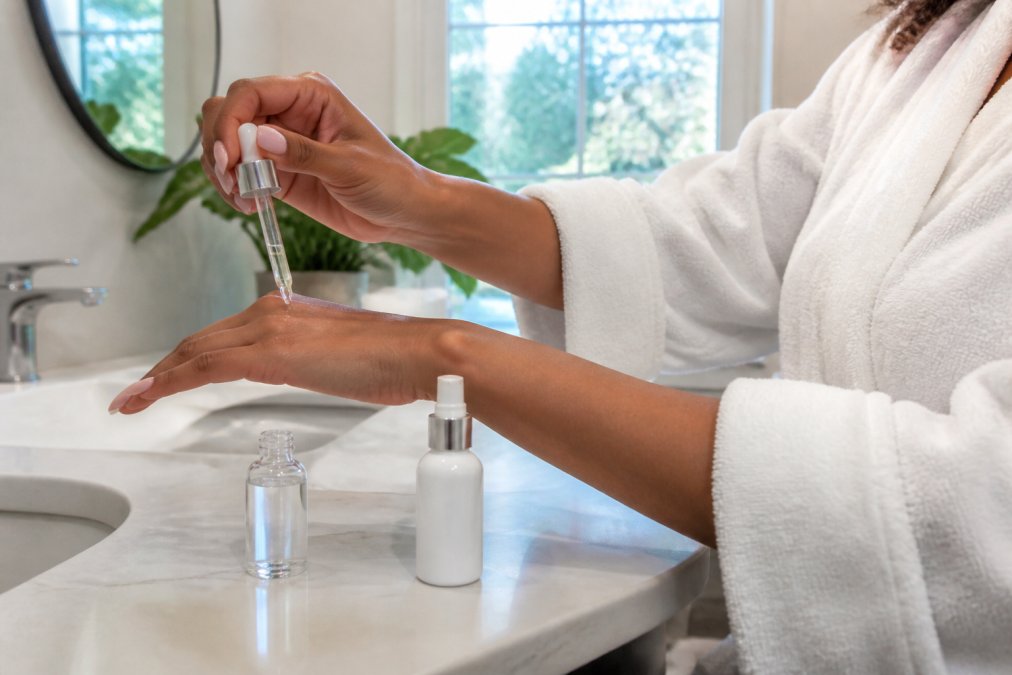
For the first week after your corrective facial, keep your routine minimal and gentle. Use only the cleanser and moisturizer recommended by your esthetician. Avoid all active ingredients, exfoliants, and new products.
Hydration is critical during post-treatment recovery. Drink adequate water, use hydrating serums morning and night, and apply a nourishing moisturizer appropriate for your skin type. Your skin barrier has been intentionally disrupted, and rebuilding hydration levels accelerates healing.
Sun protection becomes non-negotiable after a corrective facial. Use broad-spectrum SPF 30 or higher every single day, even on cloudy days. UV exposure can trigger hyperpigmentation, increase redness, and undo the improvements your corrective facial created.
After the initial recovery week, gradually reintroduce your regular skincare routine. Add back one product at a time, spacing introductions by 2-3 days. If you use retinol or other active ingredients, wait at least 1-2 weeks before resuming regular use, then start at a lower frequency.
A maintenance plan is essential for lasting results. Most skin concerns require ongoing corrective facials every 4-6 weeks to maintain improvement. Think of corrective facials like a gym routine for your skin: one workout changes nothing, but consistent effort over time creates visible transformation.
Between corrective facial appointments, use professional-grade skincare products at home. Over-the-counter products often contain lower concentrations of active ingredients and don't penetrate as deeply. A professional-grade routine recommended by your esthetician amplifies results and maintains the improvements your corrective facials create. We customize at-home routines to support your specific skin concerns and ensure your investment in professional treatment pays off.
Track your skin's progress with photos. Take a baseline photo before your first corrective facial, then photos after each appointment. You'll see changes that feel subtle day-to-day become obvious when you compare images over weeks and months.
A corrective facial isn't a one-time indulgence, it's the beginning of a results-driven approach to skin health. Whether you're dealing with persistent acne, hyperpigmentation, or signs of aging, the personalized assessment and professional-grade treatment create measurable improvements that over-the-counter products simply cannot match. The key is understanding that your skin responds to consistent, targeted care. Book your appointment with SKIN SOLUTIONS BY 2 DIVAS today and experience how a customized corrective facial, combined with professional guidance on post-treatment care, transforms not just your skin's appearance but your confidence in your natural glow.
Frequently Asked Questions
How do corrective facials differ from standard spa facials?
Corrective facials are clinical treatments designed to target specific skin concerns like acne, hyperpigmentation, and texture issues using professional-grade ingredients and advanced techniques. Spa facials focus on relaxation and basic cleansing. Corrective facials begin with a detailed skin assessment and consultation to create a personalized treatment plan, while spa facials follow a standard protocol. The key difference is intent: corrective facials aim for measurable skin improvement, whereas spa facials prioritize relaxation and general maintenance.
What should I do to prepare for a professional facial?
Stop using active ingredients like retinol and vitamin C three days before your appointment to avoid over-sensitizing your skin. Avoid sun exposure and tanning beds for at least 48 hours prior. On the day of your appointment, arrive with clean skin free of makeup and heavy lotions. Skip exfoliating scrubs or chemical exfoliants the day before. Inform your esthetician about any skin allergies, sensitivities, or medications you're taking. Arrive a few minutes early to complete a skin assessment questionnaire so your specialist can tailor the treatment to your specific needs.
Is there downtime after a corrective facial?
Corrective facial recovery time varies depending on the intensity of treatment and your skin sensitivity. Mild redness and slight sensitivity typically resolve within 2-4 hours. If your treatment included stronger exfoliation or extractions, you may experience mild redness or sensitivity for up to 24 hours. Most people can return to normal activities immediately, though you should avoid intense exercise, saunas, and direct sun for 24-48 hours. Your skin barrier may feel slightly compromised, so use gentle, hydrating products during recovery.
How often should I get corrective facials for best results?
Initial results typically appear after one treatment, but lasting improvement requires a maintenance plan. Most clients benefit from monthly facials for the first three months to address active concerns like acne or hyperpigmentation. After achieving desired results, many switch to quarterly maintenance treatments to support skin elasticity and cellular turnover. Your esthetician will recommend a schedule based on your specific skin concerns and how your skin responds to treatment. Consistency matters more than frequency, regular appointments produce better long-term results than sporadic treatments.
This article was written using GrandRanker