 ultimate_guide
Prevent Premature Aging in Your Thirties: A Complete Guide
Table of Contents
- Understanding Why Premature Aging Starts in Your Thirties
- Collagen Loss in Your Thirties: What Happens and Why It Matters
- Sun Protection for Anti-Aging: Your First Defense
- Building an Anti-Aging Skincare Routine in Your Thirties
- Diet for Anti-Aging in Your Thirties: Nourish from Within
- Lifestyle Factors That Accelerate or Prevent Aging
- Professional Treatments to Prevent Premature Aging in Your Thirties
- Environmental Stressors Beyond UV: Pollution and Free Radicals
- Frequently Asked Questions
Prevent Premature Aging in Your Thirties: A Complete Guide
Last Updated: July 31, 2026
Your thirties mark a critical window in skin health. Collagen production peaks in your twenties and begins declining around age thirty. The choices you make now determine whether you maintain skin elasticity or watch fine lines deepen into permanent wrinkles.
Preventing premature aging doesn't require expensive procedures or complicated routines, it requires understanding what's happening to your skin at this stage and implementing strategies that address those specific changes.
Understanding Why Premature Aging Starts in Your Thirties
Your thirties are when skin aging becomes visible because cumulative effects of sun exposure, environmental stress, and natural cellular decline finally break through the surface.
Hormonal Changes and Their Impact on Skin
In your thirties, hormonal shifts affect skin directly. Women experience fluctuations related to menstrual cycles and early perimenopause; men experience declining testosterone. When estrogen levels dip, skin loses moisture retention capacity. Cortisol (your stress hormone) increases inflammation, accelerating collagen breakdown. Your skin becomes more reactive, dehydrated, and prone to accelerated aging. This is why generic skincare routines often fail, your skin's needs have shifted.
The Psychological Side of Aging in Your Thirties
Aging in your thirties creates a unique psychological moment. Unlike aging at fifty, when you've had years to adjust, aging at thirty can feel sudden. The stress of noticing these changes actually accelerates aging further through elevated cortisol levels. Taking control through deliberate prevention reduces anxiety and gives you genuine agency over how your skin ages.
Collagen Loss in Your Thirties: What Happens and Why It Matters
Starting around age thirty, your body produces approximately one percent less collagen each year. Over a decade, this compounds into visible loss of skin elasticity and fine lines. Collagen breakdown accelerates when exposed to UV radiation, oxidative stress from pollution, and inflammatory triggers like smoking or high-sugar diets.
Preventing premature aging in your thirties focuses on collagen preservation and stimulation. The goal is to slow collagen loss and support your body's ability to produce new collagen while you still can. Collagen-supporting ingredients (retinoids, vitamin C, peptides) and collagen-stimulating treatments (microneedling, professional facials) become genuinely valuable in your thirties.
Sun Protection for Anti-Aging: Your First Defense
Sun damage is the single largest contributor to premature aging. Approximately eighty percent of visible aging is caused by cumulative UV exposure. UV radiation penetrates skin and damages collagen, elastin, and DNA in skin cells.
Choosing the Right Broad-Spectrum Sunscreen
You need broad-spectrum protection, which blocks both UVA and UVB radiation. Look for sunscreens labeled "broad-spectrum" with an SPF of at least thirty. Most people apply too little sunscreen, which cuts actual protection in half.
Mineral sunscreens containing zinc oxide or titanium dioxide sit on the skin surface and are generally better for sensitive skin. Chemical sunscreens absorb into skin and are less visible but require fifteen minutes to become effective. Reapply every two hours, or at minimum after swimming or sweating.
Daily UV Protection Habits
Wear UPF-protective clothing when possible; a lightweight long-sleeve shirt offers more protection than sunscreen alone. Seek shade during peak UV hours (10 a.m. to 4 p.m.), especially between April and October in the northern hemisphere. UV radiation penetrates clouds, so you need sun protection even on cloudy days and in winter. Consistency matters more than perfection.
Building an Anti-Aging Skincare Routine in Your Thirties
Your thirties require a more intentional skincare routine than your twenties. The routine should address collagen loss, support skin barrier function, and prevent further damage.
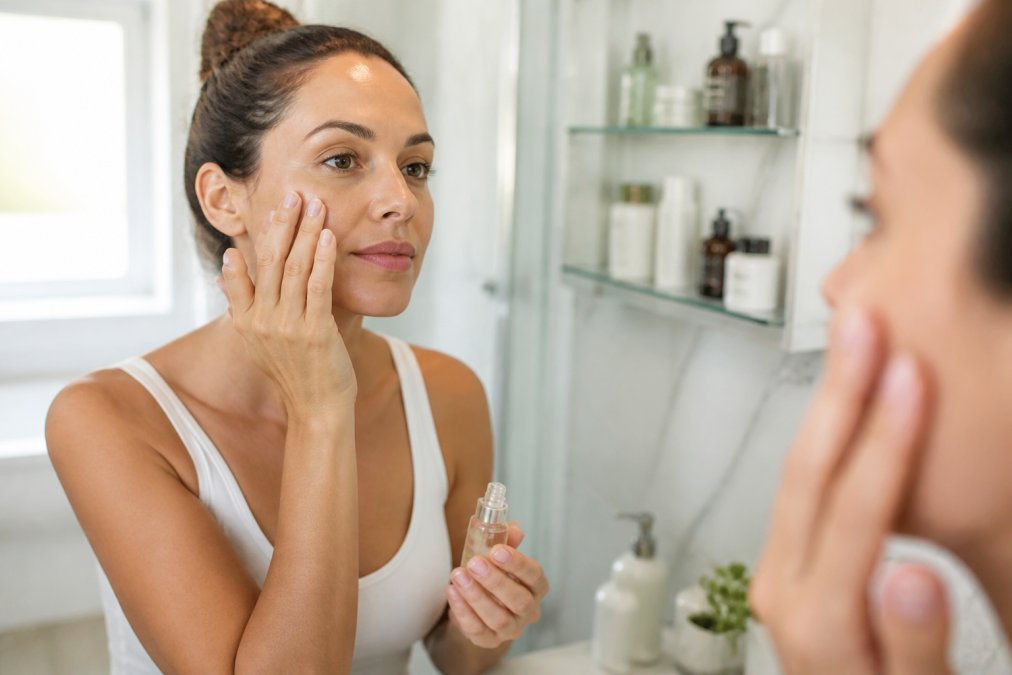
Essential Steps: Cleansing, Treatment, and Moisturizing
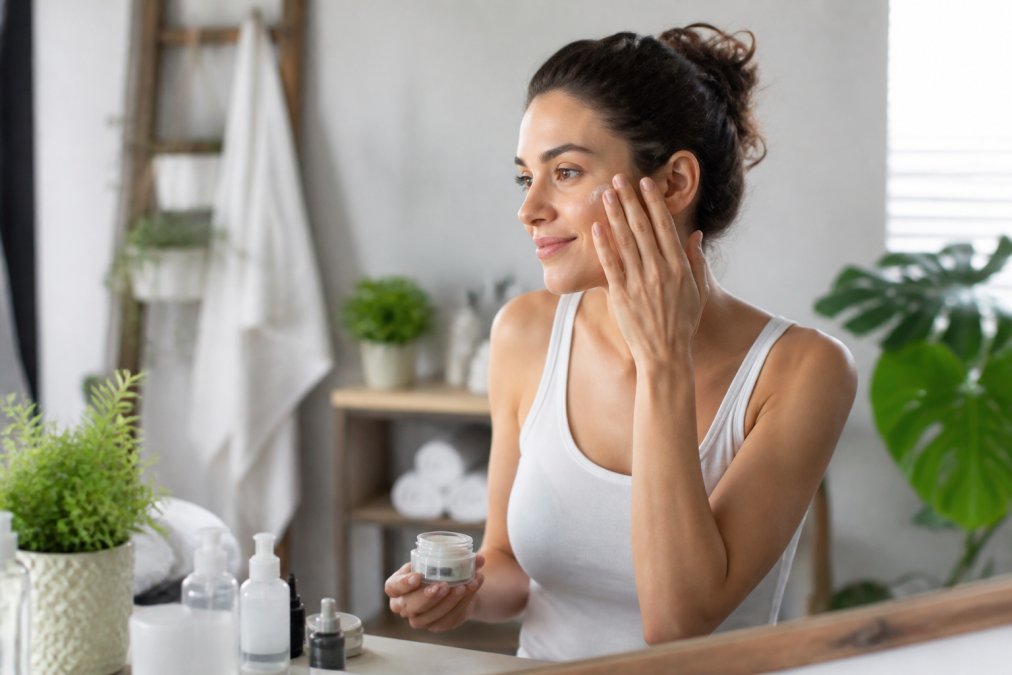
A basic routine has three steps: cleanse, treat, moisturize. Cleansing removes dirt, oil, and environmental pollutants that accelerate aging. Use a gentle cleanser appropriate to your skin type; avoid harsh scrubs that strip your skin. Treatment is where you address specific aging concerns using retinoids, vitamin C, peptides, and antioxidants. Apply treatment products after cleansing but before moisturizer. Moisturizing is essential at thirty, your skin's natural moisture retention decreases with age, and a good moisturizer supports skin barrier function while locking in hydration.
Key Ingredients: Retinoids, Antioxidants, and More
Retinoids are the gold standard for preventing premature aging in your thirties. They increase cellular turnover, stimulate collagen production, and reduce fine lines. Start with retinol or a gentler retinoid if your skin is sensitive, using it two to three times per week initially. Always use sunscreen during the day when using retinoids.
Vitamin C (ascorbic acid) is a potent antioxidant that brightens skin, supports collagen production, and protects against oxidative stress. Peptides signal your skin to produce more collagen and work well for sensitive skin. Niacinamide (vitamin B3) reduces inflammation and strengthens skin barrier function. Hyaluronic acid holds up to one thousand times its weight in water, plumping skin and making fine lines less visible.
| Ingredient | Primary Benefit | Best For | Frequency |
|---|---|---|---|
| Retinoids | Collagen stimulation, cellular turnover | Fine lines, skin texture | 2-5x per week |
| Vitamin C | Antioxidant protection, brightening | Dullness, oxidative damage | Daily |
| Peptides | Collagen signaling | Sensitive skin, firmness | Daily |
| Niacinamide | Barrier support, anti-inflammatory | All skin types, sensitivity | Daily |
| Hyaluronic acid | Hydration, plumping | Dehydration, fine lines | Daily |
Diet for Anti-Aging in Your Thirties: Nourish from Within
What you eat determines whether your skin has the raw materials to maintain collagen, fight oxidative stress, and stay hydrated.
Foods That Support Collagen and Skin Health
Collagen is made from amino acids, primarily glycine, proline, and hydroxyproline. Eating protein-rich foods provides these building blocks: fish, chicken, eggs, legumes, and dairy. Vitamin C is essential for collagen cross-linking; citrus fruits, berries, bell peppers, and leafy greens are rich in vitamin C. Copper and zinc are cofactors in collagen synthesis; oysters, beef, pumpkin seeds, and cashews provide these minerals.
Antioxidants combat free radicals that accelerate collagen breakdown. Berries, dark chocolate, green tea, and colorful vegetables are antioxidant powerhouses. Avoid high-glycemic foods (white bread, refined sugar, processed snacks), as high blood sugar increases inflammation and accelerates collagen breakdown through glycation.
Omega-3 fatty acids support skin barrier function and reduce inflammation. Fatty fish (salmon, sardines, mackerel), flax seeds, chia seeds, and walnuts are excellent sources.
Hydration and Its Role in Skin Elasticity
Skin elasticity depends on adequate hydration. When dehydrated, skin loses plumpness and fine lines become more visible. Drink enough water that your urine is pale yellow. Electrolytes (sodium, potassium, magnesium) help your body retain water; include electrolyte-rich foods like coconut water, bananas, and leafy greens. Coffee and alcohol are diuretics; if you consume them, drink extra water to compensate.
Lifestyle Factors That Accelerate or Prevent Aging
Your daily habits compound over years. Small changes in sleep, exercise, stress management, and substance use create measurable differences in how your skin ages.
Sleep, Exercise, and Stress Management
Sleep is when your body repairs skin damage and produces growth hormone, which supports collagen production and cellular regeneration. Chronic sleep deprivation increases cortisol, which breaks down collagen and impairs skin barrier function. Most adults need seven to nine hours of sleep nightly.
Exercise improves blood flow, which delivers oxygen and nutrients to skin cells. It also reduces stress and supports healthy sleep. Aim for at least one hundred fifty minutes of moderate-intensity exercise weekly. Stress management is crucial because chronic stress elevates cortisol, which accelerates collagen breakdown. Meditation, yoga, time in nature, and social connection all reduce stress effectively.
Smoking and Alcohol: Why They Matter for Your Skin
Smoking is one of the most aggressive accelerators of premature aging. It increases free radical production, impairs blood flow to skin, and directly damages collagen and elastin. Smokers show visible signs of aging five to ten years earlier than non-smokers. Quitting smoking is one of the highest-ROI decisions for skin health.
Alcohol dehydrates skin and increases inflammation. Chronic alcohol consumption impairs nutrient absorption and disrupts sleep quality. Moderate consumption (one drink daily for women, two for men) is unlikely to cause visible aging; excessive consumption shows up quickly in skin texture, redness, and puffiness.
Professional Treatments to Prevent Premature Aging in Your Thirties
At-home skincare is essential, but professional treatments address aging at a deeper level. In your thirties, preventative treatments are more effective and more affordable than corrective treatments later.
Budget-Friendly vs. Luxury Preventative Aesthetics
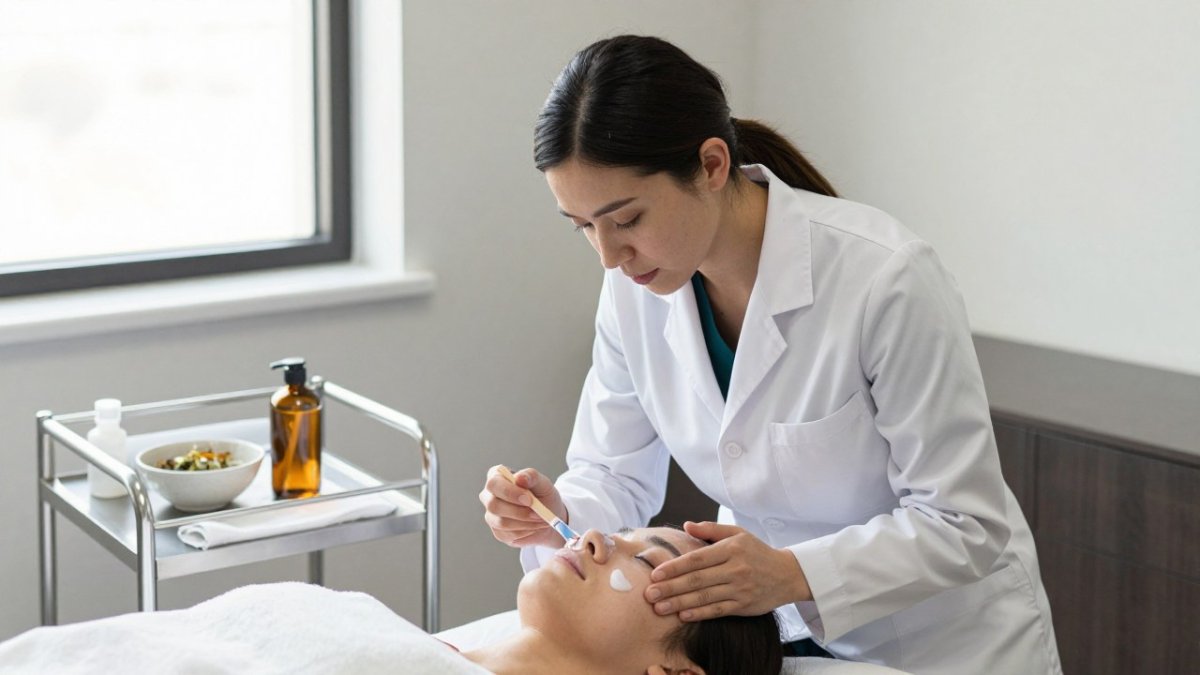
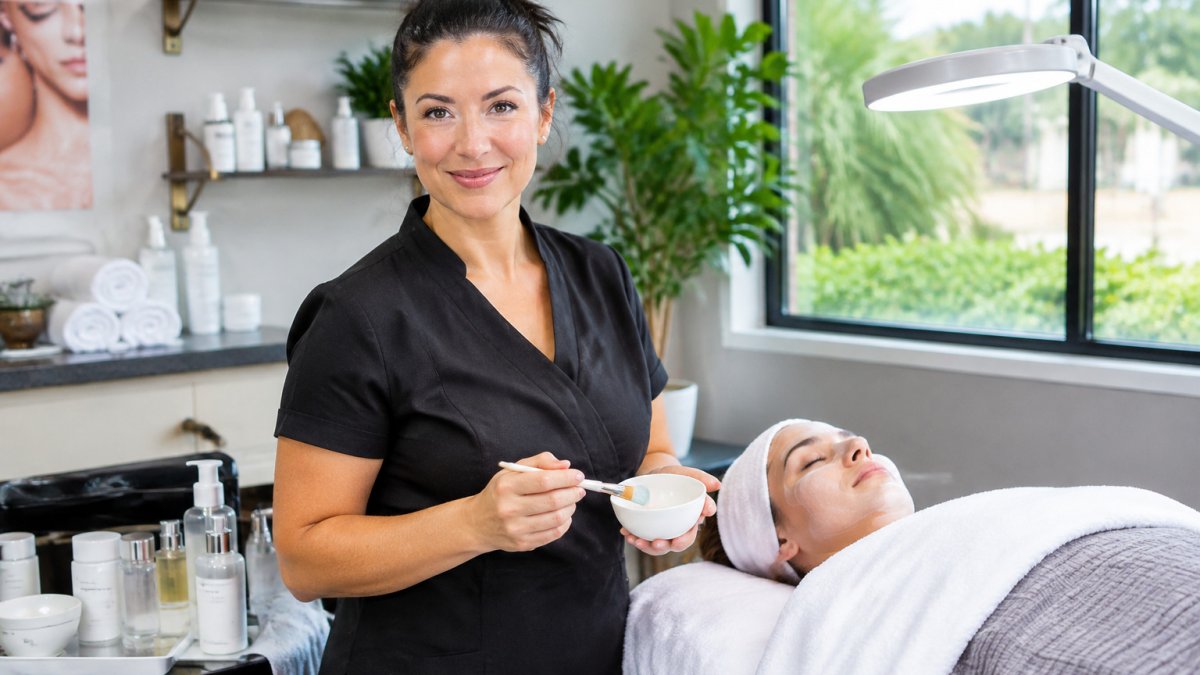
Professional facials (typically one hundred to three hundred dollars per session) are the most accessible professional treatment. A good facial cleanses skin deeply, exfoliates to remove dead skin cells, applies targeted serums, and hydrates. With regular facials, skin texture improves and visible aging slows.
Microneedling (typically two hundred to five hundred dollars per session) uses tiny needles to create controlled micro-injuries, triggering collagen production. After a series of three to six sessions spaced four to six weeks apart, skin texture, fine lines, and skin elasticity improve noticeably.
Chemical peels (typically one hundred fifty to five hundred dollars) use acids to exfoliate skin more aggressively than at-home products, accelerating cellular turnover and stimulating collagen production.
Preventative Botox (typically three hundred to six hundred dollars per treatment, lasts three to four months) prevents wrinkles by relaxing the muscles that create them. Used preventatively in your thirties, small amounts can prevent deep wrinkles from forming.
The budget-conscious approach: invest in professional facials and one or two sessions of microneedling yearly. The luxury approach: combine professional facials monthly with microneedling quarterly, add preventative Botox, and use dermal fillers as needed.
Custom Corrective Facials and Personalized Care
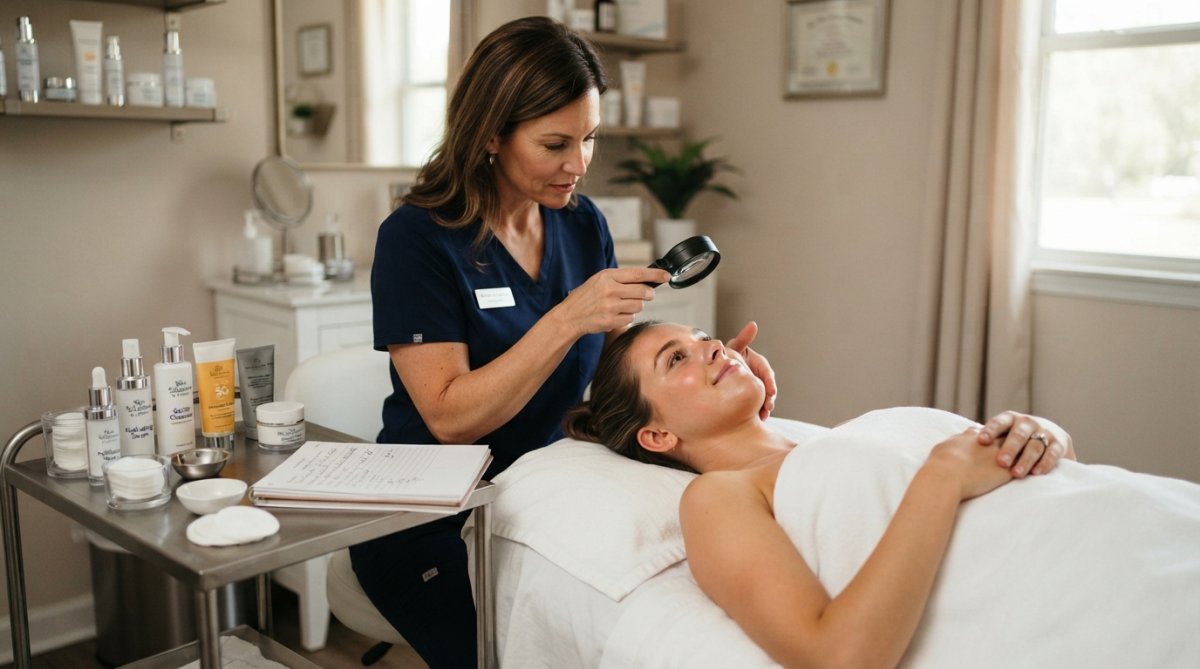
Generic facials are better than nothing, but custom facials designed for your specific skin concerns are dramatically more effective. At SKIN SOLUTIONS BY 2 DIVAS, custom corrective facials begin with a detailed skin analysis. Our specialists examine your skin under magnification, assess your skin barrier function, and identify specific concerns. Based on this analysis, we design a treatment plan using high-quality ingredients targeted to your needs. Personalized care also means adjusting your routine seasonally and as your skin changes.
Environmental Stressors Beyond UV: Pollution and Free Radicals
Air pollution damages skin through oxidative stress. Particulate matter and gases penetrate skin and generate free radicals, which damage collagen and accelerate aging. Antioxidant skincare is your defense against pollution. Vitamin C, vitamin E, resveratrol, and green tea extract neutralize free radicals before they damage skin.
Indoor air quality matters too. Heating and air conditioning dry out skin. Using a humidifier in winter and moisturizing more frequently in dry climates helps offset this. Digital screen exposure (blue light from phones and computers) generates free radicals and may contribute to premature aging. More importantly, take breaks from screens to reduce eye strain and stress.
Preventing premature aging in your thirties is entirely achievable with consistent attention to sun protection, a targeted skincare routine, healthy lifestyle habits, and strategic professional treatments. Your thirties are the ideal time to act; your skin still has strong collagen production capacity, and preventative measures are far more effective than corrective ones later.
Start with sunscreen and a retinoid routine. Add professional facials quarterly. These three steps alone will dramatically slow visible aging. As budget allows, add microneedling or other professional treatments.
At SKIN SOLUTIONS BY 2 DIVAS, we specialize in custom corrective facials designed specifically for your skin's needs. Our thorough skin analysis reveals exactly what your skin requires, and we use high-quality ingredients to address aging, acne, and hyperpigmentation. We've helped countless clients in Sebring achieve radiant, healthy skin through personalized, results-driven care. Book your appointment today to begin your preventative aging strategy.
Frequently Asked Questions
What causes premature aging in your 30s?
Premature aging in your thirties results from a combination of factors: declining collagen production, hormonal fluctuations, cumulative sun exposure (photoaging), oxidative stress from free radicals, and lifestyle habits like smoking or poor sleep. Environmental stressors such as pollution and blue light also contribute. The good news is that understanding these causes helps you address them early through preventative skincare, lifestyle modifications, and professional treatments.
What anti-aging skincare routine should I use in my thirties?
An effective anti-aging skincare routine in your thirties should include: a gentle cleanser, a broad-spectrum sunscreen (SPF 30+), a retinoid product to boost cellular turnover and collagen production, an antioxidant serum to combat free radicals, and a hydrating moisturizer to maintain skin barrier function. Consider adding a targeted treatment for specific concerns like fine lines. Consistency matters more than complexity, use products regularly and allow 4-6 weeks to see visible results in skin texture and elasticity.
How important is sunscreen in preventing premature aging in your thirties?
Sunscreen is critical for preventing premature aging. UV radiation causes photoaging, which accelerates collagen breakdown and leads to fine lines, wrinkles, and hyperpigmentation. Daily broad-spectrum sunscreen (SPF 30 or higher) protects against both UVA and UVB rays, preventing cumulative sun damage that becomes visible in your thirties. Apply it every day, even on cloudy days, and reapply every two hours if outdoors. This single habit can dramatically slow visible aging.
Can diet and lifestyle prevent premature aging in your thirties?
Yes, diet and lifestyle are foundational to preventing premature aging. Foods rich in antioxidants, omega-3 fatty acids, and collagen-supporting nutrients (like vitamin C and zinc) help maintain skin elasticity and reduce oxidative stress. Consistent hydration, quality sleep (7-9 hours), regular physical exercise, stress management, and avoiding smoking and excessive alcohol all support dermal health and slow visible aging. These lifestyle modifications work synergistically with skincare products for optimal results.
What professional treatments help prevent premature aging in your thirties?
Professional preventative treatments range from budget-friendly to luxury options. Custom corrective facials address specific skin concerns while boosting collagen production and cellular turnover. More advanced options include microneedling, which stimulates collagen, and neuromodulators or dermal fillers for early fine lines and facial volume loss. A dermatologist or licensed esthetician can recommend treatments based on your skin analysis. Starting preventative treatments in your thirties yields better long-term results than waiting until later.
When does collagen production start to decline, and how do I slow it?
Collagen production begins declining around age 25-30, with approximately 1% loss per year after 30. This decline accelerates with UV exposure, smoking, and poor lifestyle habits. To slow collagen loss, use retinoids and vitamin C serums to stimulate collagen synthesis, protect skin from UV radiation with daily sunscreen, maintain consistent hydration, eat collagen-supporting foods, and consider professional treatments like microneedling. A personalized anti-aging skincare routine combined with healthy habits is most effective.
How do hormonal changes in my thirties affect my skin?
Hormonal fluctuations in your thirties can trigger increased sebum production, inflammation, and sensitivity, leading to acne, congestion, and uneven skin texture. Estrogen and progesterone changes affect skin barrier function and hydration levels. Additionally, hormonal shifts influence collagen and elastin production. Understanding your hormonal patterns helps you adjust your skincare regimen accordingly. Professional facials with thorough skin analysis can identify hormonal triggers and recommend targeted treatments to maintain clear, healthy skin during these transitions.
This article was written using GrandRanker