 how-to
7 Lifestyle Changes to Prevent Hormonal Acne Breakouts
Last Updated: October 27, 2026
Quick Summary
Lifestyle changes to prevent hormonal acne include gentle cleansing twice daily, low-glycemic eating, limiting low-fat dairy, managing stress, and consistent sleep. These habits support balanced hormones and calmer skin, but they don't reliably prevent hormonal acne alone, so see a professional for painful cysts or scarring.
- Wash with a mild cleanser and warm water, and remove makeup before bed.
- Swap refined carbohydrates for fiber-rich whole grains, vegetables, and legumes.
- Get 20-30 minutes of moderate exercise daily to regulate cortisol and improve sleep.
- Aim for 7-9 hours of sleep on a regular schedule to support skin recovery.
- Track your cycle to anticipate flare-ups about a week before bleeding.
Table of Contents
- Build a Hormonal Acne Skin Care Routine That Works
- How Diet and Hormonal Acne Are Connected
- Stress and Acne Breakouts: Breaking the Cycle
- Period Acne Causes and Prevention Strategies
- Frequently Asked Questions
Build a Hormonal Acne Skin Care Routine That Works
Lifestyle changes to prevent hormonal acne are a common topic of interest. A gentle routine is the foundation. Wash with a mild cleanser and warm water, skip harsh scrubs, and remove makeup before bed. For a step-by-step order and product picks, follow this dermatologist recommended skincare routine for acne. The American Academy of Dermatology's acne guidance also points to non-comedogenic products that won't clog pores.
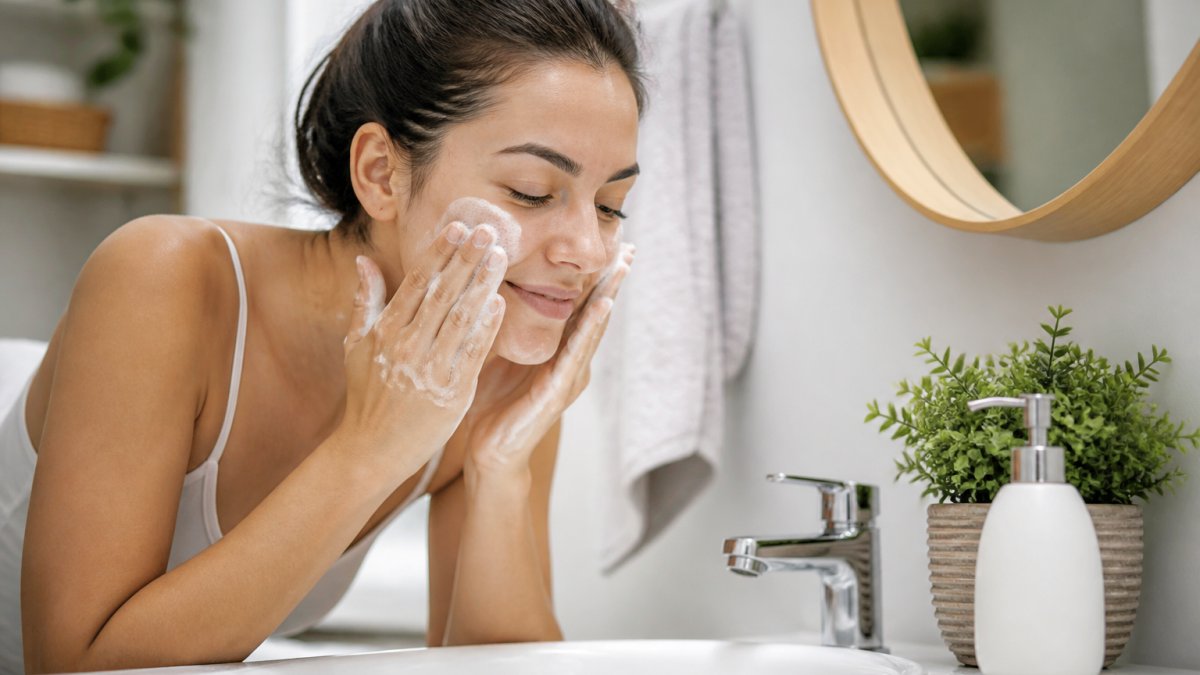
Over-exfoliation backfires, irritating skin and triggering more breakouts. Keep steps simple and consistent.
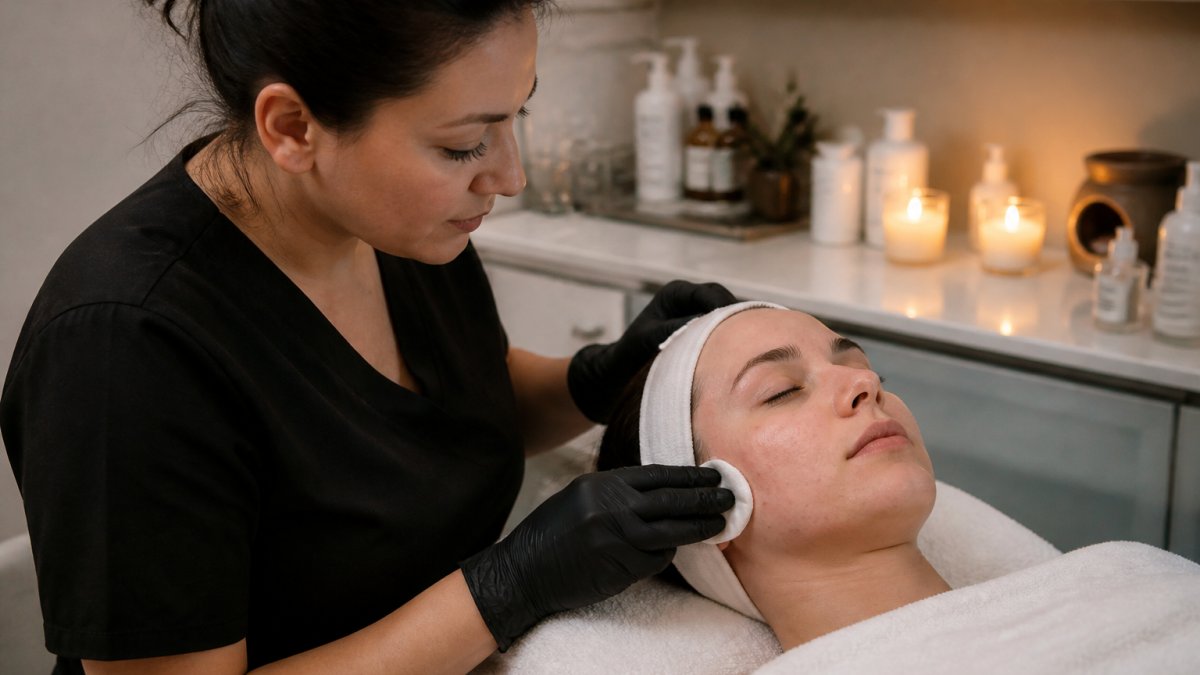
If your routine needs a professional step, explore the best facial treatments for acne-prone skin.
How Diet and Hormonal Acne Are Connected
Diet and hormonal acne link through blood sugar and insulin. High-glycemic foods, white bread, sugary drinks, refined cereals, spike blood sugar, which raises insulin and can increase oil production and inflammation. A review in the Journal of the American Academy of Dermatology found that low-glycemic diets reduced acne lesions in two randomized controlled trials, though the authors noted the evidence is still limited and more research is needed. Low-fat dairy, not whole milk, was also tied to acne in later observational studies, but the association is not proven to be causal.
You don't need a strict elimination diet. Start with one or two sustainable changes: swap refined carbohydrates for fiber-rich whole grains, vegetables, and legumes. If you suspect dairy is a trigger, track breakouts.
For a structured start, see our hormonal acne diet plan for beginners. Diet is one piece of the puzzle, lifestyle changes may help but don't reliably prevent hormonal acne alone. If you have painful cysts, scarring, or persistent breakouts, professional care is worth discussing.
Stress and Acne Breakouts: Breaking the Cycle
Stress raises cortisol and other hormones that increase oil production and inflammation, making breakouts more likely. It's not a direct cause of hormonal acne but a contributor that worsens existing patterns, so build habits that keep your nervous system balanced.
Book your appointment today! →
Concrete stress-management techniques that most practitioners recommend include:
- Daily movement: 20-30 minutes of moderate exercise, brisk walking, cycling, yoga, regulates cortisol and improves sleep.
- Sleep consistency: Aim for 7-9 hours on a regular schedule; poor sleep amplifies stress hormones and slows skin recovery.
- Breathing and mindfulness: Even 5 minutes of slow breathing or meditation can lower acute stress; free apps make it easy to start.
- Boundaries around screens: Reduce late-night scrolling, which disrupts sleep and increases stress.
Exercise and rest are supportive measures, not a cure. If stress feels unmanageable or you notice anxiety or low mood alongside your acne, talk to a healthcare provider.
For practical steps to lower cortisol, read how to reduce cortisol levels for acne.
Period Acne Causes and Prevention Strategies
Period acne comes from hormone shifts across the menstrual cycle: estrogen and testosterone swing, oil production rises, and spots appear about a week before bleeding. Prevention means gentle cleansing, consistent sleep, and tracking your cycle to anticipate flare-ups. To support balance naturally, see balance hormones naturally for clearer skin.
| Change | What It Helps | How Often |
|---|---|---|
| Low-glycemic eating | Blood sugar, oil | Daily |
| Limit low-fat dairy | Acne triggers | Daily |
| Gentle cleansing | Irritation | Twice daily |
| Stress and sleep | Hormone levels | Every day |
| Shower after exercise | Sweat, bacteria | Each workout |
Frequently Asked Questions
How long does it take for lifestyle changes to affect hormonal acne?
A 2020 review in the Journal of the American Academy of Dermatology found low-glycemic-load diets reduced acne lesions in randomized trials. Track your breakouts weekly.
Can stress make hormonal acne worse?
If stress feels constant, talk to a professional.
What skin care habits help reduce hormonal acne flare-ups?
For personalized guidance, a professional skin analysis at Skin Solutions by 2 Divas in Sebring, FL can inform a personalized treatment plan.
Hormonal acne rarely clears from lifestyle tweaks alone, and that's normal. At Skin Solutions by 2 Divas in Sebring, FL, we start with a thorough skin analysis, then build a personalized plan using custom corrective facials that target acne, aging, and hyperpigmentation. Book by appointment only for exclusive, personalized care. Get started with Skin Solutions by 2 Divas and give your skin a routine built around you. Book your appointment today.