 how-to
How to Treat Hormonal Acne Naturally
Table of Contents
- Understanding Hormonal Acne vs. Bacterial Acne
- Step 1: Regulate Blood Sugar to Reduce Sebum Production
- Step 2: Follow a Hormonal Acne Diet Plan
- Step 3: Heal Your Gut-Skin Axis with Probiotics
- Step 4: Choose the Best Natural Supplements for Hormonal Acne
- Step 5: Manage Cortisol Through Stress and Sleep
- How Long Does It Take to Clear Hormonal Acne Naturally
- Natural Topical Remedies to Support Treatment
- Frequently Asked Questions
Last Updated: September 1, 2026
Understanding Hormonal Acne vs. Bacterial Acne
Hormonal acne is triggered by androgens and sebum production rather than bacterial overgrowth alone. Bacterial acne responds well to topical antibiotics and benzoyl peroxide. Hormonal acne requires a systemic approach that addresses the endocrine system itself.
Bacterial acne develops when Cutibacterium acnes colonizes pores and triggers inflammation (peer-reviewed research). Hormonal acne stems from androgen-driven sebum overproduction, which creates an environment where bacteria thrive, but the root cause is hormonal. This is why treating hormonal acne naturally focuses on regulating hormones, reducing sebum at the source, and supporting the body's natural detoxification pathways rather than just killing bacteria on the skin surface.
At Skin Solutions by 2 Divas, we conduct thorough skin analyses to identify whether your acne is primarily hormonal or bacterial. Hormonal acne often appears along the jawline, chin, and lower face, areas sensitive to androgen fluctuations. It tends to worsen before your period and may persist into adulthood. Understanding this difference prevents wasted effort on treatments that won't work for your specific acne type.
Step 1: Regulate Blood Sugar to Reduce Sebum Production
Blood sugar dysregulation directly increases sebum production through insulin signaling (peer-reviewed research). When your blood sugar spikes, insulin levels rise, which stimulates the sebaceous glands to produce more oil. This excess sebum clogs pores and creates the perfect environment for acne-causing bacteria to flourish. Stabilizing your blood sugar is one of the most overlooked yet effective ways to treat hormonal acne naturally.
High glycemic index foods cause rapid blood sugar spikes, triggering insulin surges that activate androgen receptors in the skin, increasing sebum production. This is why people with insulin resistance or polycystic ovary syndrome (PCOS) often struggle with severe hormonal acne.
To regulate blood sugar, focus on three practical strategies:
- Eat protein with every meal. Aim for 25-30 grams per meal to slow glucose absorption and prevent blood sugar spikes.
- Prioritize fiber-rich foods. Soluble fiber (oats, beans, apples) slows digestion and stabilizes glucose levels throughout the day.
- Avoid refined carbohydrates and sugary drinks. Replace them with whole grains, legumes, and vegetables.
Many people see improvements in sebum production and acne severity within 4-6 weeks of stabilizing their blood sugar. This addresses one of the root causes of hormonal acne and improves energy, reduces cravings, and supports overall metabolic health.
Step 2: Follow a Hormonal Acne Diet Plan
Your diet directly influences hormone balance, inflammation, and sebum production. A hormonal acne diet plan focuses on anti-inflammatory foods, supports the gut-skin axis, and avoids triggers that spike insulin or increase androgen activity.
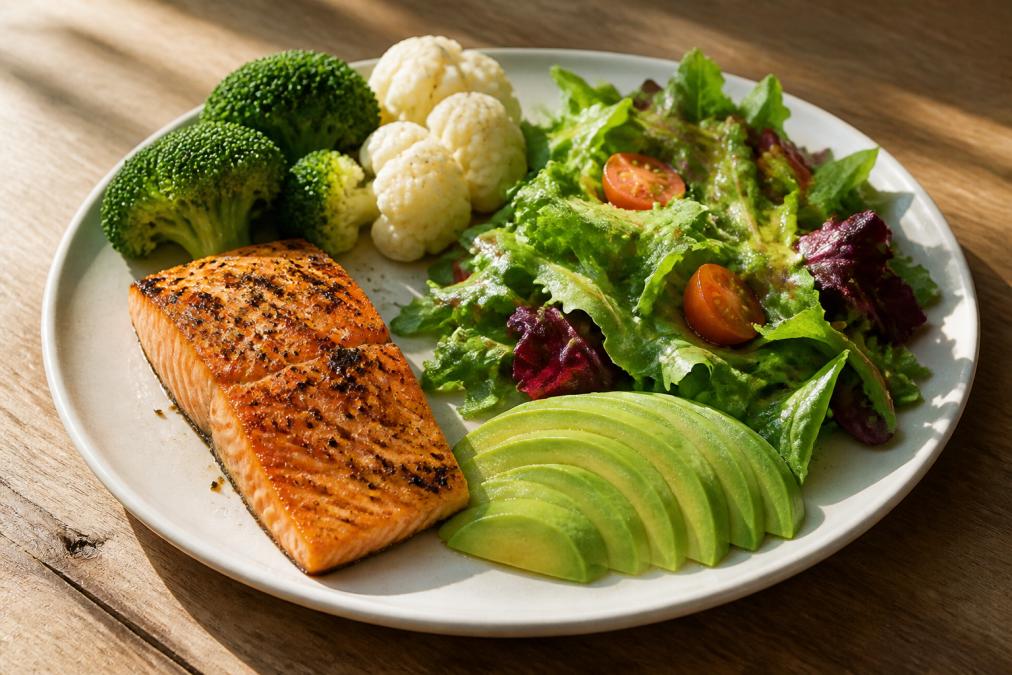
Foods to Eat for Hormone Balance
Omega-3 rich foods reduce systemic inflammation, a key driver of hormonal acne. Fatty fish like salmon, mackerel, and sardines are excellent sources, as are flaxseeds, chia seeds, and walnuts. Aim for 2-3 servings per week.
Cruciferous vegetables (broccoli, cauliflower, Brussels sprouts, kale) contain compounds that support estrogen metabolism, helping your body eliminate excess estrogen through the liver and gut. Eat these 3-4 times per week, ideally raw or lightly steamed.
Antioxidant-rich foods combat inflammation and support skin barrier function. Berries, dark leafy greens, and colorful vegetables contain polyphenols that reduce oxidative stress.
Probiotic and prebiotic foods support the gut-skin axis. Fermented foods like sauerkraut, kimchi, and kefir introduce beneficial bacteria. Prebiotic foods like garlic, onions, and asparagus feed those bacteria, producing short-chain fatty acids that reduce inflammation systemically.
Zinc-rich foods support skin barrier function and reduce sebum production. Pumpkin seeds, oysters, beef, and chickpeas are excellent sources. Zinc deficiency is common in people with acne.
Foods to Avoid
High glycemic index foods spike blood sugar and insulin, triggering sebum overproduction. This includes white bread, pastries, sugary cereals, and processed snacks.
Conventional dairy may worsen acne in susceptible individuals. Milk contains hormones and growth factors that can influence androgen activity. Many people find that eliminating or reducing dairy improves their skin within 4-8 weeks.
Vegetable oils high in omega-6 (soybean, corn, sunflower oils) promote inflammation when consumed in excess. Replace these with olive oil, avocado oil, or coconut oil.
Processed foods and refined carbohydrates contain additives and high sodium that trigger inflammation and lack micronutrients your skin needs to repair itself.
Sugar and sweetened beverages cause rapid blood sugar spikes and feed inflammatory pathways.
Step 3: Heal Your Gut-Skin Axis with Probiotics
The gut-skin axis is the bidirectional communication system between your digestive microbiome and skin health. A compromised gut barrier allows bacterial lipopolysaccharides (LPS) to enter the bloodstream, triggering systemic inflammation that manifests as hormonal acne.
Your gut microbiome produces short-chain fatty acids (SCFAs) like butyrate, which strengthen the intestinal barrier and reduce inflammation. When dysbiosis occurs, SCFA production drops, the gut barrier weakens, and inflammation increases, reaching the skin and exacerbating hormonal acne.
Probiotics work by repopulating your gut with beneficial bacteria that produce these protective compounds. Fermented foods like sauerkraut, kimchi, tempeh, and kefir contain live cultures. Probiotic supplements can also help, though food sources are generally more effective because they come with prebiotic fiber that feeds the bacteria.
Your microbiome takes 4-8 weeks to shift meaningfully. Consistency matters more than dosage. Taking a quality probiotic daily for two months is more effective than sporadic high-dose supplements. Avoid antibiotics unless medically necessary, as they devastate your microbiome. If you must take antibiotics, follow them with a targeted probiotic course to rebuild your bacterial population.
Step 4: Choose the Best Natural Supplements for Hormonal Acne
While diet is foundational, targeted supplements can accelerate results when treating hormonal acne naturally. The best natural supplements address specific mechanisms: hormone metabolism, inflammation, and sebum production.
Spearmint tea is one of the most researched natural remedies for hormonal acne. It contains compounds that inhibit androgen activity. Studies suggest drinking 2 cups daily can reduce acne severity within 3 months (peer-reviewed research).
Inositol (myo-inositol and d-chiro-inositol) improves insulin sensitivity and supports ovarian hormone balance. It's particularly helpful for people with PCOS-related acne. Typical dosing is 2-4 grams daily, with results appearing within 8-12 weeks.
Zinc supports skin barrier function and reduces sebum production. Supplementing with 15-30 mg daily can help if you're deficient. Don't exceed 40 mg daily without medical supervision.
Book your appointment today! →
Vitamin D regulates immune function and supports skin barrier integrity. Supplementing with 1,000-4,000 IU daily (based on blood levels) supports skin health and immune regulation.
Omega-3 supplements provide concentrated doses of EPA and DHA when you can't eat enough fatty fish. A typical dose is 1,000-2,000 mg combined EPA/DHA daily.
NAC (N-acetylcysteine) supports glutathione production, your body's master antioxidant. It reduces inflammation and supports liver detoxification. Typical dosing is 600-1,200 mg daily.
The best natural supplements for hormonal acne work synergistically with dietary changes. Supplements alone won't clear your skin if your diet remains inflammatory and your blood sugar dysregulated.
Step 5: Manage Cortisol Through Stress and Sleep
Chronic stress elevates cortisol, which increases androgen activity and inflammation, both direct drivers of hormonal acne. Stress management is as important as diet when treating hormonal acne naturally.

High cortisol impairs your skin barrier, reduces sebum's antimicrobial properties, and triggers inflammatory cytokines that worsen acne. This is why people often experience acne flare-ups during high-stress periods.
Sleep is where cortisol regulation happens. During deep sleep, cortisol levels drop, allowing your body to repair and rebalance hormones. Chronic sleep deprivation keeps cortisol elevated, perpetuating the hormonal imbalance that drives acne. Aim for 7-9 hours nightly with consistent sleep and wake times.
Practical stress management techniques that lower cortisol include:
- Meditation or breathwork: Even 10 minutes daily reduces cortisol. Box breathing (4-4-4-4 counts) is simple and effective.
- Regular movement: Exercise reduces cortisol and improves insulin sensitivity. Aim for 30 minutes of moderate activity most days.
- Social connection: Time with people you trust lowers cortisol.
- Time in nature: Natural light exposure regulates circadian rhythm, which regulates cortisol secretion.
Many people see noticeable improvements in acne within 2-3 weeks of improving sleep and stress management.
How Long Does It Take to Clear Hormonal Acne Naturally
Treating hormonal acne naturally takes longer than topical antibiotics or isotretinoin, but the results are more sustainable because you're addressing root causes. Most people see meaningful improvement within 8-12 weeks, with full clearance taking 3-6 months.
The timeline depends on severity of your acne, how dysregulated your hormones are, whether you have underlying conditions like PCOS, and how consistently you implement changes.
| Timeframe | Expected Progress |
|---|---|
| Weeks 1-4 | Stabilized blood sugar, reduced sebum production, minor improvement in inflammation |
| Weeks 5-8 | Visible reduction in new breakouts, existing lesions healing faster, skin texture improving |
| Weeks 9-12 | Significant improvement in acne severity, fewer hormonal flare-ups, clearer complexion |
| Months 4-6 | Near-complete clearance for many people, sustained improvement as hormones balance |
This timeline assumes you're consistent with all five steps.
Natural Topical Remedies to Support Treatment
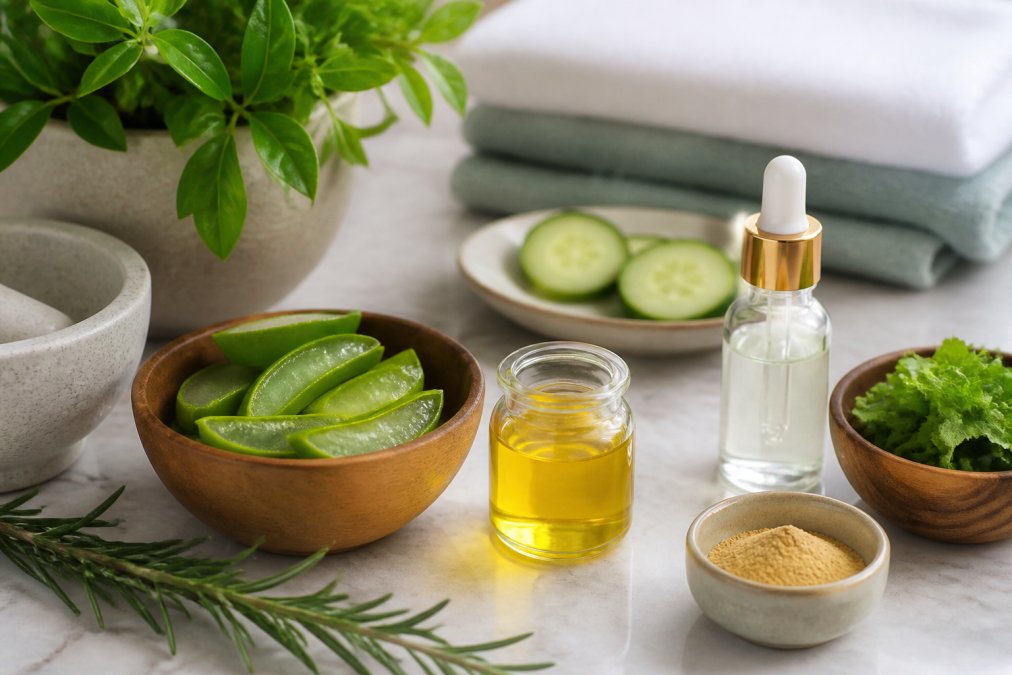
While the systemic approach (diet, supplements, stress, sleep) does the heavy lifting, natural topical remedies can accelerate healing and reduce inflammation on the skin surface.
Tea tree oil has antimicrobial and anti-inflammatory properties. Apply a 5-10% dilution to active lesions. Never apply undiluted tea tree oil. Results appear within 2-3 weeks of consistent use.
Azelaic acid reduces inflammation and has antimicrobial properties. It's gentler than benzoyl peroxide and works well for sensitive skin. Use a 10-20% product daily for 4-8 weeks to see full benefit.
Salicylic acid exfoliates and unclogs pores, reducing comedones. A 2% concentration is effective without excessive irritation. Use 1-2 times daily.
Retinoids normalize skin cell turnover and reduce sebum production. Start with a low concentration (0.25-0.5% retinol) and increase gradually. Results appear within 8-12 weeks.
Alpha hydroxy acids (AHAs) like glycolic acid exfoliate the skin surface and reduce inflammation. A 5-10% concentration used 2-3 times weekly is effective for hormonal acne.
Always patch test first. Apply a small amount to your inner arm or behind your ear for 24 hours before using it on your face.
The most effective topical approach for hormonal acne is simplicity: a gentle cleanser, a targeted active ingredient (azelaic acid or retinol), and a quality moisturizer with antioxidants.
Treating hormonal acne naturally requires patience and a multi-system approach, but it works because it addresses the root cause, hormonal imbalance, rather than just suppressing symptoms. The five steps outlined here (blood sugar regulation, anti-inflammatory diet, gut healing, targeted supplements, and stress management) create the conditions for your skin to heal from the inside out.
If you're struggling with persistent hormonal acne despite implementing these strategies, a professional skin analysis can identify what's missing. At Skin Solutions by 2 Divas, our specialists conduct thorough evaluations to understand your specific skin concerns and create a personalized treatment plan. We combine your at-home natural approach with professional corrective facials designed to accelerate results. Book your appointment today and let's work together to achieve the clear, radiant skin you deserve.
Frequently Asked Questions
How do I identify hormonal acne versus regular acne?
Hormonal acne typically appears along the jawline, chin, and lower face, often triggered by androgen fluctuations in the endocrine system. It tends to form deeper, more painful cysts rather than surface whiteheads, and flares during specific points in your cycle. Bacterial acne appears randomly across the face and responds quickly to topical treatments like benzoyl peroxide. If you're unsure, a dermatological assessment can confirm the cause and guide your treatment approach.
What foods help clear hormonal acne?
Foods that support hormone balance and reduce inflammation include cruciferous vegetables (broccoli, cauliflower), omega-3 rich fish, berries, leafy greens, and nuts. Low glycemic index foods help maintain insulin sensitivity, which reduces androgen production and sebum production. Probiotic-rich foods like yogurt and fermented vegetables support the gut-skin axis, improving overall skin health. Avoid dairy, refined sugars, and high-glycemic processed foods, which can trigger flare-ups.
How long does it take to see results from natural hormonal acne treatments?
Most people notice improvements in 4 to 8 weeks when consistently following dietary changes, supplements, and stress management. Hormonal acne responds more slowly than bacterial acne because it requires systemic changes to hormone balance and inflammation levels. Some see results in 6 weeks; others take 12 weeks. Patience and consistency are essential, skin cell turnover takes 28 days, and hormonal shifts take longer to manifest visibly on the skin.
Are there natural supplements that actually help with hormonal acne?
Yes. Spearmint tea, inositol, and omega-3 supplements reduce androgen levels and inflammation. Zinc supports immune function and reduces sebum production, while antioxidants like vitamin E and selenium protect your skin barrier. Probiotics restore gut health and improve the gut-skin axis. Always patch test new supplements and consult a healthcare provider before starting, especially if you take medications. Quality matters, choose brands tested for purity.
This article was written using GrandRanker