 how-to
How to Treat Common Skin Conditions Naturally
Table of Contents
- Start With a Skin Analysis Before You Treat Anything
- Natural Remedies for Itchy Skin That Calm the Itch Fast
- Home Remedies for Skin Rashes and Contact Dermatitis
- Natural Treatment for Dry Skin and a Compromised Barrier
- Gentle Acne Care at Home Without Stripping Your Skin
- Eczema and Dermatitis Flare-Ups: What You Can and Cannot Fix at Home
- Red Flags: When to Stop Treating Skin Conditions at Home
- Conclusion: Build a Routine You Can Actually Keep
- Frequently Asked Questions
Last Updated: October 6, 2026
Start With a Skin Analysis Before You Treat Anything
Most people guess. They buy a cleanser, try a serum, wait two weeks, and start over. The better path to learn how to treat common skin conditions naturally is to look first, then treat.
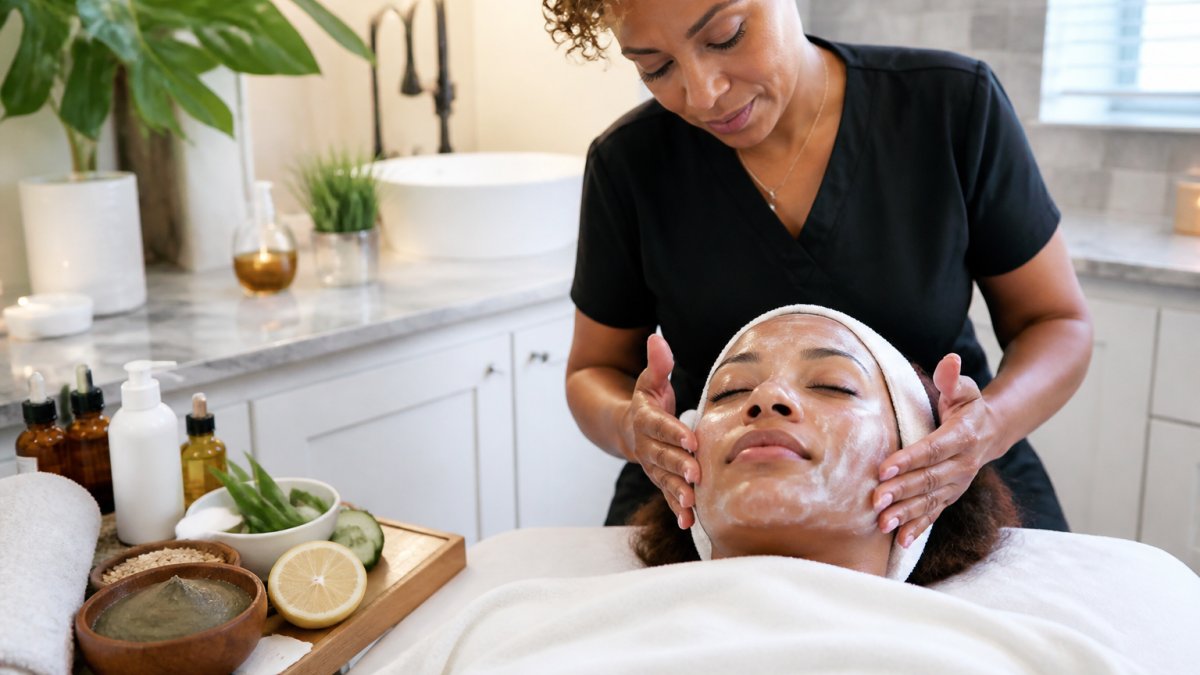
Learning how to treat common skin conditions naturally starts with one honest question: what is your skin actually doing? A skin analysis is a close look at your skin's type, tone, texture, and trouble spots before you choose any product or remedy.
Here is what to note before you buy anything:
- Where is the problem? Face, hands, scalp, or body.
- Is the skin dry, oily, or both?
- Does it itch, sting, flake, or just look red?
Write it down. Patterns show up fast.
Natural Remedies for Itchy Skin That Calm the Itch Fast
Natural remedies for itchy skin work best when they cool the skin and add water back at the same time. Itch usually comes from dry, irritated skin or a mild reaction, so the goal is calm and moisture, not scrubbing.
Start with the gentlest option and give it 20 minutes. If the itch drops, repeat later. If it gets worse, stop and read the red flags section below.
Oatmeal Soaks and Cool Compresses
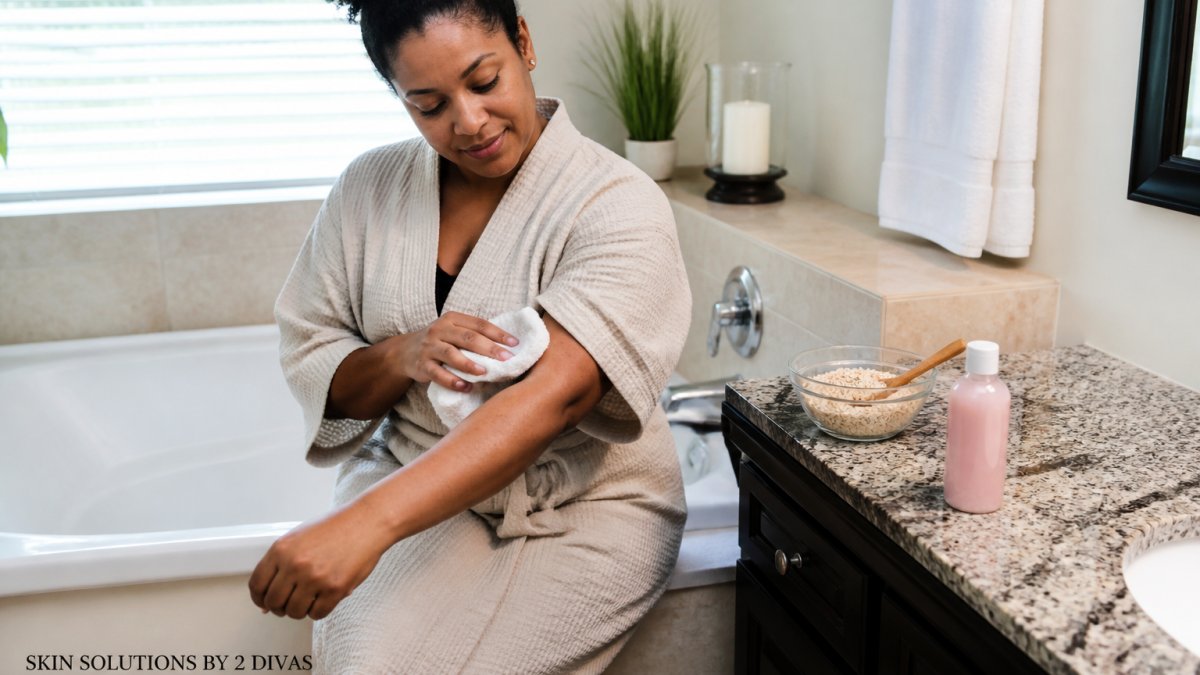
Colloidal oatmeal is finely ground oats that sit suspended in water. Add a cup to a lukewarm bath, soak for 10 to 15 minutes, then pat dry and moisturize within three minutes.
Calamine Lotion and Zinc Oxide
Calamine lotion and zinc oxide are drugstore staples for a reason. Both dry the surface and coat the skin, which quiets the itch signal. Shake calamine well, dab it on with a cotton ball, and let it dry.
A common mistake is layering three itch products at once. Pick one. Two drying products together leave skin tighter and itchier than before.
Home Remedies for Skin Rashes and Contact Dermatitis
Home remedies for skin rashes start with removal, not application. Contact dermatitis is a reaction to something touching your skin, so the first fix is finding it and stopping it.
Wash the area with cool water and a mild, fragrance-free cleanser. Skip hot water and scrubbing. Then apply a plain moisturizer while the skin is still damp.
Common triggers to check:
- Scented laundry detergent and fabric softener
- New soap, shampoo, or hand sanitizer
- Nickel in jewelry, belts, and watchbands
Most mild contact rashes settle within a week or two once the trigger is gone. If the rash spreads or blisters, see a doctor.
Patch Testing Before You Apply Anything
Patch testing is applying a small amount of a product to a quarter-sized spot and waiting 24 to 48 hours before using it widely. Test on your inner forearm, not your face.
- Clean and dry the spot.
- Apply a thin layer of the product.
- Cover it with a bandage.
This one habit prevents most self-inflicted flare-ups. It costs you two days and saves you two weeks.
Natural Treatment for Dry Skin and a Compromised Barrier
A natural treatment for dry skin is less about adding oil and more about holding water in. Your skin barrier is the outer layer that keeps moisture inside and irritants outside. When it breaks down, skin feels tight, rough, and sensitive.
Ingredients worth looking for:
- Colloidal oatmeal
- Shea butter and cocoa butter
- Sunflower seed oil
Skip alcohol-heavy toners, strong scrubs, and long hot showers. They strip the barrier faster than any cream can repair it.
The Soak-and-Seal Method
The soak-and-seal method is simple: soak the skin in lukewarm water for 5 to 10 minutes, pat it partly dry, then apply moisturizer within three minutes while the skin is still damp.
- Soak in lukewarm, not hot, water.
- Pat, do not rub, with a soft towel.
- Apply a thick moisturizer or ointment right away.
This traps water where it belongs. For very dry hands, seal with a thin layer of petroleum jelly and cotton gloves overnight.
Gentle Acne Care at Home Without Stripping Your Skin
Gentle acne care at home means treating breakouts without wrecking your barrier. Harsh scrubs and daily strong acids trigger more oil, more redness, and more breakouts. The goal is to reduce clogged pores and calm inflammation while keeping the outer layer of skin intact.
Book your appointment today! →
What Is Actually Happening in a Breakout
A pimple forms when a pore clogs with dead skin cells and oil, then bacteria that normally live on skin multiply inside the clog. Inflammation follows. That means three levers matter: keep the pore from clogging, reduce the bacteria load, and calm inflammation. No single home remedy pulls all three levers well, which is why stacking products backfires.
A Workable Routine
- Cleanse twice a day with a mild, non-foaming cleanser. If skin feels tight after washing, the cleanser is too strong.
- Use one active ingredient, not four.
- Moisturize even if you are oily. A light gel or lotion is enough.
Matching the Active to the Breakout
- Salicylic acid is a beta-hydroxy acid that dissolves the plug inside the pore. It helps blackheads and small surface bumps. A common starting strength is 0.5% to 2% in a cleanser or leave-on product.
- Benzoyl peroxide reduces acne bacteria and calms inflammation. It works on inflamed papules. Start at 2.5% to 5% rather than 10%, which is often more irritating without working better.
- Niacinamide calms redness and supports the barrier. It is not a pore unclogger on its own.
Start with one active, use it every other night for the first week, then move to nightly if skin tolerates it. Give it four to six weeks before judging results. Acne cycles are slow, and quitting at two weeks is the most common reason people think nothing works.
Do not pick. Picking turns a two-day pimple into a two-week mark and can push bacteria deeper.
What Home Care Cannot Fix
Home care is reasonable for mild, occasional breakouts. It is not a substitute for treatment when:
- Acne is deep, painful, or forms nodules under the skin
- Breakouts are leaving dark marks or indented scars
- Acne is spreading across the jaw, back, or chest
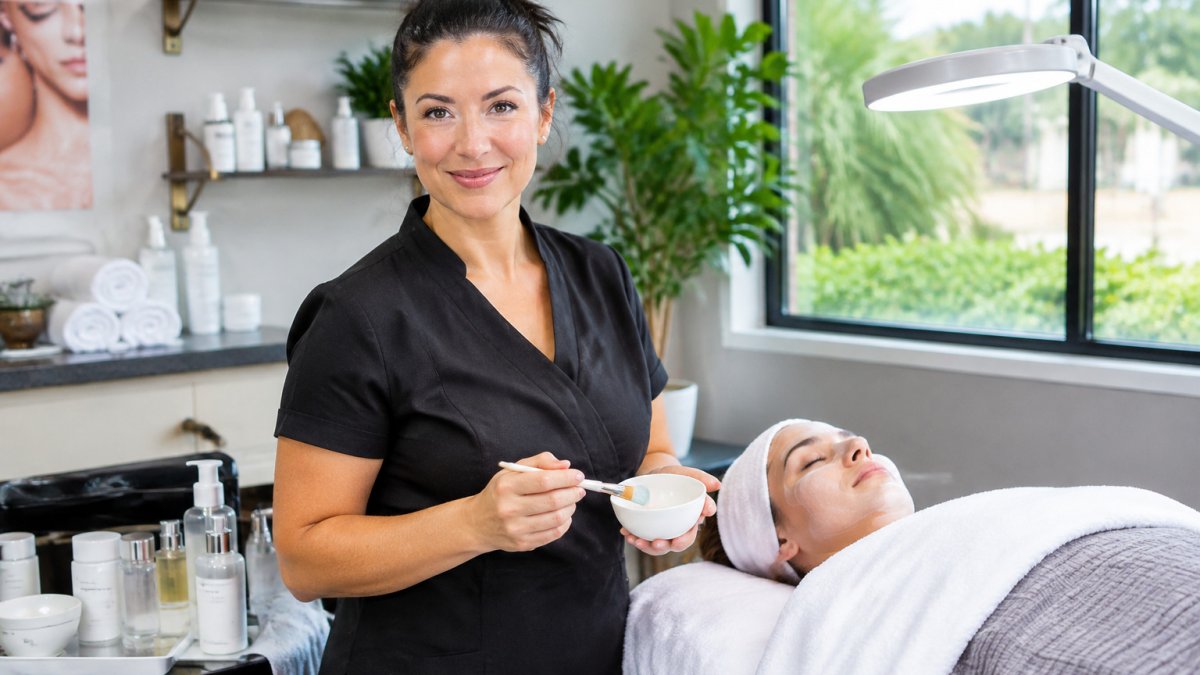
Those patterns usually need a diagnosis and prescription options. A custom corrective facial built around your skin analysis does more than an online routine can, because someone is actually looking at your skin and adjusting the plan as it changes. At SKIN SOLUTIONS BY 2 DIVAS in Sebring, FL, we start with that analysis, then build a plan around your specific breakouts, marks, and barrier condition.
Eczema and Dermatitis Flare-Ups: What You Can and Cannot Fix at Home
Eczema is a long-term condition where the skin barrier does not hold moisture well, so it flares, calms, and flares again. Home care can quiet a mild flare and stretch the calm periods. It cannot cure the condition, and it cannot replace prescription treatment for a severe flare.
Why the Barrier Fails
In eczema-prone skin, the outer layer is missing some of the lipids and proteins that normally seal in water and keep irritants out. When that seal weakens, moisture escapes and triggers get in. That is why the same soap that bothers no one else can set off a flare, and why dry air, hot showers, and scratchy fabrics make things worse.
Common Triggers to Track
- Fragranced soaps, detergents, fabric softeners, and dryer sheets
- Wool, rough seams, and synthetic fabrics that rub
- Hot water and long showers
Keep a simple log for two weeks: date, flare location, what touched the skin that day, weather, and sleep. Patterns usually show up fast, and the log is what a clinician will ask for anyway.
What Home Care Can Do
- Ease itching with cool compresses and colloidal oatmeal soaks
- Rebuild moisture with thick, fragrance-free creams or ointments applied within three minutes of bathing
- Reduce known triggers instead of guessing
For flare-prone skin, consistency beats intensity. Two minutes of moisturizing twice a day does more than a long routine once a week. Ointments hold water in better than lotions because they contain more oil and less water; creams sit in between.
What Home Care Cannot Do
- Cure eczema or dermatitis
- Replace prescription treatment for severe or persistent flares
- Fix skin that is infected, oozing, or cracking open
Evidence Quality: What to Trust
Some home measures have solid support, and some are mostly anecdotal. Thick emollients, fragrance-free products, lukewarm bathing, and colloidal oatmeal are the most reliably supported. Diluted bleach baths are sometimes recommended by clinicians for certain cases, but they should only be done under medical guidance because concentration and frequency matter. Herbal salves, essential oil blends, and "detox" products range from unproven to actively irritating.
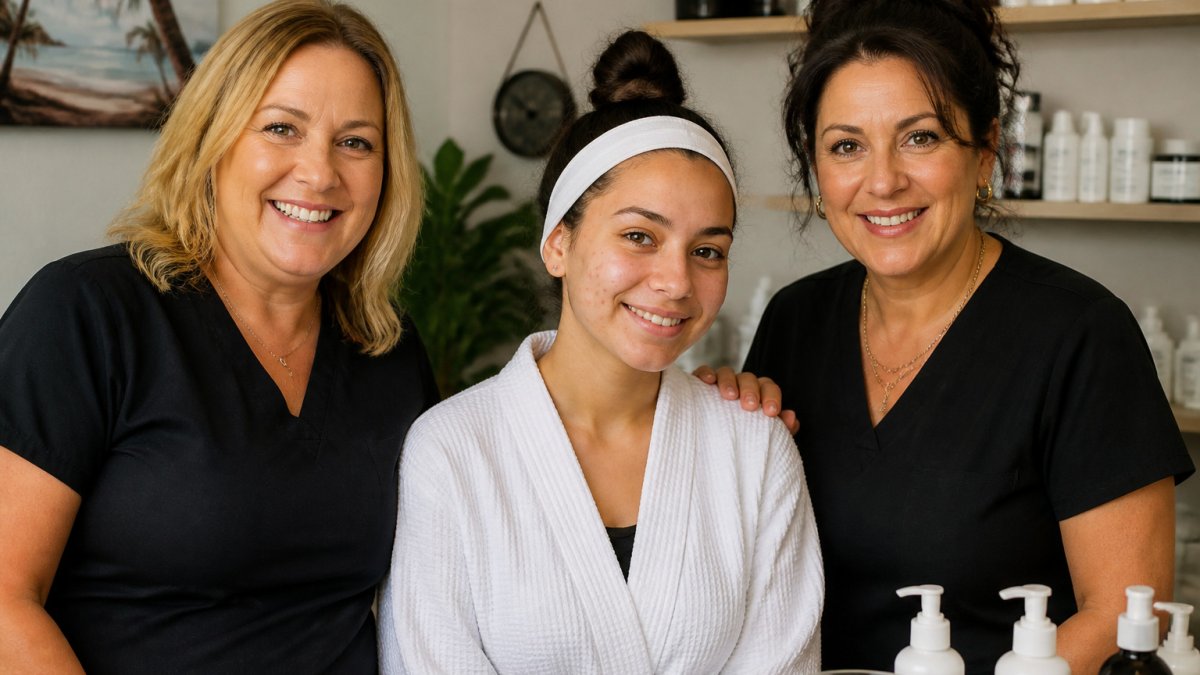
If flares keep returning despite good home care, a professional skin analysis can help separate eczema from contact dermatitis, psoriasis, or another condition that looks similar but needs a different plan. At SKIN SOLUTIONS BY 2 DIVAS in Sebring, FL, we look at the skin, ask about triggers, and build a routine that fits your barrier instead of a generic template.
Red Flags: When to Stop Treating Skin Conditions at Home
Stop home treatment and see a doctor when any of these show up:
- The rash spreads fast or covers a large area
- You see pus, yellow crusting, or streaks
- The area is hot, swollen, and painful
These signs point to infection or another condition that needs a diagnosis. Home remedies are for mild, mild-to-moderate, and stable skin. They are not for anything that is spreading, infected, or painful.
Conclusion: Build a Routine You Can Actually Keep
The best routine is the one you will still be doing in three months. Keep it short: cleanse gently, moisturize twice a day, use one active, and wear sunscreen. Drop anything that stings.
When home care is not enough, get eyes on your skin. At SKIN SOLUTIONS BY 2 DIVAS in Sebring, FL, we start with a thorough skin analysis, then build a custom corrective facial plan around your acne, aging, or hyperpigmentation concerns.
Book your appointment today and get a plan built for your skin.
Frequently Asked Questions
What natural remedies may help soothe itchy skin?
Colloidal oatmeal baths, cool compresses, and calamine lotion are the most reliable options for natural remedies for itchy skin. Add a cup of finely ground colloidal oatmeal to lukewarm bathwater and soak for 10 to 15 minutes, then pat dry and moisturize within three minutes. A cool washcloth pressed on the itchy area for 5 to 10 minutes can interrupt the itch-scratch cycle. Avoid hot water, which strips oils and makes itching worse. If itching lasts more than two weeks or comes with swelling, see a doctor.
Are natural skin remedies safe for sensitive skin?
Not automatically. Natural ingredients can still trigger allergic contact dermatitis, and essential oils, citrus extracts, and fragranced botanicals are common culprits. Patch test any new product on the inside of your forearm for 24 to 48 hours before applying it to your face. Start with single-ingredient options like plain colloidal oatmeal, sunflower seed oil, or aloe vera rather than multi-herb blends. If your skin is reactive, a professional skin analysis at Skin Solutions by 2 Divas in Sebring, FL can identify what your barrier tolerates before you experiment further.
When should I see a doctor about a rash?
See a doctor if a rash spreads quickly, blisters, oozes pus, feels hot to the touch, or comes with fever, chills, or joint pain. Also seek care if it covers a large area, affects your eyes, mouth, or genitals, or does not improve after 7 to 10 days of consistent home care. A rash that keeps returning in the same spot usually means an unidentified trigger, and identifying it requires a professional evaluation rather than another round of home remedies for skin rashes.
How long does it take to see results from a natural skin routine?
Most people notice less itching and irritation within 3 to 5 days of consistent gentle cleansing and moisturizing. Dryness and barrier repair typically take 2 to 4 weeks because the skin barrier rebuilds gradually. Acne and hyperpigmentation move slower, often 6 to 12 weeks, since they involve deeper inflammation and pigment production. Track your skin weekly with photos rather than judging day by day. If nothing changes after 8 weeks of a consistent routine, your skin likely needs a professional treatment plan tailored to the actual cause.
A quick note on sources: This guide draws on general dermatology guidance from the American Academy of Dermatology and the National Eczema Association. For product safety and ingredient questions, the U.S. Food and Drug Administration publishes consumer guidance on cosmetics and skin products.