 how-to
How to Reduce Facial Redness Effectively: A Step-by-Step Guide
Table of Contents
- Causes of Sudden Facial Redness You Need to Understand
- Step 1: Assess Your Skin Type and Redness Severity
- Step 2: Establish a Gentle Skincare Routine to Reduce Facial Redness
- Step 3: Choose the Best Skincare Ingredients for Redness
- Step 4: Apply Sun Protection Daily (Non-Negotiable)
- Step 5: Make Lifestyle Changes for Red Skin
- Step 6: Consider Professional Medical Treatments
- When to See a Dermatologist for Facial Redness
- Frequently Asked Questions
Last Updated: August 5, 2026
Causes of Sudden Facial Redness You Need to Understand
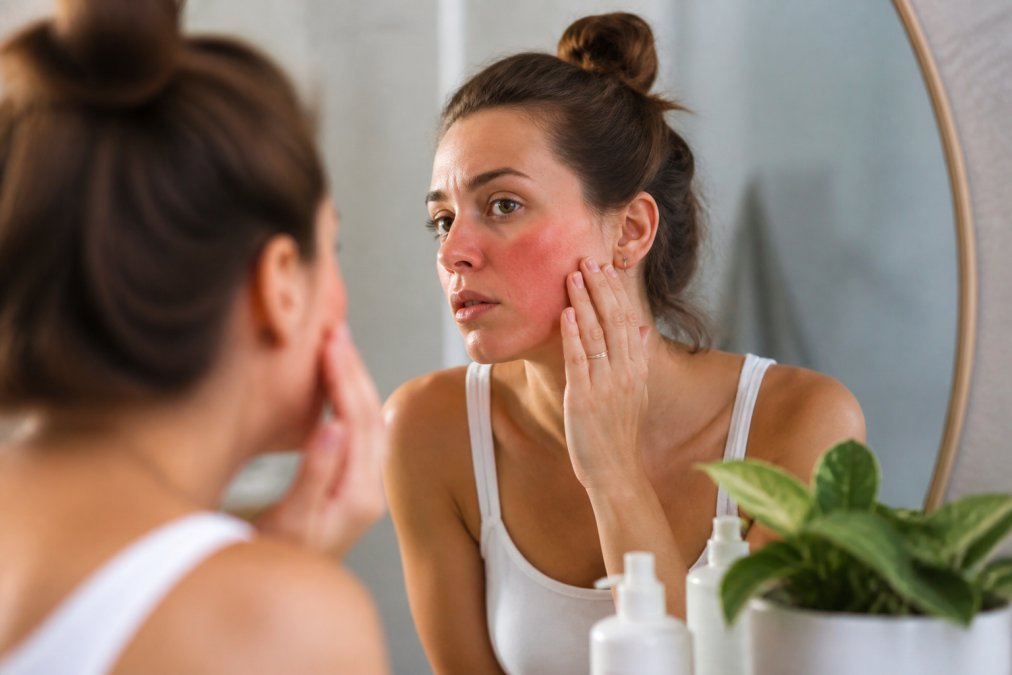
Facial redness can strike suddenly or develop over time. Understanding what triggers it is the first step toward managing it effectively.
Common Triggers Behind Persistent Redness
Persistent redness stems from specific triggers that activate your skin's inflammatory response. Environmental factors like extreme temperatures, wind, and UV rays trigger acute flushing. Internal triggers include spicy foods, hot beverages, alcohol, and emotional stress. Intense exercise increases redness due to elevated blood flow and body temperature.
Skin conditions like rosacea cause chronic facial redness through vasodilation, the widening of blood vessels beneath the skin's surface. Sensitive skin reacts to fragmented skincare products, synthetic fragrances, sulfates, and hot water. Hormonal fluctuations during menstrual cycles or menopause intensify redness as estrogen levels shift. Post-inflammatory hyperpigmentation from acne or eczema leaves red or pink discoloration. Allergic reactions to skincare ingredients, metals, or environmental allergens trigger immediate redness and swelling. What causes redness in one person may have no effect on another.
Step 1: Assess Your Skin Type and Redness Severity
Before implementing any treatment strategy, assess your skin type and redness severity. This determines which ingredients will work and whether you need dermatological intervention.
Identify your skin type: oily, dry, combination, or sensitive. Oily skin tolerates active ingredients better but needs lighter formulations. Dry skin requires barrier-repair focus and richer moisturizers. Combination skin needs targeted treatment for different zones. Sensitive skin demands the gentlest approach with hypoallergenic, fragrance-free products.
Assess redness severity on a simple scale: mild (slight pink tone), moderate (noticeable redness visible to others), or severe (intense red patches with possible swelling or burning). Mild redness responds well to topical skincare and lifestyle adjustments. Moderate redness may benefit from professional treatments like IPL photofacial or prescription topicals. Severe redness, especially with pustules or persistent inflammation, warrants a dermatologist visit.
Document your redness patterns: Does it appear after specific triggers? Does it worsen at certain times of day? Is it localized or widespread? This information helps identify whether you're dealing with rosacea, contact dermatitis, or general sensitivity.
Step 2: Establish a Gentle Skincare Routine to Reduce Facial Redness
A consistent, gentle skincare routine forms the foundation for reducing facial redness. The goal is to support your skin barrier, minimize irritation, and deliver soothing ingredients.
The Cleansing Phase
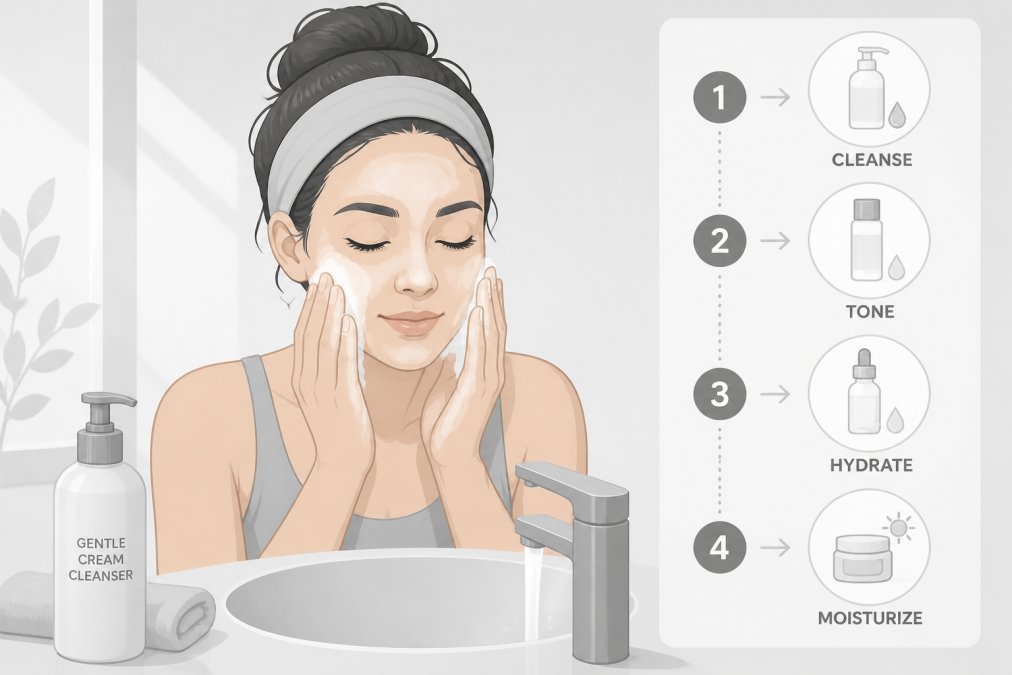
Start with a pH-balanced gentle cleanser. Harsh cleansers strip natural oils and compromise the barrier, intensifying redness. Use cream or milk cleansers rather than foaming formulas. Cleanse twice daily with lukewarm water, never hot. Hot water triggers vasodilation and increases inflammation. Massage the cleanser gently for 30-60 seconds, then pat your skin dry with a soft towel, never rub aggressively.
The Treatment Phase
Apply treatment products while your skin is still slightly damp for better absorption. Wait 2-3 minutes between layers to allow absorption. Avoid layering too many active ingredients at once, which overwhelms sensitive skin. Start with one treatment product and add a second only after 2-3 weeks if your skin tolerates it well.
The Protection Phase
Finish with a moisturizer appropriate for your skin type. For sensitive, red-prone skin, look for moisturizers containing ceramides and hyaluronic acid, both of which support barrier function. Apply moisturizer to damp skin for better absorption. This routine should take 5-7 minutes total. Consistency matters more than complexity.
Step 3: Choose the Best Skincare Ingredients for Redness
Selecting the right skincare ingredients is critical. Not all "soothing" ingredients work equally, and some can trigger more inflammation.
Niacinamide and Allantoin for Barrier Repair
Niacinamide (Vitamin B3) strengthens your skin barrier and reduces inflammation simultaneously by regulating sebum production and calming irritated skin. Start with 4-5% niacinamide concentration. Allantoin promotes skin healing and barrier repair, working synergistically with niacinamide. Look for products containing both ingredients together.
Aloe Vera and Azelaic Acid for Soothing
Aloe vera contains polysaccharides and antioxidants that calm inflammation and promote healing. Use pure aloe vera gel or products with aloe vera listed in the first few ingredients. Azelaic acid is a prescription-strength ingredient that addresses rosacea and persistent redness with clinical effectiveness by reducing inflammation and preventing vasodilation. It requires a dermatologist prescription but is worth requesting if over-the-counter ingredients aren't delivering results after 6-8 weeks.
Retinoids for Long-Term Skin Health
Retinoids improve skin health and reduce redness over time but require careful introduction. Start with retinol or retinyl palmitate at low concentrations (0.25-0.5%), using them only 2-3 times per week initially. Retinoids increase cell turnover, which can temporarily increase redness before improvement occurs. Always use SPF 30+ during the day when using retinoids.
Step 4: Apply Sun Protection Daily (Non-Negotiable)
Sun exposure is the single most powerful trigger for facial redness. UV radiation triggers vasodilation, increases inflammation, and damages your skin barrier.
Use broad-spectrum SPF 30 minimum daily, even on cloudy days. Apply 1/4 teaspoon to your entire face, neck, and ears 15 minutes before sun exposure. Reapply every 2 hours if you're outdoors or after swimming. Physical sunscreens (containing zinc oxide or titanium dioxide) are often gentler for red-prone skin than chemical sunscreens. Consider additional protection: wide-brimmed hats, UV-blocking clothing, and seeking shade during peak UV hours (10 AM to 4 PM).
Step 5: Make Lifestyle Changes for Red Skin
Your daily habits significantly impact facial redness. Environmental triggers, dietary choices, stress levels, and sleep quality all influence inflammation and skin barrier function.
Dietary Adjustments and Elimination Protocols
Certain foods and beverages trigger facial flushing by increasing blood flow and core body temperature. Common culprits include spicy foods, hot beverages, alcohol, and high-histamine foods. Keep a food diary for 2-3 weeks, noting what you eat and any redness that follows.
Many people find that eliminating or reducing specific trigger foods produces noticeable improvement within 1-2 weeks. Consider an elimination protocol: remove suspected trigger foods for 2 weeks, then reintroduce them one at a time, noting any redness response. Stay hydrated, dehydration intensifies inflammation. Drink at least 8-10 glasses of water daily.
Book your appointment today! →

Stress Management and Sleep Quality
Chronic stress elevates cortisol levels, triggering inflammation throughout your body including your skin. Implement stress-reduction practices: meditation, deep breathing exercises, yoga, or activities you find genuinely calming. Even 10 minutes daily produces measurable stress reduction.
Sleep quality directly impacts skin health and inflammation levels. Aim for 7-9 hours nightly. Poor sleep increases cortisol and intensifies redness. Establish a consistent sleep schedule and create a sleep environment that supports rest: cool temperature (around 65-68°F), darkness, and minimal noise. Avoid screens 30-60 minutes before bed.
Environmental Triggers to Avoid
Extreme temperatures trigger vasodilation. Protect your skin in cold weather with a scarf or mask. Wind exposure strips moisture from your skin, apply extra moisturizer and wear a scarf for protection. Chlorine in swimming pools irritates sensitive skin; rinse immediately after swimming and apply moisturizer while your skin is still damp.
Humidity levels affect redness too. Very dry air dehydrates your skin, worsening redness. Use a humidifier during winter months. Maintain humidity between 40-60% for optimal skin health.
Step 6: Consider Professional Medical Treatments
When topical skincare, lifestyle changes, and sun protection don't fully resolve redness after 8-12 weeks, professional treatments offer more dramatic results.
IPL Photofacial and Laser Treatments
Intense Pulsed Light (IPL) photofacial treatments use broad-spectrum light to target hemoglobin in dilated capillaries, reducing their visibility and function. IPL is particularly effective for rosacea-related redness. Most people need 3-5 sessions spaced 3-4 weeks apart. Each session takes 15-30 minutes.
Results appear gradually over 2-4 weeks as treated blood vessels are absorbed. IPL has minimal downtime; you may experience slight redness or swelling immediately after, but this typically resolves within hours. Many people see 50-70% improvement in redness after a full treatment series.
The V-Beam laser specifically targets oxyhemoglobin in blood vessels, making it more precise than IPL. It's particularly effective for severe rosacea and persistent redness.
Topical Prescriptions and Post-Procedure Recovery
Topical prescriptions like metronidazole and azelaic acid are stronger than over-the-counter options and specifically formulated for rosacea. Metronidazole reduces inflammation and kills bacteria associated with rosacea. Azelaic acid prevents vasodilation and has anti-inflammatory properties. These require dermatologist prescriptions but deliver measurable results within 2-4 weeks.
Oral antibiotics like low-dose doxycycline (20-40 mg daily) provide anti-inflammatory benefits for people whose redness doesn't respond to topical treatments alone.
After IPL or laser treatment, avoid active ingredients (retinoids, vitamin C, acids) for 48-72 hours. Use only gentle cleansers and moisturizers. Apply sunscreen religiously. Avoid heat exposure for 48 hours: no hot showers, saunas, or intense exercise. Most people can return to normal activities immediately.
When to See a Dermatologist for Facial Redness
See a dermatologist if your redness is accompanied by pustules, papules, or persistent burning sensation. Rosacea has four distinct subtypes, each requiring different treatment approaches. If redness doesn't improve after 8-12 weeks of consistent topical skincare and lifestyle modifications, professional evaluation is warranted. Persistent redness despite proper sun protection suggests an underlying condition needing professional assessment.
Dermatologists can perform skin analyses that identify whether your redness stems from sensitivity, rosacea, post-inflammatory hyperpigmentation, or vascular issues. At Skin Solutions by 2 Divas, our specialists conduct thorough skin analyses to identify the root cause of your redness, then create personalized treatment plans that combine professional treatments with customized at-home skincare routines.
If you experience redness accompanied by eye irritation, swelling, or systemic symptoms, seek dermatological care promptly. Dermatologists can also determine whether your redness is a cosmetic concern or a sign of underlying health conditions like lupus or other autoimmune disorders.
Persistent facial redness impacts how you feel about your appearance and can affect your confidence in social and professional situations. The approach to reducing facial redness effectively combines consistent skincare, strategic ingredient selection, lifestyle management, and professional treatments when needed. At Skin Solutions by 2 Divas, we specialize in custom corrective facials designed specifically to address facial redness through personalized treatment plans. Our thorough skin analysis identifies your unique redness triggers, and our specialists use high-quality, soothing ingredients to calm inflammation and strengthen your skin barrier. Book your appointment today and discover how a tailored professional approach can transform your skin and restore your natural glow.
| Redness Reduction Strategy | Timeline | Best For | Key Actions |
|---|---|---|---|
| Gentle skincare routine | 4-8 weeks | All redness types | Daily cleansing, targeted serums, moisturizer |
| Ingredient-focused treatment | 6-12 weeks | Mild-moderate redness | Niacinamide, allantoin, aloe vera |
| Lifestyle modifications | 2-4 weeks | Trigger-based redness | Diet changes, stress management, sleep |
| Professional treatments (IPL/laser) | 3-5 sessions over 12 weeks | Severe, persistent redness | Vascular targeting, post-procedure care |
| Prescription topicals | 2-4 weeks | Rosacea, resistant redness | Metronidazole, azelaic acid application |
Frequently Asked Questions
How can I immediately reduce facial redness?
Immediate relief starts with a cool compress applied for 10-15 minutes to reduce inflammation and calm vasodilation. Use a gentle, pH-balanced cleanser and apply a soothing product containing niacinamide or aloe vera. Avoid hot water, harsh scrubs, and irritating ingredients. For lasting results, consistency with a proper skincare routine matters more than quick fixes. A professional skin analysis can identify your specific triggers and recommend targeted treatments.
What are the best skincare ingredients for calming red skin?
Niacinamide strengthens your skin barrier and reduces inflammation. Allantoin soothes irritation and supports barrier repair. Aloe vera and azelaic acid both calm redness and address underlying causes like rosacea or sensitivity. Retinoids improve skin health over time but require careful introduction. Look for hypoallergenic, dermatologist-tested products with these ingredients. A personalized assessment helps determine which ingredients work best for your specific redness cause.
Can diet affect facial redness?
Yes. Spicy foods, alcohol, caffeine, and high-histamine foods trigger vasodilation and flushing in many people. Inflammatory foods may worsen underlying redness conditions. An elimination protocol, removing suspected triggers for 2-4 weeks, then reintroducing them one at a time, helps identify your personal dietary triggers. Hydration and foods rich in antioxidants and omega-3 fatty acids support skin barrier health. Keeping a food and skin diary reveals patterns unique to your body.
When should I see a dermatologist for facial redness?
Seek professional help if redness persists beyond 2-3 weeks despite consistent home care, spreads across your face in a pattern, causes pain or burning, or is accompanied by bumps or pustules. A dermatologist can diagnose rosacea, identify environmental triggers, and prescribe topical antibiotics or other treatments. If you're considering professional treatments like IPL photofacial or laser therapy, a dermatologist ensures safe, effective results tailored to your skin type.
This article was written using GrandRanker