 how-to
How to Prepare Your Skin Before a Professional Facial
Table of Contents
- Why Pre-Facial Preparation Matters
- What to Avoid Before a Facial
- How Long to Stop Retinol Before Facial
- Your Skincare Routine Before Professional Facial
- Medication Interactions and Dietary Triggers
- Mental Preparation and Setting Expectations
- Communicating Your Skin Concerns to Your Esthetician
- The Day of Your Appointment
- Frequently Asked Questions
Last Updated: August 24, 2026
Why Pre-Facial Preparation Matters
Getting a professional facial is an investment in your skin's health, but what you do before your appointment matters just as much as the treatment itself. Proper preparation ensures better results, faster healing, and fewer complications. Your esthetician can only work with the canvas you bring them, so preparation allows them to deliver personalized care your skin actually needs.
When you arrive unprepared, your skin barrier may be compromised, inflammation might be present, or active ingredients could interfere with the professional treatment. A few days of strategic adjustments can calm inflammation, strengthen your skin barrier, and allow the professional treatment to penetrate more effectively.
What to Avoid Before a Facial
The week leading up to your appointment is when you need to be most cautious. Certain products and practices can sensitize your skin, making it reactive or uncomfortable during your facial.
Stop Retinoids and Strong Actives
Retinoids are powerful anti-aging ingredients, but they're one of the biggest culprits in pre-facial complications. Retinol, retinaldehyde, and prescription-strength retinoids thin the outer layer of skin and increase cell turnover, making your skin barrier vulnerable.
Stop using retinoids at least 3-5 days before your appointment (the American Academy of Dermatology). If you're using a high-strength prescription retinoid like tretinoin, pause it for a full week (peer-reviewed research). Your esthetician will likely be using active ingredients and exfoliation techniques that work similarly to retinoids. Combining these treatments can lead to excessive irritation, peeling, redness, and a compromised barrier.
Other strong actives to pause include high-concentration vitamin C serums, niacinamide in large amounts, and exfoliating acids (AHAs and BHAs). These ingredients are cumulative irritants when combined with professional treatments. Your esthetician can recommend when it's safe to resume them post-facial.
Skip Waxing and Shaving
Waxing removes hair by pulling it from the root, traumatizing the skin and opening it to irritation. If you wax your face, chest, or any area your esthetician will treat, do it at least 5-7 days before your appointment to allow the skin to calm and close hair follicles.
Shaving creates micro-abrasions on the skin's surface. If you shave the morning of your facial, you're introducing fresh irritation and open pores that will be more sensitive to professional treatment. Shave 1-2 days before your appointment instead.
Avoid Sun Exposure and Tanning
Sun exposure in the days before your facial increases inflammation, dehydrates skin, and triggers melanin production. UV damage weakens the skin barrier, making it more reactive during professional treatment. This is particularly important if you're getting a chemical peel or treatment targeting hyperpigmentation, as sun-exposed skin is more likely to develop post-inflammatory hyperpigmentation.
Avoid direct sun for at least 2-3 days before your appointment. If you must be outside, wear broad-spectrum SPF 30 or higher. Skip tanning beds entirely.
How Long to Stop Retinol Before Facial
The question of how long to stop retinol before facial depends on the strength and type of retinoid you're using.
For over-the-counter retinol products at standard concentrations, pause for 3-5 days before your appointment. Prescription-strength retinoids like tretinoin, adapalene, or tazarotene require a full week off before your facial, as these medications are significantly more potent and create more dramatic changes in skin cell turnover.
If you're in the middle of a retinoid treatment plan, don't panic about stopping for a week. Your skin won't lose the benefits you've built. Resume your retinoid use 5-7 days after your facial, once your skin has fully recovered.
Your Skincare Routine Before Professional Facial
The 1-3 days immediately before your appointment are when your skincare routine becomes strategic. You're not trying to "fix" your skin, you're trying to calm it, hydrate it, and prepare it for professional treatment.
Hydration and Water Intake
Hydrated skin is more resilient skin. Drink more water than usual in the 2-3 days before your facial, aiming for at least 8-10 glasses daily (the NIH). Water hydration happens from the inside out, and it takes time to show results.
Topically, use a hydrating serum or essence under your moisturizer. Look for ingredients like hyaluronic acid, glycerin, or ceramides that draw water into the skin and help it retain moisture. Avoid dehydrating practices like excessive caffeine and alcohol in the days before your appointment.
Gentle Cleansing the Day Before
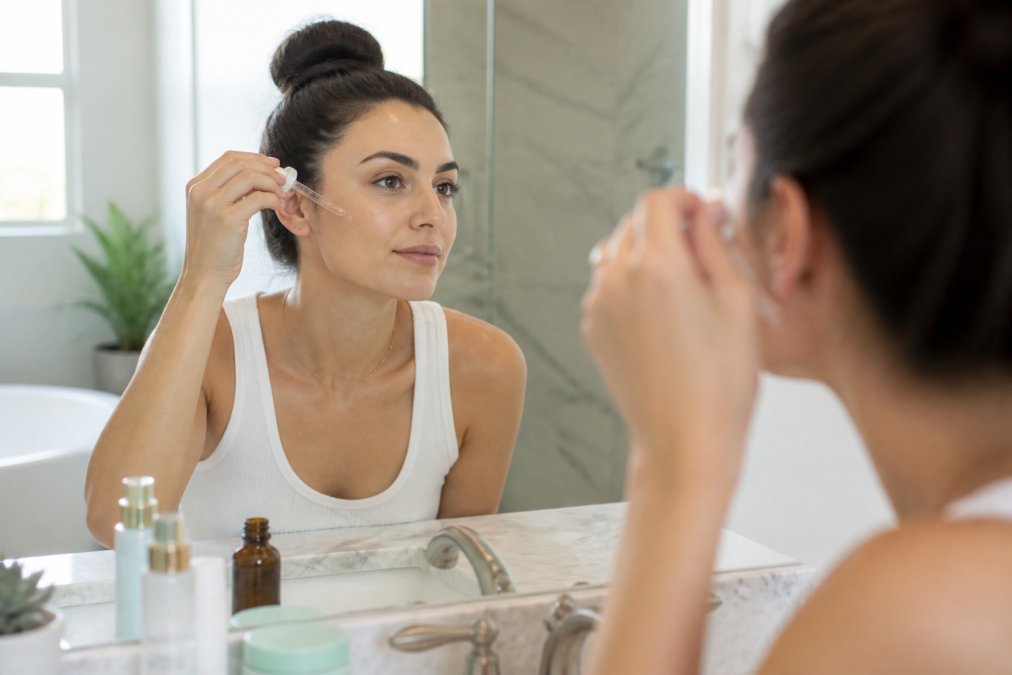
The day before your facial, switch to an extremely gentle cleanser. Skip foaming cleansers and anything with exfoliating beads or acids. Use a cream cleanser, micellar water, or a gentle gel cleanser designed for sensitive skin.
Cleanse once in the morning and once at night, but don't over-cleanse. Pat your skin dry gently and apply a lightweight moisturizer suitable for your skin type. Skip any toners, essences, or serums the night before your appointment. Keep your skincare routine to cleanser and moisturizer only.
Managing Skin Sensitivity and Allergies
If you have sensitive skin, be even more conservative with your routine in the days before your facial. Stick to products you've used successfully before. If you have known allergies to specific ingredients like fragrance, essential oils, or certain plant extracts, mention them to your esthetician during your consultation.
Book your appointment today! →
If your skin is currently inflamed, irritated, or in a flare-up, consider postponing your facial. If you can't postpone, tell your esthetician about the inflammation so they can adjust the intensity of the treatment.
Medication Interactions and Dietary Triggers
Some medications increase photosensitivity, meaning your skin will be more reactive to UV exposure and potentially to professional treatments. Antibiotics like tetracyclines, some anti-inflammatories, and certain antidepressants can have this effect. Mention any medications to your esthetician so they can adjust treatment intensity if needed.
Dietary triggers vary by person, but foods that increase inflammation can show up as skin inflammation before your appointment. If you're prone to breakouts after eating certain foods, avoid them for 2-3 days before your facial. Limit alcohol and caffeine in the 2-3 days before your appointment, as both can dehydrate skin and increase inflammation.
Mental Preparation and Setting Expectations
A professional facial is an active treatment. Depending on the type, you may experience redness, slight sensitivity, or mild peeling in the days after. This is normal and expected.
Set realistic expectations about results. A single facial can improve skin texture, hydration, and radiance, but it won't permanently fix chronic acne, deep wrinkles, or significant hyperpigmentation. Most skin concerns require a series of treatments spaced 4-6 weeks apart.
Come to your appointment with a clear understanding of what you want to achieve. Are you preparing for a special event and want an immediate glow? Are you addressing long-term skin concerns like acne or aging? Your goal shapes the type of facial and treatment intensity your esthetician recommends.
Communicating Your Skin Concerns to Your Esthetician
Your esthetician can't read your mind. The more specific you are about your skin concerns, the better they can customize your treatment.
Before your appointment, write down your main skin concerns. Are you dealing with acne, sensitivity, hyperpigmentation, fine lines, dullness, or a combination? Note which areas of your face are most problematic. Bring photos if you have them to show your esthetician what your skin looked like before current issues started.
Tell your esthetician about any recent treatments like laser, chemical peels, or microneedling. If you're using prescription skincare, let them know. Ask questions about the facial itself: What does the treatment involve? How long will it take? What should you expect during and after? A good esthetician welcomes these questions. At Skin Solutions by 2 Divas, our specialists conduct thorough skin analyses and explain exactly what the treatment will address and why.
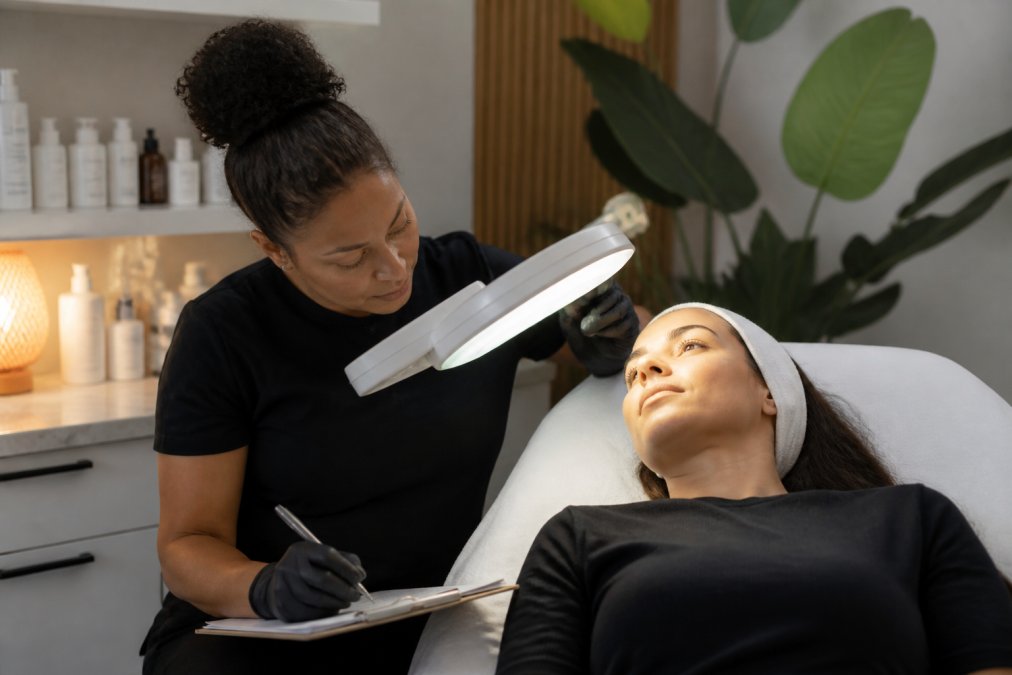
The Day of Your Appointment
The morning of your facial, keep your skincare routine minimal. Cleanse gently with your regular gentle cleanser and apply your usual moisturizer. Skip serums, oils, and any active ingredients.
Wear comfortable, loose clothing that won't irritate your face or neck. Arrive a few minutes early so you're not rushed. Use this time to fill out intake forms and have a final conversation with your esthetician about your concerns and expectations.
During the facial, communicate if anything feels uncomfortable. If a product stings, if the pressure is too intense, or if you're experiencing unexpected sensitivity, speak up immediately. Your esthetician will adjust the treatment to keep you comfortable.
After your appointment, follow your esthetician's specific aftercare instructions closely. Most professionals recommend avoiding sun exposure, heat, and active ingredients for 24-48 hours post-facial. Your skin needs time to recover and settle before you resume your regular routine.
Preparing your skin properly before a professional facial transforms the experience from a nice treatment into a targeted, results-driven intervention. At Skin Solutions by 2 Divas, we've built our practice on the principle that preparation and personalized care go hand in hand. When you arrive prepared, with your skin barrier calm, your actives paused, and your concerns clearly communicated, your esthetician can deliver the custom corrective care that addresses your specific needs. Book your appointment today and experience the difference that professional, results-driven skincare can make.
Frequently Asked Questions
How many days before a facial should I stop using retinol?
Stop retinol at least 3-5 days before your professional facial. Retinoids increase skin sensitivity and can cause irritation when combined with active facial treatments. If you use prescription-strength retinoids, consult your esthetician or dermatologist about timing. Resume retinol 3-5 days after your facial once any redness subsides. This buffer protects your skin barrier and maximizes your facial results.
What should you avoid doing to your skin in the 48 hours before a facial?
Avoid waxing, shaving, chemical peels, and exfoliation in the 48 hours before your facial. Skip strong actives like vitamin C serums, acids, or prescription treatments. Don't apply heavy makeup or new skincare products. Limit sun exposure and avoid tanning beds. These activities compromise your skin barrier and increase sensitivity, making your skin prone to irritation during your professional facial treatment.
Should I wash my face right before my facial appointment?
Wash your face gently 1-2 hours before your appointment using a mild cleanser, or arrive with clean skin. Don't wash immediately before the appointment, as this can strip your skin's natural oils. Your esthetician will perform a thorough cleansing as part of the professional facial treatment. Arriving with clean but not over-stripped skin allows your esthetician to assess your true skin condition and customize the treatment.
How does hydration before a facial improve results?
Drinking plenty of water in the days leading up to your facial plumps skin cells and strengthens your skin barrier, making it more receptive to treatment. Well-hydrated skin absorbs active ingredients more effectively and recovers faster from the facial's extractions and treatments. Aim for 8-10 glasses of water daily for 2-3 days before your appointment. Hydrated skin also shows better texture and radiance immediately after treatment, maximizing your professional facial results.
This article was written using GrandRanker