 how-to
How to Layer Skincare Products Effectively
Table of Contents
- The Foundation: Understanding Why Skincare Layering Order Matters
- The Core Principle: Thinnest to Thickest Application
- Morning Skincare Routine Order: Step-by-Step
- Nighttime Skincare Routine Order: Step-by-Step
- How Long to Wait Between Skincare Products
- Skincare Routine Order by Skin Type and Sensitivity
- Troubleshooting Common Layering Problems: Pilling and Irritation
- Customizing Your Routine With Professional Guidance
- Frequently Asked Questions
Last Updated: October 12, 2026
The Foundation: Understanding Why Skincare Layering Order Matters
The order you apply products matters more than the products themselves. At Skin Solutions by 2 Divas in Sebring, FL, we see clients daily who've spent hundreds on products with disappointing results, almost always because they're applying them in the wrong order.
When you layer skincare products effectively, each one does its job: cleanser removes dirt, toner preps skin, serums penetrate, moisturizer locks it all in. Applied randomly, they block each other, a thick moisturizer first stops a serum from sinking in.
The Core Principle: Thinnest to Thickest Application
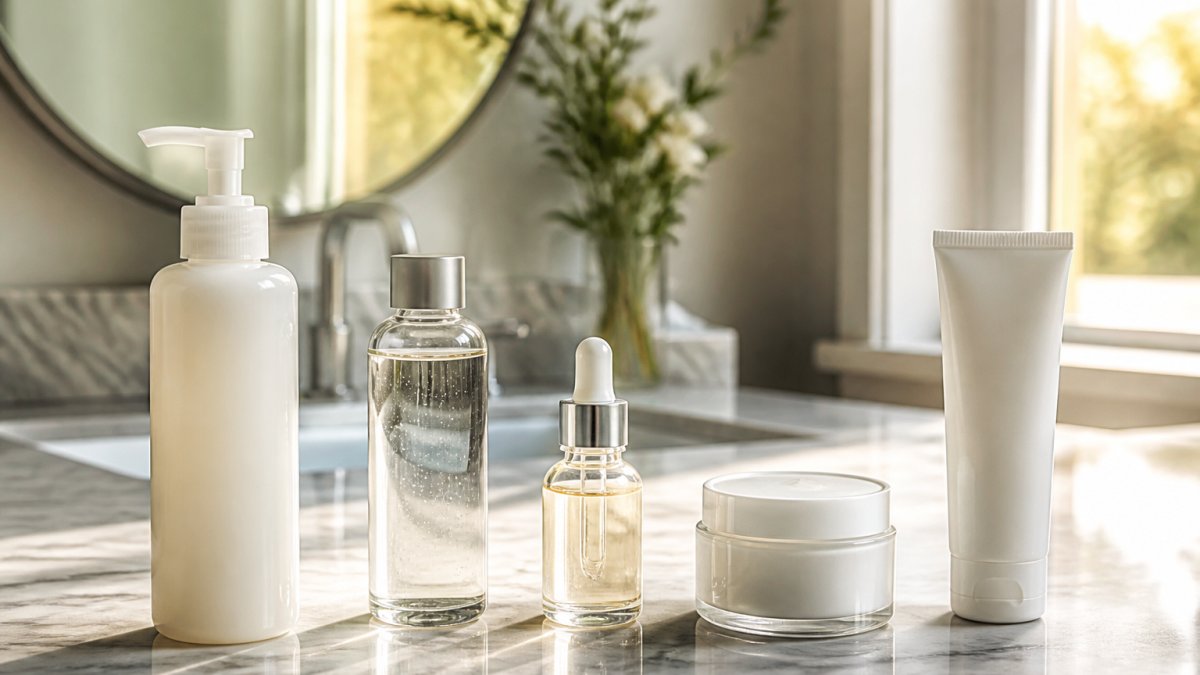
The golden rule for how to layer skincare products effectively: apply from thinnest to thickest, water-based products first, then lighter serums, then heavier creams and oils last. Thinner products are water-based; thicker ones are oil-based or occlusive and sit on top of skin as a barrier. Reverse the order and the thick product blocks the thin one.
The sequence looks like this:
- Water-like products first: cleansers, toners, essences
- Lightweight treatments next: serums, light gels, aqueous treatments
- Medium-weight products: lighter moisturizers, light creams
- Rich products last: heavy creams, facial oils, occlusive balms
This rule applies to almost every routine. The only exceptions are prescription products like retinoids or vitamin C, which sometimes need to go on clean, dry skin first.
Morning Skincare Routine Order: Step-by-Step
Your morning routine should be quick and protection-focused, most people need 5-10 minutes.
Step 2: Apply Toner or Essence Apply while skin is still slightly damp to prep and boost hydration.
Step 3: Serums and Treatments Apply lightweight serums, vitamin C, hyaluronic acid, or niacinamide.
Step 5: Moisturizer Apply a lightweight morning moisturizer, massaging until absorbed.
Step 6: Sunscreen Finish with sunscreen, non-negotiable. Apply generously and wait 1-2 minutes.
Nighttime Skincare Routine Order: Step-by-Step
Your evening routine can be longer, letting products work overnight. Most people spend 10-15 minutes.
Step 3: Toner or Essence Apply while skin is still slightly damp to hydrate and prep for treatments.
Step 4: Active Treatments Your strongest products go here: retinoids, vitamin C, niacinamide, or prescriptions.
Step 5: Serums and Lighter Treatments After actives absorb, apply lighter serums, hyaluronic acid, peptides, or soothing formulas.
Step 6: Eye Cream Apply with gentle tapping motions.
Step 7: Moisturizer Use a richer moisturizer at night, your skin repairs itself while you sleep.
How Long to Wait Between Skincare Products
Wait times are one of the most misunderstood parts of layering. They depend on the product, the formulation, and what comes next, here's how to think about it instead of memorizing a chart.
Why Wait Times Matter at All
Two things happen when you apply a product: the vehicle (water, silicone, oil, or alcohol) must evaporate or absorb so actives can reach skin, and the product's pH must settle before the next layer.
Many actives only work within a specific pH range. AHAs and BHAs perform best at an acidic pH, and vitamin C (L-ascorbic acid) needs a low pH to stay stable and penetrate.
Retinoids are different: they don't depend on pH, but they need time to bind to receptors.
A Practical Wait-Time Guide
| Product Just Applied | Typical Wait Before Next Step | Why |
|---|---|---|
| Cleanser | 30-60 seconds (pat dry) | Skin should be dry enough that the next product isn't diluted |
| Hydrating toner or essence | 30-60 seconds | Apply next product while skin is still slightly damp to boost absorption |
| Exfoliating acid (AHA/BHA) | 5-10 minutes | Let pH settle and acid penetrate before neutralizing layers go on |
| Vitamin C serum | 2-5 minutes | Allow low-pH formula to absorb; longer if skin is sensitive |
| Retinoid | 10-20 minutes (or buffer with moisturizer) | Reduces irritation and lets the active bind; buffering is a valid alternative |
| Niacinamide or peptide serum | 1-2 minutes | These are forgiving and layer well with almost anything |
| Hyaluronic acid serum | 30-60 seconds, then seal with moisturizer | HA needs a moisturizer on top to prevent it from pulling water out of skin in dry air |
| Moisturizer | 1-2 minutes | Let it set before sunscreen or makeup |
| Sunscreen | 15 minutes before sun exposure | Required for full SPF protection regardless of layering |
The Real Rule: Feel, Don't Clock-Watch
The table above is a starting point, not a stopwatch. The practical test: touch your skin. If it feels wet, tacky, or slippery, it hasn't finished absorbing; if it feels dry or slightly hydrated, move on.
Short on time in the morning? Choose products formulated to layer, many modern vitamin C serums are buffered to a higher pH and need no long wait. At night, longer waits after retinoids and acids are worth it.
When Wait Times Cause Pilling Instead of Absorption
Pilling, little balls of product rolling off your face, usually means a product hadn't absorbed before the next went on, or two formulas are incompatible. Silicone-heavy primers, some gel moisturizers, and certain sunscreens are common culprits. Try these fixes in order:
- Wait longer between the two products that are pilling.
- Use less of each product, a pea-sized amount of serum is usually enough for the whole face.
- Change the order so the silicone-based or occlusive product goes last.
- Switch formulas, water-based and silicone-based products sometimes just don't play well together.
If pilling continues, the issue is usually formulation compatibility, not technique. At Skin Solutions by 2 Divas in Sebring, FL, we can help you identify which products in your lineup are clashing.
Skincare Routine Order by Skin Type and Sensitivity
Not every routine works for every skin type. Your skin's unique needs should guide your choices.
For Oily or Acne-Prone Skin Skip heavy creams and oils. Focus on lightweight, water-based products. Use:
Book your appointment today! →
- Gel or foaming cleansers
- Lightweight toners
- Serums with niacinamide or salicylic acid
- Oil-free moisturizers
- Skip facial oils unless your skin is very dehydrated
For Dry Skin You need richer products and more hydration. Use:
- Creamy or milky cleansers
- Hydrating toners or essences
- Serums with hyaluronic acid
- Rich moisturizers
- Facial oils or occlusive balms at night
For Sensitive Skin Keep your routine simple. Too many products irritate sensitive skin. Use:
- Gentle, fragrance-free cleansers
- Skip exfoliation or use it rarely
- Minimal serums (choose soothing ones)
- Gentle moisturizers
- Avoid active treatments like retinoids until your skin adjusts
For Combination Skin You might need different products for different zones. Use:
- A gentle cleanser for your whole face
- Lightweight serums and moisturizers
- Apply richer moisturizer only to dry areas
- Use oil-free products on oily zones
The key is listening to your skin: if a product causes redness, stinging, or breakouts, stop using it. Skin Solutions by 2 Divas in Sebring, FL recommends a professional skin analysis, our specialists create personalized routines that actually work for your skin type.
Troubleshooting Common Layering Problems: Pilling and Irritation
Even with the right order and wait times, layering can go wrong. Two problems come up most: pilling and irritation. Both have specific causes and fixes, and both often signal that two ingredients in your routine don't belong together.
Ingredient Conflicts: The Real Cause of Most Layering Problems
Before troubleshooting symptoms, know which common actives actually conflict:
Retinoids + exfoliating acids (AHA/BHA) Both are strong. Layering them the same night dramatically increases irritation and barrier damage risk. Most dermatologists recommend alternating: acid in the morning, retinoid at night, or alternate evenings.
Retinoids + benzoyl peroxide Benzoyl peroxide can oxidize and deactivate some retinoids (especially tretinoin and adapalene).
Vitamin C + niacinamide The old warning that these cancel each other out has been largely debunked.
Retinoids + vitamin C Both are potent and can irritate.
Niacinamide + exfoliating acids Generally fine together, niacinamide is soothing and can reduce acid irritation.
Hyaluronic acid + anything HA plays well with almost everything.
Diagnosing Pilling
Pilling looks like tiny rubbery balls or flakes rolling off your face as you apply the next product. It comes down to one of four causes:
- Too much product. Using more than the recommended amount leaves residue that never absorbs, and the next product grabs it and rolls it up.
- Incompatible bases. Silicone-based products (common in primers and some moisturizers) can pill when layered over water-based serums or under certain sunscreens.
- Applying too fast. If the previous layer is still wet, the next one will lift it.
- Not cleansing thoroughly. Leftover makeup, sunscreen, or oil creates a film that prevents absorption.
The fix is usually the same: use less, wait longer, and put silicone-based or occlusive products last. If pilling persists, the formulas are incompatible, swap one out.
Diagnosing Irritation
Irritation after layering shows up as redness, stinging, burning, itching, or new breakouts. The cause is almost always one of these:
- Too many actives at once. Using a retinoid, an acid, and vitamin C in the same routine is a recipe for a compromised barrier.
- A damaged skin barrier. If your skin stings when you apply even gentle products, the barrier is likely compromised. Stop all actives for 7-10 days and use only a gentle cleanser, a basic moisturizer, and sunscreen.
- A true allergy or sensitivity. If irritation is localized, itchy, or appears within minutes of applying a specific product, stop using it and patch test before trying again.
- Over-exfoliation. Using acids more than 2-3 times per week, or combining chemical and physical exfoliation, wears down the barrier.
The fix: strip back to basics (cleanser, moisturizer, sunscreen) for a week, then reintroduce one product at a time every 5-7 days to identify the culprit.
How to Introduce New Products Safely
Most layering problems can be avoided by introducing products slowly:
- Patch test first. Apply a small amount behind your ear or on your inner forearm and wait 24-48 hours.
- Add one product at a time. Give each new product 1-2 weeks before adding another.
- Start with lower frequency. A new retinoid might be once every third night for the first two weeks, then every other night, then nightly if tolerated.
- Keep a simple log. Note what you used and how your skin responded. Patterns show up fast.
If you're not sure which products are clashing, a professional skin analysis can save months of trial and error. At Skin Solutions by 2 Divas in Sebring, FL, our specialists review your current products, identify conflicts, and build a routine that layers safely for your skin type.
Customizing Your Routine With Professional Guidance
The routines above are a starting point. Your best routine depends on your specific skin concerns, goals, and sensitivities. This is where professional guidance makes a real difference.
A professional can recommend the right products, identify ingredient conflicts you might miss, adjust your routine as your skin changes, and introduce new products safely.
Many people buy products based on reviews or trends rather than their actual skin needs. A professional assessment removes the guesswork, giving you a routine designed specifically for you.
Frequently Asked Questions
What is the correct order of layering skincare products?
The golden rule is thinnest to thickest: start with a water-based cleanser, apply toner or essence, add serums and treatments, follow with eye cream, then moisturizer, and finish with sunscreen in the morning or facial oil at night. This sequence allows each product to absorb fully before the next layer, maximizing effectiveness and preventing pilling.
How long should you wait between skincare layers?
Wait 30-60 seconds between lightweight products like toner and serum, and 1-2 minutes after applying active ingredients like vitamin C or niacinamide.
Which skincare ingredients should not be used together?
If you have sensitive skin, introduce active ingredients gradually and consider spacing them into morning and evening routines. Skin Solutions by 2 Divas in Sebring, FL can help you identify which ingredients work best for your specific skin type.
How do you layer skincare products without pilling?
Apply each product in thin layers and wait for it to fully absorb before adding the next. Use lightweight, water-based products first, then gradually move to richer textures. Avoid applying too much product at once, and never layer multiple heavy creams or oils consecutively. If pilling occurs, you're likely using too much product or not allowing adequate wait time between applications.
Getting your skincare routine right transforms your skin. The right order, the right wait times, and the right products for your skin type make a real difference. But building that routine can be confusing. Book your appointment with Skin Solutions by 2 Divas in Sebring, FL today. Our specialists will analyze your skin, identify your specific concerns, and create a personalized routine that delivers real results.