 how-to
How to Get Rid of Wrinkles Without Botox
Table of Contents
- How to Get Rid of Wrinkles Without Botox: Your Non-Invasive Options
- Professional Corrective Facials: The Benefits of Professional Corrective Facials
- Best Anti-Aging Skincare Ingredients That Actually Work
- Laser and Light-Based Skin Resurfacing Treatments
- Chemical Peels and Microdermabrasion for Skin Texture Improvement
- How to Prevent Premature Skin Aging: Lifestyle and Daily Habits
- Combining Treatments: What Works Best Together
- Frequently Asked Questions
Last Updated: August 23, 2026
How to Get Rid of Wrinkles Without Botox: Your Non-Invasive Options
Many people seeking ways to get rid of wrinkles without botox want effective, personalized solutions that respect their natural appearance and budget. Proven methods exist that deliver real results through professional treatments, targeted skincare, and lifestyle adjustments.
This guide covers the most effective approaches to get rid of wrinkles without botox, from professional corrective facials to clinical-grade ingredients and preventative strategies. You'll find actionable options backed by dermatological science, including how each method works, what to expect, and how to combine treatments for maximum impact.
Professional Corrective Facials: The Benefits of Professional Corrective Facials
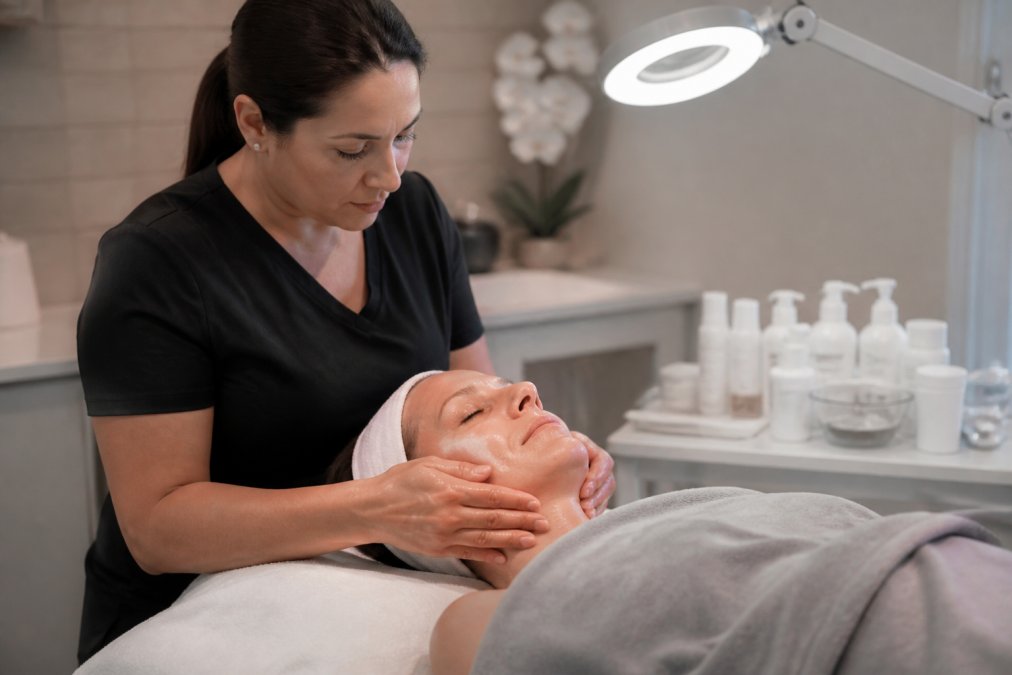
Professional corrective facials target wrinkles through controlled exfoliation, deep hydration, and stimulation of collagen production. Unlike generic facials, corrective facials are clinical treatments customized to your specific skin type and concerns, making them far more effective than one-size-fits-all approaches.
What Makes a Facial "Corrective"
A corrective facial actively remodels skin texture and stimulates collagen production using higher concentrations of active ingredients, longer contact times, and professional-grade equipment unavailable over-the-counter.
Common corrective facial types include:
- Microdermabrasion facials: Physical exfoliation using diamond-tipped abrasion to remove dead skin and stimulate collagen. Minimal downtime.
- Chemical exfoliation facials: Glycolic acid (AHA), salicylic acid (BHA), or TCA peels dissolve bonds between dead skin cells. Depth varies from light to medium, affecting downtime and results.
- Enzyme peel facials: Proteolytic enzymes gently digest dead skin. Gentler than chemical peels; suitable for sensitive skin.
- Hydrating and plumping facials: High-concentration hyaluronic acid, peptides, and growth factors infused via microcurrent or ultrasound. Results are immediate but temporary (3-7 days).
- Combination facials: Layer multiple mechanisms for more dramatic results but require longer recovery.
The Personalization Factor: Why Professional Analysis Matters
A thorough skin analysis determines which treatment pathway delivers the best results. The specialist examines your skin's condition, identifies problem areas, assesses barrier integrity, and selects ingredients matched to your needs. This prevents overly aggressive treatments that can cause irritation and barrier damage on sensitive skin.
Professional analysis also identifies contraindications, active rosacea, recent retinoid use, or certain medications, that would make certain treatments risky.
How Corrective Facials Work: The Mechanism
Corrective facials accelerate epidermal turnover, which naturally declines with age. Your skin naturally sheds dead cells every 28-30 days; by age 50, this cycle slows to 40-50 days (peer-reviewed research). Exfoliation speeds this process back to 14-21 days, revealing fresher skin and reducing fine line appearance.
The treatment also increases blood flow and stimulates fibroblasts, the cells responsible for collagen and elastin production. Most practitioners recommend a series of 4-6 treatments spaced 4-6 weeks apart for optimal results, though improvement is visible after a single session.
Timeline and Realistic Expectations
Results vary by treatment type:
- Light facials: Immediate glow and fine line reduction lasting 3-7 days; cumulative improvement over 6-8 weeks of monthly treatments.
- Medium facials: Visible improvement in texture and fine lines within 3-5 days; mild redness may occur for 1-3 days. Cumulative results over 8-12 weeks.
- Combination facials: 20-30% reduction in fine line appearance with 3-5 days of visible peeling and redness. Results continue improving over 3-6 months.
Most people see dramatic results between treatments 3-6 as collagen production compounds. Results plateau without maintenance; most practitioners recommend ongoing treatments every 4-8 weeks.
Aftercare and Downtime
Light facials require minimal aftercare: moisturize, use sunscreen, and avoid active ingredients for 24 hours. Medium and deeper facials require more attention. Your specialist will recommend a simple routine: gentle cleanser, hydrating serum, barrier-supporting moisturizer, and broad-spectrum SPF 30+. Avoid exfoliating products, retinoids, and direct sun exposure for 3-7 days post-treatment.
Consistency is key: skipping sunscreen or using harsh products can trigger irritation and undo benefits.
The Psychology of Professional vs. At-Home: Why People Choose Facials
Professional treatments deliver faster, more dramatic results because they use higher concentrations and professional-grade equipment.
Professional treatments also create accountability and structure. Booking appointments every 4-6 weeks ensures consistent care; many people abandon at-home routines after weeks of use.
The most effective approach combines both: professional corrective facials every 4-6 weeks paired with a consistent at-home routine of retinoids and vitamin C. This hybrid strategy layers professional collagen stimulation with daily cellular turnover acceleration.
Best Anti-Aging Skincare Ingredients That Actually Work
The right topical ingredients can meaningfully reduce fine lines when applied consistently. The difference lies in concentration, formulation, and ingredient selection.
Retinoids and Topical Treatments
Retinoids are the gold standard for wrinkle reduction at home. These vitamin A derivatives accelerate cellular turnover and boost collagen synthesis. Retinol, retinaldehyde, and prescription retinoids (like tretinoin) all work, but differ in strength and speed.
Start with lower-strength retinol if your skin is sensitive or new to the ingredient. Begin with 2-3 times per week and gradually increase frequency, allowing your skin barrier to adapt. Expect visible improvements in fine lines within 8-12 weeks of consistent use.
Vitamin C and Antioxidants
Vitamin C serums protect against photoaging and support collagen production by neutralizing free radicals generated by UV exposure. A stable, well-formulated vitamin C serum applied each morning extends the benefits of your sunscreen.
Antioxidants like ferulic acid, vitamin E, and resveratrol work synergistically with vitamin C. Look for serums combining multiple antioxidants rather than relying on a single ingredient.
Hyaluronic Acid and Hydration
Hyaluronic acid holds up to 1,000 times its weight in water, plumping the skin and temporarily reducing fine line appearance (peer-reviewed research). While it doesn't permanently erase wrinkles, consistent hydration makes fine lines less noticeable and supports your skin barrier's ability to retain moisture.
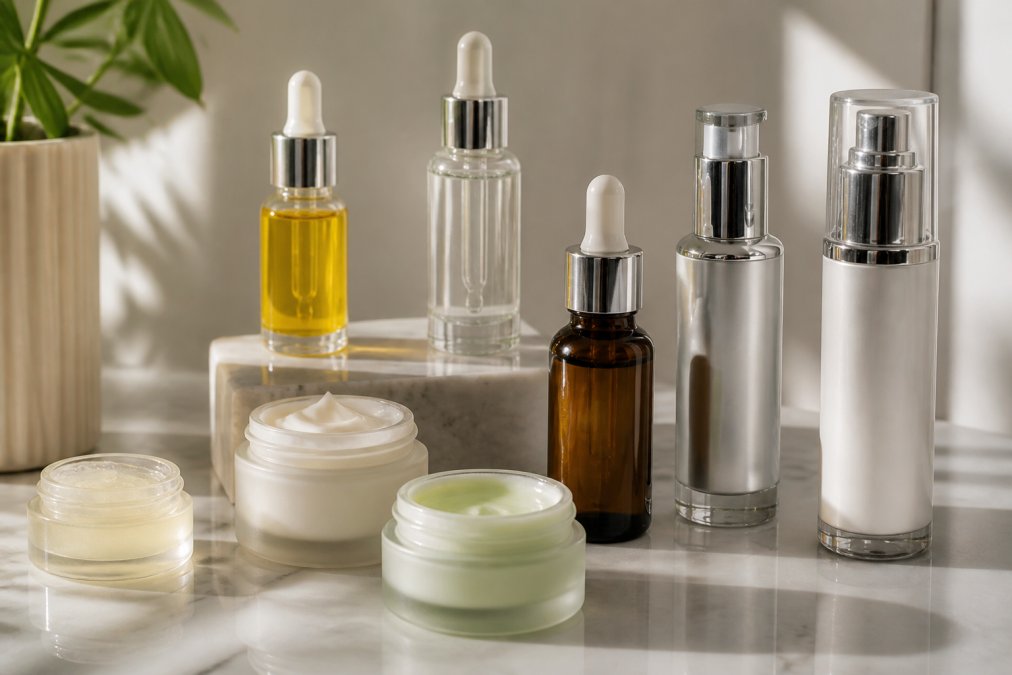
Apply hyaluronic acid to damp skin, then seal it with a lightweight moisturizer. Many people notice immediate improvement in fine line appearance after a single application.
Laser and Light-Based Skin Resurfacing Treatments
Laser treatments stimulate collagen remodeling by creating controlled micro-injuries in the dermis. The body responds by producing new collagen and elastin, gradually improving skin texture and reducing wrinkles. Fractional laser treatments are particularly effective because they target only a fraction of the skin at a time, allowing surrounding undamaged skin to support faster healing.
Lighter laser sessions may cause mild redness that fades within hours. More aggressive fractional laser treatments can produce visible peeling and redness for 3-5 days. Most people see noticeable improvements after a single session, with continued improvement over 3-6 months.
Radiofrequency (RF) treatments offer a gentler alternative. RF energy heats deeper skin layers, triggering collagen contraction and new collagen formation without creating visible wounds. Results develop more gradually but with virtually no downtime.
Light-based therapies like intense pulsed light (IPL) work well for addressing sun damage and fine lines simultaneously while stimulating collagen production.
Book your appointment today! →
Chemical Peels and Microdermabrasion for Skin Texture Improvement
Chemical peels use acids, glycolic, salicylic, or TCA, to dissolve bonds between dead skin cells, accelerating their removal. Lighter peels improve texture and fine lines with minimal downtime. Medium and deeper peels produce more dramatic results but require recovery time.
Glycolic acid peels are popular for maintenance and gradual improvement. A series of light peels every 2-4 weeks smooths fine lines, improves tone, and supports ongoing collagen stimulation.
Microdermabrasion works through physical exfoliation with tiny crystals or a diamond-tipped wand. It's gentler than chemical peels and suitable for sensitive skin types, improving texture and reducing fine line appearance.
How to Prevent Premature Skin Aging: Lifestyle and Daily Habits
Preventing wrinkles is far easier than erasing them. The habits you establish now determine your skin's condition in decades to come.
Sun Protection and UV Damage Prevention
Photoaging, damage from cumulative sun exposure, is responsible for approximately 80% of visible aging (peer-reviewed research). Daily broad-spectrum SPF 30 or higher is non-negotiable. Apply sunscreen generously, most people apply only 25-50% of the recommended amount, and reapply every 2 hours if outdoors.
Physical sunscreens with zinc oxide or titanium dioxide provide immediate protection. Beyond sunscreen, limit direct sun exposure during peak hours (10 AM to 4 PM) and wear protective clothing. People who prioritize sun protection consistently report fewer fine lines and less hyperpigmentation as they age.
Hydration: Separating Myth from Mechanism
Chronic dehydration impairs your skin's ability to repair itself and makes fine lines more pronounced. However, "drinking eight glasses of water daily prevents wrinkles" oversimplifies the science. Your skin's hydration depends primarily on your skin barrier's ability to retain moisture, not total water intake.
Drink enough water to maintain overall health (roughly half your body weight in ounces daily, adjusted for climate and activity), but recognize that topical hydrating ingredients like hyaluronic acid and ceramides are far more direct tools for addressing skin dehydration.
Diet: Collagen Support vs. Overstated Superfoods
Diet influences collagen production and skin inflammation. Dietary collagen is broken down into amino acids during digestion and doesn't directly become skin collagen. However, consuming adequate protein and specific amino acids (glycine, proline, and hydroxyproline) provides building blocks your body uses to synthesize new collagen.
Foods genuinely linked to skin health include omega-3 fatty acids (fish, flaxseed, walnuts), vitamin C sources (citrus, berries, leafy greens), antioxidant-rich foods (dark chocolate, green tea, colorful vegetables), and protein sources (eggs, legumes, poultry).
Excessive sugar accelerates glycation, where sugar molecules bind to collagen and elastin, making them stiff and less functional. Reducing refined carbohydrates and added sugars is more impactful than adding any single "superfood."
Sleep: The Underrated Collagen Factory
Sleep deprivation impairs your skin's ability to repair itself and increases cortisol, a stress hormone that breaks down collagen. During sleep, your body increases blood flow to the skin and rebuilds collagen. Chronic sleep deprivation (fewer than 6 hours nightly) measurably increases fine lines within weeks.
Aim for 7-9 hours nightly. Consistency matters more than timing; your skin adapts to a regular sleep schedule. People who maintain consistent sleep patterns report fewer fine lines and better response to professional treatments.
Stress Management: A Mechanism Worth Understanding
Chronic stress elevates cortisol, which breaks down collagen and impairs skin barrier function. However, occasional stress does not cause wrinkles. The issue is sustained elevation over months or years. Stress management supports skin health indirectly by improving sleep quality and reducing cortisol, but it is not a substitute for sun protection, retinoids, or professional treatments.
The Prevention Hierarchy
If you prioritize only three lifestyle factors for wrinkle prevention, focus on these in order:
- Sun protection (80% of visible aging prevention)
- Consistent sleep (supports collagen synthesis and barrier repair)
- Adequate protein and vitamin C intake (provides collagen-building materials)
These three have the strongest evidence base and produce measurable results.
Combining Treatments: What Works Best Together
The most dramatic results come from combining complementary treatments. A strategic approach layers different mechanisms to address wrinkles from multiple angles.
Start with professional corrective facials every 4-6 weeks, paired with a consistent at-home routine of retinoid and vitamin C serum. This approach combines professional collagen stimulation with daily cellular turnover acceleration and antioxidant protection. Many clients see significant wrinkle reduction within 3-4 months.
For more advanced aging concerns, add a laser or RF treatment to this foundation to accelerate results. Professional treatments create structural changes (new collagen and elastin), while daily skincare maintains those improvements and prevents new damage.
| Treatment Type | Mechanism | Timeline to Results | Best For |
|---|---|---|---|
| Professional corrective facials | Exfoliation + collagen stimulation | 4-6 weeks | Texture, fine lines, personalized concerns |
| Retinoids (at-home) | Cellular turnover + collagen synthesis | 8-12 weeks | Consistent, long-term wrinkle reduction |
| Vitamin C serum | Antioxidant protection + collagen support | 4-8 weeks | Prevention, brightening, texture |
| Laser/RF treatments | Dermal remodeling + collagen production | 4-12 weeks | Moderate to advanced wrinkles, significant results |
| Chemical peels | Accelerated exfoliation + collagen stimulation | 2-4 weeks per series | Fine lines, texture, maintenance |
| Hyaluronic acid | Hydration + temporary plumping | 1-7 days | Immediate fine line reduction, ongoing hydration |
Avoid combining treatments that are too aggressive simultaneously. Space treatments 2-4 weeks apart to allow your skin to recover and adapt.
Sun protection is non-negotiable regardless of which treatments you choose. All anti-aging efforts are undermined by continued UV exposure.
Getting rid of wrinkles without botox requires a multi-layered approach, but the results are achievable and often exceed expectations. Professional corrective facials combined with targeted skincare ingredients and preventative habits create lasting improvements in skin texture, elasticity, and wrinkle appearance. Skin Solutions by 2 Divas specializes in custom corrective facials designed around your unique skin analysis, identifying your specific concerns and creating a personalized treatment plan with high-quality ingredients. Book your appointment today to experience how a tailored approach to skin rejuvenation can transform your results and help you feel confident in your natural glow.
Frequently Asked Questions
Q: What can I do instead of Botox for wrinkles?
A: Several effective alternatives exist. Professional corrective facials with targeted treatments improve skin texture and collagen production. Topical retinoids, vitamin C serums, and hyaluronic acid boost skin elasticity from the surface. Laser skin resurfacing and chemical peels trigger dermal remodeling for deeper results. Combining a consistent skincare routine with sun protection prevents further photoaging. Your best approach depends on wrinkle severity and skin type.
Q: Do professional facials help reduce the appearance of fine lines?
A: Yes. Professional corrective facials accelerate epidermal turnover and stimulate collagen production through targeted treatments and high-quality ingredients. A thorough skin analysis allows specialists to customize treatments for your specific concerns. Results improve with consistent sessions, as each treatment builds on the last. Many clients see visible improvements in skin texture and fine line appearance with regular facials combined with a proper at-home skincare routine.
Q: Which skincare ingredients are most effective for anti-aging?
A: The best anti-aging skincare ingredients include topical retinoids, which boost cellular turnover and collagen production; vitamin C serum, a powerful antioxidant that protects against photoaging; hyaluronic acid, which restores hydration levels and skin elasticity; and niacinamide, which strengthens the skin barrier. Sunscreen with a high SPF is non-negotiable for preventing further sun damage. Combining these ingredients in a dermatologist-recommended routine maximizes results. Professional facials often incorporate these ingredients at higher concentrations for faster, more visible outcomes.
Q: How can I prevent premature skin aging?
A: Prevention starts with sun protection, use SPF 30 or higher daily to block UV damage that causes photoaging. Maintain consistent hydration by drinking water and using hydrating serums and moisturizers. Prioritize sleep, as cellular repair accelerates during rest. Eat a diet rich in antioxidants to combat free radical damage. Avoid smoking and excessive alcohol, both of which damage skin elasticity. Establish a skincare routine with retinoids and vitamin C. Regular professional corrective facials support long-term skin health by maintaining collagen levels and addressing early signs of aging before they deepen.
This article was written using GrandRanker