 how-to
How to Get Rid of Acne Scars Fast: 7 Proven Methods
Table of Contents
- Understanding Acne Scars: PIE vs. PIH and Why It Matters
- Topical Treatments and Serums for Acne Scars
- How Long Does It Take to Fade Acne Scars
- Best Professional Treatments for Acne Scars
- Custom Corrective Facials for Acne: A Personalized Approach
- Sunscreen and Skin Barrier Health During Scar Treatment
- Common Mistakes to Avoid When Treating Acne Scars
- Frequently Asked Questions
Last Updated: August 22, 2026
Understanding Acne Scars: PIE vs. PIH and Why It Matters
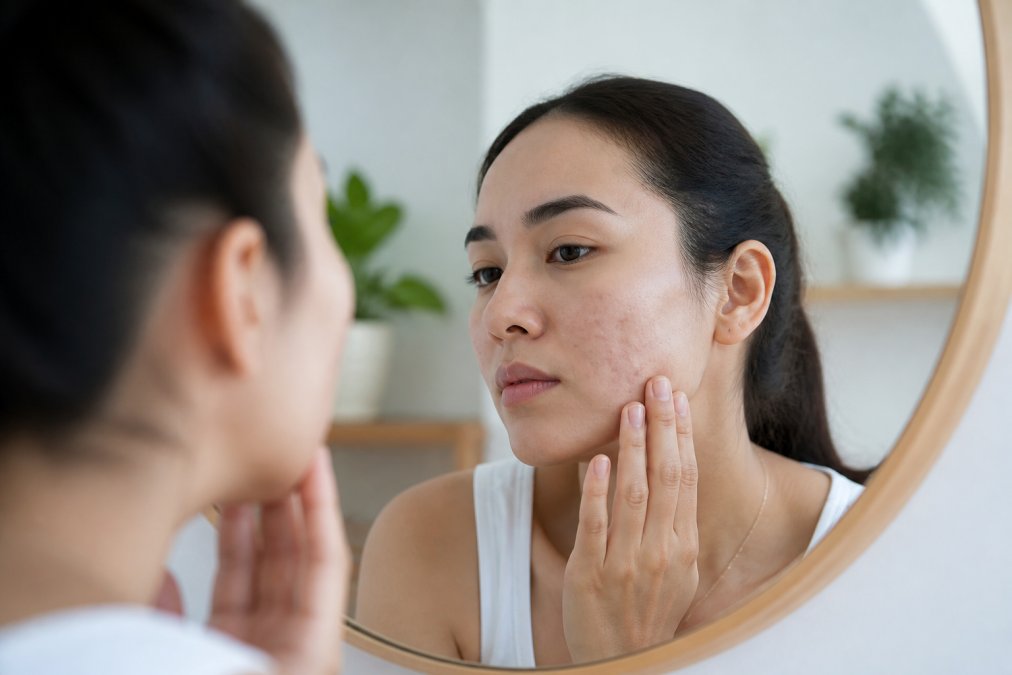
Not all marks left behind by acne are the same. Post-inflammatory erythema (PIE) appears as red or pink discoloration lasting months or years (peer-reviewed research). Post-inflammatory hyperpigmentation (PIH) shows up as darker patches where excess melanin formed in response to inflammation. Understanding which one you have fundamentally changes your treatment approach.
PIE occurs when blood vessels remain dilated after acne heals, making skin look inflamed despite the breakout being gone. It typically fades in 6-12 months but can persist longer. PIH involves actual melanin deposits and is more common in deeper skin tones, taking 6-24 months to fade naturally.
Treatment options overlap but aren't identical. Sunscreen helps both by preventing further darkening. Retinoids accelerate cell turnover, benefiting PIH more directly. Professional procedures like laser resurfacing target the vascular component of PIE while addressing hyperpigmentation. At Skin Solutions by 2 Divas, we conduct thorough skin analyses to identify your condition and build a targeted treatment plan.
Topical Treatments and Serums for Acne Scars
Topical treatments form the foundation of any scar-fading regimen. They're accessible, affordable, and genuinely effective for early-stage marks when chosen correctly.
Retinoids remain the gold standard for accelerating skin cell turnover. Start with 0.025% concentration and increase gradually to minimize irritation (the American Academy of Dermatology). Most people see noticeable improvement in 8-12 weeks of consistent use. Prescription-strength retinoids work faster than over-the-counter alternatives, but both are effective with patience.
Vitamin C serums brighten hyperpigmented areas and support collagen production. Look for serums in opaque packaging to ensure stability. Apply in the morning before sunscreen. Results take 4-8 weeks to become visible with consistent three-month use.
Niacinamide strengthens your skin barrier while reducing inflammation. It's gentler than retinoids, making it ideal for sensitive skin. Use it morning and night, and it pairs well with other actives without conflict.
Hydroquinone directly inhibits melanin production, making it the most targeted option for post-inflammatory hyperpigmentation. Prescription-strength at 4% concentration works best when combined with a retinoid and sunscreen (the FDA). Use consistently for 3-4 months to see meaningful fading.
Glycolic acid exfoliates chemically, removing dead skin cells. For scars, it's more effective than salicylic acid because it addresses overall texture and discoloration. Use 2-3 times weekly, starting at 5-7% and increasing gradually.
How Long Does It Take to Fade Acne Scars
Patience is essential. Most people expect results in weeks; realistic timelines stretch into months.
Topical treatments typically require 8-12 weeks before meaningful improvement, and 3-6 months for substantial fading with consistent daily use. Hyperpigmented marks fade faster than textural scars because you're speeding up a natural process. Textural scars take longer because they require actual tissue remodeling.
Post-inflammatory erythema fades fastest, resolving within 6-12 months without treatment. Post-inflammatory hyperpigmentation typically takes 6-24 months to fade naturally, depending on skin tone and mark intensity. Deeper skin tones see slower natural fading, making professional treatment more valuable.
Professional treatments compress timelines dramatically. A single laser resurfacing session can produce results that topical treatments would take 6-12 months to achieve. Microneedling initiates collagen remodeling that continues improving for months after the procedure. Most people need 3-6 sessions spaced 4-6 weeks apart.
Consistency matters most. Someone using retinoid three times weekly sees results in 4-5 months; daily use produces similar results in 2-3 months. Combining topical treatments with professional procedures accelerates results further.
Best Professional Treatments for Acne Scars
Professional treatments deliver faster, more dramatic results than topicals alone through different mechanisms.
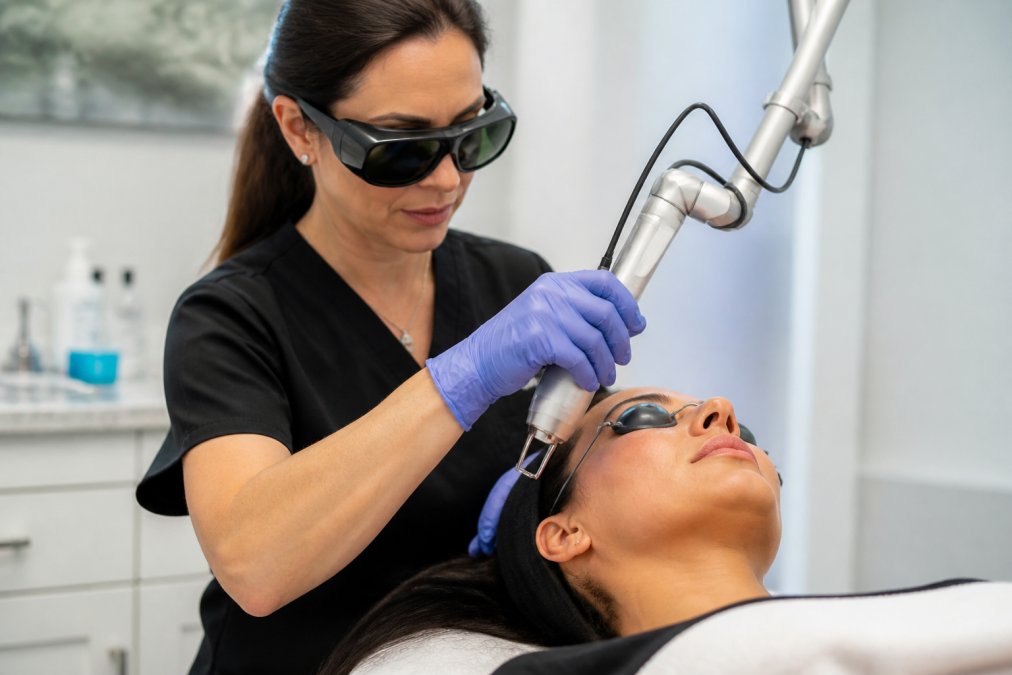
Laser resurfacing removes damaged outer skin layers, triggering collagen remodeling beneath. Ablative lasers (CO2, erbium) vaporize tissue and produce dramatic results but require 7-10 days of visible redness and peeling. Non-ablative lasers require less recovery but produce more modest results. Most people need 3-5 sessions with results continuing to improve for 6-12 months.
Microneedling creates controlled micro-injuries triggering collagen production. It's effective for atrophic scars and textural irregularities with minimal recovery, redness fading within 24 hours. Most people need 4-6 sessions spaced 4-6 weeks apart, with results becoming visible after 2-3 sessions.
Chemical peels dissolve the damaged outer skin layer. Superficial peels address discoloration and mild texture. Medium peels reach deeper for more pronounced scars. Most people benefit from a series of medium-depth peels rather than a single deep peel.
Subcision breaks up scar tissue beneath the skin surface, allowing depressed areas to rise. This works particularly well for rolling scars and is often combined with microneedling or laser for optimal results.
TCA CROSS applies concentrated acid directly to individual scars, working well for ice-pick scars. The treated area forms a crust falling off in 7-10 days, revealing new skin with results continuing to improve for months.
Dermal fillers provide immediate improvement for depressed scars by adding volume. Results are temporary (6-12 months) but offer instant gratification while waiting for collagen-stimulating treatments to work.
The most effective approach often combines multiple treatments addressing discoloration, texture, depression, and depth simultaneously.
Custom Corrective Facials for Acne: A Personalized Approach
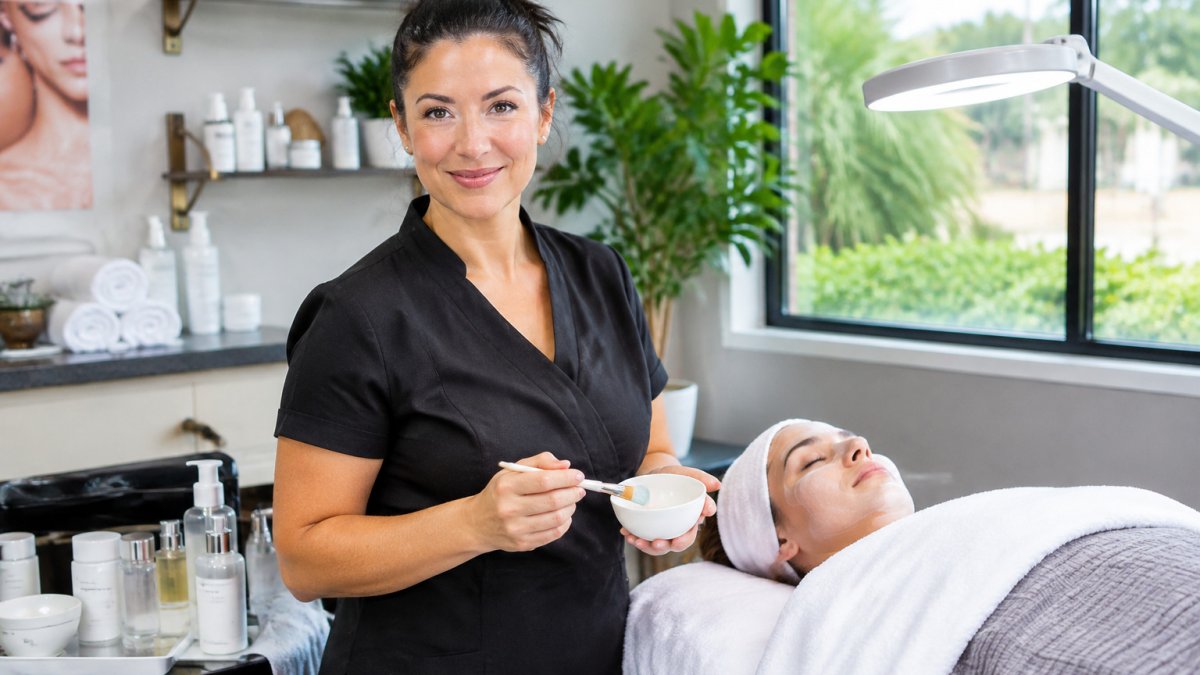
Generic facials treat everyone the same. Custom corrective facials start with thorough analysis of your specific concerns, then tailor every step to address your individual needs.
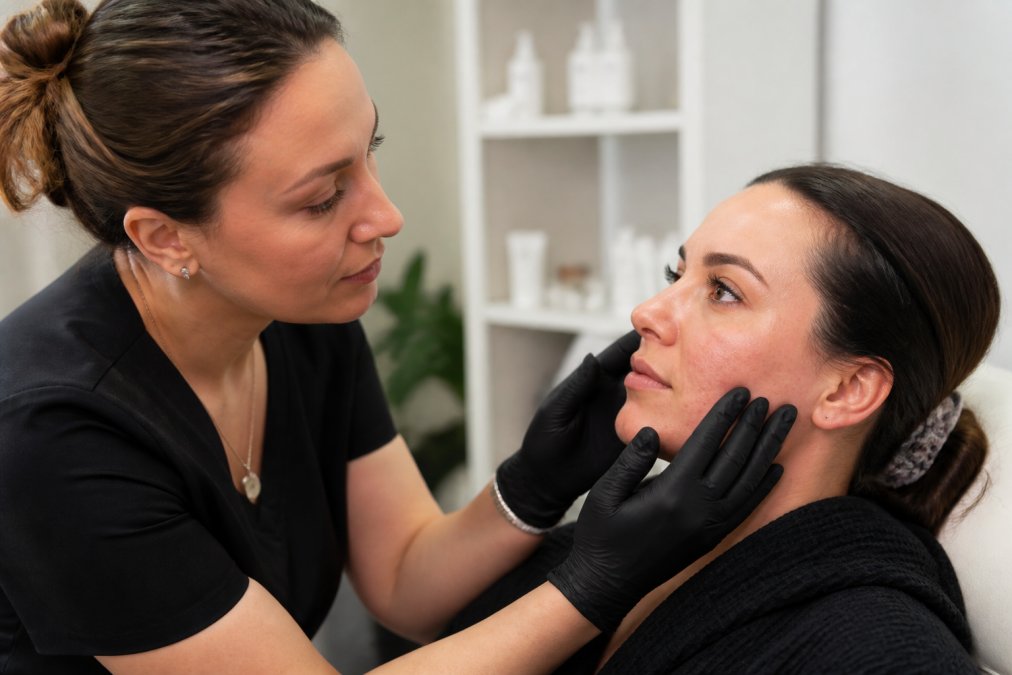
A proper skin analysis identifies your scar types, active breakout patterns, skin barrier health, and ingredient tolerance. This takes 15-20 minutes of careful examination and is foundational to whether treatment actually works.
Book your appointment today! →
Once analyzed, a corrective facial uses clinical-grade ingredients selected specifically for your skin. If you have post-inflammatory hyperpigmentation, brightening agents are prioritized. If you have textural scars, exfoliating ingredients are incorporated. If your skin barrier is compromised, hydrating and strengthening ingredients take precedence. The treatment adapts to what your skin actually needs.
Application technique matters as much as ingredients. Proper extraction removes congestion without damaging the skin barrier. Targeted massage improves circulation and lymphatic drainage. Precise timing ensures active ingredients penetrate effectively.
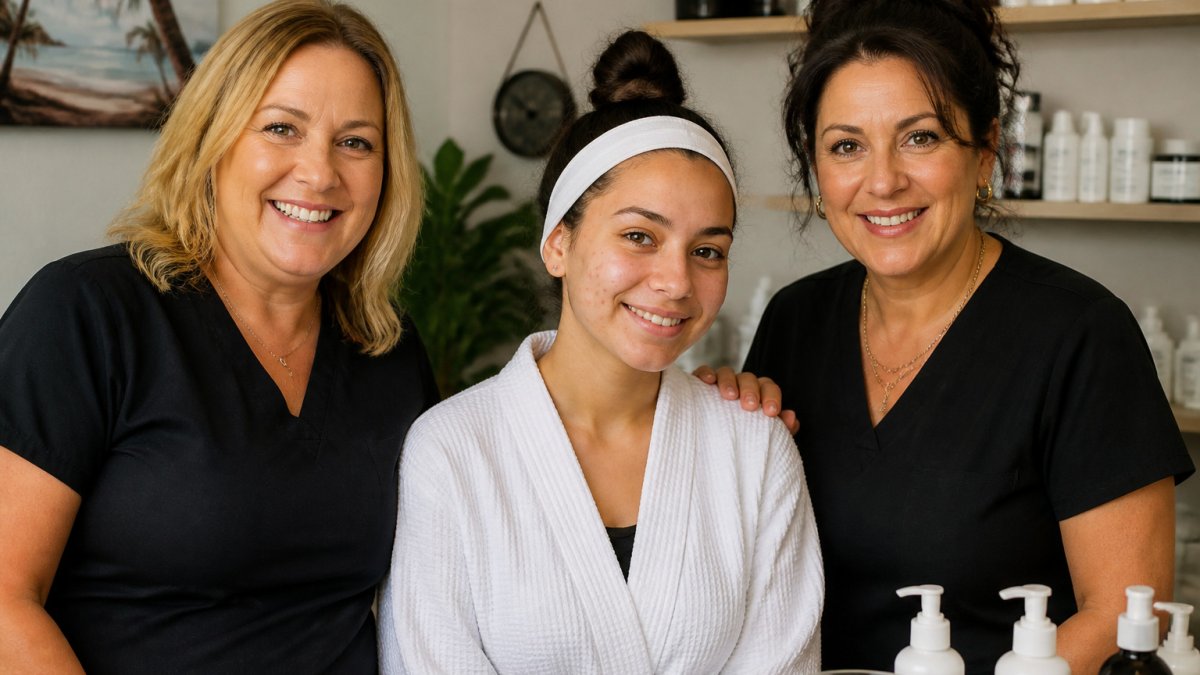
Skin Solutions by 2 Divas specializes in this personalized approach. Our specialists conduct thorough analyses, identify your specific concerns, and create customized treatment plans. We use high-quality ingredients selected specifically for your skin type and concerns.
Corrective facials typically show immediate results with smoother texture and brighter appearance. More significant improvements in scarring and hyperpigmentation emerge over 4-8 weeks as skin cells turn over. Most people benefit from monthly facials initially, then spacing them out as their skin improves.
Sunscreen and Skin Barrier Health During Scar Treatment
Sunscreen is essential during scar treatment. Active treatment makes your skin more vulnerable to UV damage, which can darken hyperpigmented marks and slow healing. Use SPF 30 minimum; SPF 50 is better. Reapply every two hours if outdoors.
UV exposure darkens post-inflammatory hyperpigmentation significantly. What would fade in a year can remain noticeably dark with repeated sun exposure. Consistent, generous sunscreen application is critical.
Your skin barrier becomes compromised during active scar treatment, especially with professional procedures or strong topicals. Repair it using gentle cleansers, hydrating serums, and barrier-supporting moisturizers containing ceramides and niacinamide.
Avoid over-exfoliating while treating scars. One exfoliating treatment weekly is reasonable; daily exfoliation damages your barrier. If using a retinoid, that's your primary exfoliation. Skip at-home exfoliation for at least a week after professional treatments.
Hydration supports healing. Drink adequate water and use hydrating serums and moisturizers. Well-hydrated skin heals faster and responds better to treatment.
Common Mistakes to Avoid When Treating Acne Scars
Expecting overnight results. Scars take months to fade with topical treatments. Commit to 8-12 weeks minimum before reassessing.
Mixing too many actives at once. Start with one active ingredient for 4-6 weeks, then add another if needed. More ingredients usually means irritation that slows progress.
Skipping sunscreen. UV exposure darkens hyperpigmentation and triggers new breakouts. Use SPF 50 daily, non-negotiable.
Using the wrong treatment for your scar type. Someone with depressed scars needs microneedling, not brightening serums. Professional consultation clarifies what you're treating.
Treating without addressing active breakouts. Stabilize breakouts first, then focus on fading existing scars. New breakouts create new scars.
Inconsistency. Daily retinoid use produces results in two months; three-times-weekly use takes five months. Consistency compounds.
Choosing price over expertise. Professional expertise matters. A specialist who analyzes your skin and customizes treatment produces better results than generic protocols.
Ignoring skin barrier health. Repair your barrier with hydrating serums, ceramide-rich moisturizers, and gentle cleansing. Barrier health is foundational to effective treatment.
Getting rid of acne scars fast requires understanding what you're treating, choosing the right approach for your scar type, and maintaining consistency long enough for results to appear. Topical treatments work but demand patience. Professional treatments compress timelines but require investment. The most effective strategy combines both.
Skin Solutions by 2 Divas offers custom corrective facials designed specifically for acne scars, hyperpigmentation, and skin texture concerns. Our specialists conduct thorough skin analyses to identify your exact needs, then create personalized treatment plans using clinical-grade ingredients and proven techniques. Book your appointment today and discover how a truly personalized approach transforms your skin.
Frequently Asked Questions
What's the difference between acne marks and acne scars?
Acne marks include post-inflammatory hyperpigmentation (PIH), which are discolored spots that fade over time, and post-inflammatory erythema (PIE), which are red marks from inflammation. True acne scars are permanent indentations or raised tissue caused by collagen loss or overproduction during healing. Marks typically fade within 6-12 months, while scars require professional treatment to improve. Understanding which type you have determines the best treatment approach.
How long does it take to fade acne scars with professional treatment?
Recovery timelines depend on the treatment type. Topical treatments show subtle improvement over 8-12 weeks of consistent use. Chemical peels and microneedling require 2-4 weeks of healing, with visible results appearing after 4-8 weeks. Laser resurfacing may need 3-6 months for full results. Most people benefit from multiple sessions spaced 4-6 weeks apart. Results compound over time as collagen production increases and skin texture improves.
Do over-the-counter creams actually work for deep acne scars?
Over-the-counter topical treatments can improve mild surface scarring and discoloration through ingredients like retinoids, vitamin C, niacinamide, and glycolic acid, which support skin cell turnover and collagen production. However, they have limited effectiveness on deep or atrophic scars because they don't penetrate deeply enough to trigger significant dermal remodeling. For deep scars, professional treatments like microneedling, laser resurfacing, or subcision are more effective, though combining professional treatments with quality topicals enhances overall results.
Are acne scar treatments different for darker skin tones?
Yes. Darker skin tones are more prone to post-inflammatory hyperpigmentation and keloid formation, so treatment selection matters. Laser treatments require careful wavelength selection to avoid burns or discoloration. Chemical peels should be gentler and shorter in duration. Microneedling is generally safer for all skin tones. A dermatologist experienced with treating diverse skin types should evaluate your specific scars and recommend the safest, most effective approach for your complexion.
This article was written using GrandRanker