 how-to
How to Fix Hyperpigmentation Safely: A Step-by-Step Guide
Table of Contents
- What Is Hyperpigmentation and Why It Matters
- Common Causes of Dark Spots and Discoloration
- Best Ingredients for Hyperpigmentation Treatment
- How Long Does It Take to Fade Dark Spots
- Sunscreen for Hyperpigmentation: Prevention and Protection
- Professional Procedures to Fix Hyperpigmentation Safely
- Hyperpigmentation Treatment for Dark Skin Tones
- Building a Safe At-Home Routine and Avoiding Common Mistakes
- Frequently Asked Questions
Last Updated: August 4, 2026
What Is Hyperpigmentation and Why It Matters
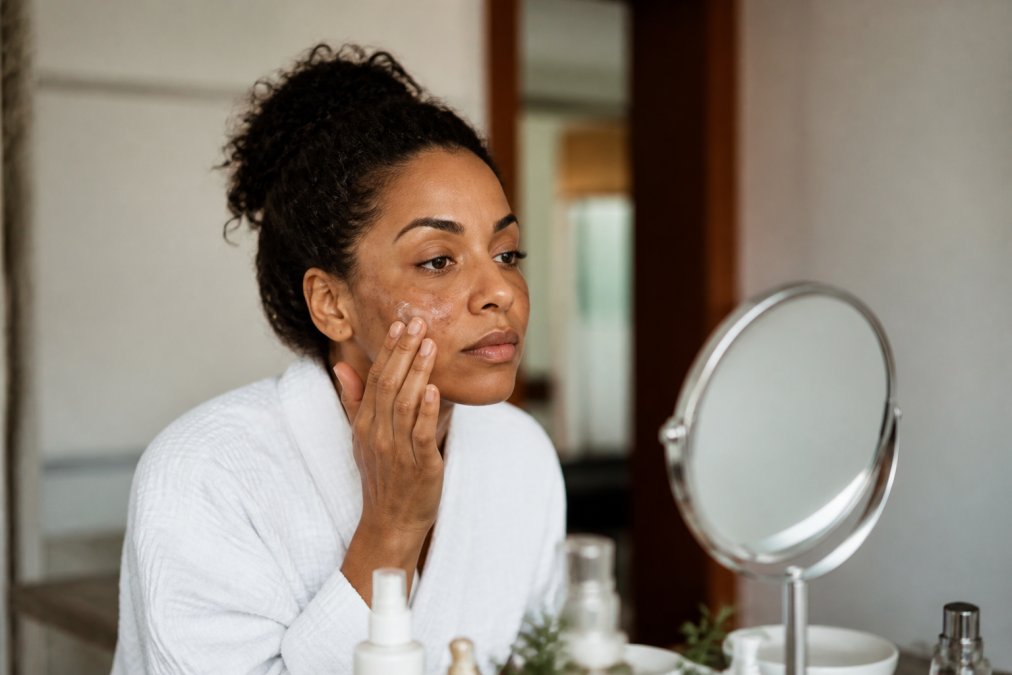
Hyperpigmentation occurs when excess melanin production causes dark patches, spots, or discoloration on the skin. This condition affects millions across all skin tones, though visibility and treatment approaches differ significantly by skin type. Dark spots develop from sun exposure, hormonal changes, inflammation, or skin injury, and they're often resistant to standard skincare routines.
The good news: hyperpigmentation is highly treatable with the right combination of prevention, topical therapy, and professional intervention. Most people see meaningful improvement within 8-12 weeks of consistent treatment.
Common Causes of Dark Spots and Discoloration
Sun damage represents the most common culprit, creating solar lentigines (age spots) through cumulative UV exposure. Post-inflammatory hyperpigmentation (PIH) follows acne, eczema, psoriasis, or skin injury, and is particularly common in darker skin tones where inflammation triggers stronger melanin production.
Melasma presents as larger patches of symmetric discoloration on the cheeks, bridge of nose, forehead, or upper lip, triggered by hormonal changes, pregnancy, oral contraceptives, or hormone replacement therapy in genetically predisposed individuals. Drug-induced hyperpigmentation can result from certain medications including antimalarials and tetracyclines. Friction from tight clothing or repeated skin trauma can also create localized dark spots.
Understanding your cause matters because prevention strategies differ. Sun damage requires strict photoprotection. Hormonal melasma may stabilize with medication changes. Post-inflammatory hyperpigmentation often fades naturally but responds well to accelerating treatments.
Best Ingredients for Hyperpigmentation Treatment
Hydroquinone and Tyrosinase Inhibitors
Hydroquinone remains the gold standard for treating hyperpigmentation by directly inhibiting tyrosinase, the enzyme responsible for melanin production. Concentrations range from 2% (over-the-counter) to 4% (prescription-strength). Results typically appear within 4-6 weeks of consistent use, with significant lightening by 8-12 weeks. Many dermatologists recommend rotating hydroquinone with other ingredients to prevent irritation and ochronosis (a rare darkening effect from prolonged use).
Kojic acid and azelaic acid function as alternative tyrosinase inhibitors for those experiencing irritation from hydroquinone. Kojic acid is gentler and works well for sensitive skin. Azelaic acid provides dual benefits: it inhibits melanin production while addressing inflammation and rosacea, making it ideal for post-inflammatory hyperpigmentation.
Vitamin C, Kojic Acid, and Azelaic Acid
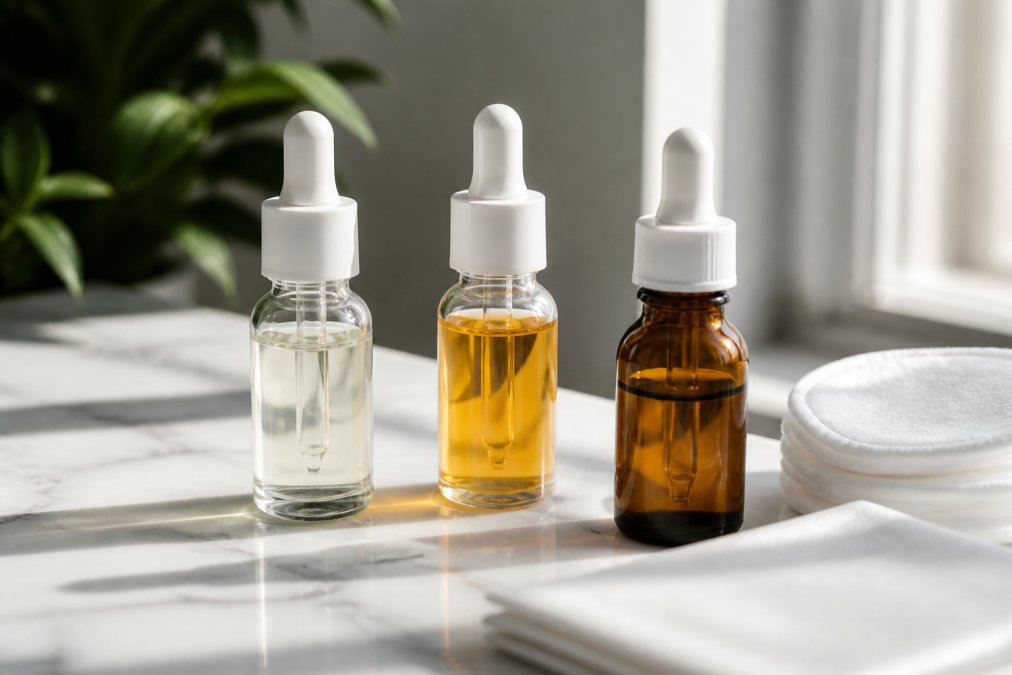
Vitamin C (L-ascorbic acid) brightens skin by reducing melanin production while providing antioxidant protection against future sun damage. Results appear gradually over 8-12 weeks, making it best suited for prevention and maintenance rather than rapid correction.
Kojic acid, derived from fungi, inhibits tyrosinase with a gentler profile than hydroquinone. Concentrations of 1-2% are standard in serums and creams. Azelaic acid deserves special attention for its unique dual action: it reduces melanin production while decreasing inflammation and bacterial growth, making it exceptionally valuable for post-inflammatory hyperpigmentation and particularly effective for melasma in darker skin tones.
Combining vitamin C with kojic acid, or pairing azelaic acid with niacinamide, often produces better results than single ingredients alone. However, layering too many actives creates irritation risk, so strategic sequencing is essential.
Niacinamide and Retinoids for Long-Term Results
Niacinamide (vitamin B3) strengthens the skin barrier while reducing melanin transfer to skin cells. This remarkably gentle ingredient is suitable for daily use even on sensitive skin at concentrations of 4-5%. Beyond fading existing hyperpigmentation, it prevents future melanin overproduction by regulating sebum production and reducing inflammation.
Retinoids represent the most versatile ingredient for skin aging and discoloration. They work through multiple pathways: increasing cell turnover to shed pigmented cells, stimulating collagen production, and inhibiting tyrosinase. Retinol (weakest), retinaldehyde (moderate), and tretinoin (prescription-strength) offer escalating potency. Starting with retinol or retinaldehyde is wise if new to retinoids. Tretinoin delivers the fastest results, with many people seeing meaningful improvement in 6-8 weeks, though it causes peeling, sensitivity, and requires strict sun protection.
Retinoids work best in evening routines and should never be combined with vitamin C, hydroquinone, or other strong actives in the same step. Allow 8-12 weeks for the skin barrier to adapt before introducing additional actives.
How Long Does It Take to Fade Dark Spots
The timeline for fading hyperpigmentation depends on type, depth, and treatment approach. Surface-level post-inflammatory hyperpigmentation often fades naturally within 3-6 months. Deeper melasma or solar lentigines require active treatment and typically show visible improvement within 8-12 weeks, with optimal results at 16-20 weeks.
Topical treatments work gradually because they must penetrate the skin barrier and accumulate in melanin-producing cells. Hydroquinone and retinoids show measurable lightening by week 4-6, with the most dramatic improvements between weeks 8-16. Professional procedures accelerate timelines significantly, chemical peels produce visible results within days to weeks, while laser therapy shows improvement after a single session with cumulative benefits over 3-6 monthly treatments.
The depth of pigmentation matters tremendously. Shallow post-inflammatory marks fade faster than deep melasma. Darker skin tones may experience longer treatment timelines because melanin production is naturally stronger. After achieving your desired lightness, ongoing sunscreen use and periodic retinoid application prevent recurrence.
Sunscreen for Hyperpigmentation: Prevention and Protection
Choosing the Right SPF and Broad-Spectrum Coverage
Sunscreen is non-negotiable when treating hyperpigmentation, it's simultaneously a treatment accelerator and recurrence preventer. UV exposure darkens existing spots and triggers new melanin production, undoing weeks of treatment progress. Dermatologists universally recommend SPF 30 minimum, though SPF 50 is standard in clinical hyperpigmentation protocols.
Broad-spectrum means protection against both UVA and UVB rays. UVB causes sunburn and direct DNA damage. UVA penetrates deeper, triggering melanin production and premature aging. Mineral sunscreens (zinc oxide, titanium dioxide) work immediately upon application and are often preferred for hyperpigmentation treatment because they're less irritating and provide immediate protection.
Daily sunscreen use during hyperpigmentation treatment is non-negotiable. Even brief sun exposure can trigger melanin production and counteract your treatment. Reapply every 2 hours, or immediately after swimming or sweating. Use a quarter-teaspoon for the face and neck combined.
Professional Procedures to Fix Hyperpigmentation Safely
Chemical Peels and Laser Therapy Options
Professional procedures accelerate hyperpigmentation correction by targeting melanin deposits directly or removing pigmented skin layers. Chemical peels use acids (glycolic, salicylic, TCA) to dissolve the outermost skin layers, shedding pigmented cells and stimulating collagen remodeling. Superficial peels (glycolic acid 20-30%) require minimal downtime and can be repeated weekly. Medium-depth peels (TCA 15-30%) produce more dramatic results but require 5-7 days of visible peeling and recovery.
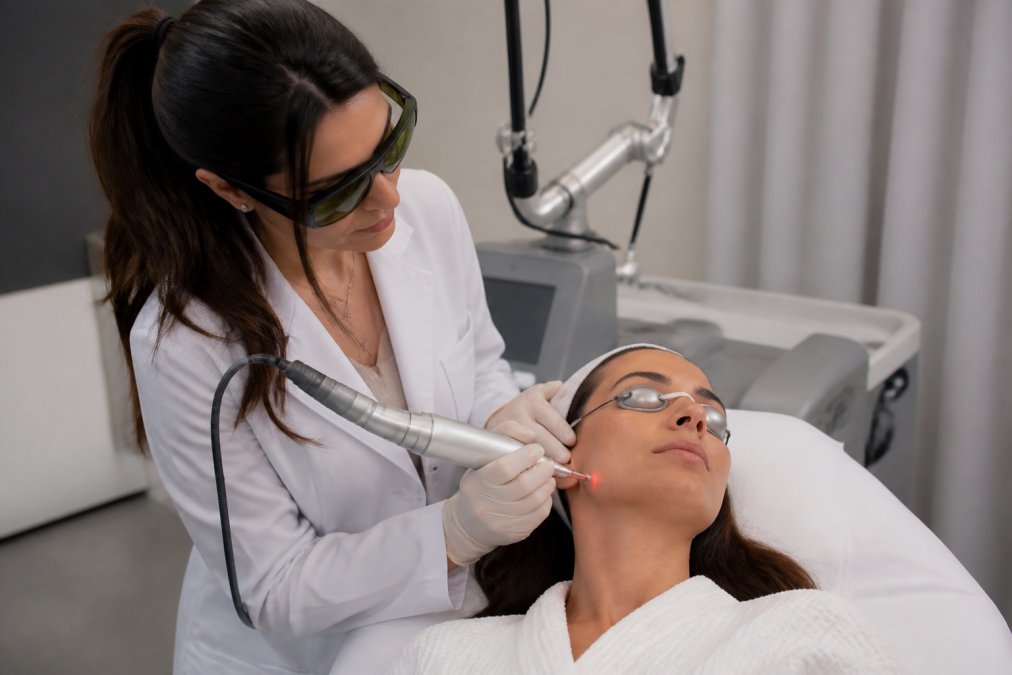
Laser therapy represents the most effective professional option for stubborn hyperpigmentation. Q-switched lasers emit short, high-energy pulses that shatter melanin particles into fragments small enough for the body to eliminate, often producing 50-80% lightening after a single session. Fractional laser technology divides the laser beam into thousands of microscopic columns, treating only a fraction of skin at a time, balancing efficacy with safety. Intense pulsed light (IPL) therapy uses broad-spectrum light to target melanin and works particularly well for sun damage and solar lentigines.
The choice between procedures depends on hyperpigmentation type, skin tone, and downtime tolerance. Melasma responds best to Q-switched lasers or chemical peels. Post-inflammatory hyperpigmentation often improves dramatically with fractional laser. Solar lentigines respond well to IPL or Q-switched lasers.
Post-Procedure Recovery Timelines and Aftercare
Recovery timelines vary dramatically by procedure type. Superficial chemical peels require 3-5 days of visible peeling but minimal pain or swelling. Medium-depth peels produce 7-10 days of significant peeling and redness. Laser procedures typically produce immediate redness and swelling lasting 2-4 hours post-treatment. Fractional laser creates visible micro-injuries that peel for 5-7 days. Q-switched laser may produce temporary darkening lasting 1-2 weeks before the melanin particles are eliminated, this is normal and indicates successful treatment.
Post-procedure care is critical for safety and results. Strict sun avoidance for 2 weeks post-treatment prevents UV-induced inflammation and pigmentation rebound. Sunscreen SPF 50+ is mandatory. Many dermatologists recommend hydrating serums, gentle cleansing, and avoiding active ingredients for 1-2 weeks to allow the skin barrier to recover.
Results from professional procedures often continue improving over 4-12 weeks as collagen remodels and the body clears melanin fragments. Many people require 2-4 sessions spaced 4-6 weeks apart for optimal results.
Hyperpigmentation Treatment for Dark Skin Tones
Treating hyperpigmentation in darker skin tones requires specialized knowledge because melanin production is naturally stronger and inflammation triggers stronger pigmentation responses. Post-inflammatory hyperpigmentation affects darker skin disproportionately, with minor breakouts leaving dark marks lasting months or years.
Many professional procedures carry higher risk in darker skin. Q-switched Nd:YAG lasers are safer than alexandrite or ruby lasers for darker skin. IPL carries higher risk of burns and should be approached cautiously. Topical treatments are often the safest first-line approach. Azelaic acid is particularly effective, addressing both melanin production and the inflammation that perpetuates PIH. Hydroquinone works well but requires careful monitoring for ochronosis. Rotating hydroquinone with other ingredients every 3-4 months minimizes this risk.
Chemical peels work well on darker skin when using appropriate acids and concentrations. Glycolic acid and lactic acid are gentler than TCA for darker skin tones. Practitioners experienced with darker skin are essential, as many dermatologists lack training in treating skin of color.
Building a Safe At-Home Routine and Avoiding Common Mistakes
Patch Testing and Ingredient Interactions
A safe hyperpigmentation routine begins with patch testing any new active ingredient. Apply a small amount to the inner arm or behind the ear and wait 24-48 hours before using on the face. Ingredient interactions create the biggest risk in at-home routines. Combining hydroquinone with vitamin C can cause irritation and reduced efficacy. Mixing retinoids with acids accelerates barrier disruption.
A safe sequencing approach separates strong actives into different routines. Use hydroquinone or retinoid at night, vitamin C in the morning. Allow 2-3 weeks between introducing new actives. Moisturizer and barrier support are non-negotiable, use a quality moisturizer with ceramides and hyaluronic acid after every active ingredient application.
Common mistakes derail progress faster than almost anything else. Overusing strong actives causes irritation without improving results. Skipping sunscreen during treatment undoes weeks of progress. Expecting overnight results leads to abandoning effective treatments too early. Switching products every 2 weeks prevents any ingredient from accumulating to therapeutic levels.
The Psychological Impact of Hyperpigmentation
The emotional toll of hyperpigmentation is often invisible to those without the condition. Visible skin discoloration affects how people perceive themselves and how they believe others perceive them. Research consistently shows that visible discoloration impacts quality of life as significantly as acne or eczema.
Understanding this context helps explain why consistency matters so much. People treating hyperpigmentation aren't just managing a cosmetic issue; they're reclaiming confidence and comfort in their own skin.
Hyperpigmentation is treatable, but success requires understanding your specific type, choosing appropriate treatments, and maintaining consistency through the entire process.
SKIN SOLUTIONS BY 2 DIVAS specializes in personalized corrective facials that address hyperpigmentation through thorough skin analysis and customized treatment plans. This comprehensive approach delivers the results that scattered product purchases simply cannot match. Book your appointment today to start your journey toward clearer, more radiant skin.
| Treatment Type | Timeline to Results | Best For | Downtime |
|---|---|---|---|
| Topical hydroquinone | 4-6 weeks visible, 12+ weeks optimal | All hyperpigmentation types | None |
| Retinoids | 8-12 weeks | Long-term improvement, prevention | Mild peeling, sensitivity |
| Chemical peels (superficial) | 3-5 days | Mild discoloration, maintenance | 3-5 days peeling |
| Laser therapy (Q-switched) | 1-4 sessions, 4-6 weeks apart | Stubborn melasma, sun damage | 1-2 weeks darkening, then clearing |
| Fractional laser | 4-6 sessions, 3-4 weeks apart | Post-inflammatory hyperpigmentation | 5-7 days peeling |
| Azelaic acid | 8-12 weeks | Post-inflammatory, melasma, sensitive skin | None |
EXTERNAL CITATIONS:
Research from the American Academy of Dermatology on melasma treatment guidelines emphasizes that combination therapy, topical treatments paired with professional procedures, produces superior results compared to single-modality approaches.
According to a 2026 systematic review of hyperpigmentation treatments in darker skin tones, azelaic acid demonstrates particular efficacy for post-inflammatory hyperpigmentation in individuals with skin of color, with response rates exceeding 60% at 16 weeks.
The Dermatologic Surgery journal's analysis of laser safety in darker skin types confirms that Q-switched Nd:YAG lasers carry significantly lower complication rates than alexandrite or ruby lasers when treating melasma in darker skin tones.
Frequently Asked Questions
What is the safest way to fix hyperpigmentation without damaging my skin?
The safest approach combines sun protection with proven topical treatments. Start with broad-spectrum SPF 30 or higher daily to prevent worsening. Use gentle ingredients like niacinamide or azelaic acid first, then gradually introduce stronger actives like vitamin C or retinoids once your skin barrier is stable. Always patch test new products on a small area for 48 hours before full application. If you have sensitive or reactive skin, consult a dermatologist before starting treatment to avoid irritation or post-inflammatory hyperpigmentation.
How long does it take to fade dark spots with topical treatments?
Results vary by treatment type and severity. Mild post-inflammatory hyperpigmentation may fade in 3-6 months with consistent sunscreen use and gentle exfoliation. Melasma and stubborn dark spots typically require 3-6 months of daily topical treatment with ingredients like hydroquinone or kojic acid to show visible improvement. Professional procedures like chemical peels or laser therapy can accelerate results to 4-8 weeks, though multiple sessions may be needed. Consistency matters more than speed; skipping treatment or sun protection resets progress.
Are there specific treatments that work best for hyperpigmentation on darker skin tones?
Yes. Darker skin tones are more prone to post-inflammatory hyperpigmentation from aggressive treatments, so gentler approaches work better. Azelaic acid, niacinamide, and vitamin C are excellent first-line options. Hydroquinone is effective but should be used cautiously and under professional guidance due to risks of ochronosis with prolonged use. Avoid overly aggressive chemical peels or laser treatments that can cause irritation. Fractional laser and professional procedures specifically designed for melanin-rich skin are safer choices. Always work with a dermatologist experienced in treating darker skin tones.
What should I do if my at-home hyperpigmentation treatment isn't working after 3 months?
If topical treatments show no improvement after consistent use for 3 months, schedule a dermatology consultation. You may need prescription-strength formulations, professional procedures like chemical peels or laser therapy, or a different diagnosis altogether (melasma requires different treatment than post-inflammatory hyperpigmentation). Your dermatologist can assess whether your skin barrier is compromised, if you need stronger actives, or if professional intervention is necessary. Don't increase product strength on your own; this can damage your skin barrier and worsen discoloration.
This article was written using GrandRanker