 how-to
How to Clear Skin After Hormonal Breakouts: 2026 Guide
Table of Contents
- Understanding Hormonal Breakouts and Why They Happen
- The Post-Breakout Recovery Routine: How to Clear Skin Step by Step
- How to Get Rid of Acne Scars Fast Without Irritation
- Post-Acne Hyperpigmentation Treatment That Works
- Lifestyle and Diet Changes to Prevent Future Breakouts
- Professional Corrective Facials for Acne Recovery
- When to See a Dermatologist or Skincare Professional
- Conclusion: Your Next Steps to Clearer Skin
- Frequently Asked Questions
Last Updated: September 10, 2026
Understanding Hormonal Breakouts and Why They Happen
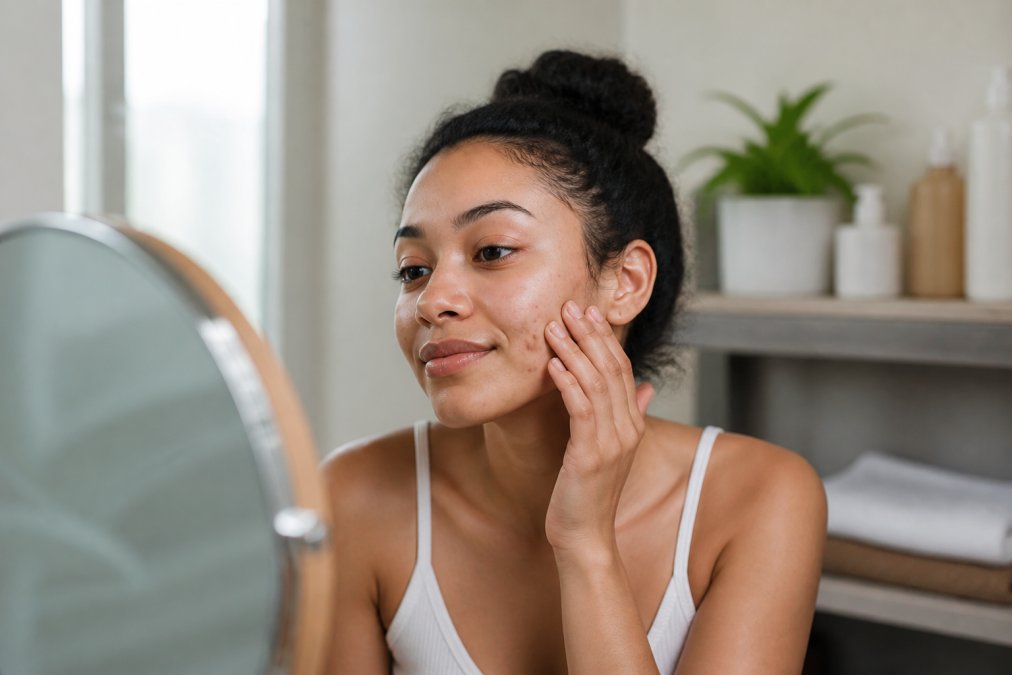
Hormonal breakouts are inflammatory acne lesions triggered by androgen fluctuations that ramp up sebum production inside the pores. If you want to know how to clear skin after hormonal breakouts, the recovery window matters more than the breakout itself.
Androgens stimulate the sebaceous glands to produce excess oil. That oil mixes with dead skin cells, plugs the follicle, and invites the bacteria that drive inflammation. The American Academy of Dermatology's acne resource center notes that this hormonal influence is why breakouts cluster on the lower face rather than the forehead.
Hormonal Acne vs. Other Acne Types
Hormonal acne is not the same as the occasional clogged pore. The difference comes down to location, timing, and depth.
- Hormonal acne: deep, cystic lesions along the jawline and chin, often flaring before a menstrual cycle
- Comedonal acne: surface-level blackheads and whiteheads from clogged pores
- Inflammatory acne: red, pus-filled papules and pustules across broader areas
The practical takeaway: hormonal breakouts sit deeper in the skin, so aggressive scrubbing makes them worse, not better.
The Post-Breakout Recovery Routine: How to Clear Skin Step by Step
The fastest path to clear skin after a hormonal breakout is a three-step recovery routine built around barrier repair, controlled exfoliation, and protection. This is not the moment for ten new products, but for consistency and restraint.
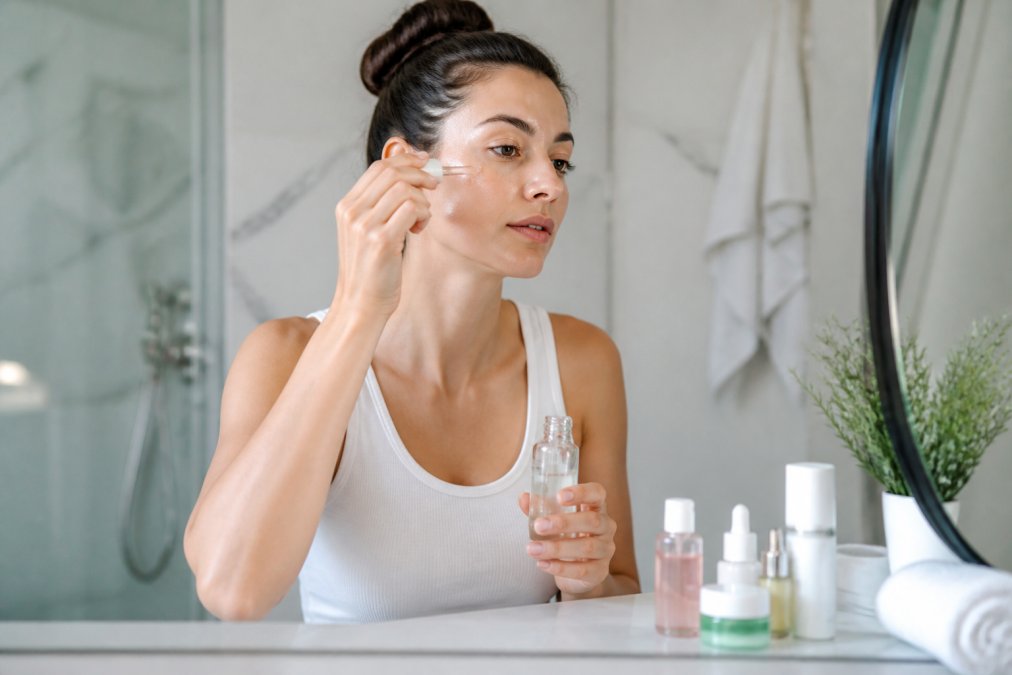
Step 1: Gentle Cleansing and Barrier Repair
Cleanse gently twice daily. Harsh scrubs strip the skin barrier, triggering more oil production and inflammation. Choose a non-comedogenic cleanser, then a barrier-supporting moisturizer.
What matters is the surfactant system, not the marketing. Most dermatologists recommend a low-pH, sulfate-free cleanser, look for "gentle," "hydrating," or "for sensitive skin" rather than "deep clean" or "purifying." A ceramide-based hydrating cleanser or a glycerin-rich cream cleanser both work if skin feels soft, not tight.
Barrier repair is where most people cut corners. The skin barrier is a lipid matrix of ceramides, cholesterol, and fatty acids; when compromised by over-washing, actives, or winter air, water escapes, irritants get in, and the follicle becomes more reactive. A fragrance-free moisturizer with ceramides, niacinamide, or panthenol supports that matrix. Apply within 60 seconds of cleansing, while skin is still damp.
Step 2: Active Ingredients That Speed Cell Turnover
Once the barrier is stable, introduce actives that accelerate cell turnover. Salicylic acid clears clogged pores, while glycolic acid and retinoids (vitamin A derivatives) speed turnover and prevent new plugs. Start with one active every other night, not all at once.
Here is how the main actives differ, so you can pick one instead of stacking three:
- Salicylic acid (BHA), oil-soluble, so it penetrates the pore lining where hormonal breakouts form. Over-the-counter concentrations run 0.5% to 2% (peer-reviewed research). Best for blackheads, whiteheads, and congested pores.
- Adapalene (a retinoid), available over the counter at 0.1% gel. It normalizes how follicular cells shed, which prevents the plug from forming in the first place. It is the closest over-the-counter analog to prescription tretinoin.
- Benzoyl peroxide, kills the bacteria involved in inflammatory acne. Concentrations of 2.5% to 5% work as well as 10% with less irritation. Best for red, inflamed papules.
- Azelaic acid, reduces inflammation and helps fade the dark marks left behind. Typically 10% over the counter, 15% to 20% by prescription.
- Glycolic acid (AHA), water-soluble, works on the surface. Useful for texture and dullness, less useful for deep hormonal lesions.
A pattern that works: adapalene at night, benzoyl peroxide as a short-contact spot treatment, azelaic acid in the morning if pigmentation is a concern. Introduce one at a time, two weeks apart, to tell what helps and what irritates.
Step 3: Spot Treatments and Sun Protection
Apply spot treatment only to active lesions, not the whole face. Then finish every morning with sun protection, because UV exposure darkens post-acne marks and undoes weeks of progress.
Broad-spectrum sunscreen at SPF 30 or higher, reapplied every two hours outdoors, is the most effective way to keep post-inflammatory hyperpigmentation from deepening. For acne-prone skin, look for "non-comedogenic" and "oil-free." Mineral formulas with zinc oxide or titanium dioxide are better tolerated during a flare; chemical formulas are lighter but can sting compromised skin.
| Step | What to Use | Frequency | Watch Out For |
|---|---|---|---|
| Gentle cleansing | Non-comedogenic, low-pH cleanser | Twice daily | Over-washing and stripping |
| Barrier repair | Fragrance-free ceramide moisturizer | Twice daily | Alcohol-based toners |
| Cell turnover | Adapalene 0.1% or salicylic acid 2% | Every other night | Stacking multiple actives |
| Spot treatment | Benzoyl peroxide 2.5% or azelaic acid 10% | As needed | Applying to clear skin |
| Protection | Broad-spectrum SPF 30+ | Every morning | Skipping on cloudy days |
Adjusting the Routine to Your Cycle Week
Hormonal breakouts follow a predictable arc, and your routine can follow it too.
- Days 1-5 (menstruation): skin is often calmer and drier. Favor barrier repair, gentle cleansing, and skip strong actives if skin feels reactive.
- Days 6-14 (follicular): estrogen rises and skin tolerates more. This is the best window to introduce or increase retinoids and exfoliation.
- Days 15-21 (ovulation to early luteal): oil production begins to climb. Add salicylic acid or a clay mask once or twice a week.
- Days 22-28 (late luteal): this is when jawline and chin breakouts typically appear. Switch to preventative spot care, a thin layer of benzoyl peroxide or azelaic acid on the usual breakout zones, rather than waiting for lesions to form.
How to Get Rid of Acne Scars Fast Without Irritation
Getting rid of acne scars fast requires treating two different problems: true scars and post-inflammatory marks. True scars are textural and take months to soften. Post-inflammatory hyperpigmentation is flat discoloration and fades faster with the right routine. Cleveland Clinic's overview of acne scars explains that most people who think they have scars actually have pigmentation, which is far easier to treat.
Do not pick or squeeze. Picking deepens inflammation and turns a two-week mark into a six-month one.
Post-Acne Hyperpigmentation Treatment That Works
Post-acne hyperpigmentation treatment works best when it combines daily prevention with professional correction: stop new pigment from forming while fading what is already there.
- Use broad-spectrum sun protection every single day
- Add vitamin C or niacinamide to your morning serum
- Introduce gentle exfoliation two to three times weekly
- Avoid picking, waxing, or harsh scrubs over healing marks
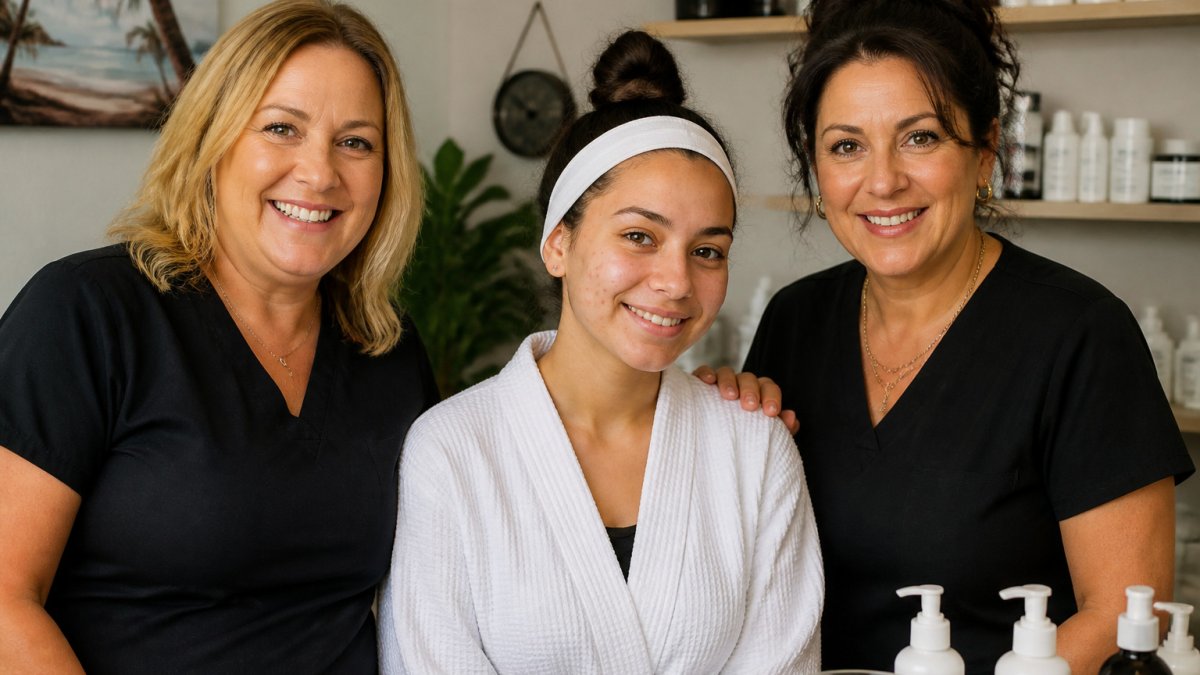
At SKIN SOLUTIONS BY 2 DIVAS, our thorough skin analysis separates active pigment from scarring before we recommend anything. That distinction decides whether a client needs a topical routine, a corrective facial, or both.
Book your appointment today! →
Lifestyle and Diet Changes to Prevent Future Breakouts
Lifestyle and dietary triggers influence how often hormonal breakouts return. Two changes make the biggest difference for most people: managing stress and watching high-glycemic foods.
Cortisol rises with chronic stress and drives oil production and inflammation, so consistent sleep, regular movement, and short wind-down routines help regulate the endocrine system. On the dietary side, high-glycemic foods and some dairy are common triggers; reduce added sugar first and track whether your skin responds.
The Dietary Triggers Worth Tracking
Not every food affects every person, but a few patterns show up repeatedly in clinical practice:
- High-glycemic foods, white bread, white rice, sugary drinks, and most breakfast cereals spike blood sugar and insulin. Insulin and insulin-like growth factor 1 (IGF-1) both stimulate sebum production and androgen activity, which is the same pathway hormonal breakouts already run on. Swapping refined carbohydrates for whole grains, legumes, and vegetables is the single most impactful dietary change for most people.
- Skim milk specifically, research on dairy and acne has pointed more consistently at skim milk than at full-fat dairy or cheese. The proposed mechanism involves the whey and casein proteins and the hormones naturally present in milk. If you drink several glasses of skim milk a day, cutting back is a reasonable experiment.
- Whey protein supplements, a common trigger in people who lift weights. If breakouts started around the same time as a new protein powder, that is worth investigating.
- Added sugar, the easiest first cut. Read labels; sugar hides in sauces, yogurt, and "healthy" granola.
A practical approach: change one variable at a time for four to six weeks. If you cut dairy and sugar simultaneously and your skin clears, you will not know which one mattered.
Stress, Sleep, and the Cortisol Connection
Cortisol directly influences sebum production and the inflammatory response. Chronic sleep deprivation and unrelenting stress both raise it; the goal is not to eliminate stress but to blunt the spikes.
What tends to help:
- Consistent sleep and wake times, seven to nine hours, same window daily, matters more than total hours alone.
- Regular movement, 20 to 30 minutes of moderate activity most days lowers baseline cortisol. Intense overtraining can raise it, so more is not always better.
- A short wind-down routine, 10 minutes of reading, stretching, or breathing before bed reduces the cortisol spike that otherwise carries into sleep.
- Limiting late-night screens, blue light and stimulating content delay sleep onset, which compounds the cycle.
Menstrual Cycle Tracking for Skin
Menstrual cycle tracking for skin is one of the most underused tools we recommend. Log your breakouts for two to three cycles alongside your cycle dates; most people find breakouts appear in the days before their period and settle once it starts. Once you can predict the flare, start preventative care a week early instead of reacting after the fact.
A simple method: note the date, location (jawline, chin, cheeks), and severity on a 1-to-5 scale. After two cycles, most people can plan around their pattern, increasing exfoliation in the follicular phase, adding preventative spot care in the late luteal phase, and easing off actives during menstruation.
Professional Corrective Facials for Acne Recovery
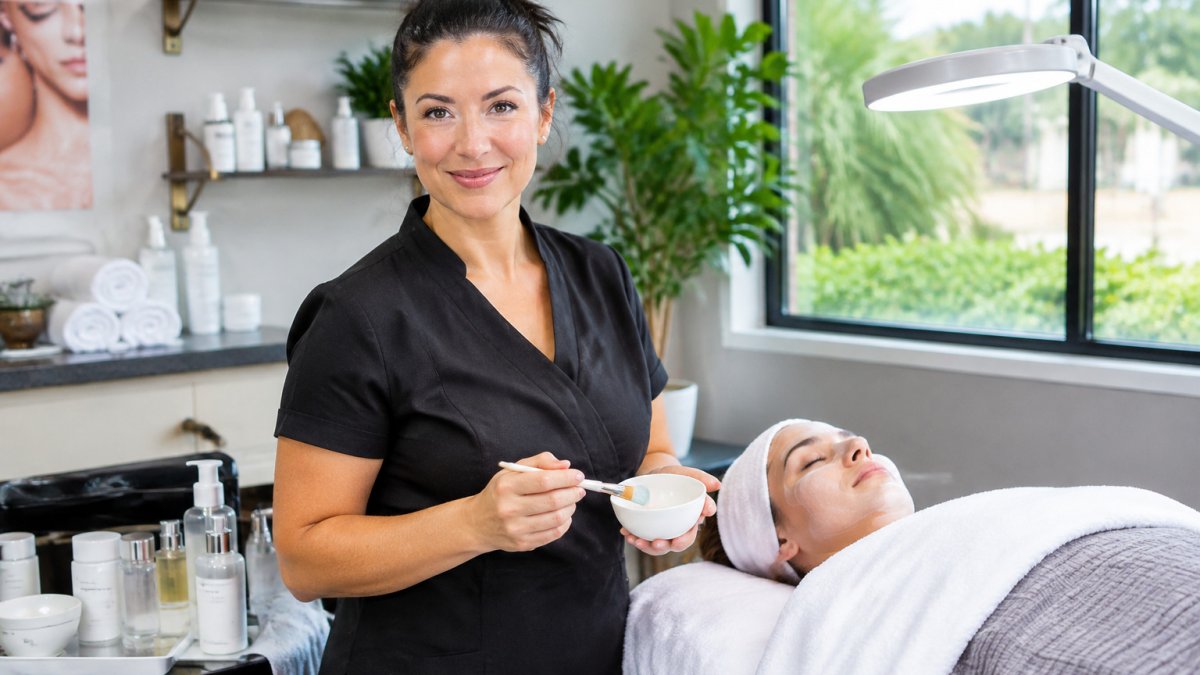
Professional corrective facials for acne recovery bridge the gap between home care and dermatology. A corrective facial combines deep cleansing, gentle exfoliation, and targeted ingredients based on a professional skin analysis.
Home routines maintain results; professional treatments accelerate them, especially for congestion and pigmentation that over-the-counter products cannot reach. After menopause, hormonal fluctuations shift again, and many individuals in their forties and fifties see new congestion.
When to See a Dermatologist or Skincare Professional
See a dermatologist or skincare professional when breakouts are deep, painful, or leave marks that linger for months. Persistent cystic acne, rapid scarring, and breakouts that do not respond to a consistent routine all warrant evaluation.
A dermatologist can prescribe stronger treatments when needed. A licensed esthetician handles ongoing maintenance, preventative care, and corrective work on pigmentation. Many people benefit from both.
Conclusion: Your Next Steps to Clearer Skin
Clearing skin after hormonal breakouts comes down to a calm, consistent routine, honest trigger tracking, and professional support when home care stalls. If product after product has failed you, the missing piece is usually a plan built around your actual skin, not a trend.
SKIN SOLUTIONS BY 2 DIVAS offers custom corrective facials, thorough skin analysis for every client, and a results-driven approach to skin rejuvenation, all by appointment for personalized care. Get started with SKIN SOLUTIONS BY 2 DIVAS and build a routine that finally clears your skin and keeps it clear.
Frequently Asked Questions
How long does it take for skin to clear after a hormonal breakout?
Most hormonal breakouts begin to fade within 3 to 7 days, but complete clearing can take 2 to 4 weeks depending on your skin's cell turnover rate and how consistently you follow a gentle routine. Using salicylic acid or retinoids can speed up the process by promoting dead skin cell shedding. If breakouts persist beyond 6 weeks, see a dermatologist or skincare professional for a personalized plan.
What ingredients help clear skin after hormonal breakouts?
Dermatologist-recommended ingredients include salicylic acid to unclog pores, glycolic acid to boost cell turnover, and retinoids (vitamin A derivatives) to regulate sebum production. Niacinamide calms inflammation, while non-comedogenic moisturizers repair the skin barrier. For post-acne hyperpigmentation treatment, look for vitamin C, azelaic acid, or tranexamic acid. Always introduce one active at a time and use sun protection daily to prevent dark spots from worsening.
Can professional corrective facials help with post-acne skin recovery?
Yes. Professional corrective facials for acne use customized exfoliation, extraction, and targeted serums to speed healing and reduce inflammation. A trained esthetician analyzes your skin and selects ingredients that address clogs, redness, and hyperpigmentation. Facials also improve product absorption, so your at-home routine works better. For best results, book a series of sessions spaced 3 to 4 weeks apart while maintaining gentle cleansing and moisturizing at home.
How do I prevent scarring after hormonal breakouts?
Avoid picking or squeezing lesions, which deepens inflammation and raises scarring risk. Keep the area moisturized with non-comedogenic products to support the skin barrier. Apply spot treatment with salicylic acid or benzoyl peroxide as soon as a bump appears. Use broad-spectrum sun protection every day, because UV exposure darkens post-acne marks. If you notice indented or raised scars forming, consult a dermatologist about treatments like retinoids or professional facials.