 how-to
How Long Do Anti-Aging Facial Results Last?
Table of Contents
- What Determines How Long Anti-Aging Facial Results Last?
- Cumulative Effect vs. Single Treatment: What to Expect
- How Often Should You Get a Facial for Aging Skin?
- How to Maintain Facial Results at Home
- Comparing Best Anti-Aging Treatments for Mature Skin
- Signs Your Facial Results Are Wearing Off
- Build a Maintenance Plan That Fits Your Skin
- Frequently Asked Questions
Last Updated: September 8, 2026
What Determines How Long Anti-Aging Facial Results Last?
The honest answer to how long do anti-aging facial results last is that no single timeline applies to everyone. Anti-aging facial results depend on the treatment type, your skin's baseline condition, and the consistency of your home care routine. A single session may offer a temporary glow for a few days, while a series of corrective treatments can remodel skin over several months.
The most significant variable is whether a treatment stimulates collagen production. Procedures that encourage collagen-building, such as certain resurfacing techniques, deliver results that compound over time. Treatments that primarily hydrate or exfoliate offer quicker improvements that fade faster. At SKIN SOLUTIONS BY 2 DIVAS, we base every plan on a thorough skin analysis because your metabolic rate, cellular turnover, and hydration levels directly influence how long improvements last.
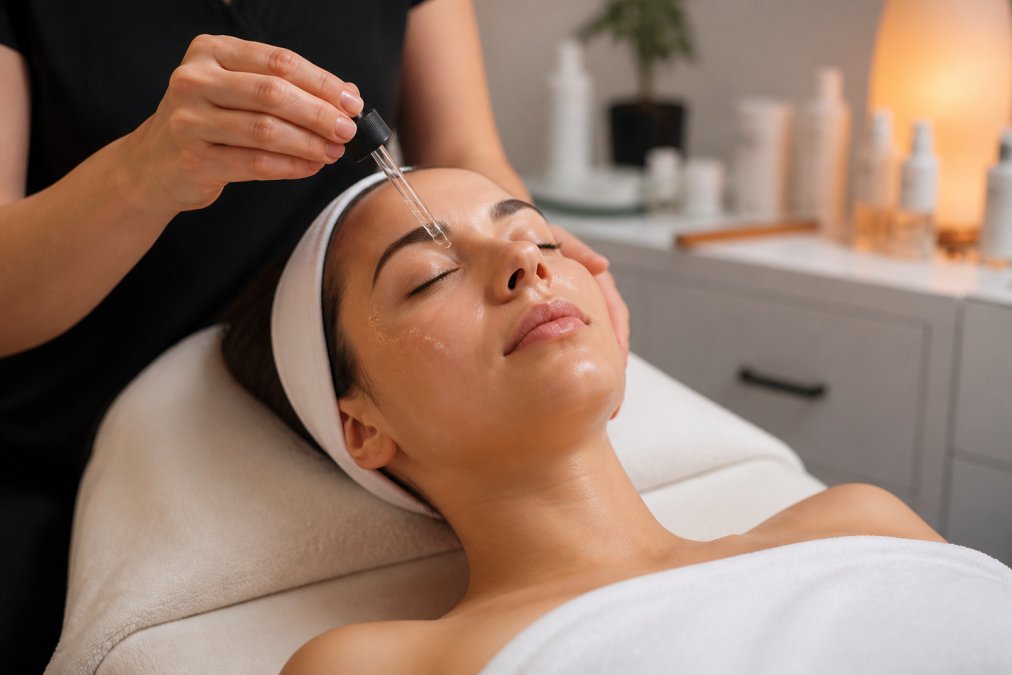
Patient-specific factors matter more than most guides admit. Skin elasticity, hormonal shifts, and even stress levels affect treatment efficacy. The American Academy of Dermatology guidance on cosmetic procedures notes that outcomes vary widely based on individual skin characteristics and lifestyle.
Cumulative Effect vs. Single Treatment: What to Expect
Most people approach anti-aging facials as a one-time fix. That mindset leads to disappointment. A single hydrating facial can produce an immediate glow and plump fine lines for a few days, but it does not change your skin's structure.
The cumulative effect is where real change happens. When treatments are spaced to match your skin's cellular turnover cycle, each session builds on the last. Collagen production increases gradually, subcutaneous volume appears fuller, and wrinkle reduction becomes noticeable rather than cosmetic. This distinction between a single treatment and a series is the most misunderstood part of facial rejuvenation.
A realistic expectation for a corrective series is visible improvement in skin elasticity and texture after several sessions, with results lasting longer as your skin remodels. Non-surgical options rarely match the permanence of a surgical facelift, but they offer meaningful, lower-risk improvement without the recovery period.
How Often Should You Get a Facial for Aging Skin?
For mature skin, the typical recommendation is one professional facial every four to six weeks (the American Academy of Dermatology). This interval aligns with your skin's natural renewal cycle, allowing treatments to catch cells at the right stage. Consistency here matters more than intensity.
Clients often ask whether they can stretch intervals once they see improvement. Many practitioners find that a maintenance schedule every six to eight weeks preserves results after an initial corrective series. The key is not abandoning treatment entirely, which allows skin to revert to its baseline.
- Initial corrective phase: Every 3-4 weeks for 3-4 sessions
- Maintenance phase: Every 6-8 weeks
- Preventative aging: Monthly, starting in your 30s
This schedule supports long-term benefits rather than chasing temporary fixes. A common mistake is waiting until skin visibly declines before booking again, which resets your progress.
How to Maintain Facial Results at Home
Professional treatments can only do so much. What you do between appointments determines how long anti-aging facial results last. A targeted aftercare routine extends the life of every session, while neglect cuts it short. The essentials are familiar but non-negotiable. A gentle cleanser, a moisturizer suited to your skin type, and a treatment serum address your specific concerns. Products containing ingredients that support collagen production help maintain what your esthetician builds in the treatment room. Avoid harsh exfoliants that strip the barrier, as this accelerates moisture loss and makes fine lines more visible.
The Role of Sun Protection and Hydration
Sun exposure is the single fastest way to erase facial results. UV damage breaks down collagen and triggers the fine lines you just treated. A daily sunscreen with adequate sun protection factor is not optional. It is the most cost-effective way to preserve your investment in every treatment.
Hydration works from the inside out. Well-hydrated skin appears plumper, which softens the look of wrinkles. Drink water consistently and use a humidifier in dry environments. These habits amplify the effects of your professional treatments and maintain skin elasticity between visits.
The Lifestyle Factors That Quietly Undo Your Results
Most advice stops at sunscreen and moisturizer, but the biology of aging goes deeper. Your skin's ability to produce collagen and repair itself is directly tied to your metabolic health. Here is how specific lifestyle patterns accelerate the breakdown of your treatment results:
- Blood Sugar Swings: Diets high in refined carbohydrates cause repeated spikes in blood sugar. This triggers a process called glycation, where sugar molecules bind to collagen and elastin fibers, making them stiff and brittle (peer-reviewed research). The result is premature wrinkling and sagging that no topical product can fully reverse. Prioritizing protein, healthy fats, and fiber-rich vegetables helps stabilize blood sugar and protects the collagen you have invested in.
- Smoking and Nicotine: Nicotine constricts blood vessels, reducing the oxygen and nutrient supply to your skin. This slows cellular turnover and collagen synthesis, meaning your skin heals slower and results fade faster. The effect is so pronounced that dermatologists can often identify smokers by the characteristic fine lines around the mouth and a general sallow, gray tone.
- Chronic Stress and Cortisol: Elevated cortisol levels break down collagen and impair the skin barrier's ability to retain moisture. This is not just a feeling; it is a measurable biological process. High stress also disrupts sleep, and it is during deep sleep that your body releases growth hormone, a key trigger for collagen production. Poor sleep quality directly shortens the lifespan of your facial results.
- Alcohol Consumption: Alcohol is a diuretic that dehydrates the skin, making fine lines more visible. It also causes inflammation and dilates blood vessels, leading to redness and a breakdown of elasticity over time. The occasional drink is less harmful than daily consumption, but consistent intake will undermine your treatment outcomes.
- Inadequate Protein Intake: Collagen is a protein. If your diet does not provide the essential amino acids, your body cannot build the new collagen your treatments are designed to stimulate. Most practitioners recommend a diet rich in lean meats, fish, eggs, and legumes to supply the building blocks for skin repair.
Building a Skin-Boosting Routine
The goal is to create an internal environment that supports the external work you are paying for. This does not require a restrictive diet, but it does require consistency. A common pattern among clients with the longest-lasting results is a diet low in processed sugar, adequate sleep of seven to nine hours, and a stress management practice, whether that is walking, meditation, or simply reading before bed.
These habits are not quick fixes. They are the compounding interest on your aesthetic investment. A facial every six weeks is a powerful tool, but it cannot outpace a lifestyle that actively degrades collagen on a daily basis. By addressing these underlying factors, you extend the interval between touch-ups and maintain a healthier, more resilient skin barrier that responds better to every professional treatment.
Book your appointment today! →
Comparing Best Anti-Aging Treatments for Mature Skin
Different treatments deliver different timelines. Knowing the options helps you choose what matches your goals and tolerance for downtime.
| Treatment Type | How It Works | Typical Result Timeline | Best For |
|---|---|---|---|
| Hydrating Facial | Adds moisture, plumps surface | 3-7 days | Immediate glow, dry skin |
| Corrective Facial | Exfoliation + targeted serums | Several weeks with series | Texture, dullness |
| Chemical Peel | Removes damaged outer layers | Weeks to months | Fine lines, pigmentation |
| Microneedling | Stimulates collagen production | Months, cumulative | Skin elasticity, scarring |
| Laser Resurfacing | Ablative or non-ablative remodeling | Months, longer-lasting | Deep wrinkles, tone |
The best anti-aging treatments for mature skin are not necessarily the most aggressive. Ablative lasers offer dramatic results but require a significant recovery period. Non-ablative options and corrective facials provide meaningful improvement with minimal downtime. Your choice should balance your desired outcome against how much time you can dedicate to healing and how consistent you will be with maintenance.
Signs Your Facial Results Are Wearing Off
Recognizing when a treatment has faded allows you to book your next session before your skin fully reverts. Subtle changes signal that collagen production has slowed and the treatment's effects are diminishing.
Watch for these indicators:
- Fine lines that seemed softened begin to look more defined
- Skin loses its bounce and feels less firm to the touch
- Your complexion looks duller, with less of the immediate glow
- Makeup no longer sits as smoothly on your skin's surface
- Pores appear more noticeable than they did weeks prior
These signs are gradual, not sudden. The return of deeper wrinkles or a significant loss of skin elasticity suggests you have waited too long between sessions. Tracking these changes helps you calibrate your maintenance schedule to your skin's actual needs rather than a fixed calendar date.
Build a Maintenance Plan That Fits Your Skin
The most effective approach to anti-aging facial results treats skincare as an ongoing practice, not an event. A plan that aligns professional treatments with a consistent home routine delivers the longest-lasting outcomes. Start by identifying your primary concerns, whether that is fine lines, lost elasticity, or uneven tone. Then match your professional treatments and product choices to those specific issues. Budget for maintenance sessions, since sporadic care costs more over time and delivers less than regular, planned visits.
The Real Cost of Maintenance: A 12-Month View
One of the most common reasons results fade is not a lack of desire but a lack of planning. A single treatment is an event; a maintenance plan is a budget line item. To make an informed decision, it helps to see the actual financial commitment over a year. Your actual cost will vary based on the specific treatments and products used.
| Treatment Approach | Typical Frequency | Estimated Cost Per Session | Estimated 12-Month Cost | What You Get |
|---|---|---|---|---|
| Basic Hydrating Facial | Monthly | $100 - $150 | $1,200 - $1,800 | Immediate glow, surface-level hydration, short-lived results (days). |
| Corrective Facial Series | Every 4-6 weeks for 4 sessions, then every 8-12 weeks | $150 - $250 | $1,200 - $2,000 | Visible improvement in texture and tone, results lasting several months with maintenance. |
| Microneedling with PRP | Series of 3, then every 6-12 months | $400 - $700 per session | $1,200 - $2,100 (year one) | Significant collagen induction, results lasting up to a year or more with proper care. |
| Non-Ablative Laser | Series of 3-5, then annually | $300 - $600 per session | $900 - $3,000 (year one) | Long-term remodeling of deep wrinkles and tone, results lasting 1-2 years. |
Planning for the Year Ahead
A realistic maintenance plan should not be a financial burden. It should be a scheduled investment. Here is a practical framework to build your annual plan:
- Initial Investment (Months 1-3): Plan for a corrective series of 3-4 sessions spaced 3-4 weeks apart. This is the foundation-building phase where you are actively stimulating collagen and addressing your primary concerns.
- Transition Phase (Months 4-6): Move to a maintenance facial every 6-8 weeks. Your esthetician will assess your skin's response and adjust the treatment type or strength.
- Sustaining Phase (Months 7-12): Stretch intervals to every 8-12 weeks. At this point, your home care routine is doing the heavy lifting between visits. Schedule a comprehensive skin analysis at the 12-month mark to reassess your goals and adjust the plan for the next year.
The Cost of Doing Nothing
It is also worth considering the alternative. Letting your skin revert to its baseline often leads to more aggressive treatments later. The fine lines you could have managed with consistent facials may eventually require more intensive procedures. In this context, a consistent maintenance plan is not just a beauty expense; it is a preventive health measure that protects both your skin and your long-term budget.
At SKIN SOLUTIONS BY 2 DIVAS, our custom corrective facials begin with a thorough skin analysis so your plan targets your actual needs, not a generic protocol. We will help you build a schedule that fits your skin's behavior and your financial comfort zone. The goal is not a temporary fix but a sustainable routine that keeps your skin at its best.
Frequently Asked Questions
How long does a single anti-aging facial last?
A single anti-aging facial typically shows visible results for 1 to 2 weeks. The immediate glow comes from increased hydration and improved skin texture. However, collagen-building benefits take time. For lasting change, plan a series of treatments. Your esthetician will recommend a schedule based on your skin's needs and your goals for wrinkle reduction and skin elasticity.
How often should you get a facial for aging skin?
For aging skin, a facial every 3 to 4 weeks is the standard recommendation. This aligns with your skin's natural cellular turnover cycle. Consistent monthly sessions build the cumulative effect that stimulates collagen production and improves skin elasticity over time. Your esthetician may adjust this frequency based on your skin's response and your specific concerns like fine lines or sun damage.
Do professional facials provide long-term anti-aging benefits?
Yes, but only with consistency. A single facial offers temporary benefits like an immediate glow and deep hydration. Long-term improvements in skin elasticity and wrinkle reduction come from a series of treatments. Regular professional facials combined with a solid at-home routine with sun protection factor can slow premature aging. Think of it as training for your skin, not a one-time fix.
What is the best facial for aging skin over 50?
The best facial for aging skin over 50 addresses multiple concerns: hydration, collagen production, and tissue tightening. Look for treatments that combine exfoliation with hydrating serums and possibly LED light therapy or microcurrent. A custom corrective facial, tailored after a thorough skin analysis, is the most effective approach because it targets your specific pattern of fine lines and loss of elasticity.