 how-to
Benefits of Professional Facials for Purging Skin
Table of Contents
- How Professional Facials Help Purging Skin
- Skin Purging After a Facial: What to Expect
- Purging vs. Breakout: How to Tell the Difference
- How Long Does Skin Purging Last?
- Facial Aftercare for Acne-Prone Skin
- When to Stop Treatment and See a Professional
- Conclusion: Clearer Skin Starts with the Right Facial
- Frequently Asked Questions
Last Updated: October 15, 2026
How Professional Facials Help Purging Skin
Skin purging is the process where skin rapidly pushes trapped oil, dead cells, and debris to the surface after a treatment speeds up cell turnover. The result: a temporary wave of blemishes that looks worse before it looks better. Professional facials for purging skin work because they combine deep cleansing, gentle exfoliation, and professional extractions in one session. This guide from SKIN SOLUTIONS BY 2 DIVAS in Sebring, FL breaks down what to expect, how long it lasts, and how to care for acne-prone skin afterward.
If you have ever started a new skincare product and broken out, you already know the frustration. The good news is that purging is usually a sign that your skin is responding. The bad news is that it can be hard to tell purging apart from a true breakout.
Below, we explain exactly how to tell the difference and when to ask for help.
Deep Cleansing and Impurity Removal
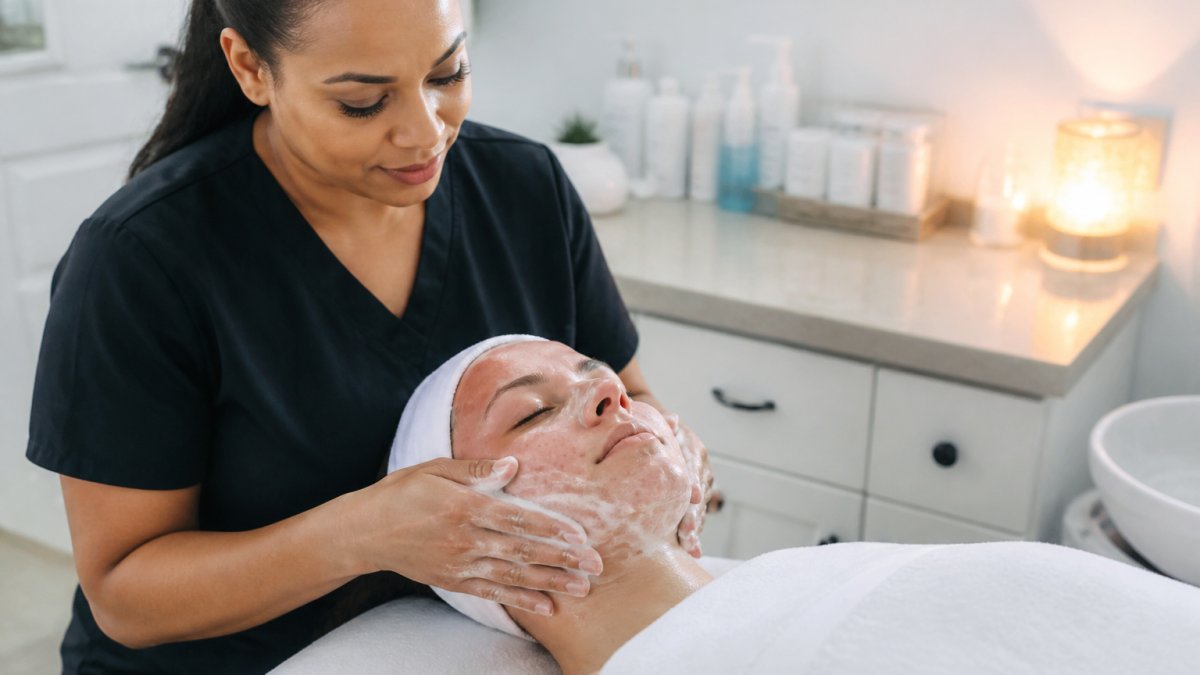
A professional facial starts with deep cleansing. Estheticians use gentle cleansers and steam to soften excess oil, dirt, and impurities trapped inside congested pores. This step matters because clogged pores are the root of most purging blemishes.
Steam also boosts circulation and softens comedones so they release more easily. Many people find that at-home cleansing alone cannot reach this depth. That is the main reason professional facials help with purging skin.
Exfoliation and Skin Cell Turnover
Exfoliation removes dead skin cells that block pores and dull your complexion. When done correctly, it speeds up skin cell turnover. That is exactly what triggers the purging process in the first place.
A trained esthetician adjusts the strength of exfoliation to your skin type. Sensitive skin gets a gentler approach. Oily, acne-prone skin may need a bit more. This is where a customized treatment beats a one-size-fits-all routine.
Skin Purging After a Facial: What to Expect
Skin purging after a facial is a short-term reaction, not a sign the treatment failed. It usually shows up as small bumps or whiteheads in the same areas where you normally break out. The skin is clearing out what was already trapped beneath the surface.
Not Every Facial Causes Purging
Purging is driven by accelerated cell turnover, so it only happens when a treatment speeds up how quickly your skin sheds dead cells and pushes congestion out. That means:
- Extractions and deep cleansing can surface existing congestion but rarely trigger a full purge on their own.
- Chemical exfoliation, alpha-hydroxy acids, beta-hydroxy acids like salicylic acid, and retinol-based treatments, is the most common trigger because it directly increases turnover.
- Hydrating, calming, or lymphatic facials generally do not cause purging because they do not alter the shedding cycle.
If your esthetician uses a gentle, hydration-focused protocol, you may see no purging at all. If your treatment includes stronger exfoliation, purging becomes more likely, especially if your pores were already congested.
What Purging Actually Looks Like
Purging blemishes tend to be:
- Small, shallow whiteheads or blackheads
- Located in the same zones where you typically break out (chin, jawline, forehead, or T-zone)
- Accompanied by a slightly rough, textured feel rather than deep pain
- Short-lived, individual spots come and go rather than settling in
What purging should not feel like: stinging, burning, spreading redness, or deep, tender cysts. Those point to irritation or a true breakout, not purging.
How to Prepare Before Your Appointment
A little prep can make purging shorter and less dramatic:
- Stop at-home exfoliating acids and retinoids 3-5 days before your facial. Stacking them on top of a professional treatment overwhelms the barrier.
- Skip waxing, shaving, and harsh scrubs on the treatment area for 24-48 hours beforehand.
- Arrive with clean skin. Skip makeup and heavy sunscreen the morning of your appointment.
- Hydrate. Drink water in the days leading up and moisturize nightly so your barrier is resilient.
- Tell your esthetician everything, prescriptions, over-the-counter actives, recent breakouts, and any products you have started in the last month.
A Typical Progression
Here is what a common pattern looks like:
- Days 1-3: Skin may look calm, then start to feel slightly textured
- Days 4-14: Small blemishes surface in your usual problem areas
- Weeks 2-6: Blemishes fade as cell turnover settles into a rhythm
- After 6 weeks: Skin looks clearer, smoother, and more even
Most people see the worst of it in the first two weeks. At SKIN SOLUTIONS BY 2 DIVAS in Sebring, FL, every facial starts with a skin analysis so the protocol is matched to your barrier, not a generic menu.
Purging vs. Breakout: How to Tell the Difference
Purging and a breakout look similar, but they behave differently. Purging clears up on its own as cell turnover finishes. A breakout keeps going, often getting worse, and may signal irritation or a bad reaction.
Why They Look Alike, and Why They Aren't
Purging happens because a treatment accelerates cell turnover, pushing pre-existing congestion out faster than your skin would on its own. The blemishes were already forming beneath the surface; the facial just sped up their arrival.
A true breakout is new congestion forming from a trigger: irritation from a product, hormonal fluctuation, bacteria, or a clogged pore that never had anything to do with your treatment. That is why a breakout keeps producing new spots in new places while purging runs its course in the areas you already break out.
Signals That Separate Them
| Feature | Purging | Breakout |
|---|---|---|
| Location | Where you normally break out | New or unusual areas |
| Timeline | Improves over 4-6 weeks | Persists or worsens |
| Type | Small whiteheads, blackheads | Deep, painful cysts |
| Cause | Faster cell turnover | Clogged pores, irritation, hormones |
| Response to treatment | Settles with consistent care | Needs a change in routine |
Treatment-Specific Risks to Know
Not every facial component suits every skin type. Before booking, consider:
Book your appointment today! →
- Extractions: Effective for visible congestion, but aggressive extraction on inflamed or cystic acne can worsen irritation and increase scarring risk. Estheticians typically avoid extracting active, inflamed lesions.
- Chemical exfoliation: Stronger acids (higher-percentage glycolic, salicylic, or retinol peels) drive faster turnover and more purging. They are usually not appropriate for compromised, freshly irritated, or recently treated skin.
- Sensitive or compromised skin: A barrier that is already reactive may not tolerate exfoliation at all. In those cases, a calming, hydrating protocol is the safer choice.
- When to avoid treatment entirely: Active infections, open wounds, recent chemical peels or laser treatments, and known allergies to treatment ingredients are all reasons to postpone.
If your skin stings, burns, or swells, that is not purging. Stop the treatment and talk to a professional.
Red Flags: When to Stop and Seek Medical Advice
Pause treatment and consult a licensed professional or dermatologist if you notice:
- Severe pain, swelling, or warmth around blemishes
- Purging that lasts longer than six weeks or keeps getting worse
- Breakouts spreading to areas you have never broken out before
- Raw, cracked, or peeling skin that does not improve with gentle care
- Signs of infection, including pus, fever, or spreading redness
A trained esthetician can assess your skin and adjust the plan. For stubborn, painful, or cystic acne, a dermatologist is often the right next step. At SKIN SOLUTIONS BY 2 DIVAS in Sebring, FL, we are by appointment only, so every client gets a personalized skin analysis and a plan built around their barrier, not a one-size-fits-all protocol.
How Long Does Skin Purging Last?
Skin purging typically lasts four to six weeks. The exact timeline depends on your skin type, how congested your pores were, and how often you get facials.
For most people, the pattern looks like this:
- Weeks 1-2: The most visible purging
- Weeks 3-4: Blemishes start to fade
- Weeks 5-6: Skin settles into a clearer state
If purging lasts longer than six weeks or gets worse, that is your cue to check in with a professional. Something else may be going on.
Facial Aftercare for Acne-Prone Skin
Facial aftercare for acne-prone skin is simple, but skipping it can undo your results. Your skin is more sensitive right after a treatment, so treat it gently for the first few days.
Follow these steps:
- Skip harsh scrubs and strong acids for 3-5 days
- Use a gentle, non-foaming cleanser twice daily
- Apply a light moisturizer to protect the skin barrier
- Wear sunscreen every morning, even indoors
- Avoid picking or squeezing new blemishes
- Skip heavy makeup for the first 24 hours
Keep your routine short. A simple, consistent routine beats a complicated one every time.
When to Stop Treatment and See a Professional
Stop treatment and see a licensed professional if your skin shows signs of true irritation. Redness that will not fade, swelling, burning, or deep painful cysts are all reasons to pause.
You should also check in if:
- Purging lasts longer than six weeks
- Blemishes spread to new areas
- Your skin feels raw or overly dry
- Over-the-counter products are not helping
A trained esthetician can look at your skin and adjust your plan. In some cases, a dermatologist may be the right next step for stubborn or painful acne.
Conclusion: Clearer Skin Starts with the Right Facial
Purging skin can feel like a step backward, but it is often the first real sign your skin is clearing out. The key is a customized treatment, honest aftercare, and knowing when to ask for help.
At SKIN SOLUTIONS BY 2 DIVAS in Sebring, FL, we start every visit with a thorough skin analysis. From there, we build a custom corrective facial plan that targets acne, aging, and hyperpigmentation based on your unique skin. We are by appointment only, so every client gets personalized, results-driven care.
Book your appointment today and take the first step toward a clearer, more radiant complexion.
Frequently Asked Questions
Can a professional facial cause skin purging?
Yes, a professional facial can trigger purging skin. Treatments that speed up skin cell turnover, such as exfoliation or extractions, bring congestion to the surface faster than it would appear on its own. This is a temporary process and usually means the treatment is working to clear clogged pores. At Skin Solutions by 2 Divas in Sebring, FL, specialists analyze your skin first to set realistic expectations for how your skin may respond.
How long does the purging stage last after a facial?
Most people see purging resolve within four to six weeks, though it varies by skin type and treatment intensity. The first two weeks tend to be the most active, with congestion surfacing before it clears. If irritation or new blemishes persist beyond six weeks, that points to a breakout rather than purging, and you should check in with a skincare professional about adjusting your routine.
How can you tell the difference between purging and a breakout?
Purging vs. breakout comes down to location and timing. Purging appears in areas you normally break out, clears relatively quickly, and follows a treatment that speeds up cell turnover. A breakout shows up in new areas, sticks around longer, and may come with redness, itching, or irritation. If your skin reacts in unfamiliar spots after a facial, it is more likely a breakout or sensitivity response.
What should you do after a facial if your skin is purging?
Keep your facial aftercare for acne-prone skin simple. Use a gentle cleanser, a light moisturizer, and sunscreen daily. Skip harsh scrubs, retinoids, and exfoliating acids for a few days while your skin settles. Avoid picking at blemishes, since that can cause scarring and spread bacteria. If you have questions about your specific routine, the specialists at Skin Solutions by 2 Divas can guide you based on your skin analysis.