 how-to
Balance Hormones Naturally for Clearer Skin
Table of Contents
- How Hormones Affect Your Skin and Acne
- How to Treat Hormonal Acne at Home
- Hormonal Acne Diet: Foods That Support Clear Skin
- Sleep, Stress, and Exercise: Three Pillars of Hormone Balance
- Build a Hormonal Acne Skincare Routine That Works
- How Long Does Hormonal Acne Take to Clear
- When to Seek Professional Help
- Frequently Asked Questions
Last Updated: October 13, 2026
How Hormones Affect Your Skin and Acne
Hormones control far more than just your mood and energy, and learning to balance hormones naturally is key to managing acne. They directly influence how much oil your skin produces, how quickly your skin cells turn over, and whether inflammation shows up as breakouts.
Hormonal imbalance is one of the most common causes of persistent acne in adults. Androgens (male hormones present in all bodies) trigger sebum production. When hormone levels spike, your skin makes more oil. That excess oil clogs pores.
The timing matters too. Many people notice breakouts during specific points in their menstrual cycle. Others struggle with acne that starts or worsens after hormonal changes like starting birth control, pregnancy, or perimenopause. Understanding this connection is the first step toward clearer skin.
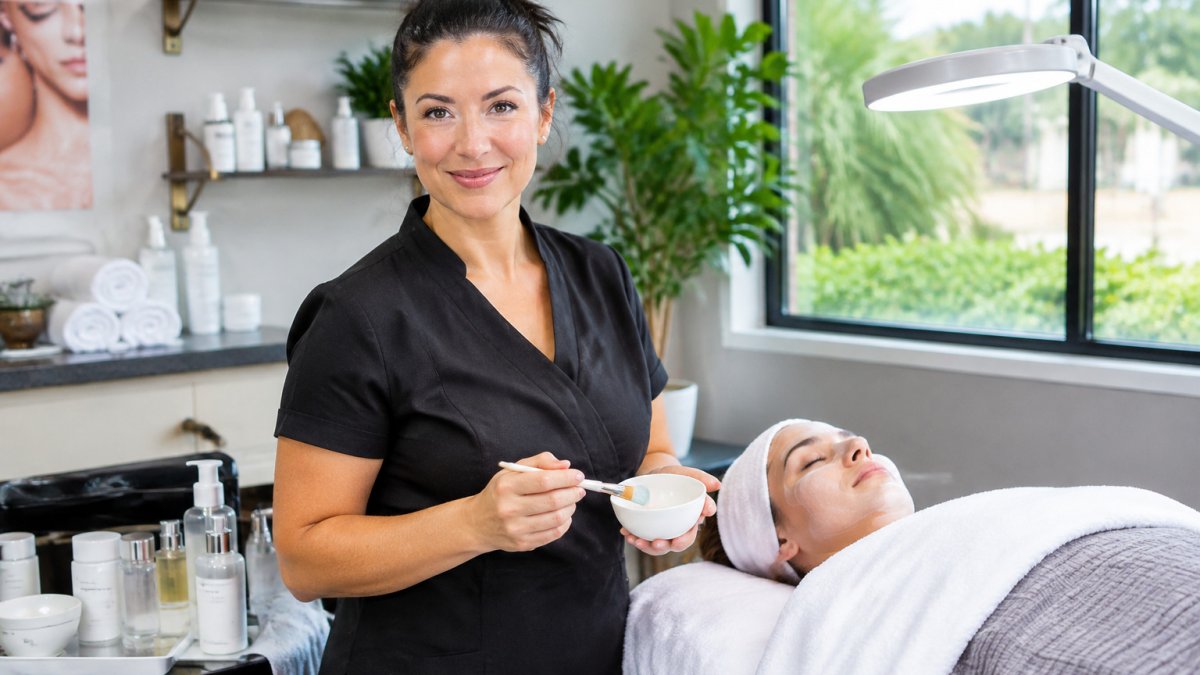
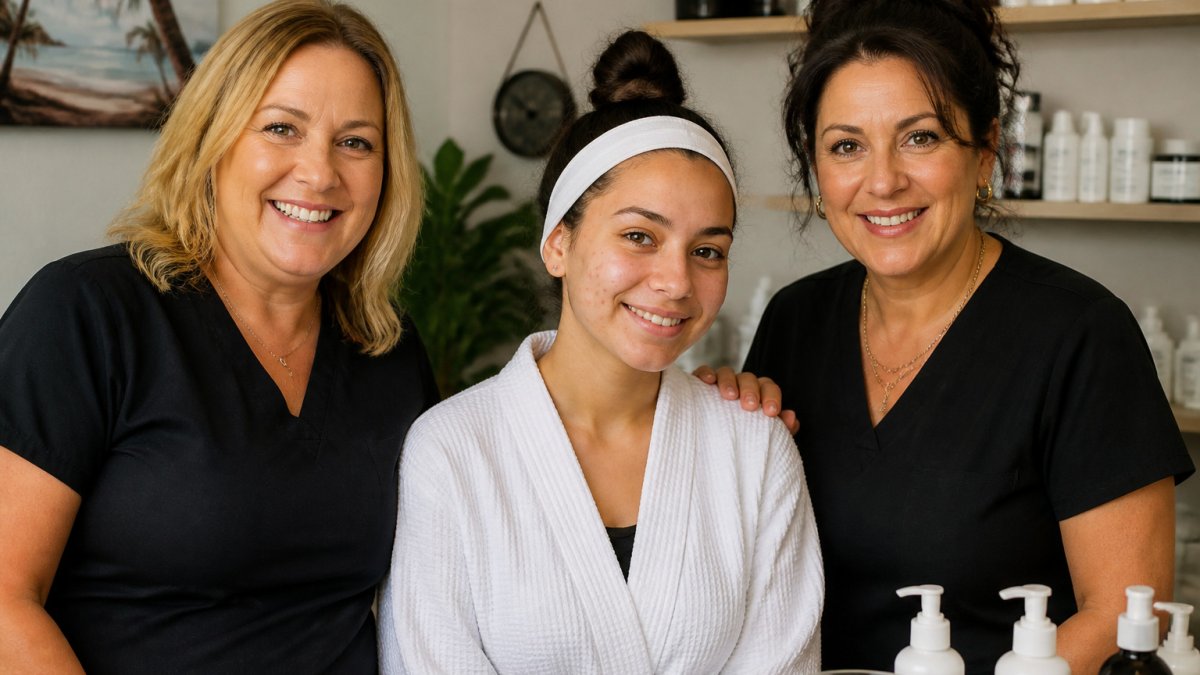
At Skin Solutions by 2 Divas in Sebring, FL, we work with clients who've struggled with hormonal acne for years. Our specialists conduct thorough skin analyses to identify whether your breakouts are truly hormone-driven or caused by other factors like diet, stress, or skincare habits.
How to Treat Hormonal Acne at Home
You can't completely stop hormones from affecting your skin, but you can reduce breakouts with the right approach. Home treatment works best when it combines topical care with lifestyle changes.
Start with a consistent skincare routine. Use a gentle cleanser twice daily. Don't strip your skin with harsh scrubs or astringents. Follow with a lightweight moisturizer and a targeted acne treatment. Over-the-counter treatments containing salicylic acid or benzoyl peroxide help prevent clogged pores.
The key is consistency. Most topical treatments need 6 to 8 weeks to show results. Many people quit too early because they don't see immediate improvement. Stick with your routine even when progress feels slow.
Consider adding a targeted serum or treatment for hormonal breakouts. Look for ingredients like niacinamide, which reduces sebum production, or azelaic acid, which addresses both acne and inflammation. These work alongside your cleanser and moisturizer without irritating sensitive skin.
Avoid common mistakes that make hormonal acne worse:
- Touching your face throughout the day
- Using too many active ingredients at once
- Over-exfoliating, which irritates skin and triggers more inflammation
- Skipping moisturizer because you think it will make acne worse (it won't)
- Picking at breakouts, which spreads bacteria and causes scars
Hormonal Acne Diet: Foods That Support Clear Skin
What you eat directly affects hormone metabolism and skin inflammation. Certain foods support your body's ability to balance hormones naturally. Others trigger inflammation and make breakouts worse.
Nutrient-dense foods form the foundation of a skin-supporting diet. Focus on:
- Dark leafy greens like spinach and kale (rich in vitamins and minerals that support hormone metabolism)
- Berries, which contain antioxidants that reduce inflammation
- Fatty fish like salmon, which provide omega-3s that calm skin inflammation
- Healthy fats from avocados, nuts, and seeds (your skin needs fat to maintain its barrier)
- Cruciferous vegetables like broccoli and Brussels sprouts (support liver function, which helps process hormones)
These foods work because they support your liver. Your liver processes and removes excess hormones. When your liver works efficiently, hormones stay balanced, and skin clears.
Equally important: reduce foods that trigger inflammation and hormone disruption:
- Refined sugar and processed foods (spike blood sugar, which triggers hormone surges and sebum production)
- Refined carbohydrates like white bread and pasta
- Fried foods and excess vegetable oils
- Dairy in some people (milk contains hormones that can trigger breakouts)
You don't need to eliminate these foods completely. Small, gradual changes often work better than strict restriction. Start by adding more nutrient-dense foods. As your diet shifts, processed foods naturally take up less space.
Fiber also matters. It helps your body eliminate excess hormones through digestion. Aim for fiber from whole grains, vegetables, and legumes rather than supplements alone.
Sleep, Stress, and Exercise: Three Pillars of Hormone Balance
These three factors work together to either support or sabotage hormone balance. Neglect any one of them, and your skin suffers. Address all three, and you create the environment for hormonal acne to clear.
Sleep Quality and Duration
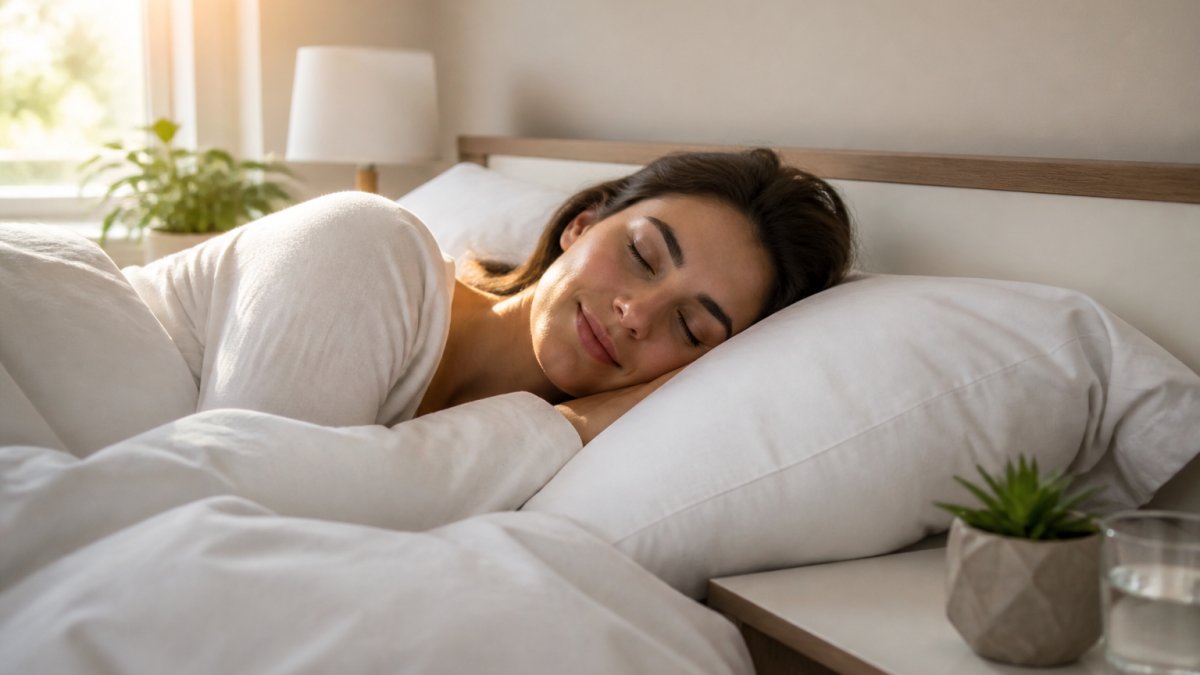
Poor sleep disrupts every hormone in your body. When you don't sleep enough, cortisol (your stress hormone) stays elevated. High cortisol triggers sebum production and inflammation. Your skin breaks out.
Most adults need 7 to 9 hours of sleep per night for optimal hormone function. That's not a suggestion. That's the amount your body requires to regulate hormones, repair skin, and manage inflammation.
Quality matters as much as quantity. Broken sleep or restless nights don't allow your body to complete full sleep cycles. Each cycle is when hormone regulation happens. Aim for consistent sleep and wake times, even on weekends.
A simple bedtime routine helps. Stop using screens 30 minutes before bed. Keep your bedroom cool and dark. Avoid caffeine after early afternoon. These changes seem small, but they dramatically improve sleep quality.
Stress Reduction and Management
Chronic stress keeps cortisol elevated. Elevated cortisol tells your body to produce more sebum and triggers inflammation. Stress-induced breakouts are real and common.
You can't eliminate stress, but you can change how your body responds to it. Regular stress management practices lower cortisol and support hormone balance.
Effective stress reduction practices include:
- Daily movement or exercise (even 20 minutes helps)
- Meditation or breathing exercises (5 to 10 minutes daily shows measurable results)
- Time in nature (reduces cortisol within minutes)
- Creative hobbies that absorb your attention
- Limiting news and social media consumption
- Talking with friends or a therapist
Pick one practice and commit to it for two weeks. Most people notice calmer skin within 4 to 6 weeks of consistent stress management.
Regular Exercise and Movement
Exercise reduces cortisol, improves sleep quality, and supports healthy hormone metabolism. You don't need intense workouts. Consistent, moderate movement works best.
Aim for:
- 150 minutes of moderate activity per week (brisk walking, cycling, swimming)
- 2 days of strength training
- Daily movement like stretching or walking
Exercise also improves circulation, which helps deliver oxygen and nutrients to your skin. Better circulation supports skin healing and reduces inflammation.
Book your appointment today! →
The bonus: exercise often reduces stress and improves sleep, creating a cycle that supports hormone balance across all three pillars.
Build a Hormonal Acne Skincare Routine That Works
A skincare routine for hormonal acne differs from routines for other acne types. You're targeting oil production, inflammation, and hormonal sensitivity all at once.
Your routine needs four steps:
Step 1: Cleanse gently, Use a non-foaming cleanser morning and night. Foaming cleansers strip your skin and trigger more oil production. A gentle cream or gel cleanser removes dirt and oil without disrupting your skin barrier.
Step 2: Treat with actives, Apply a targeted treatment containing salicylic acid, benzoyl peroxide, or azelaic acid. Use it on areas where you break out.
Step 3: Moisturize, This step is non-negotiable. Even oily, acne-prone skin needs moisture. Use a lightweight, non-comedogenic moisturizer. Your skin barrier protects against bacteria and inflammation. A damaged barrier makes acne worse.
Step 4: Protect with sunscreen, Acne treatments can make skin sensitive to sun. Use SPF 30 or higher daily. Many acne treatments also cause post-inflammatory hyperpigmentation (dark marks).
This routine works best when you give it time. Most people see improvement around week 6 to 8.
Skin Solutions by 2 Divas specializes in personalized skincare routines tailored to your specific hormonal acne patterns. Our custom corrective facials work alongside your home routine to accelerate results and address underlying skin concerns.
How Long Does Hormonal Acne Take to Clear
This is the question everyone asks, and the honest answer is: it depends on how severe your acne is and how consistently you address the root causes.
Mild hormonal acne (a few breakouts per cycle) often improves within 6 to 12 weeks of consistent treatment. Moderate acne (regular breakouts across the lower face) typically takes 3 to 6 months. Severe hormonal acne may take 6 months to a year, and sometimes requires professional help.
The timeline depends on several factors:
- How long you've had acne, Longer-term acne takes longer to clear because your skin has established patterns
- How consistently you follow your routine, Missing days or switching products frequently slows progress
- Whether you address lifestyle factors, Sleep, stress, and diet changes accelerate improvement
- Your individual hormone cycle, Some people see improvement after one full cycle; others need three to four cycles
Track your breakouts. Keep a simple log of when breakouts occur and what you were doing (sleep, stress, diet, cycle day). Patterns emerge after 2 to 3 months. These patterns show you what's actually triggering your acne.
Don't expect perfect skin. Even with perfect habits, most people with hormonal acne still get occasional breakouts around their cycle. That's normal. The goal is fewer, less severe breakouts and faster healing.
When to Seek Professional Help
Home treatment works for many people, but some cases need professional support. Know when it's time to see a dermatologist or professional esthetician.
See a dermatologist if:
- Your acne is severe (many deep, painful cysts or nodules)
- Home treatment hasn't improved your acne after 3 months of consistent use
- Your acne is causing scarring
- You suspect an underlying hormonal condition (irregular periods, excess hair growth, weight changes)
- Your acne is affecting your mental health
A dermatologist can prescribe stronger treatments like retinoids, antibiotics, or hormonal birth control. They can also test for hormonal conditions like polycystic ovary syndrome (PCOS) that cause persistent acne.
See a professional esthetician if:
- You want to accelerate results with professional treatments
- Your skincare routine isn't addressing all your skin concerns
- You need guidance on which home products actually work for your skin type
Skin Solutions by 2 Divas offers custom corrective facials designed to address hormonal acne, aging, and hyperpigmentation. Our specialists conduct thorough skin analyses to create personalized treatment plans.
Professional treatments also identify issues you might miss at home. A trained esthetician spots early signs of scarring, texture changes, or underlying skin conditions that need attention.
Balancing hormones naturally for clearer skin takes time and consistency, but it works. Start with one change: improve your sleep, add more nutrient-dense foods, or begin a stress management practice. Add a second change after two weeks. Build gradually.
Your skin will respond. Hormonal acne doesn't have to be permanent.
Frequently Asked Questions
How can lifestyle changes help improve hormonal acne?
Lifestyle changes address the root causes of hormonal acne by stabilizing hormone levels. Sleep, stress management, regular exercise, and a nutrient-dense diet work together to support hormone metabolism and reduce inflammation. These changes can take 4-12 weeks to show visible results, but they create lasting improvements in skin health and overall well-being. Consistency matters more than perfection.
What should a hormonal acne diet include?
Focus on nutrient-dense foods: dark leafy greens, cruciferous vegetables like broccoli and cabbage, berries, healthy fats from avocado and fish, and fiber-rich whole grains. Avoid processed foods and refined sugar, which can trigger inflammation and spike insulin levels. Include foods that support liver function, such as beets and artichokes, since the liver helps metabolize hormones. Drink plenty of water to support detoxification.
How long does hormonal acne take to clear with natural methods?
Results typically appear within 4-12 weeks of consistent lifestyle changes, though individual timelines vary. Your menstrual cycle, stress levels, and how strictly you follow dietary and sleep changes all affect speed. Topical treatments may show faster results than internal changes alone. For persistent acne that doesn't improve after 8-12 weeks, consult a dermatologist to rule out underlying conditions. Skin Solutions by 2 Divas offers personalized corrective facials that complement your home routine.
When should I see a doctor about hormonal acne?
Seek medical evaluation if acne persists after 8-12 weeks of lifestyle changes, if breakouts are severe or painful, if acne appears suddenly in adulthood, or if you suspect an underlying condition like PCOS. A healthcare provider can test hormone levels, rule out thyroid issues, and discuss treatment options if needed. Don't assume acne is purely hormonal, a professional evaluation ensures you address the actual cause.