 how-to
Are Natural DIY Face Masks Worth Trying Before a Wedding?
Quick Summary
Natural diy face masks can add short-term hydration and a calming self-care moment before a wedding, but they will not change skin texture or fix deeper concerns. Patch test every new recipe at least 24 hours ahead and avoid first-time ingredients in the final two weeks. For persistent concerns, a professional facial booked a few weeks before the wedding is a better fit.
- Patch test new DIY masks on the jawline or inner arm and wait 24 hours.
- Freeze your routine two weeks out and use only masks you have tested twice.
- Use homemade masks once or twice a week at most.
- Avoid lemon juice, baking soda and turmeric because they can irritate skin.
- Book a professional facial a few weeks before the wedding, not the week of.
Table of Contents
- Why Natural DIY Face Masks Appeal to Brides
- Building a Pre-Wedding Skincare Timeline
- Choosing Ingredients by Skin Type
- Step-by-Step: Mixing and Applying a Basic Mask
- DIY Face Mask Safety: Patch Testing and Ingredients to Avoid
- When a Professional Facial Makes More Sense Before the Big Day
- Booking Your Pre-Wedding Skin Consultation in Sebring
- Frequently Asked Questions
Are Natural DIY Face Masks Worth Trying Before a Wedding?
Last Updated: October 28, 2026
Why Natural DIY Face Masks Appeal to Brides
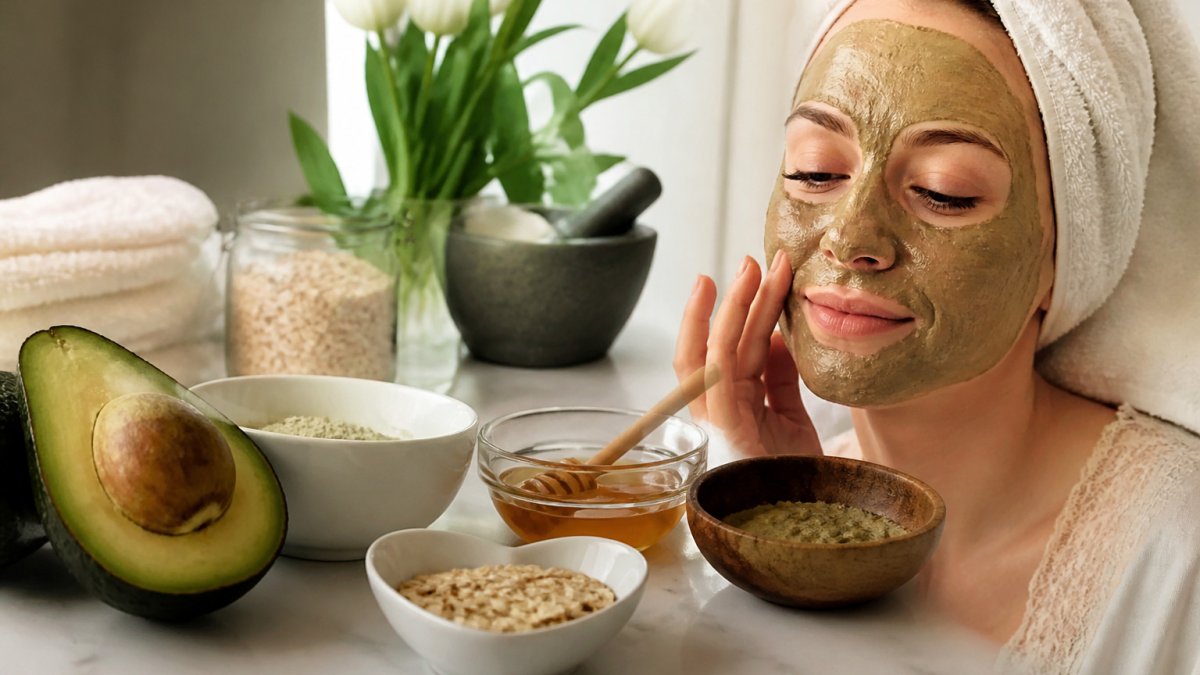
Many brides want a fresh, glowing look on the big day, and natural DIY face masks seem like an easy way to get there. They use kitchen staples like honey, yogurt, and oats, so they feel gentle and affordable. That appeal is real, but it helps to know what a DIY mask can and cannot do before you commit to a routine.
A homemade mask can leave skin feeling soft and hydrated for a short time. It will not change skin texture or fix deeper concerns on its own.
Here is what a DIY mask usually does well:
- Adds short-term hydration
- Feels calming and relaxing during a spa-style moment at home
- Gives you a simple self-care habit in the weeks before the wedding
Natural does not always mean safe for every person, though. Some ingredients irritate sensitive skin, so keep expectations realistic and test first.
Building a Pre-Wedding Skincare Timeline
Plan your skin care backward from the wedding date, and treat every new DIY mask as a test, not a treatment. The goal is a calm, predictable routine by the final two weeks, not a last-minute experiment.
A practical schedule looks like this:
- 12 weeks out: Book a skin analysis and set one or two realistic goals (for example, softer texture or a more hydrated look). Start a basic routine: gentle cleanser, moisturizer, and daily broad-spectrum sunscreen.
- 8 to 10 weeks out: Patch test your first DIY mask on the inner arm or jawline for 24 hours. If there is no redness, itching, burning, or swelling, use it once that week on the face.
- 6 to 8 weeks out: If your skin tolerated the first mask, add a second recipe from a different category (hydrating, soothing, or oil-absorbing) and patch test it the same way. Rotate masks once or twice a week, no more.
- 4 weeks out: Settle on the one or two recipes your skin clearly likes. Stop introducing new ingredients, new essential oils, or new exfoliating acids.
- 2 weeks out: Freeze your routine. Use only products and masks you have already tested at least twice. This is the window when a surprise reaction is hardest to recover from.
- 1 week out: Keep everything gentle. Skip harsh scrubs, strong clay masks, and anything that leaves skin red. Hydrate, moisturize, and protect with sunscreen.
- Wedding week: Maintain the routine, prioritize sleep and water, and do not try a new mask, even a "safe" one, in the final 72 hours.
Keep a simple log in a notebook or phone note: date, recipe, how long you left it on, and how your skin looked and felt the next morning. Patterns show up fast, and the log gives a professional something concrete to work from if you book a facial.
A skin analysis early in the process can help with planning.
Choosing Ingredients by Skin Type
The right ingredient depends on your skin. What calms oily skin can dry out dry skin, so match your choices to your skin type.
- Dry skin: Look for honey, avocado, or oats. These add moisture and help skin feel comfortable.
- Oily or acne-prone skin: Clay-based options like multani mitti or neem may help absorb excess oil. Use them less often so skin does not dry out.
- Sensitive skin: Keep it simple. Plain yogurt or aloe vera tends to feel gentle, but always test first.
- Dull skin: Some people reach for turmeric or rose water. Turmeric can stain the skin and may irritate, so use a small amount and rinse well.
Many professional skincare products are formulated with specific skin types in mind. You can shop esthetician-curated professional skincare products selected for different skin types. If you are unsure which ingredients suit you, a skin analysis can help narrow down your options. Choosing professional skincare products that match your skin type can be more reliable than guessing at home.
Step-by-Step: Mixing and Applying a Basic Mask
Use a consistent format for every recipe so you can compare them and follow them safely. Each recipe below lists ingredients with measurements, preparation, application, contact time, best-suited skin types, and cautions. Mix a fresh batch each time and discard leftovers, homemade mixtures with fresh food ingredients are perishable and should not be stored.
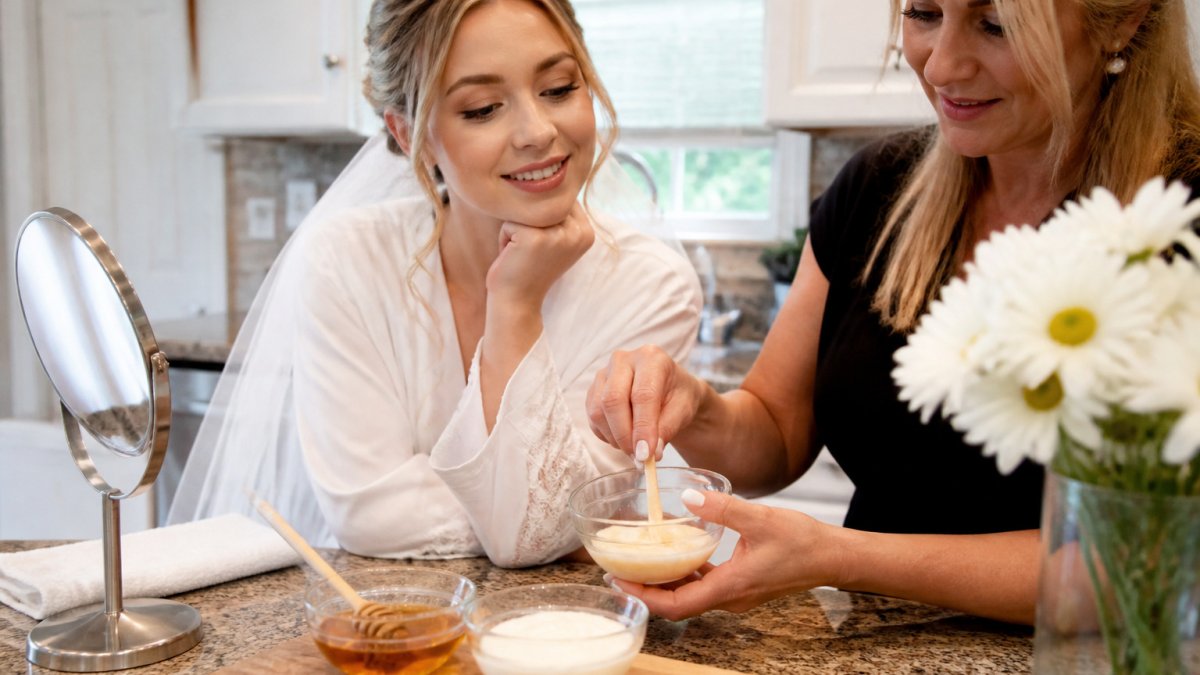
Recipe 1: Honey and Yogurt (normal to dry skin)
Ingredients: 1 tablespoon plain yogurt, 1 teaspoon raw honey.
Steps: Cleanse and pat dry. Mix in a clean glass bowl until smooth. Apply a thin layer, avoiding the eye area. Leave on 10 to 15 minutes, do not let it dry completely. Rinse with lukewarm water, pat dry, and follow with moisturizer.
Best for: Normal to dry skin. Caution: Patch test first; dairy may not suit everyone.
Recipe 2: Oat and Honey (sensitive or easily irritated skin)
Ingredients: 2 tablespoons finely ground plain oats, 1 tablespoon warm water, 1 teaspoon honey.
Steps: Grind oats to a soft powder, mix with water and honey into a paste, apply thinly, leave 10 minutes, and rinse gently with lukewarm water.
Best for: Sensitive skin. Caution: Grind oats finely, coarse pieces can feel abrasive.
Recipe 3: Clay and Water (oily or acne-prone skin)
Ingredients: 1 tablespoon kaolin or bentonite clay, 1 to 2 teaspoons water.
Book your appointment today! →
Steps: Mix to a smooth paste, apply a thin layer to oily areas, leave 8 to 10 minutes, remove before it cracks, and rinse thoroughly.
Best for: Oily and acne-prone skin. Caution: Clay can dry skin; use once a week at most and moisturize after.
Recipe 4: Aloe and Cucumber (soothing, all skin types)
Ingredients: 2 tablespoons pure aloe vera gel, 1 tablespoon blended cucumber.
Steps: Blend, strain if needed, apply thinly, leave 10 minutes, and rinse with cool water.
Best for: Soothing after sun or irritation. Caution: Patch test; some people react to aloe.
How to apply any mask
Cleanse first, apply a thin, even layer, and avoid the eye area and lips. Keep contact time to the recipe's range, longer is not better. Rinse with lukewarm water, pat dry, and moisturize. Use homemade masks once or twice a week at most, and less often for clay or exfoliating recipes.
Each recipe follows the same format, so you can compare them side by side before choosing one for your skin.
| Recipe | Best for | Contact time |
|---|---|---|
| Honey and Yogurt | Normal to dry skin | 10 to 15 minutes |
| Oat and Honey | Sensitive or easily irritated skin | 10 minutes |
| Clay and Water | Oily or acne-prone skin | 8 to 10 minutes |
| Aloe and Cucumber | Soothing, all skin types | 10 minutes |
DIY Face Mask Safety: Patch Testing and Ingredients to Avoid
Before you use any new DIY mask, do a patch test. Check our products to avoid before a wedding facial list to see which ingredients to keep away from in that window. Apply a small amount to your jawline or inner arm and wait 24 hours. Redness, itching, burning, or swelling means the ingredient is not right for you.
Some ingredients need extra caution:
- Lemon juice and other citrus: These can irritate and increase sun sensitivity.
- Baking soda: It is harsh on the skin barrier.
- Turmeric: It can stain and may irritate.
- Raw ingredients from the fridge: Cold or old food can carry bacteria.
If a mask causes a reaction, rinse it off right away with cool water. Stop using that ingredient and contact a skincare professional or a dermatologist if irritation lasts or worsens.
When a Professional Facial Makes More Sense Before the Big Day
A DIY mask is a nice extra, but it is not a replacement for professional care. If you have persistent breakouts, uneven tone, or concerns you cannot manage at home, a professional facial may be a better fit. Read our guide on how to choose the right facial for your skin concerns to match your concerns to the right treatment.
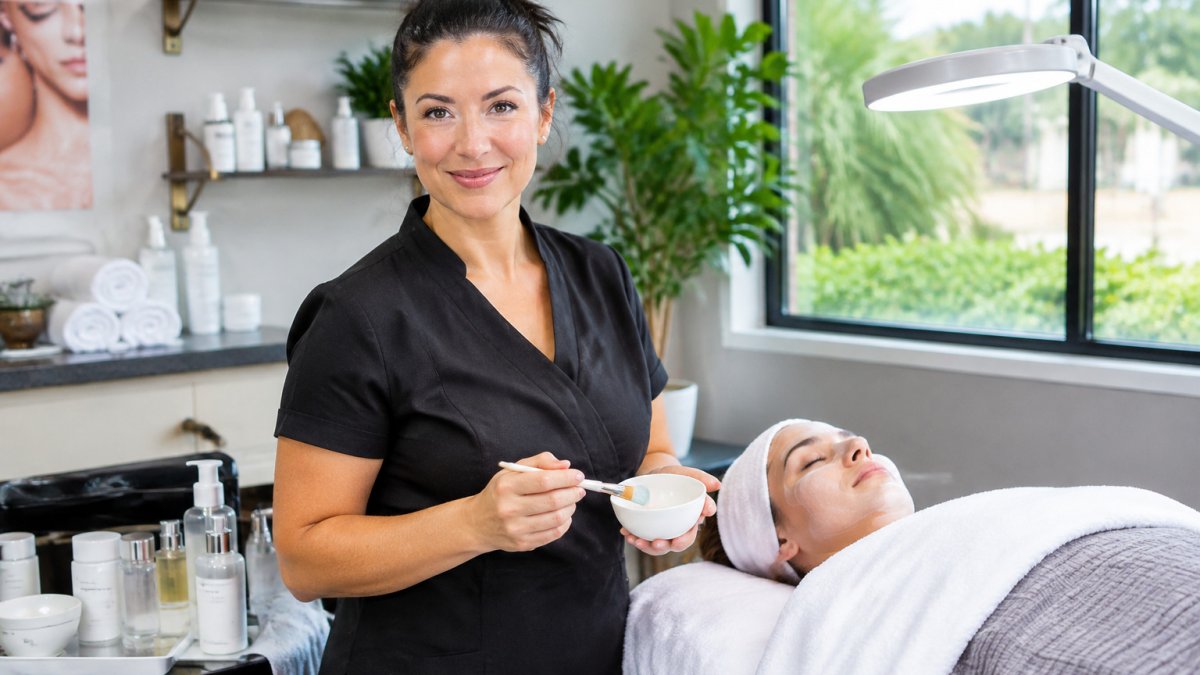
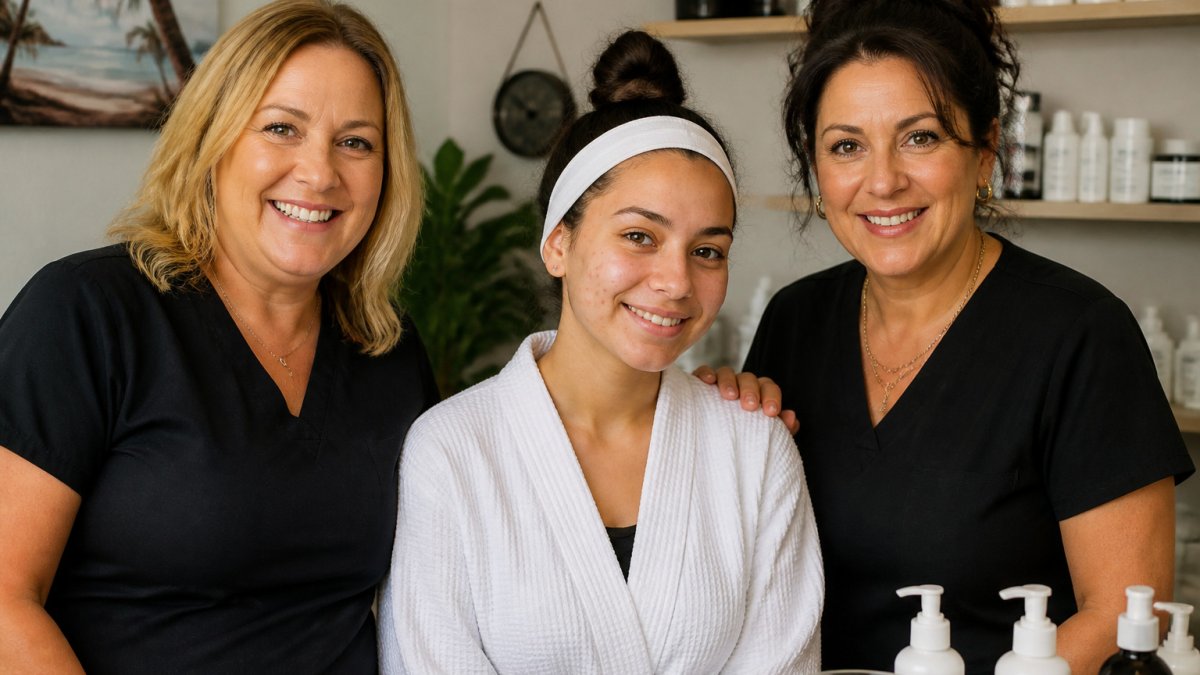
At Skin Solutions by 2 Divas, our custom corrective facials start with a thorough skin analysis. Your treatment plan is based on your skin, not a one-size-fits-all routine.
Book a professional facial a few weeks before the wedding, not the week of, so your skin has time to settle.
Booking Your Pre-Wedding Skin Consultation in Sebring
If you are planning your wedding timeline and want expert guidance, start with a consultation. We will analyze your skin.
Our facials are by appointment only, so you get focused, personal attention. You can book a skincare appointment directly on our site. Ready to start? Book your appointment today and let us help you feel confident in your natural glow.
Frequently Asked Questions
Which face mask gives glowing skin?
No single mask works for everyone, because glow depends on skin type, hydration and how consistently you care for your skin. Gentle, hydrating ingredients such as honey, yogurt and aloe vera are commonly used in natural masks for a fresh look. Match the mask to your skin type, patch test before full use, and rinse off as directed. Results from any mask are usually temporary and modest. If you have acne or hyperpigmentation, Skin Solutions by 2 Divas in Sebring, FL offers custom corrective facials based on a thorough skin analysis.
How often should I use a homemade face mask before my wedding?
Most people do well using a gentle homemade mask once or twice a week, rather than daily. Over-using exfoliating or acidic ingredients can irritate the skin barrier, which can cause redness right before the event. A practical plan is to start a new mask about four to six weeks before the wedding, so you have time to notice any reaction. Stop using any new mask at least a few days before the event, and avoid trying a brand-new recipe on the day of the wedding.
Should I use a DIY face mask on the day of my wedding?
It is safer to use only a mask you have already tested and used without problems. Avoid introducing anything new on the wedding day, since an unexpected reaction can cause redness or swelling in photos. If you want a calming step that morning, a simple, well-tolerated hydrating mask used at least a day or two earlier is a lower-risk choice than a fresh mixture applied the same morning.
What natural ingredients should I avoid putting on my face?
Avoid raw lemon juice and other strongly acidic ingredients, which can burn or sensitize skin, especially before sun exposure. Use caution with undiluted essential oils, ground nuts or seeds that can scratch, and any ingredient you have never tested. Patch test any new ingredient on a small area of skin behind the ear or inside the forearm for 24 to 48 hours. If you notice itching, burning, hives or swelling, wash the area with lukewarm water and stop use. Seek medical care for severe or spreading reactions.